
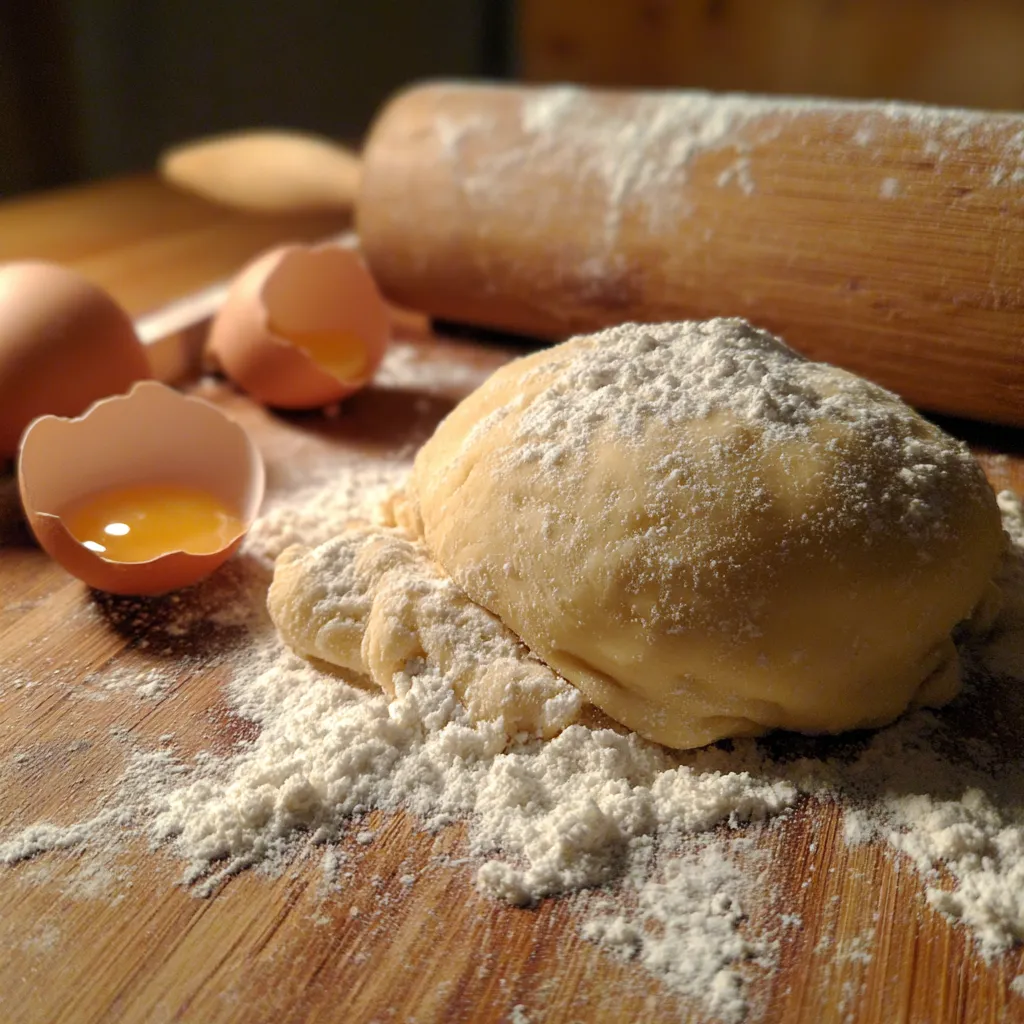
The Only Homemade Pasta Dough Recipe You’ll Ever Need (Seriously!)
Oh, the pure joy of homemade pasta! I remember a particularly rainy Sunday afternoon many years ago when I first dared to try making pasta from scratch. My dear friend, Isabella, an incredible cook with generations of Italian heritage, had casually told me, “This is ‘The only pasta dough recipe you need!’, trust me.” I was intimidated, to say the least. Visions of sticky messes and tough, chewy noodles filled my head. But armed with her simple instructions and a healthy dose of skepticism, I dove in. What emerged from my kitchen that day wasn’t just pasta; it was an awakening – tender, silken strands that transformed our simple sauce into an unforgettable meal.
Forget everything you thought you knew about store-bought pasta. This recipe, a true family favorite, will help you achieve the kind of tender, flavorful, and perfectly al dente pasta you dream of. It’s surprisingly easy, incredibly therapeutic to make, and yields a pasta that’s miles better than anything you can buy. This isn’t just an easy dinner solution; it’s an experience, a journey into authentic Italian comfort food that promises to delight every single time.
So, are you ready to impress yourself, your family, and your taste buds? Get ready to roll up your sleeves and dive into the simple magic of homemade pasta. Once you try ‘The only pasta dough recipe you need!’, you’ll wonder why you ever did it any other way!
Why You’ll Love This Recipe
❤️ Here’s why this pasta dough recipe will quickly become your new kitchen obsession:
- Unmatched Freshness & Flavor: Nothing beats the taste of pasta made with just a few simple, high-quality ingredients. The subtle richness from the eggs and the pure taste of the flour shine through, creating a depth of flavor that dried pasta simply can’t achieve.
- Perfect Texture Every Time: Say goodbye to mushy or overly chewy pasta. This dough consistently delivers a silken, tender texture with that perfect, satisfying al dente bite that holds up beautifully to any sauce. It’s truly a game-changer!
- Incredibly Versatile: This foundational dough is your canvas! Use it to create a myriad of pasta shapes – from delicate fettuccine and linguine to hearty tagliatelle, intricate ravioli, or silky sheets for lasagna. The possibilities are endless, limited only by your imagination.
- Therapeutic & Rewarding Process: There’s something incredibly satisfying about transforming flour and eggs into a smooth, elastic dough. The kneading process is meditative, and the final result brings an immense sense of accomplishment that store-bought can never replicate.
- Surprisingly Simple: Despite its gourmet reputation, making pasta dough from scratch is far less complicated than you might think. With basic kitchen tools and this straightforward recipe, you’ll be a pasta-making pro in no time, building confidence with each batch.
- Impress Your Guests (and Yourself!): Serving homemade pasta elevates any meal into a special occasion. Your friends and family will be absolutely delighted and impressed by your culinary prowess, and you’ll feel like a true chef.
- Economical & Healthier: Making pasta at home uses inexpensive ingredients, saving you money compared to specialty fresh pasta from the store. Plus, you control exactly what goes into it – no preservatives, just pure goodness for a healthier meal.
- A Wonderful Family Activity: Get everyone involved! Rolling and shaping pasta is a fantastic, hands-on activity for kids and adults alike. It’s a wonderful way to spend quality time together, creating delicious memories in the kitchen.
What You Need
You’ll be amazed that such incredible pasta can come from just a handful of simple pantry staples! This recipe truly embodies the beauty of minimal ingredients creating maximum flavor. You likely have most of what you need on hand already, making this an accessible and affordable project. Check the full printable recipe card below for detailed measurements and a complete list.
Expert Tips
💡 Unlock your inner pasta master with these tried-and-true expert tips:
- The Right Flour Makes All the Difference: While all-purpose flour works perfectly well, if you can find it, ’00’ flour (doppio zero) is truly magical for pasta. It’s an Italian milling classification indicating very finely ground, low-protein flour, which results in an incredibly silky, tender dough with a delicate bite. Using a combination of ’00’ and semolina flour can give a slightly firmer, chewier texture often preferred for shapes like orecchiette or cavatelli.
- Room Temperature Eggs are Key: Just like with baking, using room temperature eggs helps them emulsify more easily with the flour. This creates a more cohesive and evenly hydrated dough, leading to a smoother texture and making the kneading process more efficient.
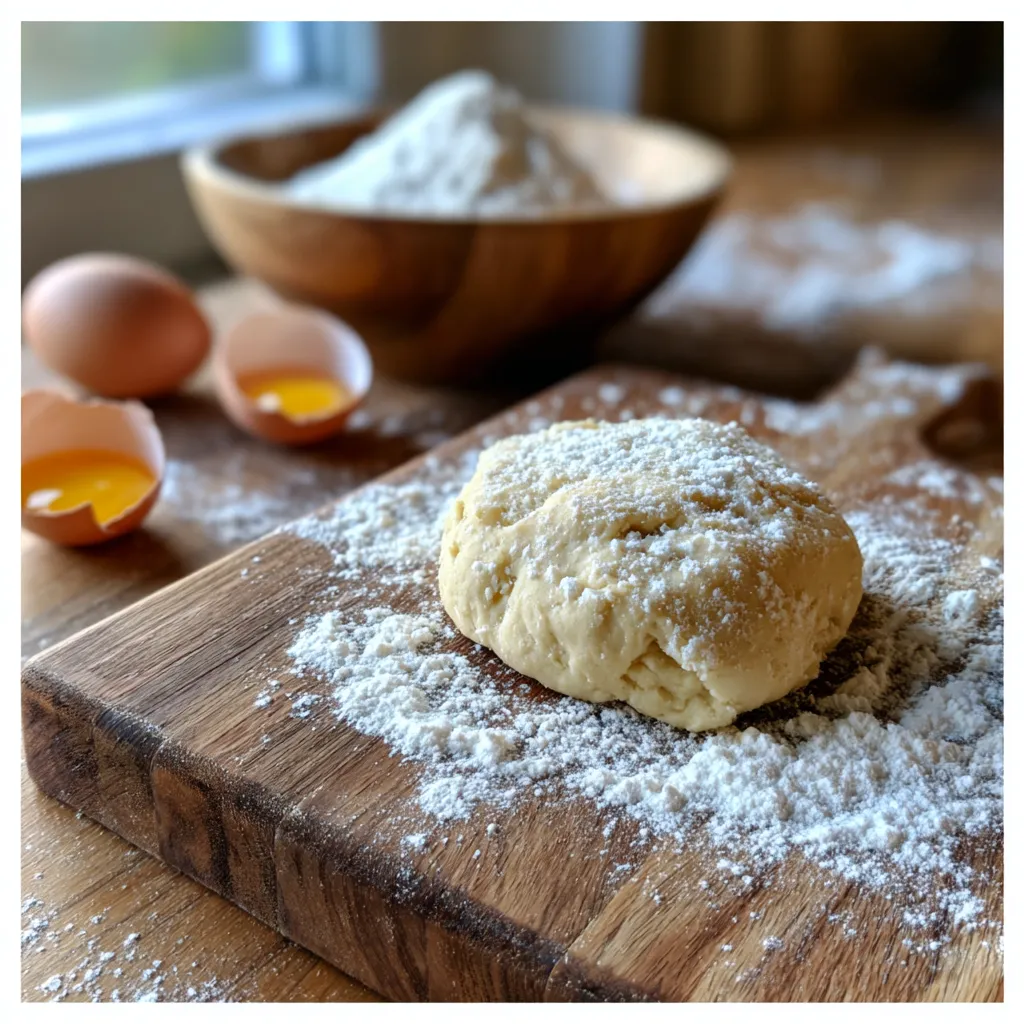
- Don’t Skimp on the Kneading: This is arguably the most critical step! Kneading develops the gluten in the flour, which gives the pasta its elasticity and strength, preventing it from falling apart when cooked. Aim for 10-15 minutes of vigorous kneading by hand, or 7-10 minutes with a stand mixer and dough hook. The dough should become smooth, elastic, and spring back when gently poked. A great test is the “windowpane test”: pull a small piece of dough and stretch it. If you can stretch it thin enough to see light through it without tearing, your gluten is perfectly developed.
- The Importance of Resting Your Dough: Once kneaded, the dough MUST rest. This allows the gluten to relax, making the dough much easier to roll out thinly without shrinking back. Wrap it tightly in plastic wrap (to prevent a skin from forming) and let it rest at room temperature for at least 30 minutes, or up to an hour. You can even refrigerate it for a few hours or overnight; just bring it back to room temperature before rolling.
- Rolling Like a Pro: Whether by hand or machine, always start with a manageable piece of dough. If using a pasta machine, begin with the widest setting and gradually decrease it, passing the dough through each setting several times. Don’t skip settings, as this can tear the dough. If hand-rolling, dust your surface lightly and roll from the center outwards, rotating frequently to ensure even thickness. Aim for a thickness that allows light to barely pass through it.
- Dust, Dust, Dust! Keep your workspace, dough, and cut pasta lightly dusted with flour (semolina flour is excellent for this, as it’s coarser and less likely to absorb into the dough). This prevents sticking, which is the arch-nemesis of homemade pasta. Be careful not to use too much, or it can make your pasta gummy when cooked.
- How to Dry Fresh Pasta: Once cut, fresh pasta needs to dry slightly before cooking or storing. This prevents it from clumping together. You can either hang long strands on a pasta drying rack, or coil shorter shapes into individual “nests” on a lightly floured baking sheet. Let it dry for 15-30 minutes at room temperature, or up to an hour depending on your climate.
- Troubleshooting Common Dough Issues: If your dough is too dry and crumbly, add a few drops of water at a time, kneading until absorbed. If it’s too sticky, add a teaspoon of flour, kneading thoroughly before adding more. It’s a delicate balance, so always adjust slowly.
- Have Fun with Shapes! Don’t feel pressured to make perfect shapes right away. Experiment with different cutters, or simply cut ribbons with a knife. The beauty of homemade pasta is its rustic charm and the love that goes into it.
Variations & Substitutions
This basic pasta dough recipe is incredibly adaptable! Here are some exciting ways to switch it up and create unique pasta experiences:
- Whole Wheat Pasta: For a nuttier flavor and added fiber, substitute up to half of the all-purpose flour with whole wheat flour. You might need a tiny bit more liquid, as whole wheat absorbs more moisture.
- Spinach Pasta (for vibrant green): Blanch and squeeze dry about 1 cup of fresh spinach. Purée it with one of the eggs before adding to the flour. This creates beautiful green pasta, perfect for spring dishes!
- Semolina Pasta (for rustic texture): While ’00’ or all-purpose flour creates a tender pasta, substituting some or all of the flour with fine semolina flour will yield a pasta with a more substantial, al dente bite and a slightly coarser texture, often preferred for Southern Italian shapes.
- Herbed or Spiced Pasta: Finely chop fresh herbs like basil, parsley, or rosemary (about 1-2 tablespoons) and knead them directly into the dough for an aromatic twist. You can also add a pinch of saffron for color and flavor, or a touch of smoked paprika for warmth.
- Gluten-Free Options: Creating a truly elastic gluten-free pasta dough can be challenging, but it’s possible! You’ll need a blend of gluten-free flours (like rice flour, tapioca starch, and xanthan gum) and often an extra egg yolk or a splash of water to achieve the right consistency. Look for specific GF pasta dough recipes rather than attempting a direct substitution here.
Storage & Freezing
Knowing how to store your homemade pasta ensures you can enjoy its freshness for longer!
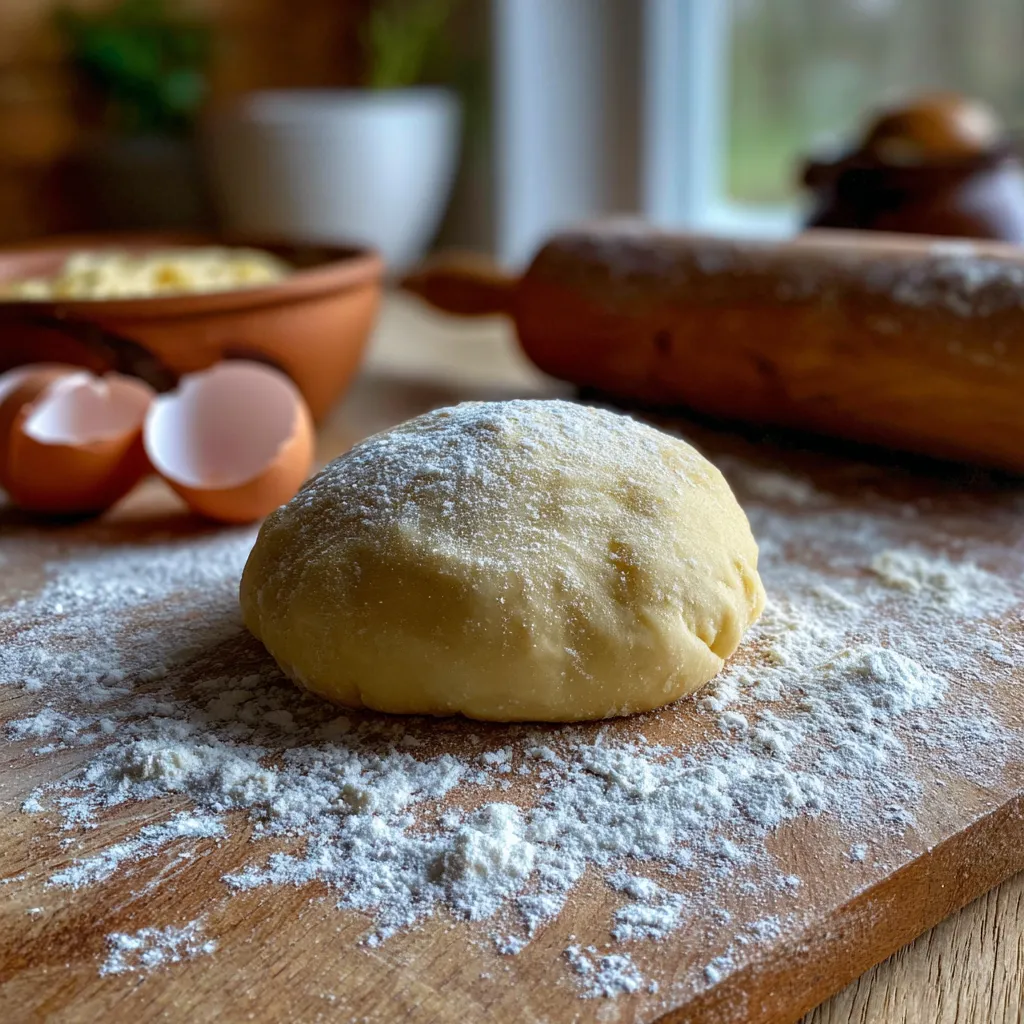
- Fresh Dough: If you’re not ready to roll it out immediately, wrap the kneaded dough tightly in plastic wrap to prevent it from drying out, then refrigerate for up to 24 hours. Bring it back to room temperature for about 30 minutes before rolling.
- Freshly Made, Uncooked Pasta: Once you’ve rolled and cut your pasta, it needs to dry slightly. Arrange it in single layers on lightly floured baking sheets or hang it on a pasta rack for 15-30 minutes. If cooking within a few hours, keep it loosely covered at room temperature. For longer storage (up to 2-3 days), place the slightly dried pasta in an airtight container in the refrigerator.
- Dried Pasta: If you want to dry your pasta completely for pantry storage, hang it on a pasta rack or spread it on a clean, dry surface, turning occasionally, until brittle (this can take 12-24 hours depending on humidity). Store in an airtight container at room temperature for several weeks.
- Freezing Uncooked Pasta: This is a fantastic option for meal prep! After cutting and letting the pasta dry for about 15-30 minutes (until it’s no longer sticky but still pliable), coil individual servings into nests or spread flat on a baking sheet. Freeze until solid, then transfer to a freezer-safe bag or container. It will keep for up to 1 month. Cook directly from frozen in boiling water; it might take an extra minute or two.
FAQ
Q: Can I make this pasta dough without a stand mixer?
A: Absolutely! The traditional method involves hand kneading. It’s a wonderful, tactile process. Just make sure to dedicate enough time (about 15-20 minutes) to really work the dough until it’s smooth and elastic. You’ll build some arm muscles, too!
Q: What’s the best flour for homemade pasta?
A: For a truly authentic, silky smooth pasta, ’00’ flour is highly recommended. However, good quality all-purpose flour works perfectly well and is much easier to find. Some chefs also like a blend of ’00’ and fine semolina for a slightly firmer texture.
Q: My dough is too dry/too wet, what do I do?
A: Don’t panic! Dough consistency can vary based on flour type, egg size, and humidity. If it’s too dry and crumbly, add water a teaspoon at a time. If it’s too sticky, add flour a teaspoon at a time. Knead thoroughly after each addition until the dough reaches a smooth, elastic consistency.
Q: How long should the dough rest?
A: A minimum of 30 minutes is crucial to allow the gluten to relax, making the dough much easier to roll thinly without tearing or shrinking. You can rest it for up to an hour at room temperature, or even refrigerate it for a few hours if needed.
Q: Can I freeze the pasta dough before rolling?
A: Yes! After kneading, wrap the dough very tightly in plastic wrap, then place it in a freezer-safe bag. It can be frozen for up to 1 month. Thaw it in the refrigerator overnight, then bring it to room temperature before rolling and shaping.
I genuinely hope ‘The only pasta dough recipe you need!’ becomes a cherished part of your culinary repertoire, bringing joy and deliciousness to your table for years to come. There’s nothing quite like the satisfaction of creating something so wonderful from scratch. Don’t forget to pin this recipe for later and share your pasta-making adventures with me!
The Only Homemade Pasta Dough Recipe You’ll Ever Need!
Ingredients
- 2 cups all-purpose flour (or '00' flour)
- 3 large eggs, at room temperature
- 1 tablespoon olive oil (optional, for extra elasticity)
- Pinch of salt
Instructions
- Step 1 On a clean work surface, pile the flour and make a well in the center. Crack the eggs into the well, add the olive oil (if using) and salt.
- Step 2 Using a fork, gently whisk the eggs, gradually incorporating flour from the inner edge of the well. Continue until a shaggy dough forms.
- Step 3 Once the dough is too stiff to work with a fork, use your hands to bring it together. Knead for 10-15 minutes, pushing and folding, until the dough is smooth, elastic, and bounces back when poked.
- Step 4 Wrap the dough tightly in plastic wrap and let it rest at room temperature for at least 30 minutes, up to 1 hour. This allows the gluten to relax, making it easier to roll.
- Step 5 Roll the dough out using a pasta machine or rolling pin to your desired thickness. Cut into your preferred pasta shapes (fettuccine, tagliatelle, lasagna sheets, etc.).
- Step 6 Cook the fresh pasta in a large pot of salted boiling water for 2-5 minutes, or until al dente. Serve immediately with your favorite sauce.