
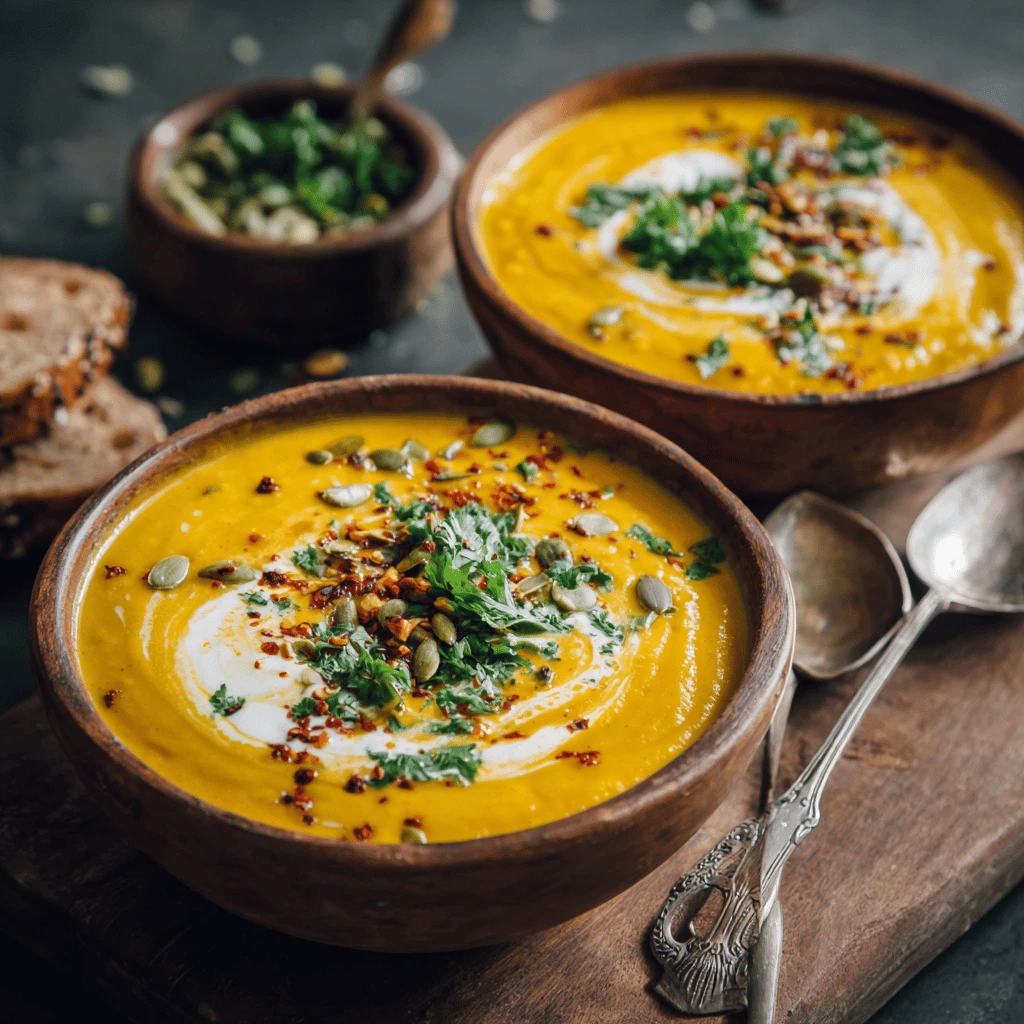
Roasted Vegan Pumpkin Soup: A Creamy, Comforting Delight
Pumpkin soup is a fall favorite, but roasting the pumpkin before pureeing elevates the flavor to a whole new level. This recipe delivers a deeply satisfying and incredibly creamy vegan version that’s perfect for a cozy weeknight meal or a sophisticated holiday starter.
Why Roast Your Pumpkin? The Secret to Unforgettable Flavor
Roasting the pumpkin is what sets this soup apart. The dry heat intensifies the pumpkin’s natural sweetness and brings out a slightly caramelized, nutty flavor that simply isn’t achievable through boiling or steaming. Here’s why it’s worth the extra step:
- Enhanced Sweetness: Roasting caramelizes the natural sugars in the pumpkin, resulting in a sweeter, more complex flavor.
- Concentrated Flavor: As the pumpkin roasts, moisture evaporates, concentrating its flavor and creating a richer taste.
- Smoother Texture: Roasted pumpkin becomes incredibly tender, making it easier to puree into a silky-smooth soup.
- Nutty Notes: The roasting process develops subtle nutty undertones that add depth and complexity to the overall flavor profile.
Crafting the Perfect Roasted Vegan Pumpkin Soup: A Step-by-Step Guide
This recipe is designed to be straightforward and accessible, even for beginner cooks. Follow these steps for a guaranteed delicious outcome:
Ingredients:
- 1 (3-4 pound) sugar pumpkin, halved and seeded
- 2 tablespoons olive oil, divided
- 1 medium yellow onion, chopped
- 2 cloves garlic, minced
- 4 cups vegetable broth
- 1 teaspoon ground ginger
- 1/2 teaspoon ground nutmeg
- 1/4 teaspoon ground cinnamon
- Salt and pepper to taste
- Optional garnishes: toasted pumpkin seeds, coconut cream, chopped fresh parsley or sage
Instructions:
1. Prepare the Pumpkin: Preheat your oven to 400°F (200°C). Line a baking sheet with parchment paper. Cut the pumpkin in half lengthwise and scoop out the seeds and stringy fibers. Drizzle the cut sides with 1 tablespoon of olive oil and season with salt and pepper. Place the pumpkin halves cut-side down on the prepared baking sheet.
2. Roast the Pumpkin: Roast for 45-60 minutes, or until the pumpkin flesh is fork-tender. The roasting time will vary depending on the size of your pumpkin. Let the pumpkin cool slightly before handling.
3. Sauté the Aromatics: While the pumpkin is roasting, heat the remaining 1 tablespoon of olive oil in a large pot or Dutch oven over medium heat. Add the chopped onion and cook until softened, about 5-7 minutes. Add the minced garlic and cook for another minute until fragrant.
4. Scoop and Simmer: Once the pumpkin has cooled enough to handle, scoop out the roasted flesh and add it to the pot with the sautéed onion and garlic. Pour in the vegetable broth and stir in the ground ginger, nutmeg, and cinnamon. Bring the mixture to a simmer and cook for 15-20 minutes, allowing the flavors to meld together.
5. Blend Until Smooth: Carefully transfer the soup to a blender (or use an immersion blender) and blend until completely smooth and creamy. Be cautious when blending hot liquids; vent the blender lid to prevent pressure buildup.
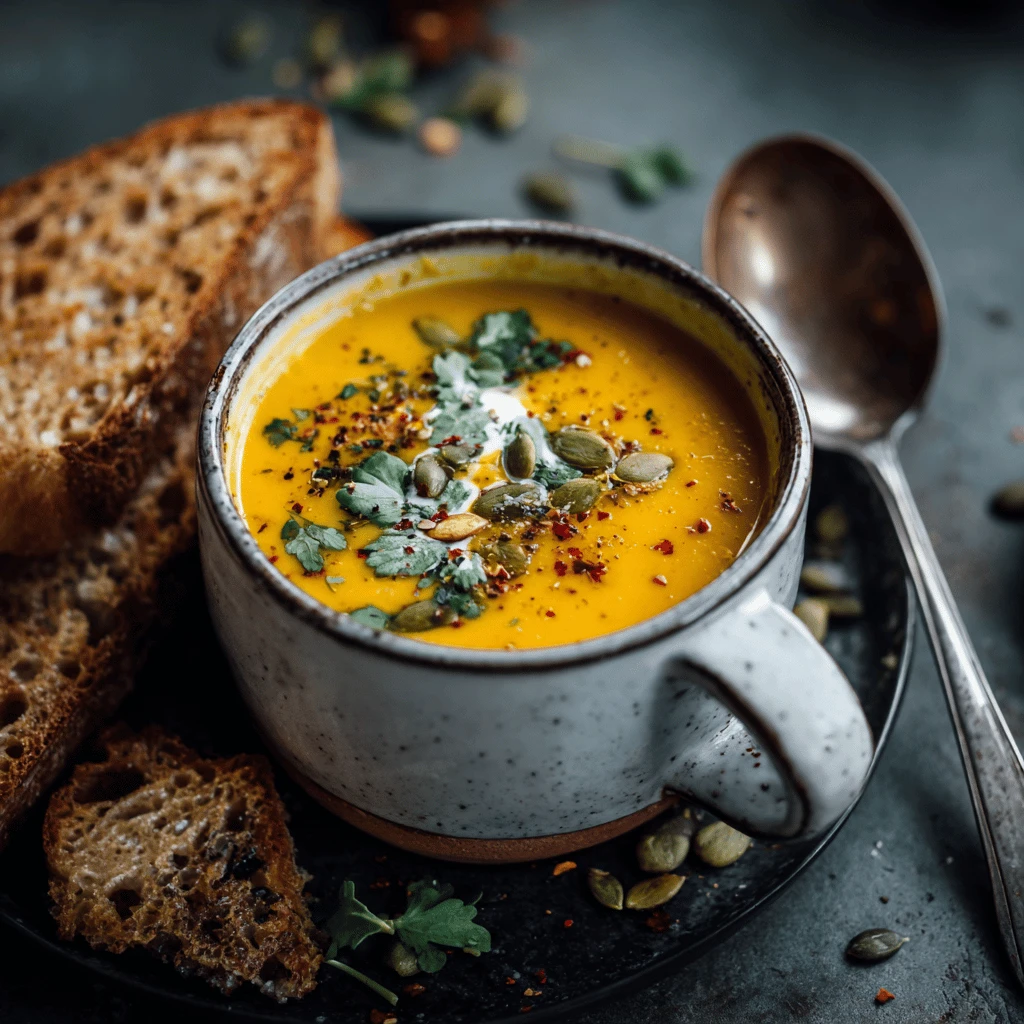
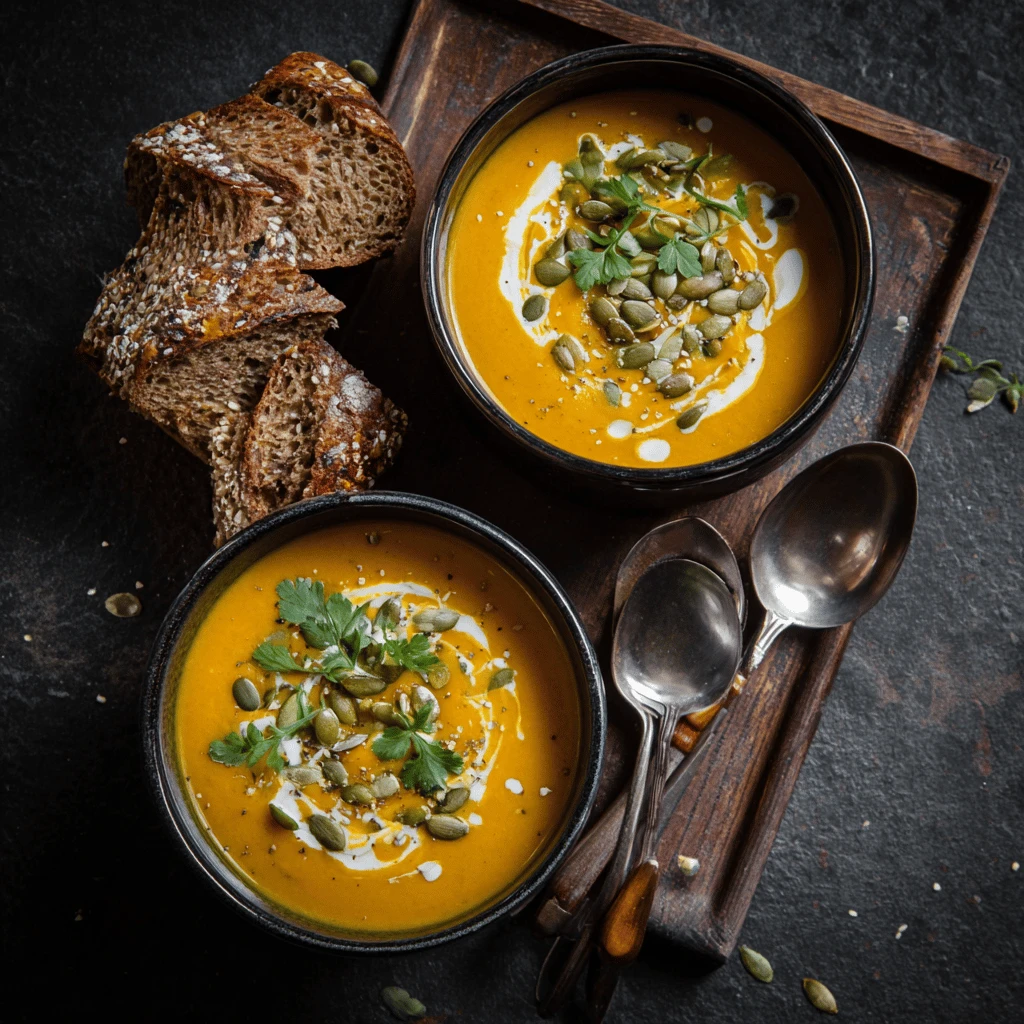
6. Season and Serve: Return the blended soup to the pot and heat through. Season with salt and pepper to taste. Serve hot, garnished with toasted pumpkin seeds, a swirl of coconut cream, and chopped fresh herbs, if desired.
Tips for the Best Possible Soup:
- Choose the Right Pumpkin: Sugar pumpkins (also called pie pumpkins) are the best choice for pumpkin soup. They have a sweeter flavor and a smoother texture than larger jack-o’-lantern pumpkins.
- Don’t Overcrowd the Baking Sheet: If your pumpkin is large, you may need to use two baking sheets to ensure even roasting.
- Adjust the Spices to Your Preference: Feel free to adjust the amount of ginger, nutmeg, and cinnamon to suit your taste. You can also add a pinch of cayenne pepper for a touch of heat.
- Use High-Quality Vegetable Broth: The quality of your vegetable broth will significantly impact the flavor of the soup. Opt for a low-sodium broth to control the saltiness of the final dish.
- Get Creative with Garnishes: Garnishes add visual appeal and enhance the flavor of the soup. Some other great options include a drizzle of maple syrup, a sprinkle of chili flakes, or a dollop of vegan sour cream.
Variations to Customize Your Pumpkin Soup
One of the great things about pumpkin soup is its versatility. Here are a few ideas to customize the recipe and make it your own:
- Spicy Pumpkin Soup: Add a pinch of cayenne pepper or a chopped jalapeño to the soup for a spicy kick.
- Curried Pumpkin Soup: Incorporate curry powder or paste into the soup for a warm, aromatic flavor.
- Apple Pumpkin Soup: Add diced apple to the pot along with the pumpkin for a slightly sweet and tart flavor.
- Coconut Pumpkin Soup: Replace some of the vegetable broth with coconut milk for a richer, creamier soup with a hint of tropical flavor.
- Butternut Squash Pumpkin Soup: Substitute half of the pumpkin with butternut squash for a slightly different flavor profile and texture.
Make it a Meal: Serving Suggestions
Roasted vegan pumpkin soup is delicious on its own, but it can also be part of a complete and satisfying meal. Here are a few serving suggestions:
- Pair it with a grilled cheese sandwich or a crusty baguette for dipping.
- Serve it as a starter for a holiday meal, such as Thanksgiving or Christmas.
- Add a dollop of vegan yogurt or coconut cream and a sprinkle of toasted pumpkin seeds for a more substantial soup.
- Serve it alongside a salad for a light and healthy lunch.
- Use it as a base for a vegan chili or stew.
Storage and Reheating Instructions
This roasted vegan pumpkin soup is perfect for making ahead of time. Here’s how to store and reheat it:
- Storage: Allow the soup to cool completely before transferring it to an airtight container. Store it in the refrigerator for up to 4 days or in the freezer for up to 3 months.
- Reheating: To reheat, thaw the soup in the refrigerator overnight if frozen. Heat it in a pot over medium heat, stirring occasionally, until heated through. You can also reheat it in the microwave.
Health Benefits of Pumpkin
Beyond its delicious taste, pumpkin offers a variety of health benefits. It’s a good source of:
- Vitamin A: Important for vision, immune function, and cell growth.
- Vitamin C: An antioxidant that helps protect the body against damage from free radicals.
- Potassium: An essential mineral that helps regulate blood pressure.
- Fiber: Promotes healthy digestion and helps you feel full.
- Antioxidants: Pumpkin is rich in antioxidants, which may help protect against chronic diseases.
Frequently Asked Questions (FAQs)
Can I use canned pumpkin puree instead of roasting a pumpkin?
While fresh roasted pumpkin is highly recommended for the best flavor, you can use canned pumpkin puree in a pinch. Use about 3 cups of canned pumpkin puree in place of the roasted pumpkin. Be sure to use plain pumpkin puree, not pumpkin pie filling.
Can I make this soup without an immersion blender or regular blender?
While a blender is the easiest way to achieve a smooth soup, you can use a food processor or even a potato masher to create a similar texture. Just be aware that the soup may not be as perfectly smooth.
How can I make this soup thicker?
If you prefer a thicker soup, you can simmer it for a longer period of time to allow some of the liquid to evaporate. Alternatively, you can add a tablespoon or two of cornstarch or arrowroot powder mixed with a small amount of cold water to the soup while it’s simmering.
Can I add protein to this soup?
Yes, you can easily add protein to this soup. Some great options include cooked lentils, chickpeas, or white beans. You can also top the soup with toasted pumpkin seeds or a dollop of vegan yogurt for added protein.
Is this soup gluten-free?
Yes, this recipe is naturally gluten-free.