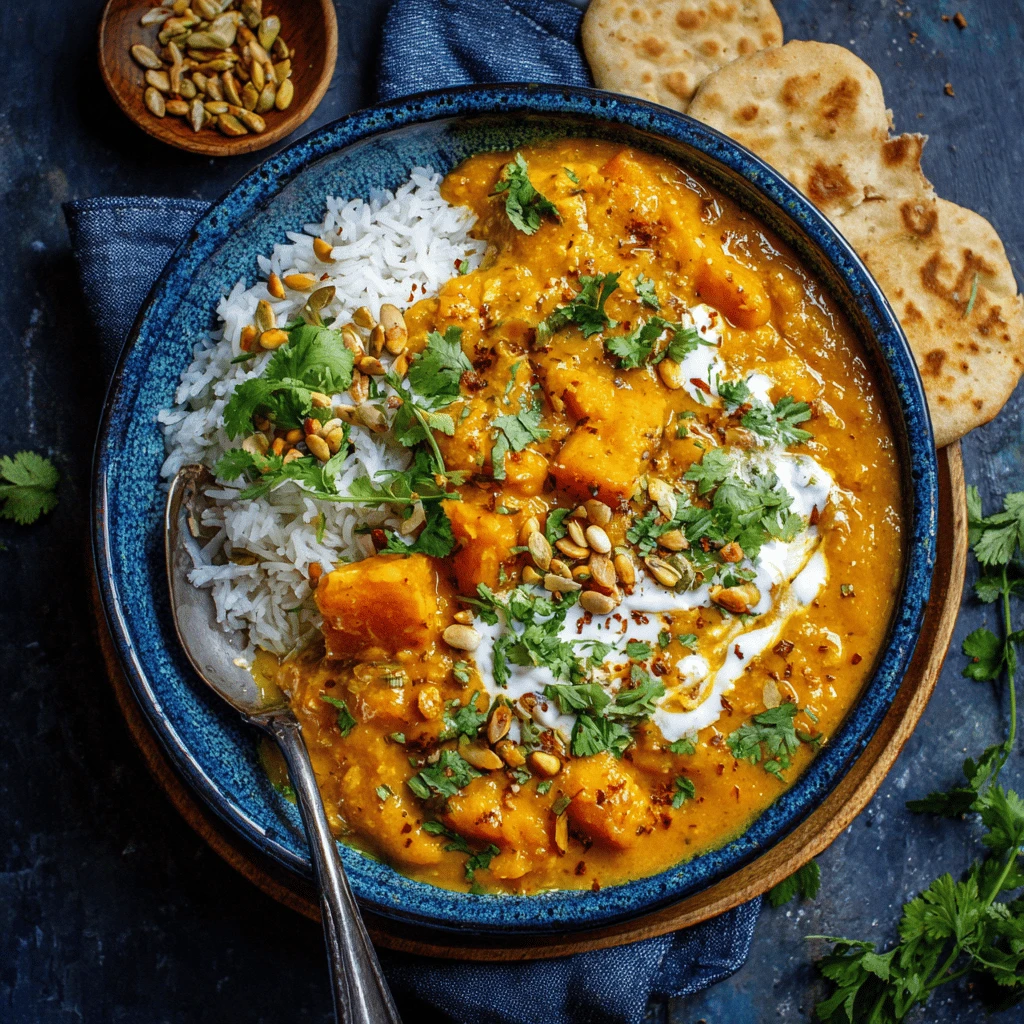
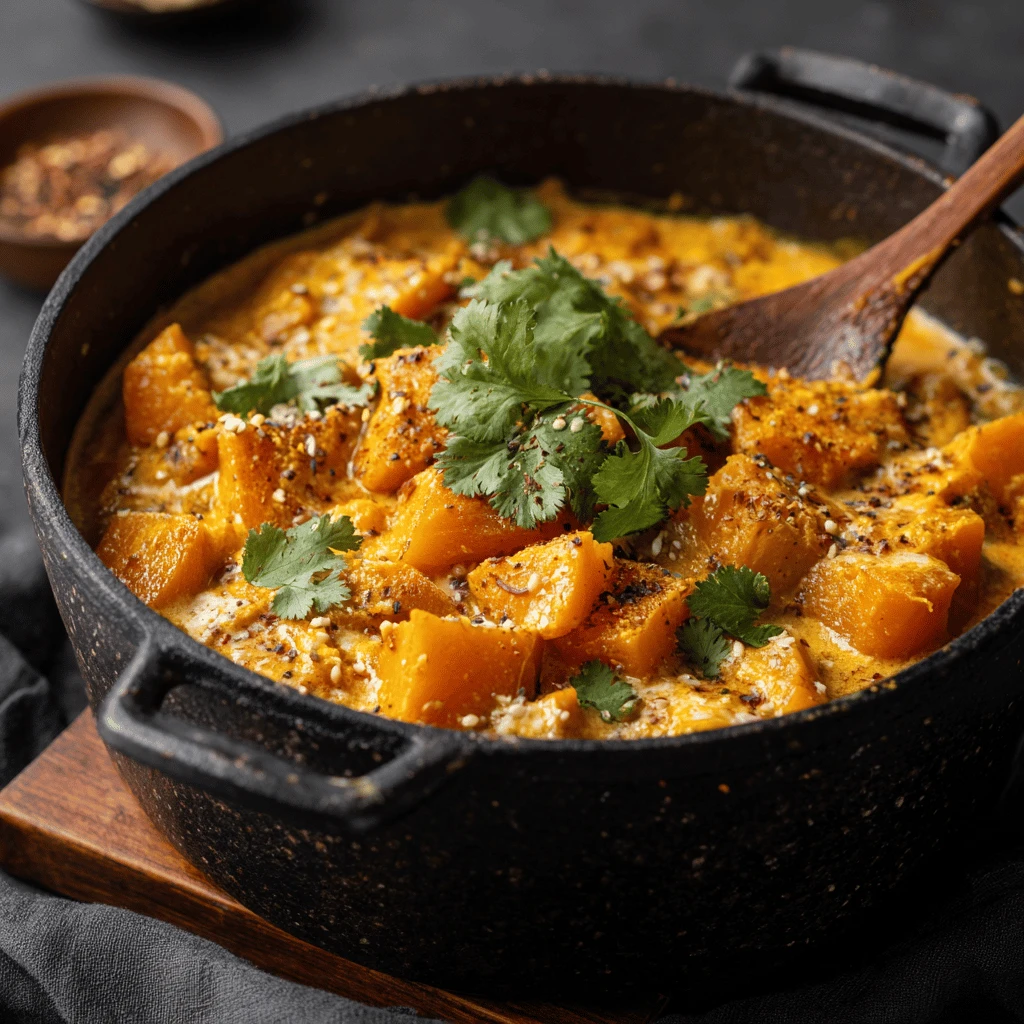
One-Pot Creamy Pumpkin Curry
One-pot meals are a weeknight champion, and this One-Pot Creamy Pumpkin Curry elevates the concept to a new level of flavorful comfort. Combining the ease of a single-pot cooking method with the warmth of autumn spices and the smooth richness of pumpkin, this curry is a guaranteed crowd-pleaser. Whether you’re a seasoned curry enthusiast or new to the world of spice, this recipe is adaptable, approachable, and utterly delicious.
Why You’ll Love This One-Pot Pumpkin Curry
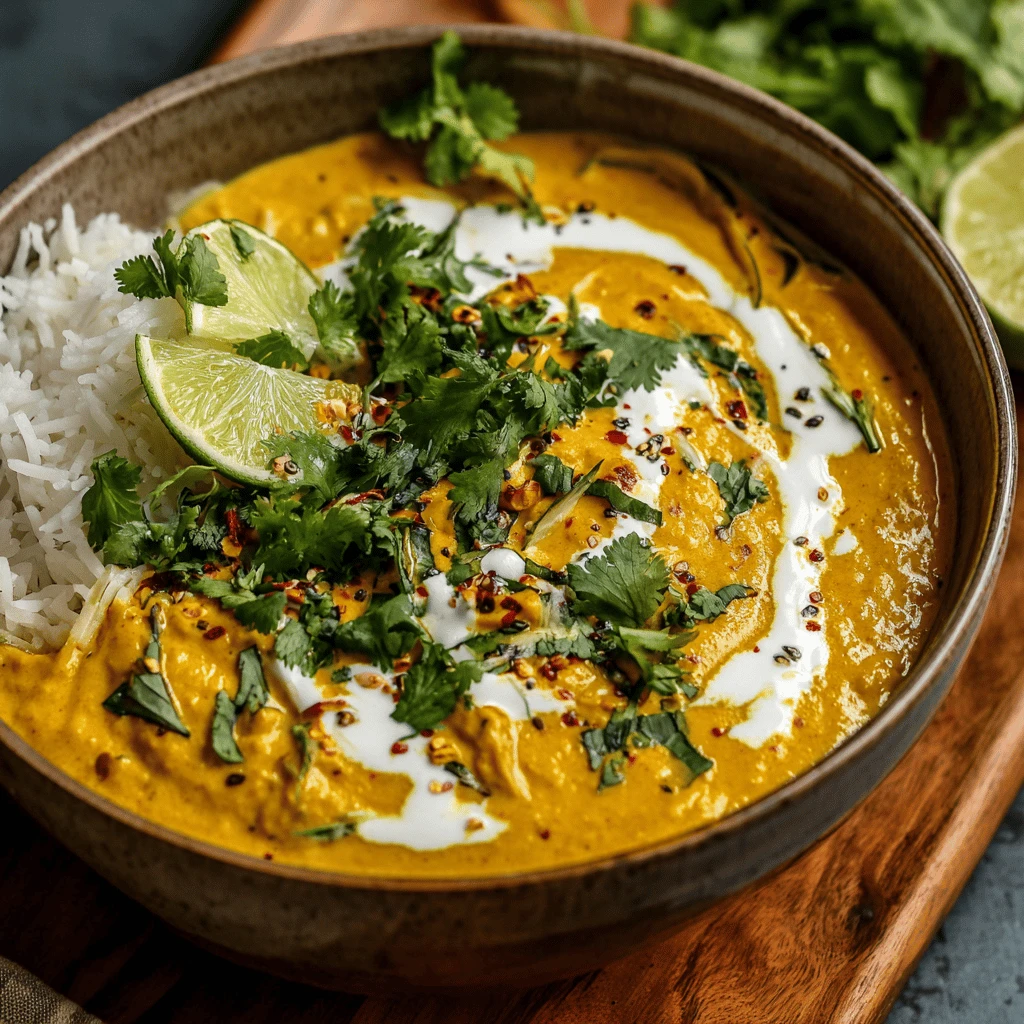
This pumpkin curry stands out for several reasons. First and foremost, it’s incredibly convenient. Minimal cleanup is always a win, especially on busy weeknights. Secondly, the flavors are complex yet comforting. The subtle sweetness of pumpkin perfectly complements the savory spices, creating a harmonious balance that satisfies both sweet and savory cravings. Finally, it’s easily customizable. You can adjust the spice level, swap out vegetables, and even add different proteins to suit your dietary needs and preferences.
The Magic of One-Pot Cooking
The beauty of one-pot cooking lies in its simplicity. All the ingredients cook together in a single pot, allowing the flavors to meld and deepen as the dish simmers. This method also reduces the amount of active cooking time, freeing you up to tackle other tasks while the curry simmers away. Furthermore, the starch released from the rice or other grains during cooking helps to thicken the sauce, creating a creamy and luxurious texture without the need for excessive amounts of cream or thickening agents.
Pumpkin: More Than Just a Pie Ingredient
Pumpkin is the star of this dish, providing a natural sweetness and creamy texture. But don’t limit yourself to just pumpkin pie filling! Fresh pumpkin, butternut squash, or even canned pumpkin puree (not pumpkin pie mix!) can be used in this recipe. Pumpkin is also packed with nutrients, including Vitamin A, Vitamin C, and fiber, making this curry not only delicious but also a healthy and wholesome meal. The squash adds a subtle sweetness and creamy texture that works beautifully in a curry.
Crafting the Perfect Pumpkin Curry
The key to a truly exceptional pumpkin curry lies in the quality of the ingredients and the careful balance of spices. While the recipe is forgiving, paying attention to a few key details will ensure a flavorful and satisfying result.
Essential Ingredients for Pumpkin Curry
- Pumpkin: Fresh pumpkin, butternut squash, or canned pumpkin puree (ensure it’s 100% pumpkin, not pie filling)
- Aromatic Base: Onion, garlic, and ginger form the foundation of the curry, providing depth and complexity.
- Curry Paste: Red, yellow, or green curry paste can be used depending on your preferred level of spice and flavor profile.
- Coconut Milk: Full-fat coconut milk is recommended for a creamy and rich texture, but light coconut milk can also be used for a lighter option.
- Vegetables: Bell peppers, spinach, chickpeas, and tomatoes are all excellent additions, but feel free to experiment with your favorites.
- Spices: Cumin, coriander, turmeric, and chili powder add warmth and depth to the curry.
- Broth: Vegetable or chicken broth provides the liquid base for the curry, enhancing the overall flavor.
- Lime Juice: A squeeze of fresh lime juice brightens the flavors and adds a touch of acidity.
- Rice: Basmati or jasmine rice are excellent choices for serving with the curry.
Step-by-Step Instructions for One-Pot Pumpkin Curry
1. Sauté the Aromatics: In a large pot or Dutch oven, heat oil over medium heat. Add chopped onion and cook until softened. Add minced garlic and ginger and cook until fragrant.
2. Bloom the Spices: Stir in curry paste, cumin, coriander, turmeric, and chili powder. Cook for a minute, allowing the spices to bloom and release their aroma.
3. Add the Pumpkin and Vegetables: Add pumpkin puree or diced pumpkin, chopped bell peppers, diced tomatoes, and chickpeas (if using).
4. Pour in Liquids: Pour in coconut milk and vegetable broth. Stir to combine.
5. Simmer: Bring the mixture to a simmer, then reduce heat and cover. Cook until the pumpkin is tender and the sauce has thickened. For diced fresh pumpkin, this will take 20-25 minutes, for pureed, about 15-20.
6. Stir in Spinach (Optional): If using spinach, stir it in during the last few minutes of cooking until wilted.
7. Season and Serve: Season with salt and pepper to taste. Stir in lime juice. Serve hot over cooked rice. Garnish with fresh cilantro, if desired.
Tips for the Perfect Pumpkin Curry
- Adjust the Spice Level: Start with a small amount of curry paste and add more to taste. You can also add a pinch of cayenne pepper for extra heat.
- Use High-Quality Coconut Milk: Full-fat coconut milk will result in a creamier and richer curry.
- Don’t Overcook the Pumpkin: Overcooked pumpkin can become mushy. Cook until just tender.
- Taste and Adjust Seasoning: Taste the curry frequently and adjust the seasoning as needed.
- Garnish Generously: Fresh cilantro, chopped peanuts, or a dollop of yogurt add a finishing touch to the curry.
Customizing Your Pumpkin Curry
One of the best things about this pumpkin curry is its versatility. Feel free to adapt the recipe to your liking, using your favorite vegetables, proteins, and spices.
Vegetarian and Vegan Options
This recipe is naturally vegetarian and can easily be made vegan by ensuring that the curry paste and broth used are vegan-friendly. Chickpeas are a great source of protein, but you can also add other plant-based proteins like tofu or lentils.
Adding Protein to Your Pumpkin Curry
For a heartier meal, consider adding protein to your pumpkin curry. Tofu, chicken, shrimp, or beef are all excellent choices. If using tofu, press it to remove excess water before adding it to the curry. Chicken or shrimp can be added during the last 15 minutes of cooking, while beef should be browned before being added to the pot.
Vegetable Variations
Don’t be afraid to experiment with different vegetables in your pumpkin curry. Broccoli, cauliflower, sweet potatoes, and green beans are all delicious additions. Simply add them to the pot along with the other vegetables and adjust the cooking time as needed.
Spice It Up (or Down)
The spice level of your pumpkin curry can be easily adjusted to suit your preferences. If you prefer a milder curry, use a mild curry paste and omit the chili powder. For a spicier curry, add extra curry paste or a pinch of cayenne pepper.
Serving and Storing Your Pumpkin Curry
This one-pot pumpkin curry is best served hot over cooked rice, but it can also be enjoyed with naan bread or quinoa. Leftovers can be stored in an airtight container in the refrigerator for up to three days. Reheat gently on the stovetop or in the microwave.
Serving Suggestions
- Serve hot over cooked rice, naan bread, or quinoa.
- Garnish with fresh cilantro, chopped peanuts, or a dollop of yogurt.
- Serve with a side of raita (a yogurt-based condiment) to cool down the spice.
Storing and Reheating
- Store leftovers in an airtight container in the refrigerator for up to three days.
- Reheat gently on the stovetop or in the microwave.
- Add a splash of water or broth when reheating to prevent the curry from drying out.
Make-Ahead Tips
- The aromatic base (onion, garlic, and ginger) can be prepped ahead of time and stored in the refrigerator.
- The vegetables can be chopped ahead of time and stored in the refrigerator.
- The curry can be made a day or two in advance and reheated before serving. The flavors will actually deepen and improve over time.
Frequently Asked Questions
Can I use fresh pumpkin instead of canned pumpkin puree?
Yes, you can use fresh pumpkin. Peel, seed, and dice the pumpkin into bite-sized pieces. You may need to adjust the cooking time, as fresh pumpkin will take longer to cook than canned puree. Butternut squash is also an excellent substitute.
Can I freeze pumpkin curry?
Yes, pumpkin curry freezes well. Allow the curry to cool completely before transferring it to an airtight container. Freeze for up to three months. Thaw in the refrigerator overnight before reheating.
What if I don’t have coconut milk?
If you don’t have coconut milk, you can use heavy cream or half-and-half as a substitute, but the flavor and texture will be slightly different. You can also use a non-dairy milk alternative, such as almond milk or soy milk, but be aware that these may not provide the same level of creaminess.
How can I make this curry spicier?
To make the curry spicier, add more curry paste, a pinch of cayenne pepper, or a few chopped chili peppers. You can also use a spicier variety of curry paste, such as red curry paste or panang curry paste.
What vegetables go well with pumpkin curry?
Many vegetables pair well with pumpkin curry, including bell peppers, spinach, tomatoes, broccoli, cauliflower, sweet potatoes, and green beans. Choose your favorites and add them to the pot along with the other vegetables.
Can I use a different type of rice?
Yes, you can use any type of rice that you prefer. Basmati and jasmine rice are popular choices, but you can also use brown rice, wild rice, or even quinoa.