
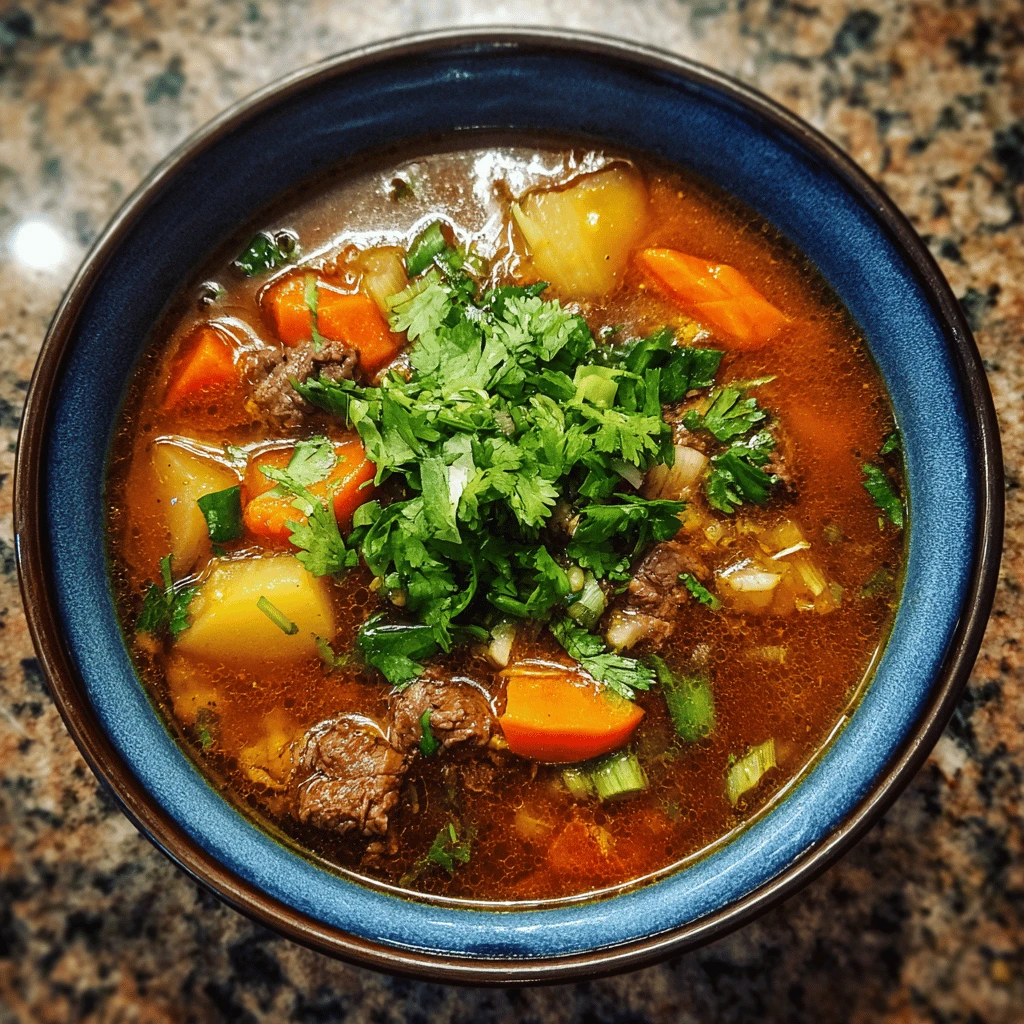
One-Pot Beef Soup: A Hearty and Delicious Recipe
One-pot meals are the unsung heroes of weeknight dinners. They minimize cleanup, maximize flavor, and are incredibly convenient. And when it comes to comfort food, few dishes can rival a steaming bowl of beef soup. This recipe for One-Pot Beef Soup combines tender beef, flavorful vegetables, and a rich broth in a single pot, making it the perfect meal for busy families or anyone craving a warm and satisfying dinner.
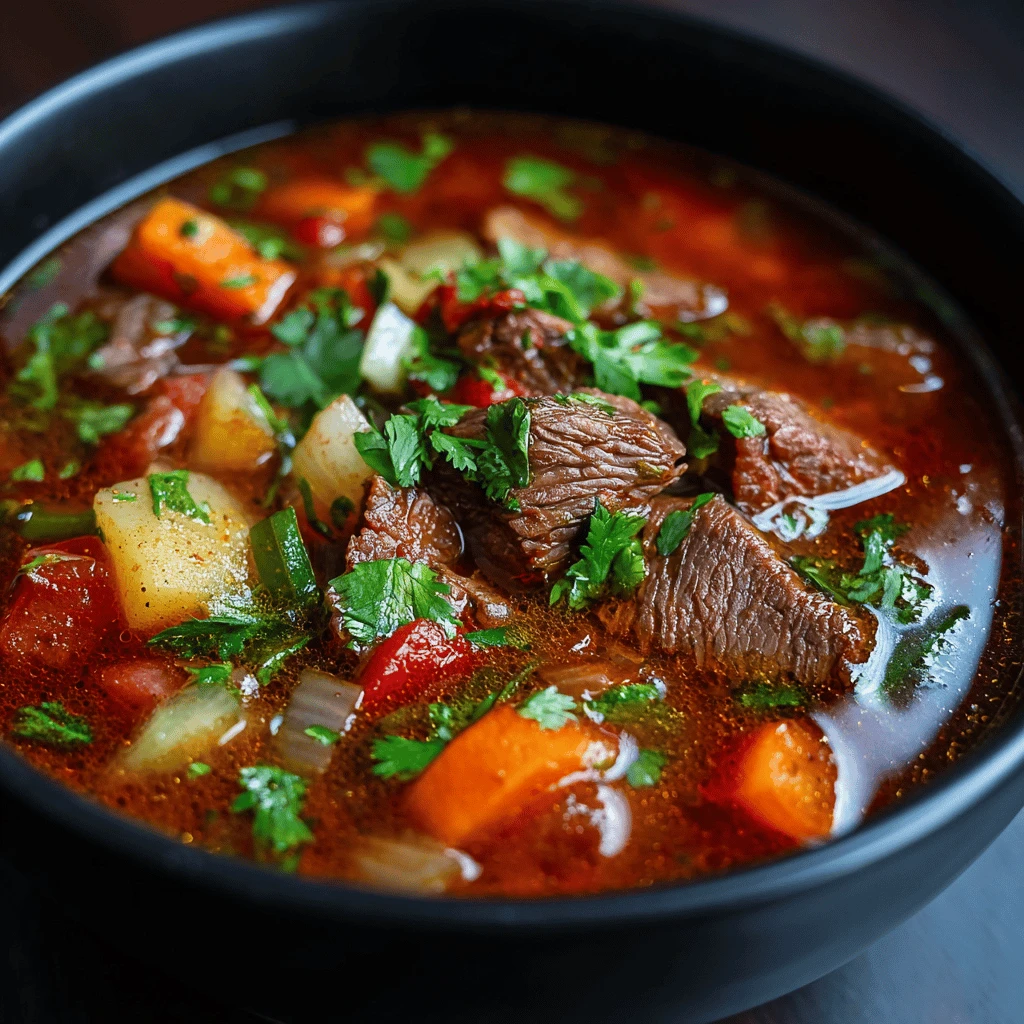
Why One-Pot Beef Soup is a Weeknight Winner
In today’s fast-paced world, convenience is key. One-pot meals offer a simple solution to the dinnertime dilemma. Instead of juggling multiple pots and pans, everything cooks together in a single vessel, infusing each ingredient with delicious flavor. This One-Pot Beef Soup is particularly appealing because it’s:
- Easy to Prepare: With minimal chopping and simple instructions, this recipe comes together quickly, even on the busiest weeknights.
- Flavorful: The combination of beef, vegetables, and aromatic herbs creates a deeply satisfying and flavorful soup.
- Nutritious: Packed with protein, vitamins, and fiber, this soup is a complete and healthy meal.
- Customizable: Easily adapt the recipe to suit your preferences and dietary needs.
- Minimal Cleanup: One pot means less time washing dishes and more time enjoying your meal.
This beef soup is a guaranteed crowd-pleaser.
The Perfect Ingredients for One-Pot Beef Soup
The key to a truly delicious One-Pot Beef Soup lies in selecting high-quality ingredients. Here’s a breakdown of the essentials:
- Beef: Chuck roast is the ideal cut for beef soup. It’s relatively inexpensive and becomes incredibly tender and flavorful when simmered for an extended period. Cut the beef into bite-sized cubes for even cooking. You can also use stew meat if you want to save time.
- Vegetables: A mix of hearty vegetables adds depth and nutrition to the soup. Carrots, celery, and onions are the classic trifecta, providing a savory base. Potatoes, either Yukon Gold or Russet, add substance and creaminess. You can also include other vegetables like parsnips, turnips, or green beans.
- Broth: Beef broth or stock is essential for creating a rich and flavorful soup. Opt for a low-sodium version to control the salt content. You can also use bone broth for added nutrients and flavor.
- Tomatoes: Diced tomatoes add acidity and brightness to the soup. Use canned diced tomatoes or fresh tomatoes, depending on your preference. Tomato paste also provides concentrated tomato flavor.
- Herbs and Spices: A blend of herbs and spices enhances the overall flavor profile. Bay leaves, thyme, rosemary, and garlic are classic additions to beef soup. A pinch of red pepper flakes can add a subtle kick.
- Oil: Use a neutral oil, like vegetable or canola oil, for searing the beef. Olive oil can also be used, but be mindful of its lower smoke point.
- Worcestershire Sauce: This adds a depth of umami flavor to the soup.
- Salt and Pepper: Season to taste. Remember that the broth may already contain sodium, so start with a small amount and adjust as needed.
Sourcing fresh, high-quality ingredients will elevate your One-Pot Beef Soup to the next level. Don’t be afraid to experiment with different combinations to find your perfect blend.
Selecting the Right Beef
Choosing the correct cut of beef is crucial for a tender and flavorful soup. Chuck roast is highly recommended due to its marbling and ability to become incredibly tender when slow-cooked. Look for chuck roast that is well-marbled with fat, as this will contribute to the richness of the broth and the tenderness of the beef. Trim any excess fat before cutting the beef into cubes.
Stew meat is another option, but it’s important to choose a good quality stew meat. Avoid packages that contain mostly tough or sinewy pieces. If using stew meat, consider browning it in batches to ensure proper searing and prevent overcrowding the pot.
Other cuts of beef that can be used include round roast or sirloin tip roast, but these may require longer cooking times to achieve the desired tenderness.
Vegetable Variations
While carrots, celery, and onions are the foundation of most beef soup recipes, feel free to experiment with other vegetables. Parsnips add a sweet and earthy flavor, while turnips provide a slightly peppery note. Green beans, peas, or corn can be added towards the end of cooking for a pop of color and freshness.
For a heartier soup, consider adding root vegetables like sweet potatoes or butternut squash. These will add sweetness and creaminess to the broth.
If you prefer a thicker soup, add a slurry of cornstarch or flour mixed with water during the last 15 minutes of cooking. This will help to thicken the broth and create a richer texture.
Step-by-Step Guide to Making One-Pot Beef Soup
Follow these simple steps to create a delicious and comforting One-Pot Beef Soup:
1. Sear the Beef: Heat oil in a large pot or Dutch oven over medium-high heat. Season the beef cubes with salt and pepper. Sear the beef in batches until browned on all sides. This step is crucial for developing flavor. Remove the beef from the pot and set aside.
2. Sauté the Vegetables: Add the onions, carrots, and celery to the pot and sauté until softened, about 5-7 minutes. Add the garlic and cook for another minute until fragrant.
3. Deglaze the Pot: Pour in the beef broth or stock and scrape up any browned bits from the bottom of the pot. This will add depth of flavor to the soup.
4. Combine Ingredients: Return the beef to the pot. Add the diced tomatoes, tomato paste, bay leaves, thyme, rosemary, and Worcestershire sauce. Bring to a simmer.
5. Simmer the Soup: Reduce heat to low, cover, and simmer for at least 1.5-2 hours, or until the beef is very tender.
6. Add Potatoes: Add the potatoes to the pot and continue to simmer for another 30 minutes, or until the potatoes are tender.
7. Adjust Seasoning: Remove the bay leaves. Taste and adjust seasoning with salt and pepper as needed.
8. Serve: Ladle the soup into bowls and garnish with fresh parsley, if desired. Serve with crusty bread for dipping.
Tips for Perfecting Your Soup
- Don’t overcrowd the pot when searing the beef. Searing in batches ensures that the beef browns properly and doesn’t steam.
- Use low-sodium broth to control the salt content of the soup.
- Simmer the soup for a longer period to allow the beef to become incredibly tender and the flavors to meld together.
- Adjust the consistency of the soup by adding more broth if it’s too thick or simmering uncovered to reduce the liquid if it’s too thin.
- Store leftover soup in an airtight container in the refrigerator for up to 3 days. The flavors will continue to develop over time.
Variations and Adaptations
One of the best things about One-Pot Beef Soup is its versatility. You can easily adapt the recipe to suit your preferences and dietary needs.
- Add different vegetables: Experiment with other vegetables like parsnips, turnips, green beans, or corn.
- Make it spicy: Add a pinch of red pepper flakes or a diced jalapeño for a kick of heat.
- Add beans: Kidney beans, cannellini beans, or chickpeas can be added for extra protein and fiber.
- Make it vegetarian: Substitute the beef with lentils or mushrooms for a vegetarian version. Use vegetable broth instead of beef broth.
- Use a slow cooker: Brown the beef and sauté the vegetables in a skillet. Transfer everything to a slow cooker and cook on low for 6-8 hours, or on high for 3-4 hours.
- Pressure Cooker: For a faster method, use a pressure cooker. Follow the steps above, but instead of simmering for hours on the stovetop, pressure cook on high pressure for 30-40 minutes, then allow a natural pressure release.
- Add Wine: A splash of red wine deglazes the pot well.
Serving Suggestions and Pairings
One-Pot Beef Soup is a complete meal on its own, but it can be elevated with the right accompaniments.
- Crusty Bread: Serve with a side of crusty bread for dipping into the broth.
- Garlic Bread: Garlic bread adds a flavorful and comforting touch.
- Salad: A simple green salad with a vinaigrette dressing provides a refreshing contrast to the richness of the soup.
- Sandwiches: Pair the soup with a grilled cheese sandwich or a turkey and avocado sandwich for a heartier meal.
- Toppings: Offer a variety of toppings like sour cream, shredded cheese, fresh herbs, or croutons.
Tips for Making Ahead and Storing
One-Pot Beef Soup is a great make-ahead meal. You can prepare the soup a day or two in advance and store it in the refrigerator. The flavors will actually improve as the soup sits.
To store leftover soup, allow it to cool completely before transferring it to an airtight container. Store in the refrigerator for up to 3 days or in the freezer for up to 3 months.
To reheat, simply warm the soup in a pot over medium heat until heated through. You can also reheat it in the microwave.
When freezing the soup, consider portioning it into individual containers for easy thawing and reheating. This is especially convenient for lunch or single-serving meals.
Frequently Asked Questions
-
- Can I use different types of beef?
Yes, while chuck roast is recommended, you can also use stew meat, round roast, or sirloin tip roast. Adjust cooking times as needed to ensure the beef is tender.
-
- Can I add other vegetables?
Absolutely! Feel free to experiment with different vegetables like parsnips, turnips, green beans, or corn.
-
- How can I make the soup thicker?
Add a slurry of cornstarch or flour mixed with water during the last 15 minutes of cooking.
-
- Can I make this soup in a slow cooker?
Yes, brown the beef and sauté the vegetables in a skillet. Transfer everything to a slow cooker and cook on low for 6-8 hours, or on high for 3-4 hours.
-
- How long does leftover soup last?
Leftover soup can be stored in the refrigerator for up to 3 days or in the freezer for up to 3 months.
-
- Can I freeze beef soup with potatoes?
Yes, although the texture of the potatoes may change slightly. They may become a bit softer after freezing and thawing.
-
- Why is my beef tough in the soup?
Most likely, it hasn't cooked long enough. Beef chuck needs a long, slow simmer to break down the tough connective tissue and become tender. Ensure the beef is submerged in the liquid and continue simmering until it reaches desired tenderness.