
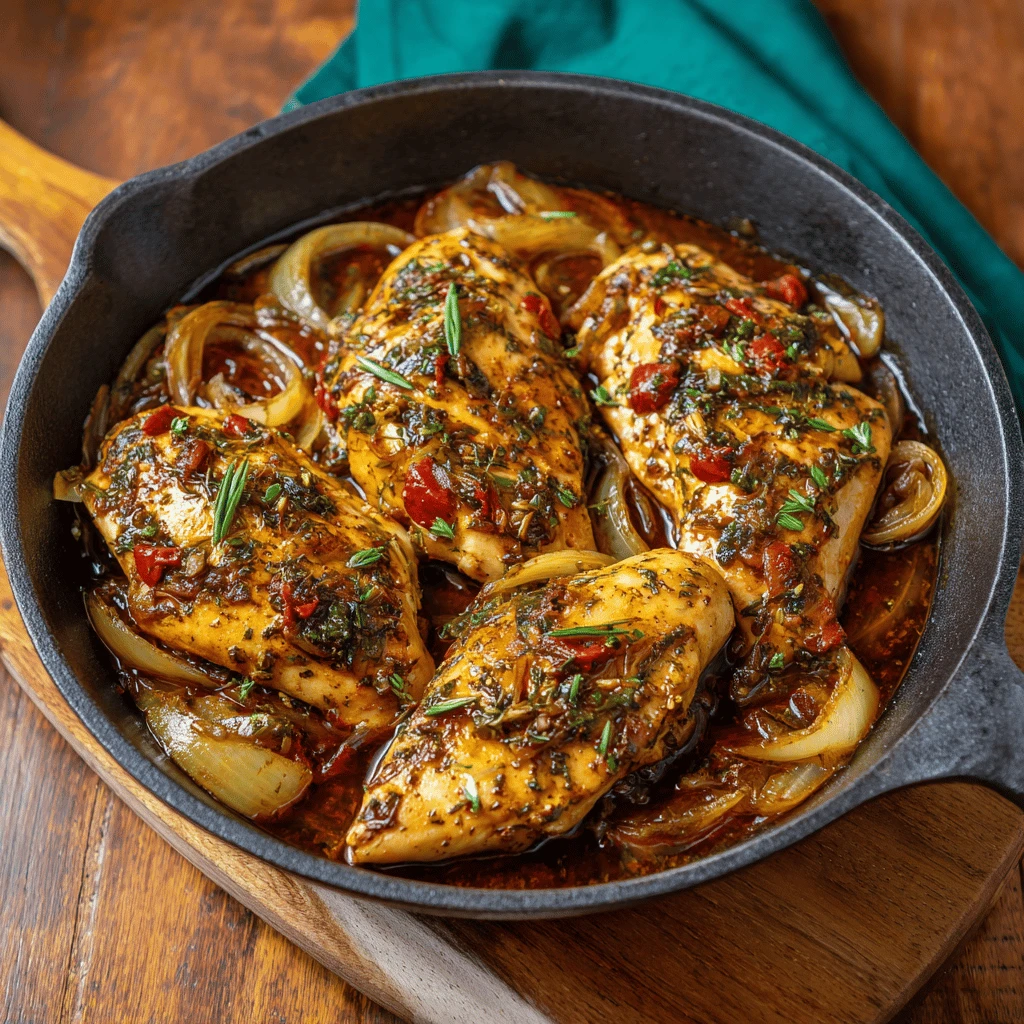
No Oil Slow Cooked Chicken Breast Skillet
Chicken breast is a versatile and healthy protein, but it can sometimes dry out, especially when cooked in a skillet. This recipe offers a solution: slow cooking chicken breast in a skillet without any oil. This method guarantees tender, juicy, and flavorful chicken that you can use in various dishes.
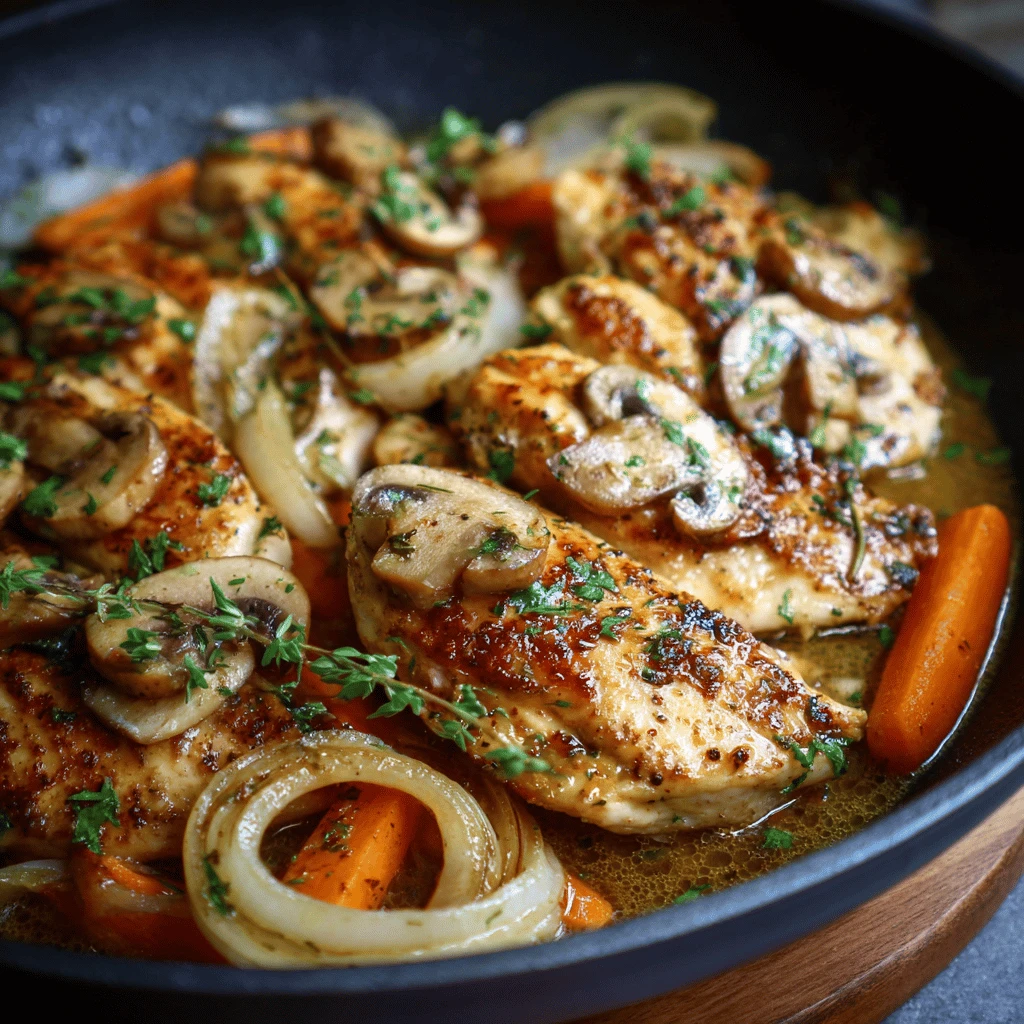
Why Slow Cook Chicken Breast in a Skillet?
Slow cooking in a skillet offers several advantages over traditional methods like baking or frying.
- Moisture Retention: The slow cooking process allows the chicken to cook gently in its own juices, preventing it from drying out. This is crucial for chicken breast, which is naturally lean.
- Even Cooking: The consistent, low heat ensures the chicken cooks evenly throughout, eliminating the risk of overcooked edges and undercooked centers.
- Flavor Infusion: Slow cooking allows the chicken to absorb flavors from the herbs, spices, and other ingredients added to the skillet, resulting in a more flavorful dish.
- Hands-Off Cooking: Once you’ve prepped the ingredients, you can leave the chicken to cook without constant monitoring, freeing you up to do other things.
- No Added Oil: For those watching their fat intake, this method eliminates the need for oil, making it a healthier option.
The Ultimate No Oil Slow Cooked Chicken Breast Skillet Recipe
This recipe uses simple ingredients and techniques to create perfectly cooked chicken breast every time.
Ingredients:
- 4 boneless, skinless chicken breasts
- 1 cup chicken broth (low sodium)
- 1 onion, thinly sliced
- 2 cloves garlic, minced
- 1 teaspoon dried oregano
- 1 teaspoon dried thyme
- 1/2 teaspoon paprika
- Salt and pepper to taste
- Optional: Lemon slices, fresh herbs (parsley, rosemary)
Equipment:
- Large skillet with a tight-fitting lid
Instructions:
1. Prepare the Chicken: Pat the chicken breasts dry with paper towels. Season them generously with salt, pepper, oregano, thyme, and paprika.
2. Layer the Skillet: Spread the sliced onions evenly across the bottom of the skillet. This will prevent the chicken from sticking and add flavor.
3. Add Garlic: Sprinkle the minced garlic over the onions.
4. Place Chicken: Arrange the seasoned chicken breasts on top of the onion and garlic mixture.
5. Pour in Broth: Pour the chicken broth around the chicken breasts. The broth should come about halfway up the sides of the chicken.
6. Bring to a Simmer: Place the skillet over medium heat and bring the broth to a gentle simmer.
7. Reduce Heat and Cover: Reduce the heat to low, cover the skillet with the lid, and let the chicken cook for 30-40 minutes, or until the internal temperature reaches 165°F (74°C). Use a meat thermometer to ensure accuracy.
8. Rest: Once cooked, remove the skillet from the heat and let the chicken rest in the skillet, covered, for 5-10 minutes. This allows the juices to redistribute, resulting in even more tender chicken.
9. Serve: Serve the chicken breast whole, sliced, or shredded. Garnish with lemon slices and fresh herbs, if desired.
Variations and Flavor Enhancements
This recipe is a great base, but you can easily customize it to suit your taste preferences. Here are some ideas:
- Mediterranean: Add chopped sun-dried tomatoes, olives, and feta cheese to the skillet.
- Italian: Use Italian seasoning, add a can of diced tomatoes, and top with mozzarella cheese during the last few minutes of cooking.
- Mexican: Add chili powder, cumin, and a can of diced tomatoes and green chiles. Top with shredded cheddar cheese and sour cream.
- Lemon Herb: Add lemon slices and fresh herbs like rosemary, thyme, and parsley to the skillet.
- Mushroom and Wine: Add sliced mushrooms and a splash of dry white wine to the skillet.
- Spicy: Add a pinch of red pepper flakes or a dash of hot sauce to the skillet.
- Vegetables: Add vegetables like bell peppers, zucchini, or asparagus to the skillet during the last 15-20 minutes of cooking.
- Marinades: Marinate the chicken breasts for at least 30 minutes before cooking to add extra flavor.
Tips for Perfect Chicken Breast:
- Use a Meat Thermometer: The best way to ensure your chicken is cooked perfectly is to use a meat thermometer. Insert it into the thickest part of the breast, avoiding bone.
- Don’t Overcook: Overcooked chicken breast is dry and tough. Cook it just until it reaches 165°F (74°C).
- Don’t Peek: Avoid lifting the lid too often during cooking, as this will release steam and prolong the cooking time.
- Rest the Chicken: Resting the chicken after cooking is crucial for retaining moisture.
- Thin Chicken Breasts: If your chicken breasts are very thick, you can pound them to an even thickness for more consistent cooking.
- Proper Skillet Size: Use a skillet that is large enough to fit the chicken breasts in a single layer without overcrowding.
- Broth Alternatives: You can substitute chicken broth with vegetable broth or even water, although the flavor may be slightly different.
Serving Suggestions and Meal Ideas
Slow-cooked chicken breast is incredibly versatile and can be used in a wide variety of dishes.
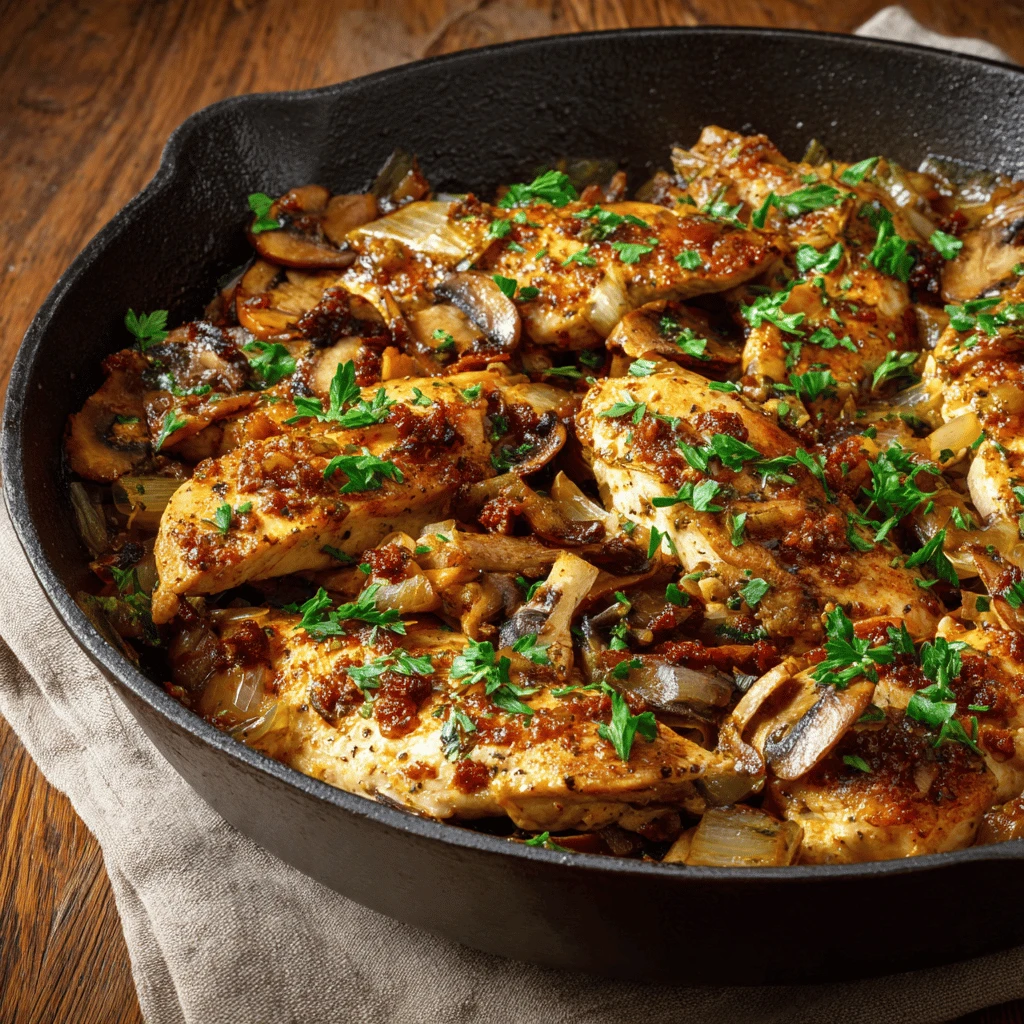
- Salads: Slice or shred the chicken and add it to your favorite salad.
- Sandwiches: Use the chicken as a filling for sandwiches or wraps.
- Pasta Dishes: Add the chicken to pasta sauces or serve it over pasta with a simple pesto sauce.
- Tacos and Burritos: Shred the chicken and use it as a filling for tacos or burritos.
- Rice Bowls: Serve the chicken over rice with your favorite toppings, such as vegetables, beans, and salsa.
- Casseroles: Add the chicken to casseroles for extra protein and flavor.
- Soups: Shred the chicken and add it to soups for a heartier meal.
- Meal Prep: Slow-cooked chicken breast is perfect for meal prepping. Cook a batch on Sunday and use it in various dishes throughout the week.
- Sides: Serve with roasted vegetables, mashed potatoes, quinoa, or a simple green salad.
Frequently Asked Questions (FAQ)
- Can I use frozen chicken breasts? While it’s best to use fresh chicken breasts for optimal results, you can use frozen chicken breasts if you thaw them completely in the refrigerator before cooking. Thawing ensures even cooking and prevents the chicken from being tough.
- How do I know when the chicken is done? The best way to determine if the chicken is cooked through is to use a meat thermometer. Insert the thermometer into the thickest part of the breast, avoiding bone. The internal temperature should reach 165°F (74°C).
- Can I add vegetables to the skillet? Yes, you can add vegetables to the skillet during the last 15-20 minutes of cooking. Some good options include bell peppers, zucchini, onions, and asparagus.
- Can I use different herbs and spices? Absolutely! Feel free to experiment with different herbs and spices to customize the flavor of your chicken. Some good options include garlic powder, onion powder, smoked paprika, and chili powder.
- Can I make this recipe in a slow cooker? Yes, you can adapt this recipe for a slow cooker. Simply place the ingredients in the slow cooker and cook on low for 4-6 hours or on high for 2-3 hours, or until the chicken is cooked through.
- How long will leftovers last? Leftover slow-cooked chicken breast can be stored in the refrigerator for up to 3-4 days.
- Can I freeze cooked chicken breast? Yes, cooked chicken breast can be frozen for up to 2-3 months. Let the chicken cool completely before freezing it in an airtight container or freezer bag.
- Is this recipe suitable for a diet? Yes, this recipe is naturally gluten-free and can be adapted for various dietary needs. Since there is no oil, this makes it a healthier recipe that fits into many diets.