
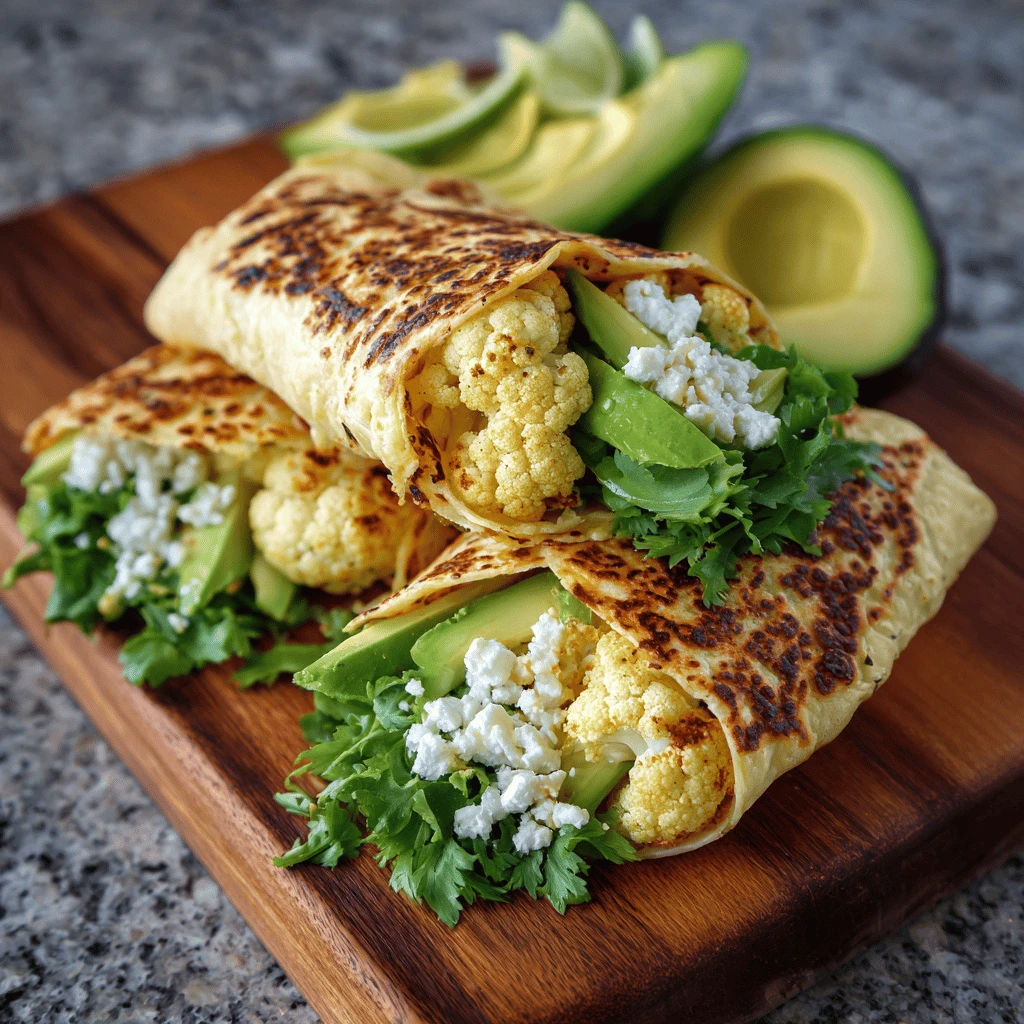
Meal Prep Low Carb Cauliflower Wrap: Delicious & Easy Recipes
Cauliflower wraps are a fantastic low-carb alternative to traditional tortillas, offering a versatile and healthy way to enjoy your favorite fillings. Perfect for meal prepping, they are easy to make, customizable, and packed with nutrients. This guide will walk you through everything you need to know to create delicious and satisfying low-carb cauliflower wraps for your weekly meal prep.
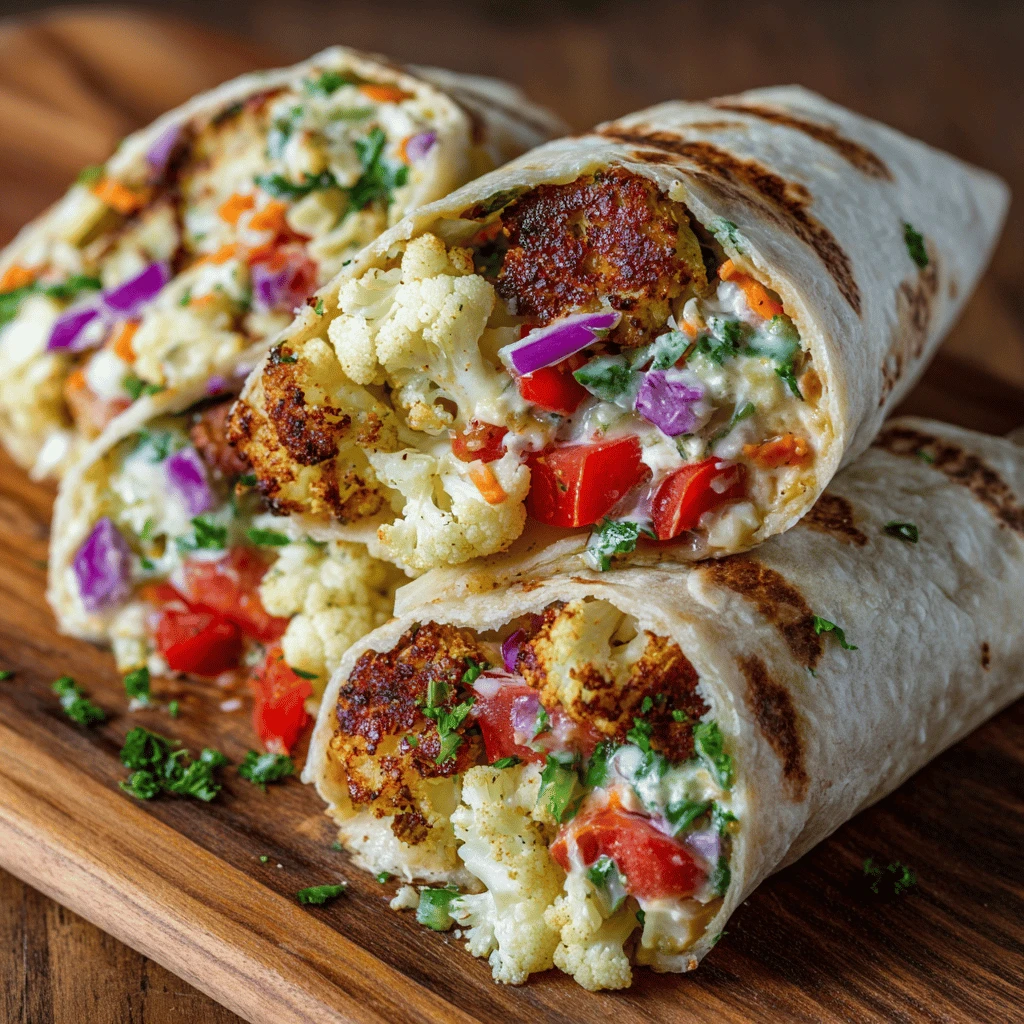
Why Choose Cauliflower Wraps for Low-Carb Meal Prep?
Cauliflower has become a staple in low-carb diets for good reason. It’s incredibly versatile, low in calories and carbohydrates, and rich in vitamins and minerals. Choosing cauliflower wraps offers several advantages:
- Low Carb & Keto-Friendly: Significantly lower in carbohydrates than traditional tortillas, making them ideal for ketogenic and low-carb diets.
- Nutrient-Rich: Cauliflower is a good source of vitamin C, vitamin K, folate, and fiber.
- Gluten-Free: Naturally gluten-free, making them suitable for individuals with gluten sensitivities or celiac disease.
- Versatile: Can be used with a wide variety of fillings, from savory to sweet.
- Easy to Customize: You can add different seasonings and flavors to the cauliflower base to suit your preferences.
- Meal Prep Friendly: They can be prepared in advance and stored in the refrigerator or freezer for easy meal assembly.
Making Your Own Cauliflower Wraps: Step-by-Step Guide
Creating your own cauliflower wraps is surprisingly simple. Here’s a basic recipe to get you started:
Ingredients:
- 1 medium head of cauliflower
- 1 large egg (or flax egg for vegan option)
- 1/4 cup grated parmesan cheese (optional, can substitute with nutritional yeast for vegan)
- Salt and pepper to taste
- Optional seasonings: garlic powder, onion powder, Italian herbs
Instructions:
1. Prepare the Cauliflower: Wash and chop the cauliflower into florets. Steam or boil until tender (about 8-10 minutes). Alternatively, you can microwave the cauliflower with a little water for 5-7 minutes.
2. Process the Cauliflower: Transfer the cooked cauliflower to a food processor or blender. Pulse until it resembles a rice-like consistency.
3. Remove Excess Moisture: Place the processed cauliflower in a clean kitchen towel or cheesecloth. Squeeze out as much excess moisture as possible. This step is crucial to prevent soggy wraps.
4. Combine Ingredients: In a bowl, combine the squeezed cauliflower, egg (or flax egg), parmesan cheese (or nutritional yeast), salt, pepper, and any optional seasonings. Mix well until everything is evenly distributed.
5. Form the Wraps: Preheat your oven to 400°F (200°C). Line a baking sheet with parchment paper or a silicone baking mat.
6. Spread the Mixture: Take a spoonful of the cauliflower mixture and spread it into a thin, round shape on the prepared baking sheet. Aim for a diameter of about 6-8 inches. Repeat to create multiple wraps, leaving space between each one.
7. Bake the Wraps: Bake for 15-20 minutes, or until the edges are golden brown and the wraps are firm.
8. Cool and Use: Let the wraps cool slightly on the baking sheet before carefully removing them. They are now ready to be filled and enjoyed!
Tips for Perfect Cauliflower Wraps:
- Moisture is the Enemy: Ensuring you remove as much moisture as possible from the cauliflower is key to achieving a firm and pliable wrap.
- Don’t Overcrowd the Baking Sheet: Give the wraps enough space to bake evenly and prevent them from sticking together.
- Adjust Seasonings to Your Taste: Experiment with different herbs and spices to create your favorite flavor profiles.
- Use a Silicone Baking Mat: This helps prevent the wraps from sticking and makes cleanup easier.
- For Crispier Wraps: You can broil them for the last minute or two, but watch them closely to prevent burning.
Delicious Low-Carb Filling Ideas
The possibilities are endless when it comes to filling your cauliflower wraps. Here are a few low-carb and keto-friendly ideas to get you started:
- Chicken Caesar Wrap: Grilled chicken, romaine lettuce, parmesan cheese, and sugar-free Caesar dressing.
- Spicy Tuna Wrap: Tuna mixed with mayonnaise, sriracha, celery, and red onion.
- Mediterranean Veggie Wrap: Grilled vegetables (such as zucchini, eggplant, and bell peppers), feta cheese, olives, and a lemon-herb vinaigrette.
- Ground Beef Taco Wrap: Seasoned ground beef, shredded cheddar cheese, lettuce, tomato, and salsa.
- Salmon and Avocado Wrap: Smoked salmon, avocado slices, cream cheese, and dill.
- Breakfast Wrap: Scrambled eggs, sausage or bacon, cheese, and avocado.
- Turkey and Cranberry Wrap: Sliced turkey breast, sugar-free cranberry sauce, cream cheese, and spinach.
- Buffalo Chicken Wrap: Shredded chicken tossed in buffalo sauce, lettuce, and a ranch dressing (made with Greek yogurt for extra protein).
- Shrimp Scampi Wrap: Sautéed shrimp with garlic, butter, white wine (or chicken broth), parsley, and a squeeze of lemon.
- Philly Cheesesteak Wrap: Thinly sliced steak, sautéed onions and peppers, and provolone cheese.
Remember to consider your dietary needs and preferences when choosing your fillings. You can also adjust the portion sizes to fit your calorie goals.
Meal Prep and Storage Tips
Cauliflower wraps are ideal for meal prepping because they can be made in advance and stored for later use. Here are some tips for successful meal prep and storage:
- Bake a Large Batch: Make a double or triple batch of cauliflower wraps to have enough for the entire week.
- Cool Completely: Allow the wraps to cool completely before storing them to prevent condensation and sogginess.
- Store Properly: Store the wraps in an airtight container in the refrigerator for up to 3-5 days. To prevent them from sticking together, you can place a piece of parchment paper between each wrap.
- Freezing: Cauliflower wraps can also be frozen for longer storage. Wrap each wrap individually in plastic wrap or freezer paper, then place them in a freezer-safe bag or container. They can be stored in the freezer for up to 2-3 months.
- Reheating: To reheat refrigerated wraps, you can microwave them for a few seconds until they are pliable. For frozen wraps, thaw them in the refrigerator overnight before reheating. You can also warm them in a dry skillet or toaster oven for a few minutes.
- Pre-Portion Fillings: Prepare your fillings in advance and store them in separate containers. This makes it easy to assemble your wraps quickly when you’re ready to eat.
- Assemble Just Before Eating: For the best texture, assemble your wraps just before eating. If you assemble them too far in advance, the filling can make the wraps soggy.
By following these meal prep and storage tips, you can enjoy delicious and healthy cauliflower wraps all week long.
Troubleshooting Common Issues
While making cauliflower wraps is generally straightforward, here are some common issues and how to address them:
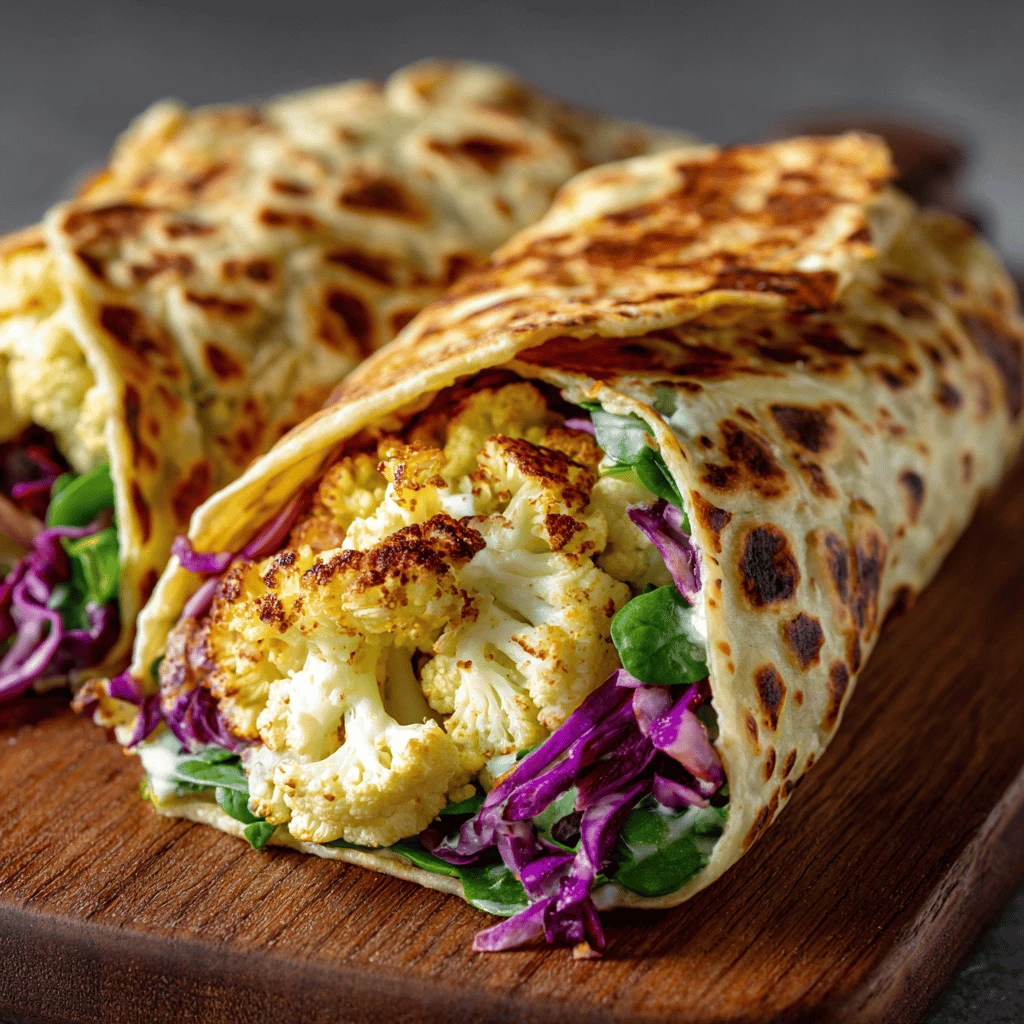
- Wraps are too soggy: This is usually due to excess moisture in the cauliflower. Make sure to squeeze out as much moisture as possible after processing the cauliflower. You can also try adding a tablespoon of almond flour or coconut flour to the mixture to absorb excess moisture.
- Wraps are falling apart: This can happen if the wraps are not cooked long enough or if the mixture is not binding together properly. Ensure that the wraps are baked until they are firm and golden brown. Adding more egg or cheese can help bind the mixture together.
- Wraps are sticking to the baking sheet: Use parchment paper or a silicone baking mat to prevent the wraps from sticking. You can also lightly grease the baking sheet with coconut oil or cooking spray.
- Wraps are too bland: Adjust the seasonings to your taste. Add more salt, pepper, garlic powder, onion powder, or any other herbs and spices you enjoy.
- Wraps are burning: Reduce the oven temperature or shorten the baking time. You can also place a sheet of aluminum foil over the wraps during the last few minutes of baking to prevent them from burning.
- Wraps are not pliable enough: Make sure you aren’t baking them until overly crispy. Some wraps may be stiffer than a typical tortilla, but they should still be able to fold. If needed, after reheating, steam them slightly to improve flexibility.
FAQ Section
Q: Are cauliflower wraps really low carb?
A: Yes, cauliflower wraps are significantly lower in carbohydrates than traditional wheat tortillas. A typical cauliflower wrap contains only a few grams of net carbs, making them a great option for low-carb and ketogenic diets.
Q: Can I make cauliflower wraps without cheese?
A: Yes, you can easily make cauliflower wraps without cheese. Simply omit the parmesan cheese from the recipe and substitute with nutritional yeast for a cheesy flavor, or skip it altogether.
Q: How long do cauliflower wraps last in the fridge?
A: Cauliflower wraps can be stored in an airtight container in the refrigerator for up to 3-5 days.
Q: Can I freeze cauliflower wraps?
A: Yes, you can freeze cauliflower wraps for longer storage. Wrap each wrap individually in plastic wrap or freezer paper, then place them in a freezer-safe bag or container. They can be stored in the freezer for up to 2-3 months.
Q: How do I reheat cauliflower wraps?
A: You can reheat refrigerated wraps in the microwave for a few seconds until they are pliable. For frozen wraps, thaw them in the refrigerator overnight before reheating. You can also warm them in a dry skillet or toaster oven for a few minutes.
Q: What can I fill cauliflower wraps with?
A: You can fill cauliflower wraps with a wide variety of fillings, such as grilled chicken, tuna salad, vegetables, ground beef, salmon, eggs, or any of your favorite wrap fillings.
Q: Are cauliflower wraps gluten-free?
A: Yes, cauliflower wraps are naturally gluten-free, making them suitable for individuals with gluten sensitivities or celiac disease.
Q: How do I prevent cauliflower wraps from being soggy?
A: To prevent cauliflower wraps from being soggy, it is crucial to remove as much excess moisture as possible from the cauliflower after processing it. Squeeze the cauliflower using a clean kitchen towel or cheesecloth.