
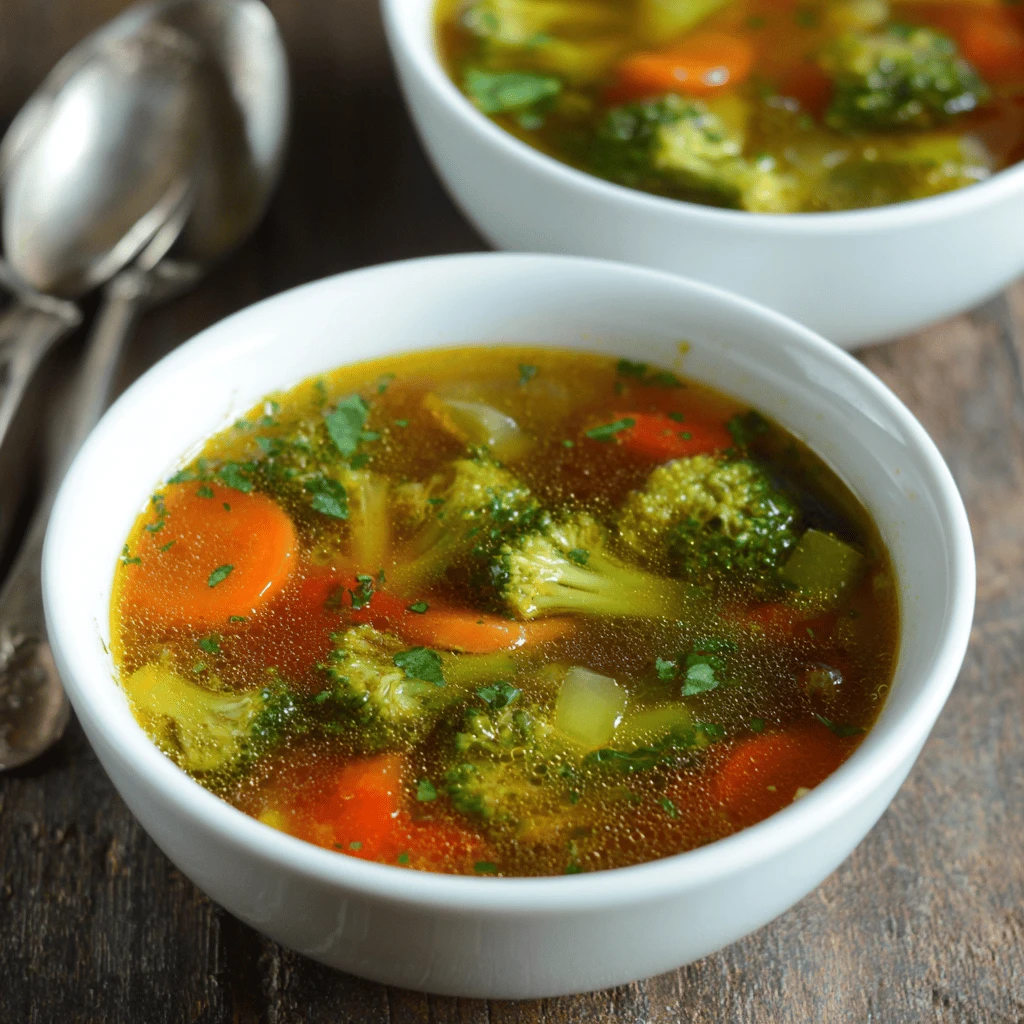
Low Carb Vegetable Soup: A Delicious and Healthy Recipe
Soup is the ultimate comfort food, and when you’re watching your carbohydrate intake, it doesn’t mean you have to miss out. This low carb vegetable soup is packed with flavor, nutrients, and satisfying textures, all while keeping the carb count manageable. Perfect for a chilly evening or a light lunch, this recipe will become a staple in your healthy eating plan.

Why Choose Low Carb Vegetable Soup?
Choosing a low-carbohydrate option like this vegetable soup offers numerous health benefits. It’s naturally lower in sugars and starches than traditional soups that rely on potatoes, pasta, or rice for thickening. This makes it an excellent choice for people managing their blood sugar levels or simply looking to reduce their carb intake.
Health Benefits Galore:
- Weight Management: By reducing carb intake, you can potentially promote fat loss and maintain a healthy weight.
- Blood Sugar Control: Lower carb diets can help stabilize blood sugar levels, which is crucial for individuals with diabetes or insulin resistance.
- Nutrient-Rich: This soup is brimming with vitamins, minerals, and antioxidants from a variety of vegetables.
- Heart Health: Many vegetables included in this soup, such as broccoli and spinach, are known to support cardiovascular health.
- Digestive Health: The fiber content in vegetables promotes healthy digestion and gut function.
Crafting the Perfect Low Carb Vegetable Soup
The key to a delicious low carb vegetable soup is choosing the right combination of ingredients and focusing on flavor. Here’s a step-by-step guide to creating a soup that’s both satisfying and healthy.
Essential Ingredients:
-
- Base: Opt for a flavorful broth. Chicken, beef, or vegetable broth all work well. Bone broth is an excellent choice for added protein and collagen.
- Low Carb Vegetables: Focus on non-starchy vegetables like:
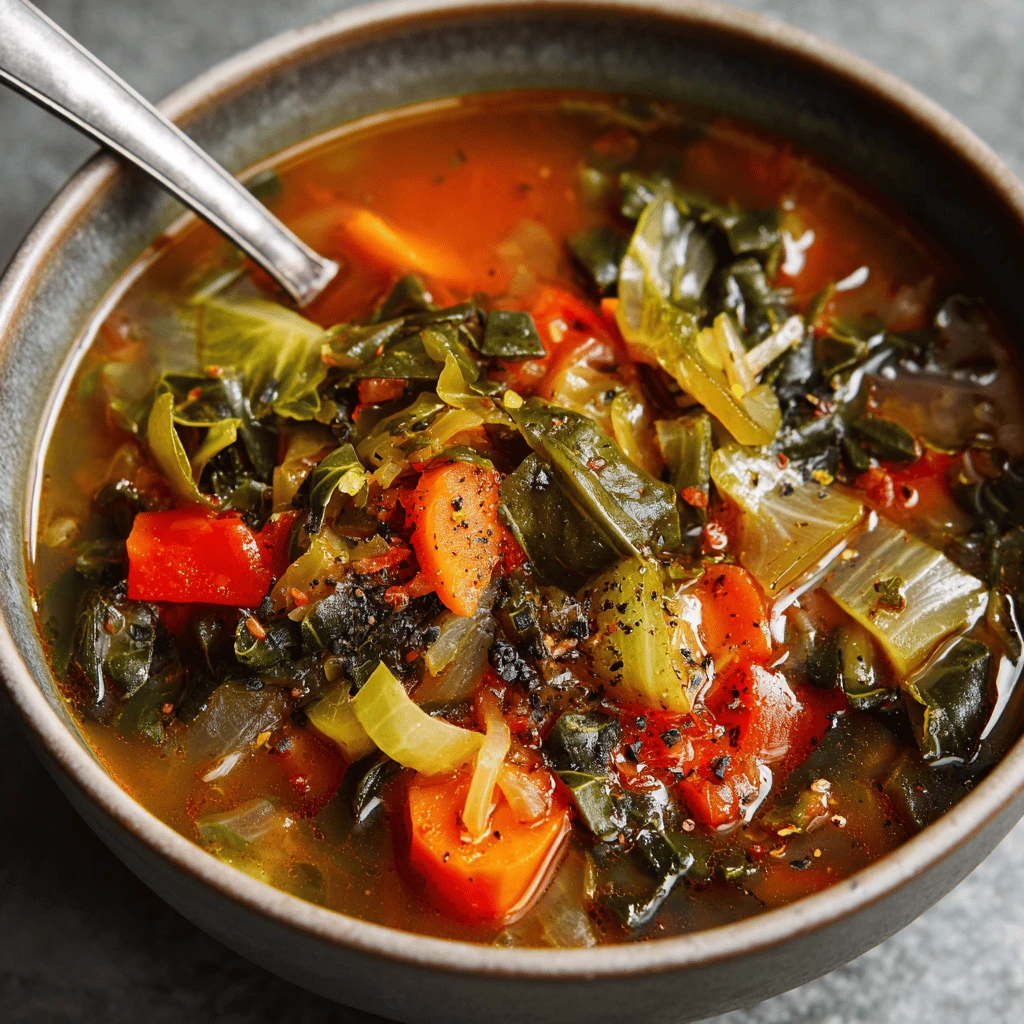
Leafy Greens: Spinach, kale, and chard add nutrients and bulk.
Cruciferous Vegetables: Broccoli, cauliflower, and cabbage offer a satisfying crunch and are packed with vitamins.
Other Vegetables: Bell peppers, zucchini, celery, onions, mushrooms, and green beans add depth of flavor and texture.
- Fats: A little healthy fat adds richness and satiety. Olive oil, avocado oil, or coconut oil are all great options for sauteing vegetables.
- Protein (Optional): Adding a source of protein can make the soup more filling. Cooked chicken, ground beef, sausage, or tofu can be easily incorporated.
- Herbs and Spices: Don’t be afraid to experiment with different herbs and spices to enhance the flavor. Garlic, onion powder, oregano, thyme, bay leaf, and red pepper flakes are all excellent choices.
Step-by-Step Instructions:
1. Sauté Aromatics: Heat olive oil in a large pot or Dutch oven over medium heat. Add chopped onions and garlic and cook until softened, about 5-7 minutes.
2. Add Vegetables: Add your chosen low carb vegetables to the pot. Start with the harder vegetables like broccoli and cauliflower, and then add softer vegetables like zucchini and bell peppers later. Cook for about 5-10 minutes, stirring occasionally, until the vegetables begin to soften slightly.
3. Add Broth and Seasonings: Pour in the broth of your choice and add your favorite herbs and spices. Bring the soup to a boil, then reduce heat and simmer for at least 15-20 minutes, or until the vegetables are tender.
4. Add Protein (Optional): If using, add your chosen protein to the soup during the last 10-15 minutes of cooking time to allow it to heat through.
5. Adjust Seasoning: Taste the soup and adjust seasoning as needed. Add more salt, pepper, herbs, or spices to your liking.
6. Serve: Ladle the soup into bowls and garnish with fresh herbs like parsley or chives. A dollop of sour cream or a sprinkle of shredded cheese is also a delicious addition.
Tips for Maximizing Flavor:
- Roast Vegetables: Roasting some of the vegetables before adding them to the soup can intensify their flavor.
- Use Bone Broth: Bone broth adds a depth of flavor and nutrients that you won’t find in regular broth.
- Add Acid: A splash of lemon juice or apple cider vinegar at the end of cooking can brighten the flavors of the soup.
- Don’t Overcook: Overcooked vegetables can become mushy. Cook them until they are tender-crisp.
- Spice it Up: A pinch of red pepper flakes or a dash of hot sauce can add a welcome kick.
Variations and Customizations
One of the best things about vegetable soup is its versatility. You can easily customize it to suit your preferences and dietary needs.
Vegetable Swaps:
- Spinach for Kale: If you’re not a fan of kale, spinach is a milder alternative.
- Cauliflower Rice for Rice: For added texture, consider using cauliflower rice.
- Radishes for Potatoes: Roasted radishes can mimic the taste and texture of potatoes.
- Celeriac: This root vegetable provides a potato-like flavor without the carbs.
Flavor Enhancements:
- Lemon and Herbs: A squeeze of fresh lemon juice and a handful of chopped herbs like parsley, dill, or thyme can brighten the flavor of the soup.
- Spicy Kick: Add a pinch of red pepper flakes or a dash of hot sauce for a spicy kick.
- Smoked Paprika: A teaspoon of smoked paprika can add a smoky flavor.
- Coconut Milk: A can of coconut milk adds creaminess and a subtle sweetness.
Dietary Considerations:
- Vegan/Vegetarian: Use vegetable broth and omit any animal-based protein.
- Dairy-Free: Omit any dairy-based toppings or additions.
- Paleo: Ensure all ingredients are compliant with the paleo diet.
Serving and Storage
Low carb vegetable soup is a versatile dish that can be enjoyed in many ways. It can be served as a light lunch, a hearty dinner, or a satisfying snack.
Serving Suggestions:
- As a Starter: Serve a small bowl of soup as a starter to a larger meal.
- With a Salad: Pair the soup with a fresh salad for a complete and healthy meal.
- With a Side of Protein: Add a grilled chicken breast or a piece of fish for extra protein.
Storage Instructions:
- Refrigerate: Store leftover soup in an airtight container in the refrigerator for up to 3-4 days.
- Freeze: For longer storage, freeze the soup in freezer-safe containers for up to 2-3 months. Thaw overnight in the refrigerator before reheating.
Reheating Tips:
- Stovetop: Reheat the soup on the stovetop over medium heat until heated through.
- Microwave: Reheat the soup in the microwave in a microwave-safe bowl, stirring occasionally.
Frequently Asked Questions (FAQ)
Here are some common questions about low carb vegetable soup:
Is vegetable soup keto friendly?
Yes, if you choose the right vegetables and avoid high-carb ingredients like potatoes, corn, and peas, vegetable soup can be very keto-friendly. This recipe focuses on low-carb vegetables.
What can I use to thicken low carb soup?
Instead of flour or cornstarch, try using xanthan gum, cream cheese, or pureed cauliflower to thicken your soup.
What are the best low carb vegetables?
The best low-carb vegetables for soup include leafy greens (spinach, kale), cruciferous vegetables (broccoli, cauliflower), zucchini, bell peppers, celery, onions, and mushrooms.
How many carbs are in low carb vegetable soup?
The carb count will vary depending on the specific vegetables you use and the portion size. However, a typical serving of this soup should contain around 5-10 net carbohydrates. Always check your specific ingredients to get the most accurate count.
Can I add meat to low carb vegetable soup?
Absolutely! Adding cooked chicken, ground beef, sausage, or tofu can increase the protein content and make the soup more filling. Just be sure to track any carb increases associated with any prepared meat additions.