
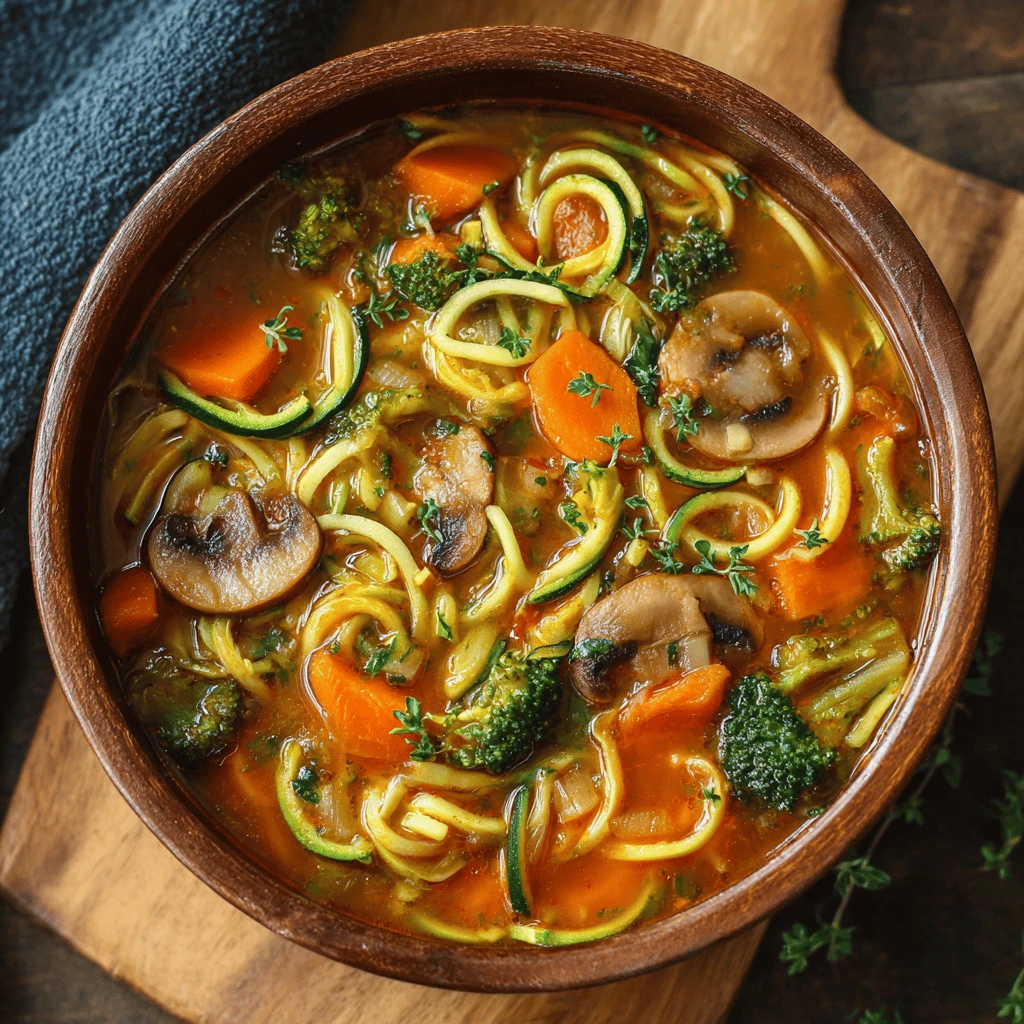
Low Carb Vegetable Noodle Soup: Comfort Food Without the Carbs
Vegetable noodle soup is a classic comfort food, perfect for a chilly evening or when you’re feeling under the weather. But traditional noodle soups are often high in carbohydrates, which can be a concern for those following a low-carb lifestyle. The good news? You can absolutely enjoy a delicious and satisfying low-carb vegetable noodle soup by making a few simple swaps. This guide will walk you through everything you need to know to create a flavorful and healthy version that fits your dietary needs.
Understanding Low-Carb Noodles
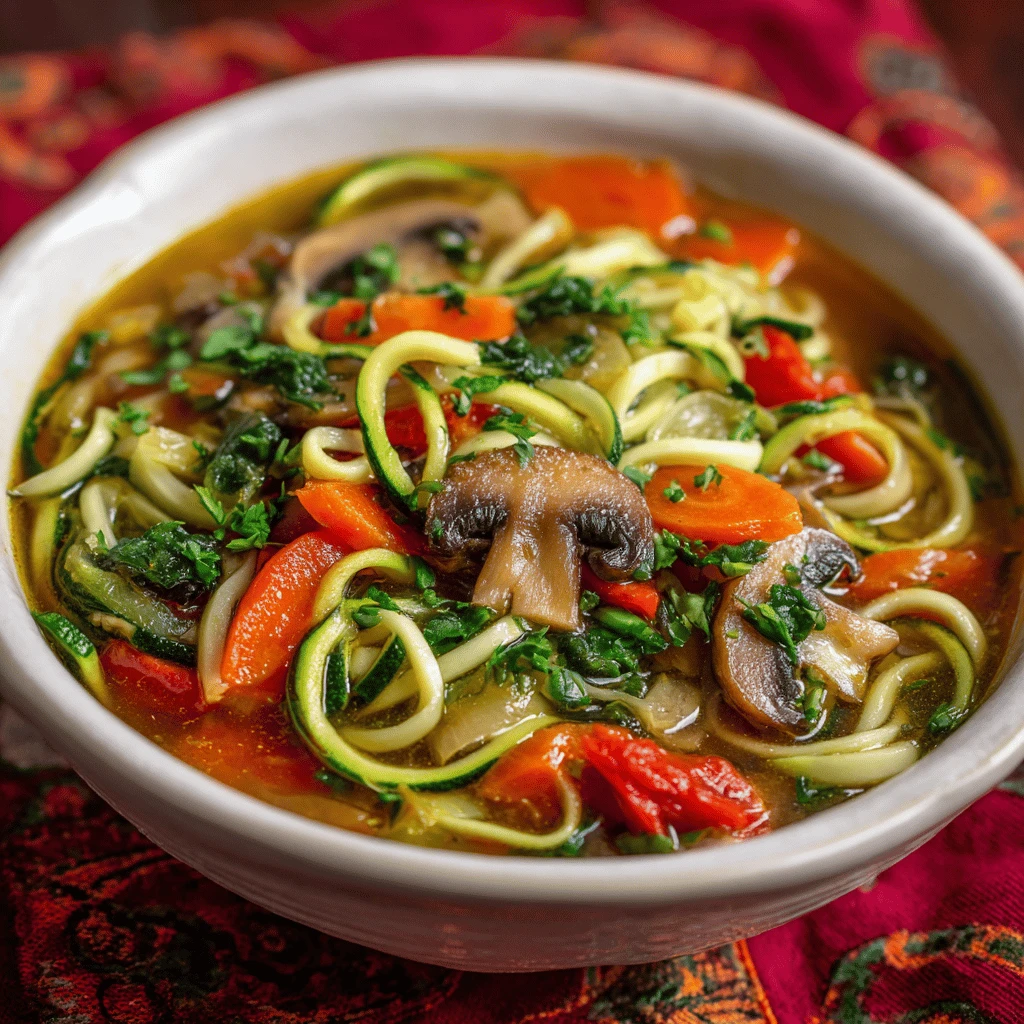
The key to a low-carb noodle soup is, of course, the noodles. Traditional wheat-based noodles are high in carbohydrates. Thankfully, several excellent low-carb alternatives are readily available:
- Zucchini Noodles (Zoodles): These are a fantastic option, made by spiralizing zucchini into noodle shapes. They’re readily available pre-made in many grocery stores, or you can easily make your own with a spiralizer or vegetable peeler. Zucchini noodles are low in calories and carbs and add a mild, slightly sweet flavor to the soup.
- Shirataki Noodles: Made from konjac root, shirataki noodles are incredibly low in calories and virtually carb-free. They come in various shapes, including spaghetti, fettuccine, and angel hair. Be sure to rinse and drain them thoroughly before adding them to your soup, as they have a distinct aroma when first opened. Pan-frying them before adding to the soup can also improve their texture.
- Cabbage Noodles: Thinly sliced cabbage can mimic the texture of noodles in soup. Green cabbage works well and is a budget-friendly option.
- Spaghetti Squash: When cooked, spaghetti squash naturally separates into strands that resemble spaghetti. While slightly higher in carbs than shirataki or zucchini, it’s still a lower-carb alternative to wheat noodles and adds a subtle sweetness.
- Kelp Noodles: These noodles are made from seaweed and are another very low-carb option. They have a slightly crunchy texture and absorb the flavors of the broth well.
When choosing your noodles, consider your personal preferences and the overall flavor profile you’re aiming for. Zucchini noodles are a good all-around choice, while shirataki noodles offer the lowest carb count.
Building a Flavorful Low-Carb Broth
A flavorful broth is the foundation of any great soup. Here’s how to create a rich and satisfying low-carb broth:
- Start with a Good Base: Chicken broth or vegetable broth are excellent starting points. Choose a low-sodium option to control the salt content. You can also make your own broth from scratch using chicken bones or vegetable scraps for a deeper flavor.
- Aromatics are Key: Sautéing aromatics like onions, garlic, celery, and carrots in a little olive oil or avocado oil before adding the broth is crucial. These ingredients release their flavors and create a more complex and layered taste.
- Herbs and Spices: Don’t be afraid to experiment with herbs and spices. Bay leaves, thyme, rosemary, oregano, and parsley are all great additions to vegetable noodle soup. For a little heat, add a pinch of red pepper flakes or a dash of hot sauce.
- Umami Boosters: Consider adding umami-rich ingredients like mushrooms, sun-dried tomatoes, or a splash of soy sauce or coconut aminos to deepen the flavor of the broth. A small amount of tomato paste can also add richness.
- Simmer for Flavor: Allow the broth to simmer for at least 30 minutes to allow the flavors to meld together. The longer it simmers, the more flavorful it will become.
Choosing Low-Carb Vegetables
The beauty of vegetable soup is its versatility. You can use a wide variety of low-carb vegetables to create a nutritious and flavorful dish. Here are some excellent options:
- Leafy Greens: Spinach, kale, and Swiss chard are packed with nutrients and add a vibrant green color to the soup. They cook quickly, so add them towards the end of the cooking time.
- Cruciferous Vegetables: Broccoli, cauliflower, and Brussels sprouts are hearty and add a satisfying texture. Cut them into bite-sized pieces for easy eating.
- Root Vegetables (in moderation): While root vegetables like carrots and turnips are higher in carbs than leafy greens, they can still be included in moderation for added flavor and nutrients.
- Mushrooms: Mushrooms add an earthy flavor and meaty texture to the soup. Cremini, shiitake, and oyster mushrooms are all good choices.
- Onions and Garlic: These are essential aromatics that form the base of the soup’s flavor.
- Bell Peppers: Bell peppers add a touch of sweetness and color to the soup.
- Celery: Celery provides a refreshing crunch and subtle flavor.
- Green Beans: These add a crisp texture and fresh flavor.
Avoid starchy vegetables like potatoes, corn, and peas, as they are high in carbohydrates. When choosing your vegetables, consider their flavor profiles and textures to create a well-balanced soup.
Tips for Perfecting Your Low-Carb Vegetable Noodle Soup
- Don’t Overcook the Noodles: Low-carb noodles, especially zucchini noodles and shirataki noodles, can become mushy if overcooked. Add them to the soup towards the end of the cooking time and cook just until they are tender.
- Season Generously: Taste the soup frequently and adjust the seasoning as needed. Salt, pepper, and herbs are essential for bringing out the flavors of the vegetables and broth.
- Add Protein (Optional): If you want to make your soup more substantial, consider adding a source of protein. Cooked chicken, shredded turkey, or tofu are all good options.
- Adjust the Consistency: If you prefer a thicker soup, you can add a small amount of xanthan gum to thicken it. Start with a small amount (1/4 teaspoon) and whisk it in thoroughly to avoid clumping.
- Get Creative with Flavors: Don’t be afraid to experiment with different flavor combinations. Try adding a squeeze of lemon juice for brightness, a dollop of coconut milk for creaminess, or a sprinkle of chili flakes for heat.
- Storage and Reheating: Low-carb vegetable noodle soup can be stored in the refrigerator for up to 3 days. Reheat it gently on the stovetop or in the microwave. Be aware that the noodles may become softer upon reheating.
Sample Recipe: Low-Carb Zucchini Noodle Soup
This recipe provides a simple and delicious template for creating your own low-carb vegetable noodle soup. Feel free to customize it with your favorite vegetables and seasonings.
Ingredients:
- 2 tablespoons olive oil
- 1 medium onion, chopped
- 2 cloves garlic, minced
- 2 carrots, chopped
- 2 celery stalks, chopped
- 8 cups chicken broth (low sodium)
- 1 teaspoon dried thyme
- 1/2 teaspoon dried rosemary
- 1 bay leaf
- 1 cup chopped broccoli florets
- 1 cup chopped cauliflower florets
- 1 cup sliced mushrooms
- 2 zucchini, spiralized into noodles
- 1 cup chopped spinach
- Salt and pepper to taste
- Optional: Cooked shredded chicken or tofu for protein
Instructions:
1. Heat the olive oil in a large pot or Dutch oven over medium heat. Add the onion, garlic, carrots, and celery and cook until softened, about 5-7 minutes.
2. Add the chicken broth, thyme, rosemary, and bay leaf to the pot. Bring to a boil, then reduce heat and simmer for 15 minutes.
3. Add the broccoli, cauliflower, and mushrooms to the pot. Simmer for another 10 minutes, or until the vegetables are tender-crisp.
4. Stir in the zucchini noodles and spinach. Cook for 2-3 minutes, or until the zucchini noodles are tender and the spinach is wilted.
5. Season with salt and pepper to taste.
6. If desired, add cooked shredded chicken or tofu for protein.
7. Remove the bay leaf before serving.
8. Serve hot and enjoy!
FAQ: Common Questions About Low-Carb Vegetable Noodle Soup
-
- Is vegetable soup keto-friendly?
Yes, vegetable soup can be keto-friendly as long as you choose low-carb vegetables and avoid starchy ingredients like potatoes, corn, and peas.
-
- What can I use instead of noodles in soup?
Excellent low-carb noodle substitutes include zucchini noodles (zoodles), shirataki noodles, cabbage noodles, spaghetti squash, and kelp noodles.
-
- How do you thicken low-carb soup?
You can thicken low-carb soup with a small amount of xanthan gum, cream cheese, or by pureeing some of the vegetables.
-
- What vegetables are not good for keto?
Avoid starchy vegetables like potatoes, corn, peas, beans, and sweet potatoes on a keto diet.
-
- How many carbs are in vegetable noodle soup?
The carb count of vegetable noodle soup varies depending on the ingredients used. By using low-carb noodles and vegetables, you can significantly reduce the carb content compared to traditional recipes. A typical serving of low-carb vegetable noodle soup might contain 5-10 grams of net carbs.