
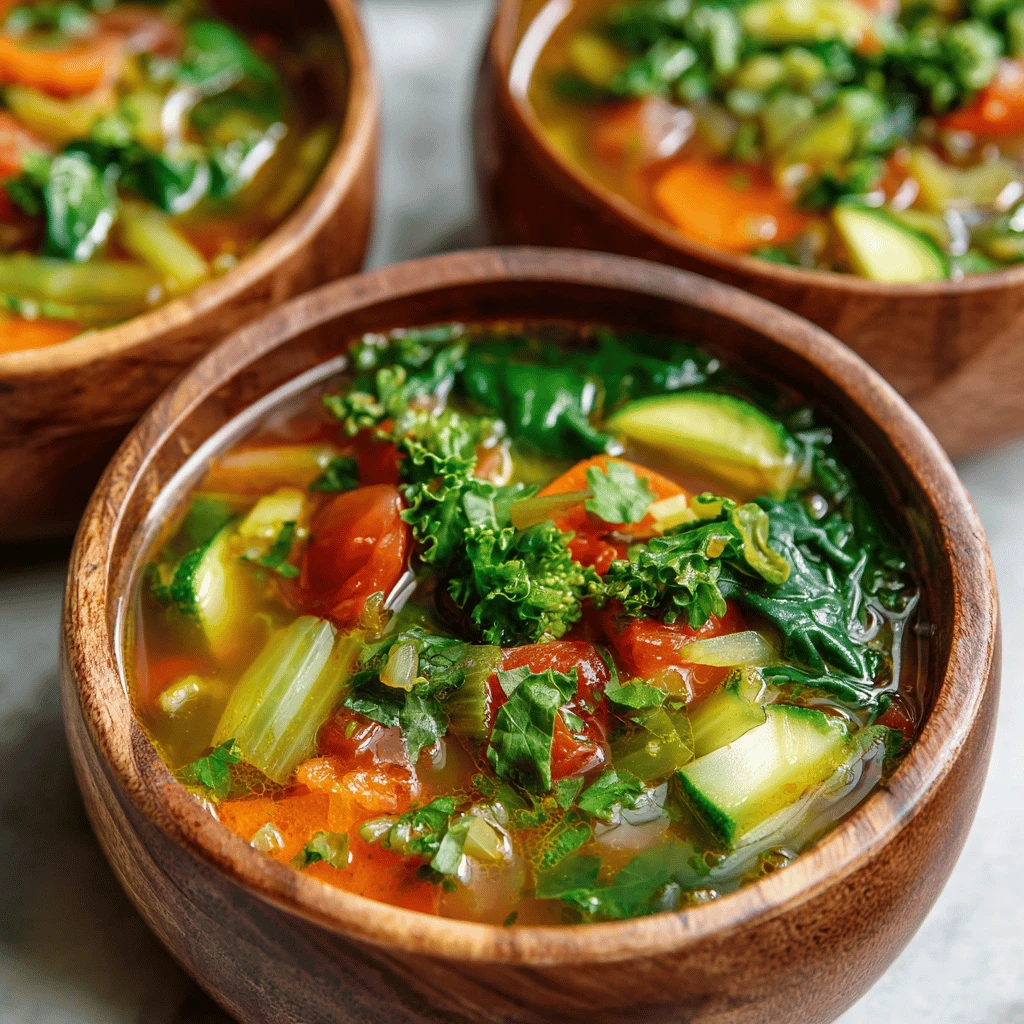
Low Carb Vegetable Meal Prep Soup
Soup: it’s the ultimate comfort food, a nutritional powerhouse, and a meal prepper’s dream come true. But if you’re watching your carbs, traditional soups loaded with starchy vegetables or pasta can quickly derail your efforts. Fear not! This guide will walk you through creating delicious, low-carb vegetable meal prep soups that are both satisfying and supportive of your health goals.
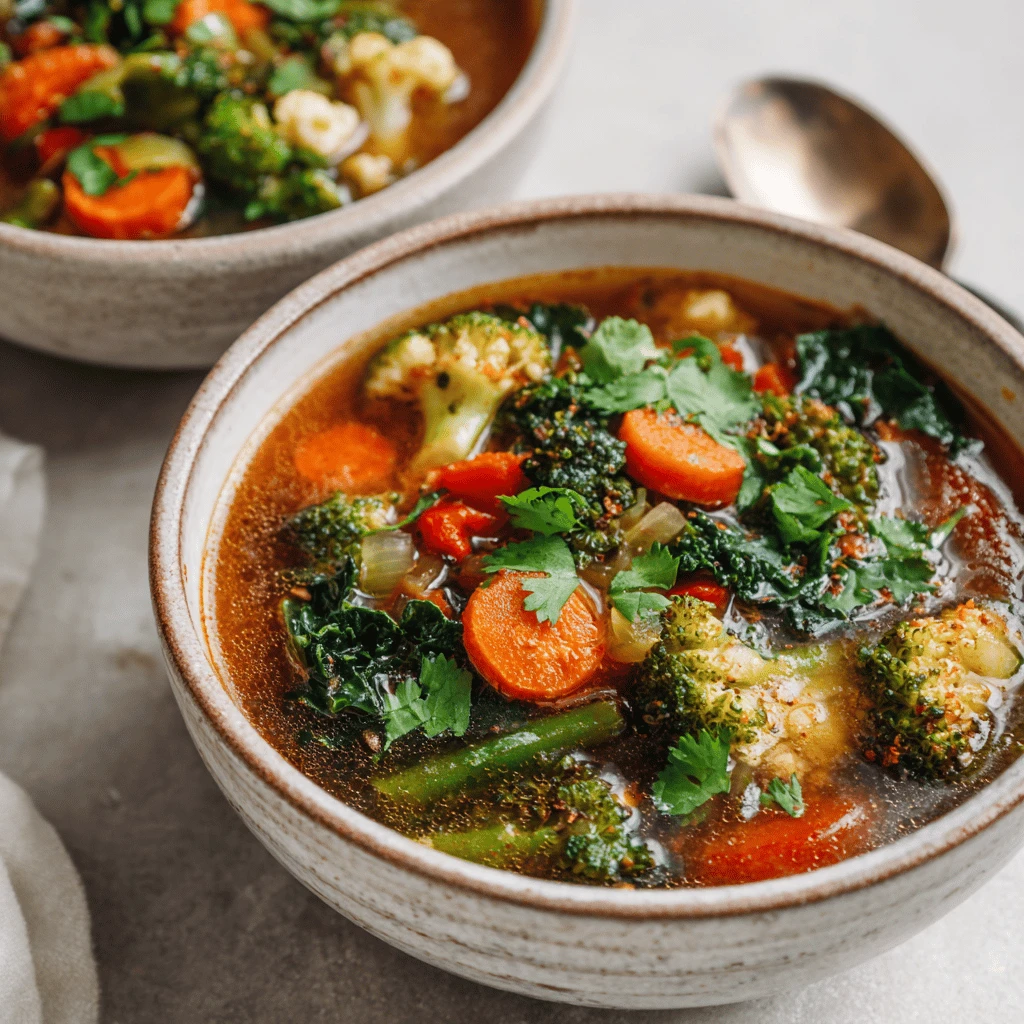
Understanding Low Carb Soup & Vegetable Choices
Before diving into recipes, let’s clarify what makes a soup “low carb.” It’s primarily about minimizing starchy vegetables like potatoes, corn, peas, and large amounts of carrots. Instead, we focus on non-starchy heroes packed with vitamins, minerals, and fiber.
Best Low-Carb Vegetable Options:
- Leafy Greens: Spinach, kale, collard greens, and chard add bulk and nutrients with minimal carbs.
- Cruciferous Vegetables: Broccoli, cauliflower, cabbage, Brussels sprouts offer great texture and are incredibly versatile.
- Other Favorites: Zucchini, bell peppers, mushrooms, celery, onions, garlic, and tomatoes (in moderation) are excellent additions.
Balancing Flavor and Nutrition:
Don’t be afraid to experiment! Combining different vegetables creates complex flavors. For instance, a base of celery, onion, and garlic (mirepoix) forms a classic aromatic foundation. Adding herbs, spices, and even a splash of vinegar or lemon juice can further enhance the taste profile without adding carbohydrates.
Delicious Low-Carb Vegetable Soup Recipes for Meal Prep
Here are three variations to get you started, all easily adaptable to your preferences and available ingredients:
1. Creamy Cauliflower Soup:
This soup gets its creamy texture from pureed cauliflower instead of flour or potatoes.
- Ingredients: 1 head cauliflower (chopped), 1 onion (diced), 2 cloves garlic (minced), 4 cups vegetable broth, 1/2 cup heavy cream (optional, for extra richness), salt, pepper, nutmeg (pinch), olive oil.
- Instructions: Sauté onion and garlic in olive oil until softened. Add cauliflower and vegetable broth. Bring to a boil, then reduce heat and simmer until cauliflower is tender (about 20 minutes). Use an immersion blender or transfer to a regular blender to puree until smooth. Stir in heavy cream (if using), salt, pepper, and nutmeg.
2. Zucchini and Spinach Soup:
A light and refreshing option, perfect for warmer weather.
- Ingredients: 2 zucchini (chopped), 5 oz spinach, 1 onion (diced), 2 cloves garlic (minced), 4 cups chicken or vegetable broth, 1/4 cup chopped fresh parsley, salt, pepper, olive oil.
- Instructions: Sauté onion and garlic in olive oil until softened. Add zucchini and cook for a few minutes. Add broth and bring to a boil. Reduce heat and simmer until zucchini is tender (about 10 minutes). Stir in spinach and parsley until wilted. Season with salt and pepper.
3. Broccoli and Cheddar Soup (Low Carb Version):
A comforting classic made healthier.
- Ingredients: 1 head broccoli (chopped), 1 onion (diced), 2 cloves garlic (minced), 4 cups chicken or vegetable broth, 1 cup shredded cheddar cheese, salt, pepper, olive oil.
- Instructions: Sauté onion and garlic in olive oil until softened. Add broccoli and broth. Bring to a boil, then reduce heat and simmer until broccoli is tender (about 15 minutes). Stir in cheddar cheese until melted. Season with salt and pepper. Be careful not to boil after adding the cheese as it can curdle.
Tips for Recipe Customization:
- Protein Boost: Add cooked chicken, sausage, or shrimp to your soup for a more complete meal.
- Spice it Up: A dash of chili flakes, cayenne pepper, or hot sauce can add a pleasant kick.
- Herbal Infusion: Fresh herbs like thyme, rosemary, or oregano can elevate the flavor profile.
- Bone Broth: Replace some or all of the broth with bone broth for added collagen and nutrients.
Meal Prep Strategies and Storage Tips
The beauty of soup is its meal prep versatility. Here’s how to make the most of it:
Batch Cooking: Make a large batch of soup on the weekend and divide it into individual portions for the week.
Proper Storage: Allow the soup to cool completely before transferring it to airtight containers. Store in the refrigerator for up to 4 days or freeze for up to 3 months.
Freezing Tips:
- Use freezer-safe containers or bags.
- Leave some headspace in the containers as the soup will expand when frozen.
- Label each container with the date and type of soup.
- Consider freezing individual portions for easy thawing and reheating.
Reheating Methods:
- Stovetop: Reheat gently over medium heat, stirring occasionally.
- Microwave: Reheat in a microwave-safe bowl, stirring every minute.
- Slow Cooker: Reheat on low for a few hours.
Maintaining Quality: Soup can sometimes become thicker after refrigeration. Add a little broth or water to reach your desired consistency when reheating.
Soup as Part of a Low-Carb Lifestyle
Integrating low-carb vegetable soup into your diet is a fantastic way to manage carbohydrates, increase vegetable intake, and support weight management goals.
Benefits of Low-Carb Soups:
- Hydration: Soup is an excellent way to stay hydrated.
- Fiber: The high fiber content of vegetables promotes satiety and aids digestion.
- Nutrient Density: Soups are packed with vitamins, minerals, and antioxidants.
- Weight Management: The combination of fiber, protein (if added), and hydration can help you feel full and satisfied, reducing overall calorie intake.
- Versatility: You can easily customize soups to suit your taste and dietary needs.
Pairing Soups for Balanced Meals:
While soup can be a meal on its own, you can also pair it with other low-carb foods for a more balanced meal.
- Salad: A side salad with leafy greens, avocado, and a vinaigrette dressing.
- Protein: Grilled chicken, fish, or tofu.
- Nuts and Seeds: A handful of nuts or seeds for healthy fats and added crunch.
- Cheese: A small portion of cheese for added flavor and calcium.
Potential Pitfalls to Avoid:
- Hidden Carbs: Be mindful of ingredients like canned beans, rice, or pasta that can sneak into soups.
- Excessive Cream or Cheese: While a little cream or cheese can add flavor, using too much can significantly increase the carb and calorie content.
- Processed Ingredients: Avoid using processed bouillon cubes or soup bases that may contain added sugars and unhealthy fats.
Conclusion: Embrace the Low-Carb Soup Revolution
Low-carb vegetable soup offers a delicious and convenient way to enjoy the benefits of a low-carbohydrate diet. With a little creativity and planning, you can create a variety of satisfying and nutritious soups that support your health and wellness goals. Experiment with different vegetables, herbs, and spices to find your favorite combinations, and enjoy the warmth and comfort of a homemade bowl of goodness.
Frequently Asked Questions (FAQs)
1. Can I use frozen vegetables in low-carb soup?
Yes, frozen vegetables are a convenient and nutritious option. They are often cheaper than fresh vegetables and can be stored for longer periods. Just be sure to adjust cooking times accordingly.
2. How can I thicken my low-carb soup without using flour or cornstarch?
Pureed vegetables, such as cauliflower or zucchini, can naturally thicken soup. You can also add a small amount of cream cheese or heavy cream. Another option is to use xanthan gum, a low-carb thickening agent, but use it sparingly as a little goes a long way.
3. Are canned tomatoes low-carb?
Canned tomatoes are generally low in carbohydrates, but check the label for added sugars. Opt for diced tomatoes, crushed tomatoes, or tomato sauce without added sugar.
4. How long does low-carb soup last in the refrigerator?
Low-carb soup will generally last for 3-4 days in the refrigerator. Be sure to store it in an airtight container to prevent spoilage.
5. What are some good spices to add to low-carb vegetable soup?
There are many spices that can enhance the flavor of low-carb vegetable soup. Some popular choices include garlic powder, onion powder, paprika, chili powder, cumin, oregano, thyme, and rosemary.
6. How can I make my low-carb soup more flavorful?
Start with a good quality broth and use fresh herbs and spices. Sautéing the vegetables before adding the broth can also enhance their flavor. A splash of vinegar or lemon juice can add brightness and acidity.
7. Can I add meat to my low-carb vegetable soup?
Absolutely! Adding cooked chicken, beef, pork, or seafood can turn your soup into a more complete and satisfying meal.
8. What are some good low-carb toppings for soup?
Some delicious low-carb toppings include shredded cheese, sour cream, chopped avocado, fresh herbs, and toasted nuts or seeds.