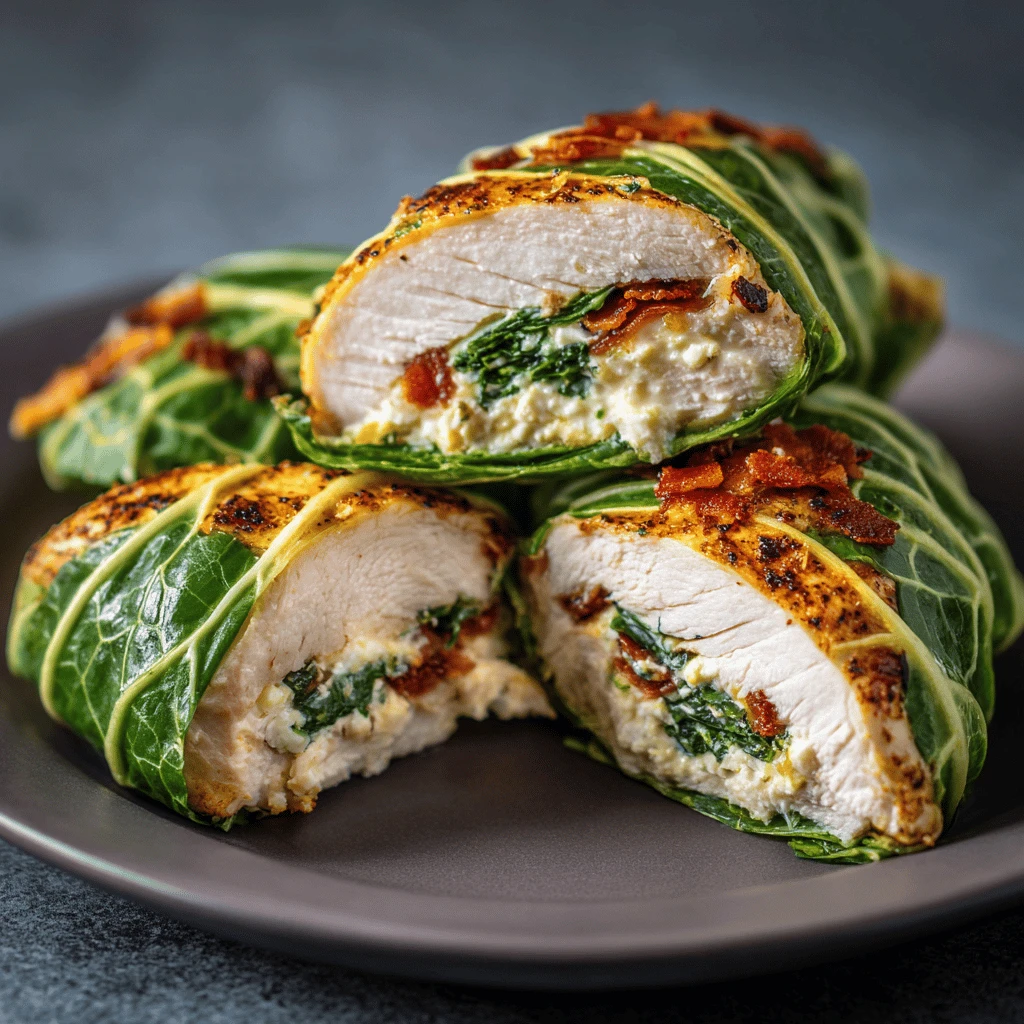
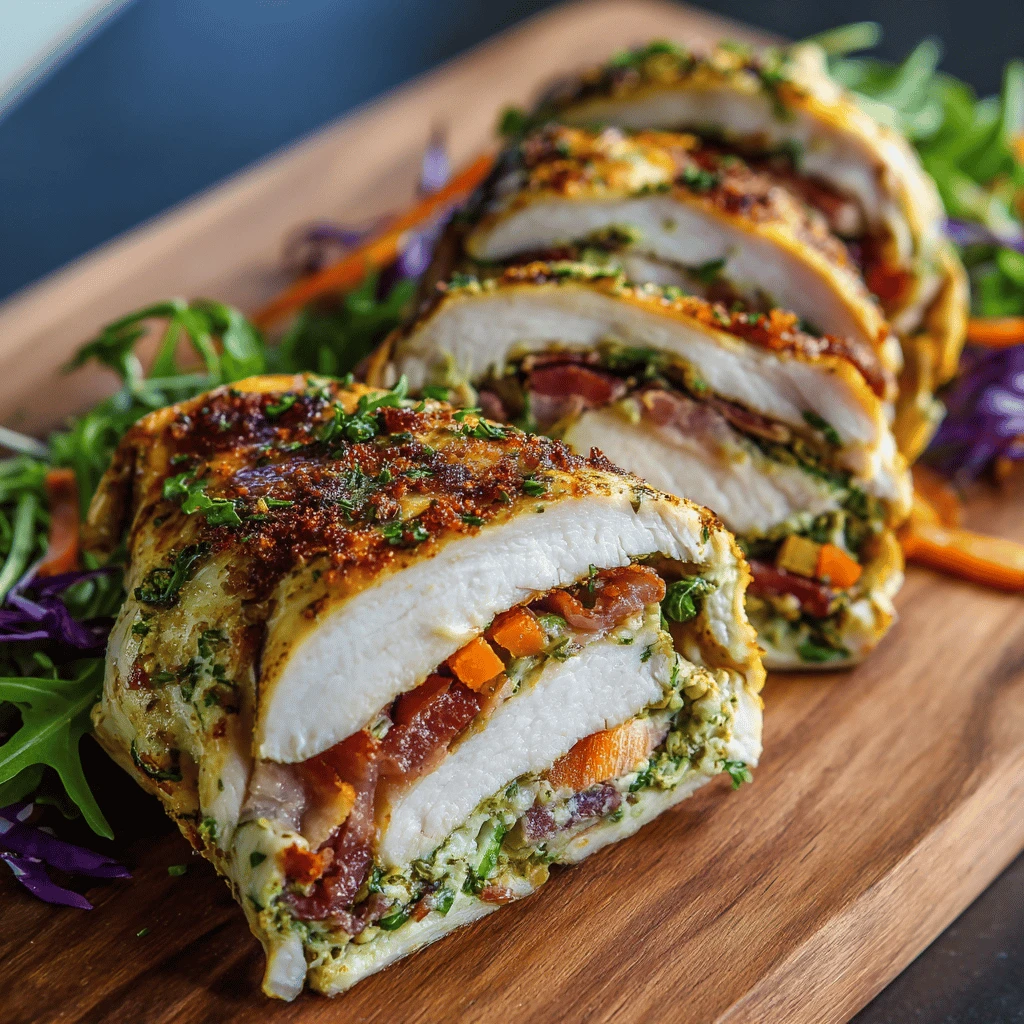
Low Carb Stuffed Chicken Breast Wrap
Stuffed chicken breast is a culinary delight, offering a satisfying combination of flavors and textures in a single, protein-packed package. For those following a low-carb lifestyle, transforming this classic dish into a wrap is an excellent way to enjoy it on the go or as a lighter meal. This article explores how to create delicious and healthy low-carb stuffed chicken breast wraps, covering everything from ingredient selection to cooking techniques.
Choosing the Right Ingredients
The key to a successful low-carb stuffed chicken breast wrap lies in carefully selecting ingredients that minimize carbohydrate content while maximizing flavor and nutritional value.
Selecting Your Chicken
Skinless, boneless chicken breasts are the foundation of this recipe. Opt for organic, free-range chicken whenever possible for the best flavor and nutritional profile. Ensure the chicken breasts are of a uniform thickness for even cooking. Pounding the chicken breasts to an even thickness is highly recommended. Aim for about ½ inch thick. This will speed up the cooking process and prevent the outside from becoming dry while waiting for the inside to cook.
Low-Carb Wrap Options
Traditional flour tortillas are high in carbohydrates, so finding a suitable low-carb alternative is crucial. Several options are available:
- Lettuce Wraps: Large, sturdy lettuce leaves, such as butter lettuce or romaine, offer a naturally low-carb and refreshing alternative. Ensure the leaves are thoroughly washed and dried before use.
- Coconut Wraps: Made from coconut meat, these wraps are naturally gluten-free and low in carbs. They have a slightly sweet flavor that pairs well with savory fillings.
- Almond Flour Tortillas: These tortillas are made from almond flour and are a popular low-carb option. They have a slightly nutty flavor and a texture similar to traditional tortillas. Look for brands with minimal added ingredients.
- Cauliflower Tortillas: Another grain-free option, cauliflower tortillas are made from cauliflower and other low-carb ingredients. They can be a bit more delicate than other options, so handle them with care.
Delicious Low-Carb Stuffing Ideas
The stuffing is where you can get creative with flavors and textures. Here are a few delicious and low-carb stuffing ideas:
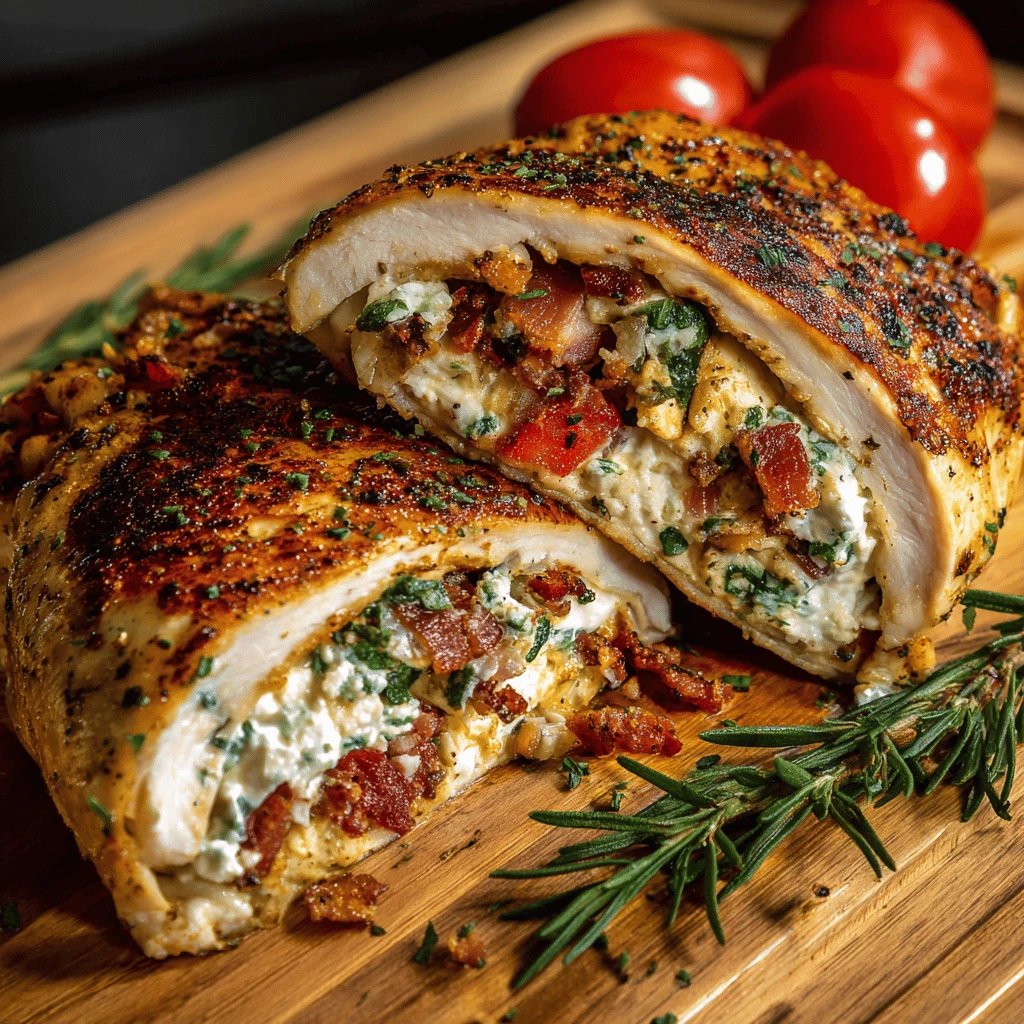
- Spinach and Feta: Sautéed spinach with crumbled feta cheese, garlic, and a touch of olive oil creates a flavorful and nutrient-rich filling. Consider adding sun-dried tomatoes for an extra burst of flavor.
- Cream Cheese and Jalapeño: A mixture of cream cheese, chopped jalapeños, and shredded cheddar cheese offers a creamy and spicy kick. Adjust the amount of jalapeños to your preferred level of heat.
- Broccoli and Cheddar: Steamed or roasted broccoli florets combined with shredded cheddar cheese and a touch of garlic powder make a comforting and satisfying filling. You can also add a drizzle of ranch dressing for extra flavor.
- Pesto and Mozzarella: Spread pesto on the chicken breast and top with fresh mozzarella slices for a simple yet flavorful Italian-inspired filling. Homemade pesto is best, but store-bought varieties can also be used (check the ingredient list for added sugars).
- Sun-dried Tomato and Goat Cheese: Sun-dried tomatoes, soft goat cheese, and fresh basil provide a tangy and aromatic stuffing. This is a great choice if you want something a little more sophisticated.
Sauce and Seasoning Considerations
To enhance the flavor of your low-carb stuffed chicken breast wrap, consider using low-carb sauces and seasonings.
- Hot Sauce: A dash of your favorite hot sauce can add a spicy kick.
- Mustard: Yellow, Dijon, or stone-ground mustard can add tang and flavor.
- Low-Carb Ranch Dressing: Adds a creamy and tangy element.
- Garlic Powder: Enhances savory flavors.
- Onion Powder: Adds depth and aroma.
- Paprika: Adds a smoky and slightly sweet flavor.
- Italian Seasoning: A blend of herbs that complements many fillings.
- Salt and Pepper: Essential for seasoning.
Preparing the Stuffed Chicken Breast
Proper preparation is crucial for ensuring the chicken is cooked evenly and the stuffing stays inside.
Butterfly or Pocket Method
There are two main methods for preparing chicken breasts for stuffing:
- Butterfly Method: Carefully slice the chicken breast horizontally, almost all the way through, and then open it like a book. This creates a larger surface area for stuffing.
- Pocket Method: Cut a deep pocket into the side of the chicken breast, being careful not to cut all the way through. This method is ideal for thicker fillings.
The butterfly method generally allows for more even cooking, especially with thinner stuffings, while the pocket method is suitable for more substantial fillings.
Stuffing the Chicken
Once the chicken breast is prepared, it’s time to add the stuffing. Be careful not to overstuff the chicken, as this can cause it to split open during cooking. Distribute the stuffing evenly across the surface of the chicken breast.
Securing the Chicken
To keep the stuffing inside, you can use a few different techniques:
- Toothpicks: Secure the edges of the chicken breast with toothpicks. Remember to remove them before serving.
- Kitchen Twine: Tie the chicken breast closed with kitchen twine.
- Rolling: Carefully roll the chicken breast around the stuffing, creating a tight wrap. This method works best with the butterfly method.
Cooking Methods for Stuffed Chicken Breast
There are several ways to cook stuffed chicken breast, each with its own advantages.
Baking
Baking is a simple and hands-off method.
1. Preheat the oven to 375°F (190°C).
2. Place the stuffed chicken breasts in a baking dish.
3. Drizzle with olive oil or cooking spray.
4. Bake for 25-35 minutes, or until the chicken is cooked through and the internal temperature reaches 165°F (74°C).
Pan-Searing
Pan-searing creates a crispy exterior.
1. Heat olive oil in a skillet over medium-high heat.
2. Sear the chicken breasts on all sides until golden brown.
3. Reduce heat to medium-low, cover the skillet, and cook for 15-20 minutes, or until the chicken is cooked through.
Grilling
Grilling adds a smoky flavor.
1. Preheat the grill to medium heat.
2. Place the stuffed chicken breasts on the grill grates.
3. Grill for 20-30 minutes, turning occasionally, until the chicken is cooked through.
Air Frying
Air frying is a quick and healthy option.
1. Preheat the air fryer to 375°F (190°C).
2. Place the stuffed chicken breasts in the air fryer basket.
3. Cook for 15-20 minutes, or until the chicken is cooked through, flipping halfway through.
Assembling the Low-Carb Wrap
Once the chicken is cooked, it’s time to assemble the wrap.
Preparing the Wrap
If using lettuce wraps, ensure they are clean, dry, and sturdy. For almond flour or cauliflower tortillas, warm them slightly in a dry skillet or microwave to make them more pliable. Coconut wraps usually don’t require any preparation.
Slicing the Chicken
Slice the cooked stuffed chicken breast into thin strips or bite-sized pieces. This makes it easier to eat in the wrap.
Adding Additional Toppings
Enhance your wrap with additional toppings such as:
- Shredded Lettuce: Adds crunch and freshness.
- Diced Tomatoes: Adds acidity and flavor.
- Avocado Slices: Adds healthy fats and creaminess.
- Shredded Cheese: Adds flavor and texture.
- Sour Cream or Greek Yogurt: Adds tang and moisture.
- Salsa: Adds spice and flavor.
- Pickled Onions: Adds a tangy bite.
Wrapping Techniques
Lay the wrap flat and arrange the sliced chicken and toppings in the center. Fold in the sides of the wrap and then roll it up tightly. Secure the wrap with a toothpick if needed. For lettuce wraps, simply fold the lettuce leaves around the filling.
Tips and Variations
- Meal Prep: Prepare the stuffed chicken breasts ahead of time and store them in the refrigerator until ready to cook.
- Leftovers: Stuffed chicken breast can be stored in the refrigerator for up to 3-4 days.
- Spice it Up: Add a pinch of red pepper flakes to the stuffing for extra heat.
- Add Vegetables: Incorporate more vegetables into the stuffing, such as diced bell peppers, onions, or mushrooms.
- Cheese Variations: Experiment with different types of cheese in the stuffing, such as Gruyere, Swiss, or Monterey Jack.
- Herb Variations: Use different herbs in the stuffing, such as thyme, rosemary, or oregano.
- Marinade: Marinate the chicken breasts before stuffing for extra flavor.
Frequently Asked Questions
Q: Can I use frozen chicken breasts?
A: Yes, but make sure to thaw them completely before stuffing and cooking.
Q: How do I know when the chicken is cooked through?
A: Use a meat thermometer to check the internal temperature. It should reach 165°F (74°C).
Q: Can I make these wraps ahead of time?
A: Yes, you can prepare the stuffed chicken breasts ahead of time, but it’s best to assemble the wraps just before serving to prevent them from getting soggy.
Q: What if I don’t have almond flour tortillas?
A: You can use any low-carb wrap alternative, such as lettuce wraps, coconut wraps, or cauliflower tortillas.
Q: How can I prevent the chicken from drying out?
A: Avoid overcooking the chicken. Using a meat thermometer is the best way to ensure it is cooked through but not dry. You can also add a layer of moisture to the chicken by brushing it with olive oil or covering it with foil while baking.
Q: What is the best way to reheat the stuffed chicken breast?
A: The best way to reheat stuffed chicken breast is in the oven or air fryer. Preheat to 350°F (175°C) and reheat until warmed through, about 10-15 minutes. You can also microwave it, but it may become slightly dry.
Q: Is this recipe gluten-free?
A: Yes, if you use gluten-free wraps and ensure that all of your ingredients are gluten-free.
Q: Can I freeze the stuffed chicken breasts?
A: Yes, you can freeze the stuffed chicken breasts before or after cooking. Wrap them tightly in plastic wrap and then in a freezer bag. They can be stored in the freezer for up to 2-3 months. Thaw completely before cooking or reheating.