
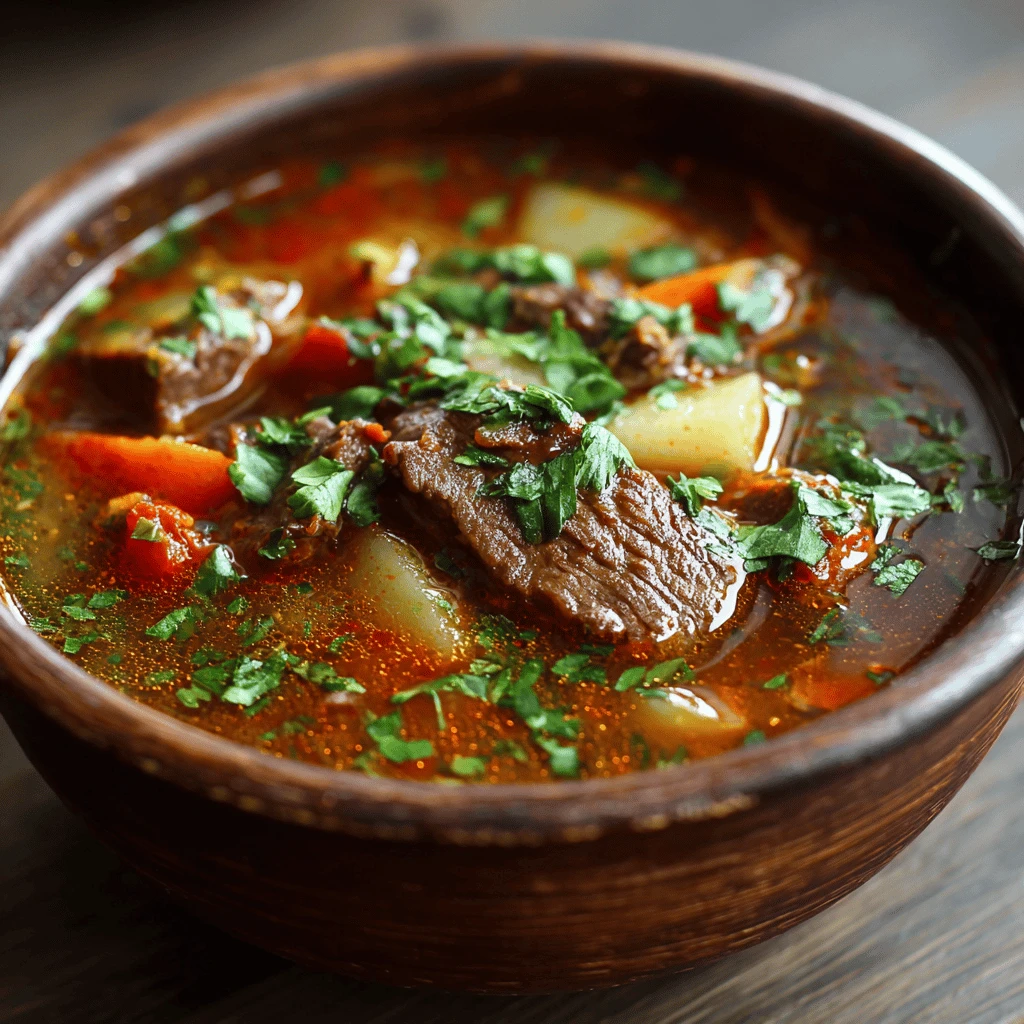
Low Carb Beef Soup: A Hearty and Healthy Delight
Beef soup is a timeless classic, offering comfort and nourishment in every spoonful. For those following a low-carbohydrate lifestyle, enjoying this satisfying dish might seem challenging. Fear not! With a few simple tweaks, you can create a delicious and healthy low-carb beef soup that fits perfectly into your dietary needs. This article provides a comprehensive guide to crafting the perfect low-carb beef soup, from selecting the right ingredients to mastering the cooking process.
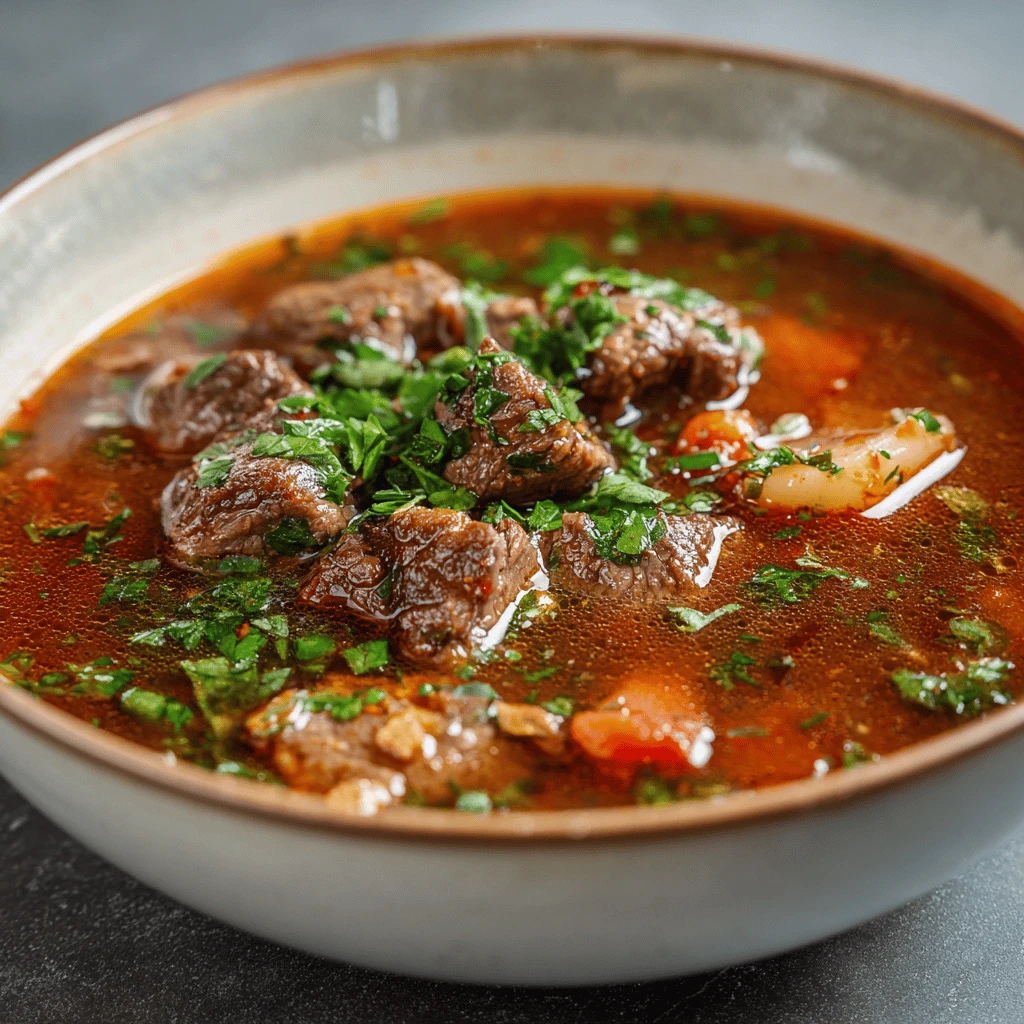
Choosing the Right Ingredients for Low-Carb Beef Soup
The foundation of any great soup lies in its ingredients. Opting for low-carb vegetables and lean protein sources is crucial for keeping the carbohydrate count down.
Selecting Your Beef
The type of beef you choose will significantly impact the flavor and texture of your soup. Consider using the following cuts:
- Chuck Roast: This is a flavorful and budget-friendly option that becomes incredibly tender when slow-cooked. It contains a decent amount of marbling, adding richness to the broth.
- Stew Meat: Pre-cut stew meat is convenient, but be sure to trim any excess fat. It’s typically made from tougher cuts, so long cooking times are essential.
- Beef Shank: This cut is rich in collagen, which will create a wonderfully gelatinous and flavorful broth.
Low-Carb Vegetables
Many vegetables are naturally low in carbohydrates and pack a nutritional punch. Some excellent choices for low-carb beef soup include:
- Cauliflower: A versatile vegetable that adds bulk and creaminess without significantly increasing the carb count.
- Broccoli: Provides a good source of fiber and vitamins, adding a subtle earthy flavor.
- Zucchini: Mild in flavor and adds a tender texture to the soup.
- Spinach: Adds vibrant color and is packed with nutrients.
- Bell Peppers (especially green): Offer a slightly sweet and peppery flavor.
- Celery: Provides a crisp texture and adds a savory note.
- Onions: Essential for building a flavorful base, but use in moderation as they contain carbohydrates. Red onions will result in a slightly sweeter broth.
- Mushrooms: Another great option to consider are various mushrooms like Baby Bella, portobello, or crimini mushrooms to add earthy and umami flavor.
Broth and Seasoning
The broth is the liquid backbone of your soup, so choose wisely.
- Beef Broth/Stock: Opt for a low-sodium or homemade beef broth to control the salt content.
- Bone Broth: Offers additional health benefits and a richer flavor due to the collagen content.
- Seasoning: Don’t be afraid to experiment with different herbs and spices. Salt, pepper, garlic powder, onion powder, smoked paprika, bay leaves, thyme, and rosemary are excellent choices. A splash of Worcestershire sauce can also add depth of flavor.
Cooking Low-Carb Beef Soup: Step-by-Step
Now that you’ve gathered your ingredients, let’s move on to the cooking process.
Browning the Beef
Browning the beef is a crucial step for developing a rich and flavorful soup.
1. Prepare the Beef: Cut the beef into bite-sized pieces and pat them dry with paper towels. This helps achieve a good sear.
2. Season Generously: Season the beef with salt, pepper, and any other desired spices.
3. Sear in Batches: Heat a large pot or Dutch oven over medium-high heat with a tablespoon or two of olive or avocado oil. Add the beef in batches, ensuring not to overcrowd the pot. Sear each side until browned.
4. Remove and Set Aside: Remove the browned beef from the pot and set it aside.
Building the Flavor Base
The next step is to create a flavorful base by sautéing the aromatic vegetables.
1. Sauté the Vegetables: Add the chopped onions, celery, and bell peppers to the pot and sauté until softened, about 5-7 minutes.
2. Add Garlic: Add minced garlic and cook for another minute until fragrant. Be careful not to burn the garlic.
Simmering the Soup
Now it’s time to combine all the ingredients and let the magic happen.
1. Add the Beef and Broth: Return the browned beef to the pot. Pour in the beef broth or bone broth, ensuring the beef is fully submerged.
2. Add Remaining Vegetables: Add your choice of low-carb vegetables, such as cauliflower, broccoli, zucchini, and spinach.
3. Season and Simmer: Add bay leaves, thyme, rosemary, and any other desired seasonings. Bring the soup to a simmer, then reduce the heat to low, cover, and let it simmer for at least 1.5 to 2 hours, or until the beef is tender. The longer it simmers, the more flavorful it will become.
4. Adjust Seasoning: Taste the soup and adjust the seasoning as needed. You may need to add more salt, pepper, or other spices to achieve the desired flavor.
Variations and Customizations
One of the great things about beef soup is its versatility. You can easily customize it to your liking by adding different ingredients or tweaking the recipe.
Adding Creaminess
For a richer and creamier soup, consider adding the following:
- Heavy Cream: Stir in a splash of heavy cream during the last few minutes of cooking. Be careful not to boil the soup after adding cream, as it may curdle.
- Cream Cheese: Add a few ounces of cream cheese to the soup and stir until melted and smooth.
- Coconut Milk: For a dairy-free alternative, use full-fat coconut milk.
Spice It Up
If you enjoy a bit of heat, add a pinch of red pepper flakes or a chopped jalapeño to the soup.
Adding Healthy Fats
Incorporate healthy fats to enhance the flavor and nutritional value of your soup.
- Avocado: Dice avocado and add it to the soup just before serving.
- Olive Oil: Drizzle a tablespoon of olive oil over the soup before serving.
Using a Slow Cooker or Instant Pot
For a hands-off approach, you can easily adapt this recipe for a slow cooker or Instant Pot.
- Slow Cooker: Brown the beef and sauté the vegetables as directed. Transfer everything to a slow cooker, add the broth and seasonings, and cook on low for 6-8 hours or on high for 3-4 hours.
- Instant Pot: Brown the beef using the sauté function. Add the vegetables, broth, and seasonings. Cook on high pressure for 30-40 minutes, followed by a natural pressure release.
Tips for the Best Low-Carb Beef Soup
To ensure your low-carb beef soup is a success, keep these tips in mind:
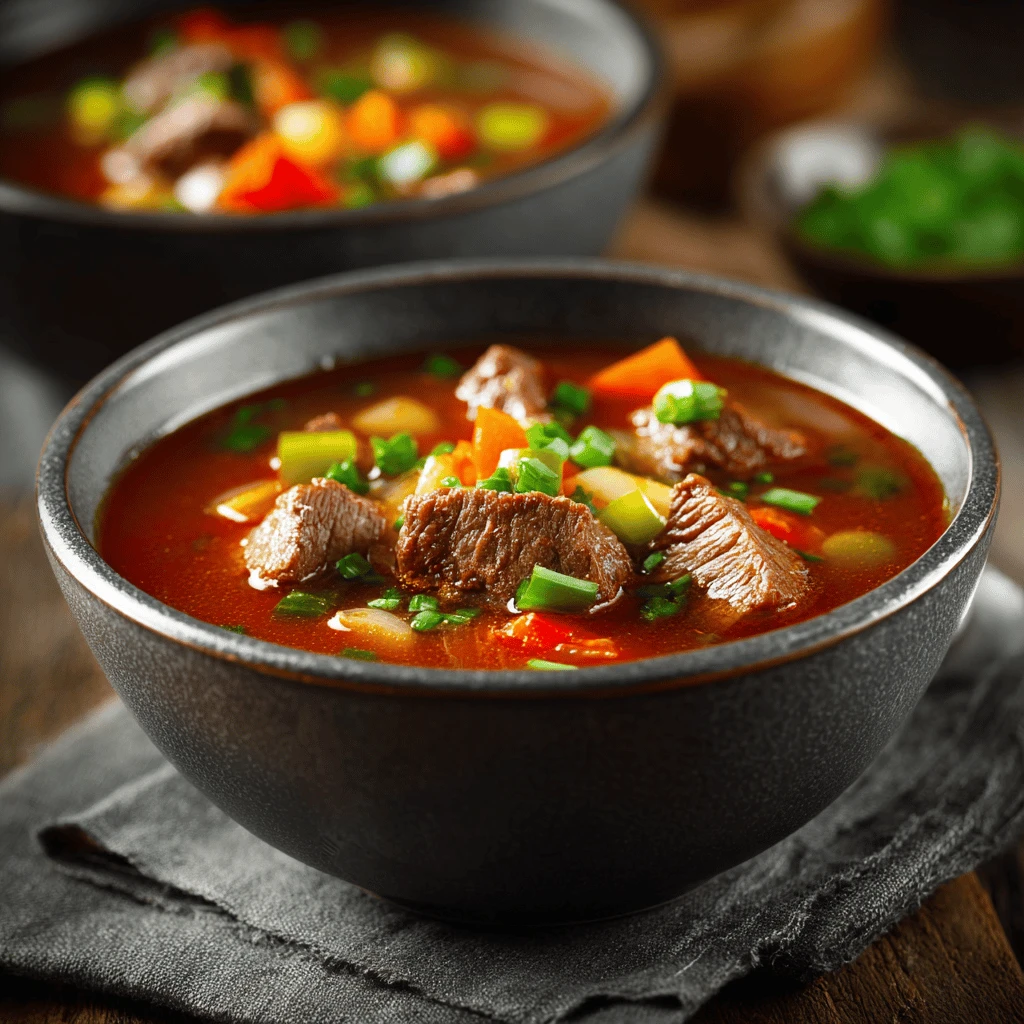
- Don’t Skip the Browning: Browning the beef is essential for developing a rich and complex flavor.
- Use High-Quality Broth: Opt for a good-quality beef broth or bone broth for the best flavor.
- Simmer for a Long Time: The longer the soup simmers, the more tender the beef will become and the more the flavors will meld together.
- Adjust Seasoning to Taste: Don’t be afraid to experiment with different herbs and spices to find your perfect flavor combination.
- Store Leftovers Properly: Store leftover soup in an airtight container in the refrigerator for up to 3-4 days.
FAQ About Low-Carb Beef Soup
Q: What kind of beef is best for low-carb soup?
A: Chuck roast, stew meat, and beef shank are all great options. Chuck roast is flavorful and tender when slow-cooked, while beef shank adds richness to the broth due to its collagen content.
Q: What vegetables can I put in keto soup?
A: Excellent low-carb vegetable choices include cauliflower, broccoli, zucchini, spinach, bell peppers, celery, and onions (in moderation).
Q: How do I thicken low-carb beef soup?
A: Instead of flour or cornstarch, try adding pureed cauliflower, cream cheese, or xanthan gum in very small amounts. Simmering uncovered for a longer period can also help reduce the liquid.
Q: Can I freeze low-carb beef soup?
A: Yes, low-carb beef soup freezes well. Allow it to cool completely before transferring it to freezer-safe containers or bags. Thaw overnight in the refrigerator before reheating.
Q: Is beef broth keto friendly?
A: Yes, plain beef broth is generally keto-friendly, as it contains very few carbohydrates. However, always check the label to ensure there are no added sugars or starches.