
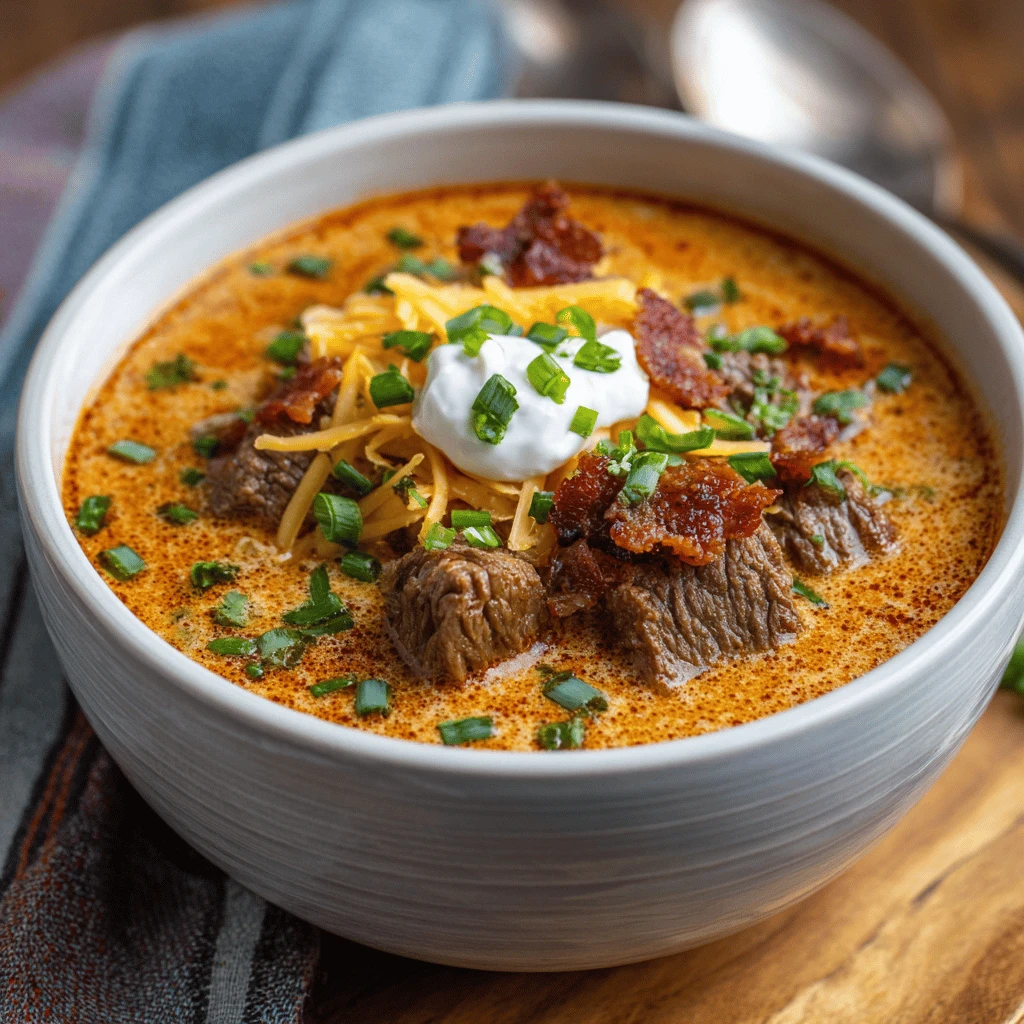
Low Carb Beef Bisque: A Hearty and Healthy Comfort Food
Beef bisque, traditionally a creamy and rich soup, can easily be adapted to fit a low-carb lifestyle. This recipe delivers all the comforting flavors you crave without the guilt. It’s perfect for a chilly evening or anytime you need a satisfying and nourishing meal.
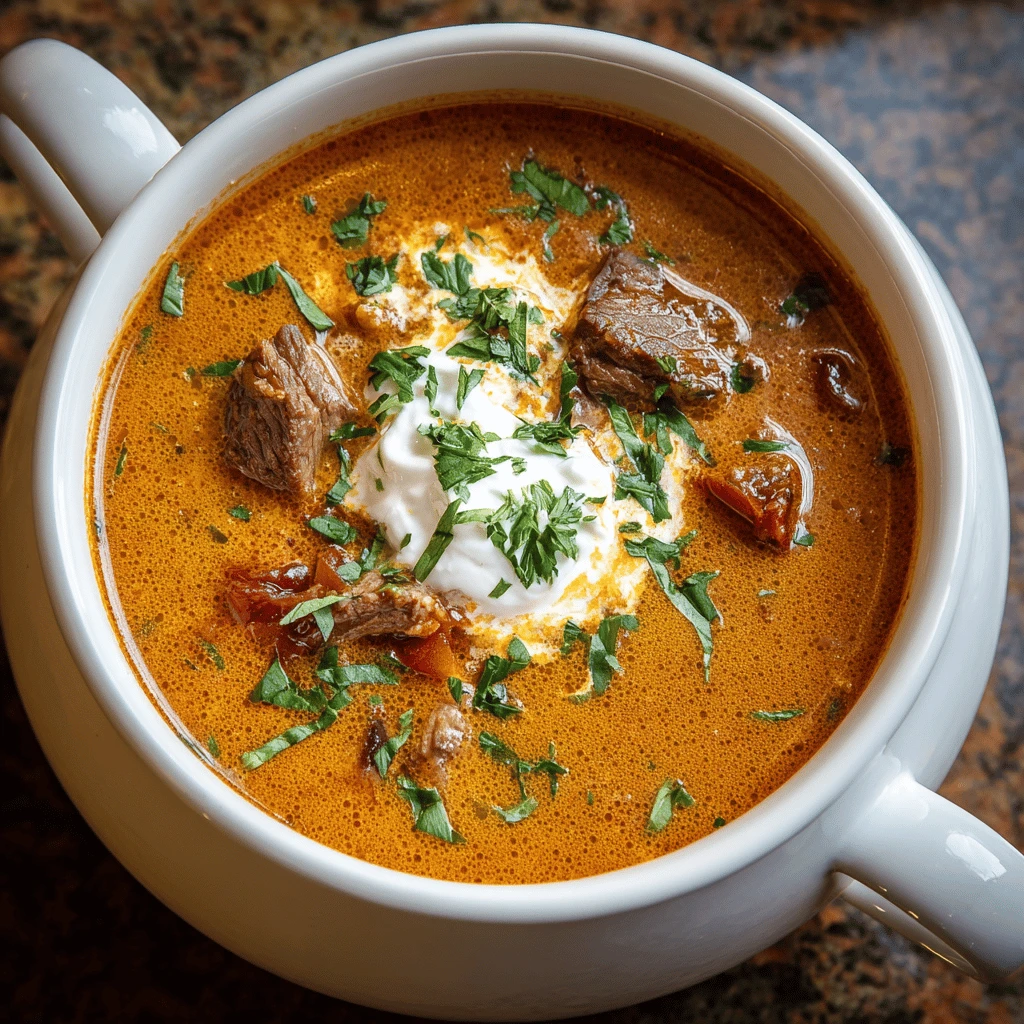
Why Choose Low Carb Beef Bisque?
A standard beef bisque often relies on flour or other starches for thickening, significantly increasing its carbohydrate content. This low-carb version utilizes alternative thickening agents and prioritizes nutrient-dense ingredients like beef broth, heavy cream (in moderation), and healthy fats, making it a suitable option for those following ketogenic, low-carb, or even gluten-free diets. Beyond dietary restrictions, low-carb beef bisque offers several benefits:
- Reduced Sugar Intake: Minimizing carbohydrates naturally lowers sugar consumption, contributing to better blood sugar control and overall health.
- Increased Protein Intake: Beef is an excellent source of protein, essential for muscle building, repair, and satiety.
- Healthy Fats: The inclusion of heavy cream and olive oil provides healthy fats, which are crucial for energy production and hormone regulation.
- Satisfying and Filling: The combination of protein, fats, and fiber (from vegetables) creates a meal that keeps you feeling full and satisfied for longer, reducing cravings and promoting weight management.
Crafting the Perfect Low Carb Beef Bisque
The key to a delicious low-carb beef bisque lies in using quality ingredients and mastering a few simple techniques. Here’s a step-by-step guide to creating a truly exceptional soup:
Selecting Your Beef: A Foundation of Flavor
The type of beef you choose will significantly impact the flavor of your bisque. While leaner cuts can be used, those with some marbling will result in a richer and more flavorful broth.
- Chuck Roast: This is a classic choice for stews and soups. It’s relatively inexpensive and becomes incredibly tender when slow-cooked.
- Stew Meat: Pre-cut stew meat offers convenience, but ensure it’s of good quality.
- Short Ribs: While more expensive, short ribs impart an unparalleled depth of flavor.
- Ground Beef: Can be used if you are looking for a quicker recipe.
Regardless of your choice, browning the beef before adding it to the soup is crucial. This process, known as the Maillard reaction, creates complex flavors that elevate the entire dish.
Building the Flavor Base: Aromatics and Broth
Beyond the beef, the aromatics and broth form the foundation of your bisque’s flavor profile.
- Aromatics: Onions, carrots, and celery (mirepoix) are the classic starting point. Garlic and herbs like thyme, rosemary, and bay leaf add further depth. Sauté these vegetables until softened and fragrant before adding the beef.
- Broth: Opt for a high-quality beef broth or stock. Homemade is always best, but store-bought options work well too. Look for low-sodium varieties to control the salt content. Bone broth adds extra collagen and nutrients.
Thickening Techniques: Low-Carb Alternatives
Traditional bisque relies on flour for thickening, which is a no-go for low-carb diets. Fortunately, several excellent alternatives exist:
- Xanthan Gum: A small amount of xanthan gum goes a long way. Mix it with a little cold water before adding it to the soup to prevent clumping. Start with 1/4 teaspoon and add more gradually until you reach the desired consistency.
- Cream Cheese: Adding a couple of ounces of cream cheese to the bisque not only thickens it but also adds a creamy tang.
- Pureed Vegetables: Cauliflower, butternut squash (used sparingly), or even a small amount of pumpkin puree can add thickness and flavor without significantly increasing the carb count.
- Heavy Cream Reduction: Simply simmering the bisque for longer to reduce the liquid content will naturally thicken it.
- Gelatin: Adding unflavored gelatin during the cooking process can also help thicken the bisque and add a nice silky texture.
Assembling the Bisque: A Symphony of Flavors
Once you have your beef, aromatics, broth, and thickening agent ready, it’s time to bring everything together.
1. Brown the Beef: Sear the beef in a hot pan with olive oil until browned on all sides.
2. Sauté the Aromatics: Add the onions, carrots, and celery to the pan and cook until softened. Add garlic and herbs during the last minute of cooking.
3. Combine and Simmer: Add the beef and aromatics to a pot with the beef broth. Bring to a simmer, then reduce the heat and cook until the beef is tender, typically 1.5 to 3 hours depending on the cut of beef used.
4. Thicken and Finish: Remove the bay leaf. If using xanthan gum, mix it with cold water and add it to the soup. If using cream cheese, stir it in until melted. If using pureed vegetables, blend a portion of the soup and return it to the pot. Finally, stir in the heavy cream (if using) and season with salt and pepper to taste.
Recipe Variations and Customizations
One of the best things about beef bisque is its versatility. Feel free to experiment with different flavors and ingredients to create your own unique version.
- Spicy Kick: Add a pinch of red pepper flakes or a dash of hot sauce for a spicy kick.
- Smoked Paprika: A teaspoon of smoked paprika adds a smoky depth of flavor.
- Mushroom Medley: Sauté sliced mushrooms with the aromatics for an earthy flavor.
- Wine Infusion: Add a splash of dry red wine after sautéing the aromatics for added complexity.
- Coconut Milk: For a dairy-free option, substitute heavy cream with full-fat coconut milk.
- Cheese Topping: A sprinkle of shredded cheese, such as cheddar, Gruyere, or Parmesan, adds a delicious finishing touch.
Serving Suggestions and Accompaniments
Low-carb beef bisque is delicious on its own, but it can also be served with a variety of accompaniments to create a complete meal.

- Low-Carb Bread or Crackers: Serve with almond flour bread or cheese crackers for dipping.
- Side Salad: A simple green salad with a vinaigrette dressing provides a refreshing contrast to the richness of the bisque.
- Roasted Vegetables: Roasted asparagus, broccoli, or cauliflower are excellent low-carb side dishes.
- Avocado: Diced avocado adds creaminess and healthy fats.
- Sour Cream or Greek Yogurt: A dollop of sour cream or Greek yogurt adds tanginess and richness.
Frequently Asked Questions (FAQ)
Q: Can I make beef bisque in a slow cooker?
A: Yes, absolutely! Brown the beef and sauté the aromatics as described in the recipe. Then, transfer everything to a slow cooker and cook on low for 6-8 hours or on high for 3-4 hours. Add the thickening agent and cream (if using) during the last 30 minutes of cooking.
Q: Can I freeze beef bisque?
A: Yes, beef bisque freezes well. Allow the soup to cool completely before transferring it to freezer-safe containers. Leave some headspace in the containers to allow for expansion. Thaw the soup in the refrigerator overnight before reheating.
Q: How long does beef bisque last in the refrigerator?
A: Beef bisque will last for 3-4 days in the refrigerator when stored in an airtight container.
Q: Can I use a different type of meat?
A: While beef is traditional, you could experiment with other meats like lamb or venison. Just be sure to adjust the cooking time as needed.
Q: What if my bisque is too thin?
A: If your bisque is too thin, you can add more xanthan gum (a tiny amount at a time!), cream cheese, or pureed vegetables to thicken it. Alternatively, you can simply simmer the soup for longer to reduce the liquid content.
Q: Is beef bisque keto-friendly?
A: Yes, this low-carb beef bisque recipe is keto-friendly as it minimizes carbohydrates and prioritizes healthy fats and protein. However, it’s always a good idea to check the nutritional information and adjust the ingredients as needed to fit your individual macros.