
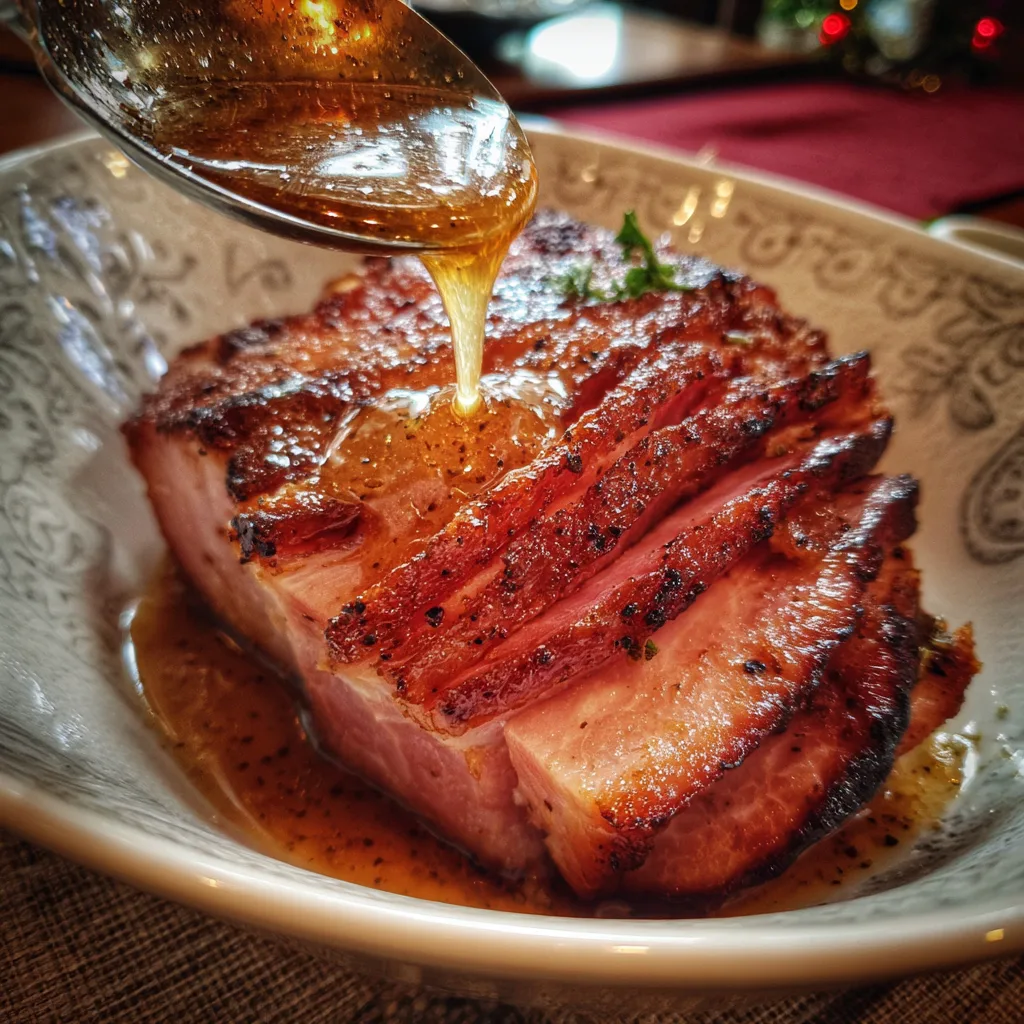
The Ultimate Honey Brown Sugar Ham Sauce
A beautifully glazed ham is the undisputed centerpiece of a holiday feast, and the secret to its success lies entirely in the sauce. This Honey Brown Sugar Ham Sauce strikes the perfect balance between deep, caramelized sweetness and savory richness. While many store-bought hams come with a pre-packaged glaze, they often lack the complexity and “sticky-sweet” texture that a homemade version provides. By combining the floral notes of honey with the molasses-heavy grit of brown sugar, you create a lacquer-like finish that seals in the meat’s natural juices while forming those coveted crispy, charred edges. Whether you are preparing a spiral-sliced ham for Easter, a whole bone-in ham for Christmas, or a simple Sunday roast, this sauce elevates the protein from a standard meal to a culinary event.
Ingredients You’ll Need
-
1 cup Light or Dark Brown Sugar: Packed (Dark brown sugar adds a deeper molasses flavor).
-
1/2 cup Honey: Use a high-quality clover or wildflower honey for the best floral notes.
-
1/4 cup Pineapple Juice or Orange Juice: The acidity cuts through the sugar and helps tenderize the surface.
-
2 tablespoons Dijon Mustard: Adds a necessary tang and acts as an emulsifier for the sauce.
-
1/2 teaspoon Ground Cinnamon: For a warm, aromatic undertone.
-
1/4 teaspoon Ground Cloves: The classic “ham spice” that provides an earthy depth.
-
1 tablespoon Unsalted Butter: This adds a professional glossy sheen to the finished glaze.
Step-by-Step Preparation and Application
-
Simmer the Sauce: In a small saucepan over medium heat, combine the brown sugar, honey, fruit juice, Dijon mustard, cinnamon, and cloves. Stir constantly until the sugar has completely dissolved and the mixture begins to bubble gently.
-
Thicken and Gloss: Reduce the heat to low and whisk in the butter. Let the sauce simmer for 3 to 5 minutes until it thickens slightly into a syrupy consistency. Remove from heat and set aside.
-
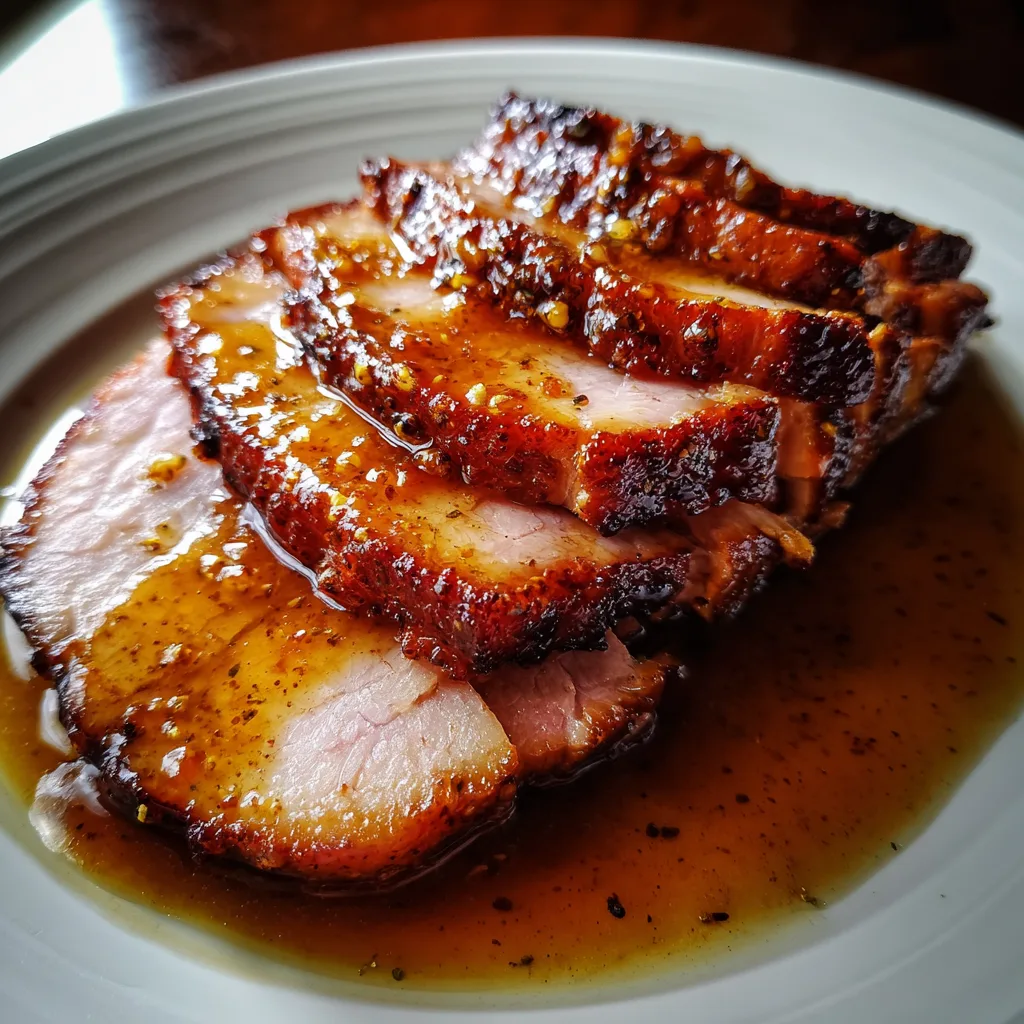
The First Coat: About 30 to 45 minutes before your ham is finished cooking, remove it from the oven. Generously brush about one-third of the sauce over the entire surface, ensuring it seeps into the scores or between the slices of a spiral ham.
-
The Caramelization Phase: Return the ham to the oven. Repeat the glazing process every 10 to 15 minutes. This layering technique builds up a thick, sticky crust.
-
The Final Sear (Optional): For a truly professional finish, turn on the broiler for the last 2 to 3 minutes of cooking. Watch closely to prevent burning; you want the sugar to bubble and turn a dark, mahogany brown.
-
Resting: Allow the ham to rest for at least 15 minutes before carving. This allows the glaze to “set” so it doesn’t slide off the meat when sliced.
Mastering the Balance of Flavors
The architecture of a perfect ham sauce relies on the “Sweet, Acid, Heat” triangle. While brown sugar and honey provide the bulk of the flavor, they can be overwhelming if not balanced correctly. The addition of Dijon mustard is critical; its sharp vinegar profile and mustard seed heat provide a counterpoint to the sugar, preventing the dish from tasting like a dessert. Similarly, the choice of juice—be it pineapple, orange, or even apple cider—introduces malic or citric acids that break down the heavy proteins on the surface of the ham, allowing the flavor to penetrate deeper than just the skin.
For those who prefer a more complex profile, don’t be afraid to experiment with the “heat” element. A pinch of cayenne pepper or a teaspoon of smoked paprika can add a subtle background warmth that complements the smokiness of the ham. If you find your sauce is too thin, simply simmer it longer on the stove to reduce the water content; if it becomes too thick or “tacky,” a splash of water or extra juice will bring it back to a brushable consistency.
Essential Tips for a Perfect Glaze
One of the most common mistakes in glazing a ham is applying the sauce too early. Because of the high sugar content in both honey and brown sugar, the sauce will burn if exposed to high oven temperatures for the entire cooking duration. Always wait until the final 30 to 60 minutes of the roasting process to start the application. If you are using a slow cooker, you can apply the glaze at the beginning, as the moisture and lower temperatures prevent the sugars from scorching.
Another professional tip is to “score” your ham if it isn’t already sliced. Use a sharp knife to cut a diamond pattern about 1/4-inch deep into the fat cap. This not only makes for a stunning presentation but creates “channels” for the honey brown sugar sauce to pool in, ensuring that every bite of the ham is infused with the glaze. If you are using a spiral-sliced ham, use a basting brush to gently pull back the slices and coat the interior, which prevents the lean inner meat from drying out in the oven’s dry heat.
Storage, Reheating, and Leftover Magic
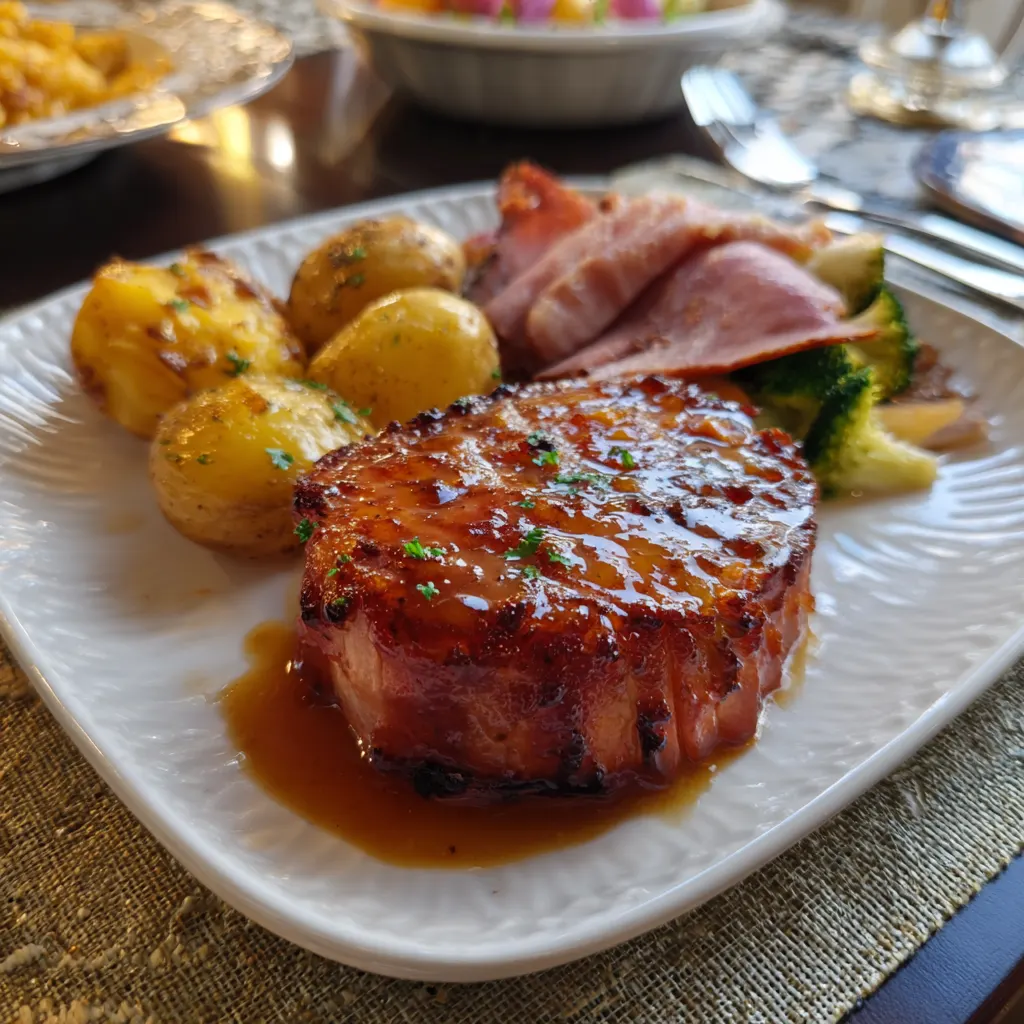
This sauce can be made up to a week in advance and stored in an airtight container in the refrigerator. When you are ready to use it, simply reheat it gently on the stove or in the microwave for 20 seconds to loosen the texture. If you have leftover sauce after the ham is finished, it serves as an excellent condiment. It can be drizzled over roasted carrots or sweet potatoes, or even used as a spread for ham and swiss sliders the following day.
When reheating leftover glazed ham, avoid the microwave if possible, as it can turn the sugar coating rubbery. Instead, wrap slices in foil with a tiny bit of water or leftover glaze and heat them in a 300°F oven. This steams the meat while keeping the honey-brown sugar crust intact. By following these steps, you ensure that your ham remains the star of the table from the first festive serving to the very last sandwich.