
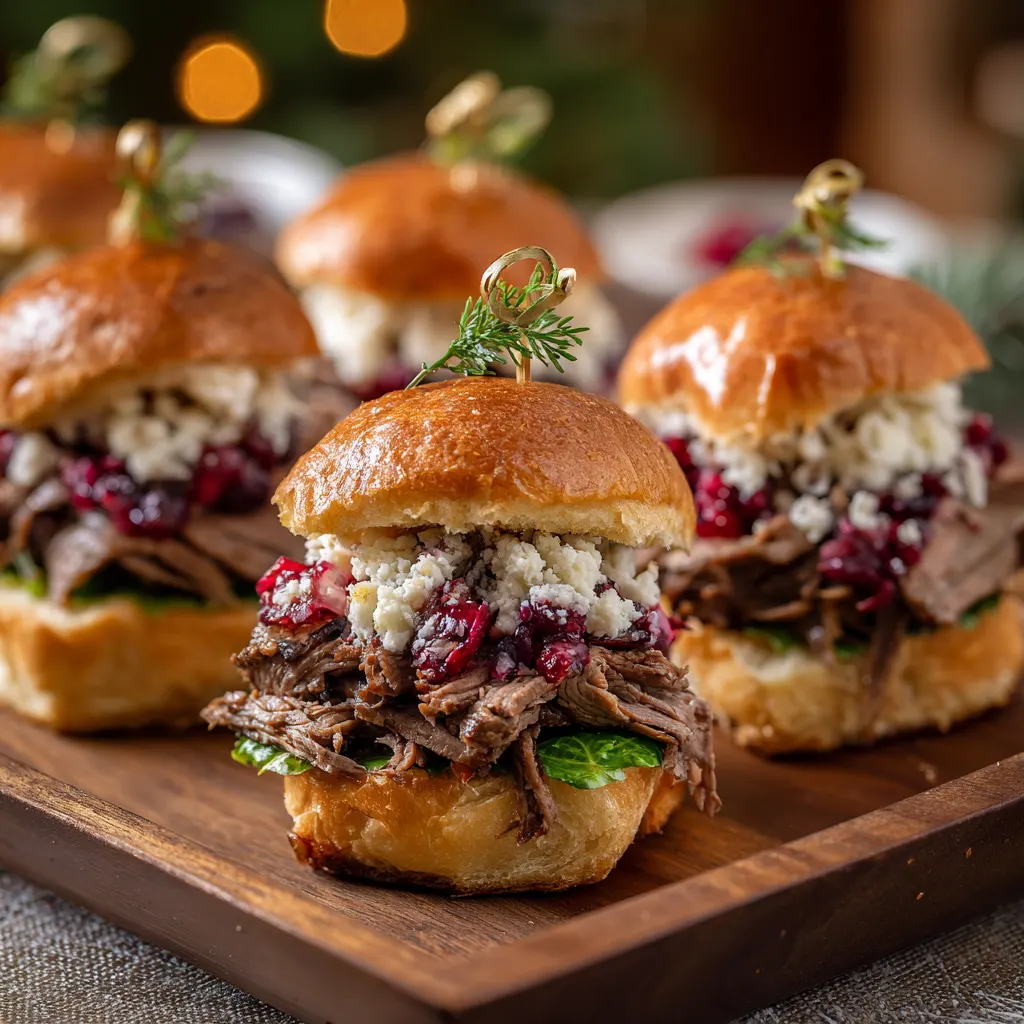
The holiday season calls for appetizers that are effortless to prepare, comforting, and guaranteed to delight a crowd. Roast Beef Sliders with Horseradish are a quintessential party food, elevating the classic combination of savory roast beef and pungent horseradish cream into a warm, gooey, and easily shareable handheld treat. Built upon the sweet, tender foundation of Hawaiian rolls and finished with a rich, savory butter glaze, these sliders transform simple deli ingredients into a gourmet experience worthy of any festive gathering. They are not merely sandwiches; they are miniature masterpieces, designed to maximize flavor and minimize prep time, making them a perfect addition to your holiday entertaining menu.
Ingredients
For the Sliders
-
1 package (12 count) Hawaiian Sweet Rolls (or other butter slider rolls), left intact
-
1 pound thinly sliced deli roast beef (choose a quality, medium-rare cut)
-
8 slices Provolone, Swiss, or a combination of both
-
1/2 cup thinly sliced, caramelized sweet onion (optional, see instructions)
For the Horseradish Cream
-
1/2 cup Mayonnaise (full-fat recommended)
-
2 Tablespoons Prepared Horseradish (increase to 3 Tbsp for extra heat)
-
1 teaspoon Dijon Mustard
-
1/2 teaspoon Garlic Powder
-
Pinch of Kosher Salt and Black Pepper
For the Savory Butter Topping
-
6 Tablespoons Salted Butter, melted
-
1 Tablespoon Worcestershire Sauce
-
1 teaspoon Dried Minced Onion or Onion Powder
-
1 teaspoon Poppy Seeds or Everything Bagel Seasoning
-
1/2 teaspoon Dried Italian Seasoning (optional)
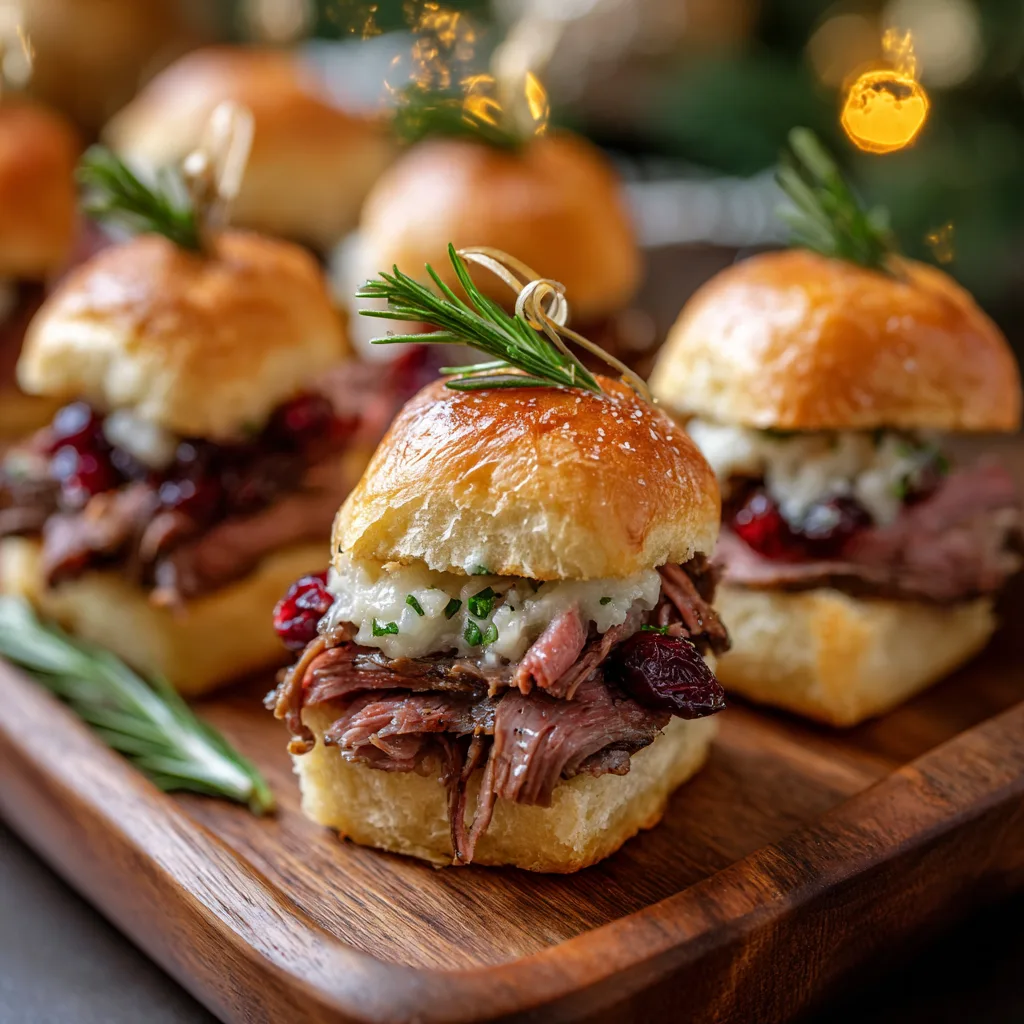
Step-by-Step Instructions
1. Prepare the Horseradish Cream: In a small bowl, whisk together the mayonnaise, prepared horseradish, Dijon mustard, garlic powder, salt, and pepper until fully combined and creamy. Set aside.
2. Prep the Rolls and Oven: Preheat your oven to 350°F (175°C). Using a long serrated knife, slice the entire block of Hawaiian rolls in half horizontally, keeping the rolls connected. Place the bottom slab of rolls cut-side up in a lightly greased 9×13-inch baking dish.
3. Assemble the Sliders: Spread the horseradish cream evenly across the bottom slab of rolls. Layer the cheese slices over the sauce, ensuring the entire surface is covered. Next, layer the roast beef, folding or bunching the slices slightly to create height and texture. If using, sprinkle the caramelized onions over the beef. Spread the remaining horseradish cream lightly on the cut-side of the top slab of rolls and place them on top of the filling to complete the sliders.
4. Make and Apply the Butter Topping: In a separate small bowl, combine the melted butter, Worcestershire sauce, dried minced onion, poppy seeds (or Everything Seasoning), and Italian seasoning (if using). Whisk until thoroughly mixed. Evenly brush or drizzle this savory butter glaze over the tops of the assembled rolls, ensuring the glaze seeps into the seams between the individual rolls.
5. Bake and Serve: Cover the baking dish tightly with aluminum foil. Bake for 15 minutes. Remove the foil and continue baking for another 5 to 10 minutes, or until the cheese is completely melted, the beef is hot, and the tops of the rolls are golden brown and lightly crisp. Remove from the oven, let rest for 5 minutes, then use a sharp knife to slice along the pre-cut lines to separate the individual sliders. Serve immediately while warm.
The Anatomy of a Perfect Holiday Slider
Creating an exceptional roast beef slider involves more than just stacking ingredients; it requires a balance of textures, temperatures, and complementary flavors. The success of this dish hinges on four key components working in harmony: the bread, the beef, the cheese, and the signature sauce.
The Bread: Sweetness as a Counterpoint
The foundation of the holiday slider is typically the sweet roll, most famously the Hawaiian variety. This choice is deliberate. The subtle sweetness of the roll acts as a crucial counterpoint to the saltiness of the roast beef, the acidity of the Worcestershire, and the fiery kick of the horseradish. The rolls’ tender, plush texture also allows them to absorb the buttery topping without becoming overly dense or chewy, delivering a delightful bite that yields easily to the filling. When assembling, it is essential to keep the rolls intact until baking is complete; this slab method ensures uniform heat distribution and makes applying the sauce and filling layers significantly easier.
The Beef: Quality and Cut
While leftover home-roasted prime rib or beef tenderloin provides the most luxurious holiday experience, the convenience of high-quality, thinly sliced deli roast beef makes this recipe an accessible party favorite. When selecting deli meat, opt for a medium-rare cut sliced thinly. The thinness prevents the sliders from being overly chewy, allowing the meat to meld seamlessly with the melted cheese. If using shredded, leftover roast, ensure it is mixed with a little au jus or gravy to maintain moisture during baking, preventing a dry filling. Folding or scrunching the slices, rather than laying them flat, creates air pockets that trap the melted cheese and sauce, contributing to a more dynamic, textural filling.
The Cheese: The Melting Point
The cheese selection is vital for achieving that signature molten center. While cheddar or mozzarella offer classic flavor profiles, cheeses with a low melting point are ideal for binding the layers. Provolone, Swiss, or White American cheese are excellent choices because they melt quickly and smoothly, coating the beef and preventing the rolls from becoming soggy. For a more intense flavor, smoked provolone adds a deep, savory note that pairs exceptionally well with the beef and horseradish. Layering the cheese slices both below and above the roast beef (a common technique in optimization) ensures the meat is cradled by melted goodness, keeping the entire structure moist and cohesive.
The Horseradish Component: The Essential Pungency
The horseradish is the defining element of this recipe, providing the necessary sharpness to cut through the richness of the butter and beef. Using prepared horseradish (found in a jar, usually in the refrigerated section) rather than cream-style horseradish offers maximum potency. Blending it with mayonnaise and a touch of Dijon mustard or sour cream creates a balanced “horseradish cream” that is spicy, tangy, and rich, adhering perfectly to the rolls. For those sensitive to heat, substituting some of the prepared horseradish with a small amount of milk or buttermilk in the cream base will soften the spice level while retaining the essential flavor profile.
Mastering the Savory Butter Topping
The butter topping, or glaze, is the secret weapon of the baked slider recipe, transforming a simple cold sandwich assembly into a deeply savory, irresistible baked appetizer. Its function is two-fold: to infuse the sweet rolls with rich, aromatic flavor and to create a crisp, golden-brown crust.
The Umami Foundation
The base of the glaze is melted salted butter, which is then enriched with Worcestershire sauce. Worcestershire is non-negotiable here; its fermentation-derived profile delivers a burst of deep, salty, and slightly tangy umami that complements the roast beef’s inherent savoriness. The sauce acts as a flavor carrier, ensuring the complexity of the glaze permeates the bread.
The Aromatic Blend
Aromatic additions are what truly differentiate a great slider. Garlic powder and dried minced onion are staples, offering concentrated flavor without introducing excess moisture. Some recipes include dried mustard powder or Dijon mustard, which provides a welcome acidity that balances the fat from the butter. For a seasonal twist, a teaspoon of brown sugar or honey can be incorporated, prompting the tops of the rolls to caramelize into a beautiful, appealing golden hue during baking.
The Texture Element: Seeds and Seasoning
The finishing touch of the glaze provides textural contrast. Poppy seeds are the traditional choice, lending a subtle nuttiness and a satisfying pop. However, swapping them out for Everything Bagel Seasoning is a popular optimization that introduces a more complex medley of sesame, poppy, garlic, and onion flakes. This simple change increases the surface area for flavor delivery and gives the sliders a professional, bakery-finished appearance.
Pro-Tip: The Infusion Period For truly optimized flavor and texture, do not rush the baking process. After assembling and applying the butter topping, many experienced cooks recommend covering the dish and refrigerating the sliders for at least four hours, or even overnight. This chilling period allows the bread to fully absorb the butter glaze—including the Worcestershire and aromatics—leading to a more uniformly flavored, less greasy, and structurally sound slider when baked.
Holiday Twists and Customization Opportunities
The core roast beef and horseradish concept is highly flexible, allowing for easy customization to match dietary needs, flavor preferences, or the formality of your holiday menu.
Elevating the Beef: From Deli to Deluxe
For a premium holiday offering, ditching the deli meat in favor of a homemade roast is a superb customization.
-
Beef Tenderloin Sliders (The High-End Option): Follow the instructions for roasting a small beef tenderloin (usually to medium-rare, 130°F internal temperature), chilling it overnight, and slicing it paper-thin. This creates an elegant slider, often served cold or briefly warmed, paired with baby arugula for a peppery crunch.
-
The Pot Roast Slider: Use shredded, slow-cooked pot roast mixed with its gravy. The rich, gravy-soaked meat provides a tender, hearty filling that pairs perfectly with sharp white cheddar. This version is best served immediately and hot, as the rich juices can quickly saturate the rolls.
Cheese and Heat Variations
-
Smoky Heat: Replace the Provolone or Swiss with Pepper Jack cheese. The subtle spice level harmonizes with the horseradish, providing a layered heat profile.
-
Pungent Italian: Substitute Swiss with aged white cheddar and add a tablespoon of grated Parmesan to the butter topping for a sharp, savory crust.
-
The Green Layer: For a fresh, peppery bite, add a small handful of baby arugula or baby spinach directly on top of the cheese layer. The greens will wilt slightly during baking, providing color and cutting through the richness.
Creative Glaze Infusions
The butter glaze can be adjusted to match your holiday theme.
-
Smoked Paprika: A pinch of smoked paprika in the butter topping provides a deep, smoky undertone, excellent when using smoked provolone.
-
Sweet and Spicy: Increase the brown sugar or honey in the glaze and add a dash of hot sauce (like Tabasco) or cayenne pepper to the horseradish cream for a memorable sweet-heat combination.
-
Mustard Seed Crunch: Swap poppy seeds for yellow or brown mustard seeds for a sharper, more defined flavor burst.
Make-Ahead Mastery and Serving Elegance
The logistical demands of holiday entertaining make dishes that can be prepped in advance invaluable. Roast Beef Sliders are perfectly suited for make-ahead assembly, which is also key to maximizing their flavor.
Maximizing the Make-Ahead Benefit
The optimum prep schedule involves assembling the sliders—including the horseradish cream, meat, cheese, and the full savory butter topping—up to 24 hours before baking.
-
Assemble: Prepare the sliders as directed through Step 4.
-
Marinate: Tightly cover the baking dish with plastic wrap and refrigerate. The cold temperature allows the rolls to fully absorb the butter and seasoning blend without breaking down, preventing the dreaded “soggy bottom.”
-
Bake: About 30-40 minutes before serving, remove the dish from the refrigerator and allow it to sit at room temperature for 15-20 minutes to take the chill off. Then, proceed with the baking instructions (15 minutes covered, 5-10 minutes uncovered).
This strategy allows the host to seamlessly transition from appetizer prep to guest interaction, ensuring hot, fresh sliders are ready precisely when needed.
Elegant Presentation for the Table
While Hawaiian roll sliders are inherently casual, a thoughtful presentation elevates them for the holiday table.
-
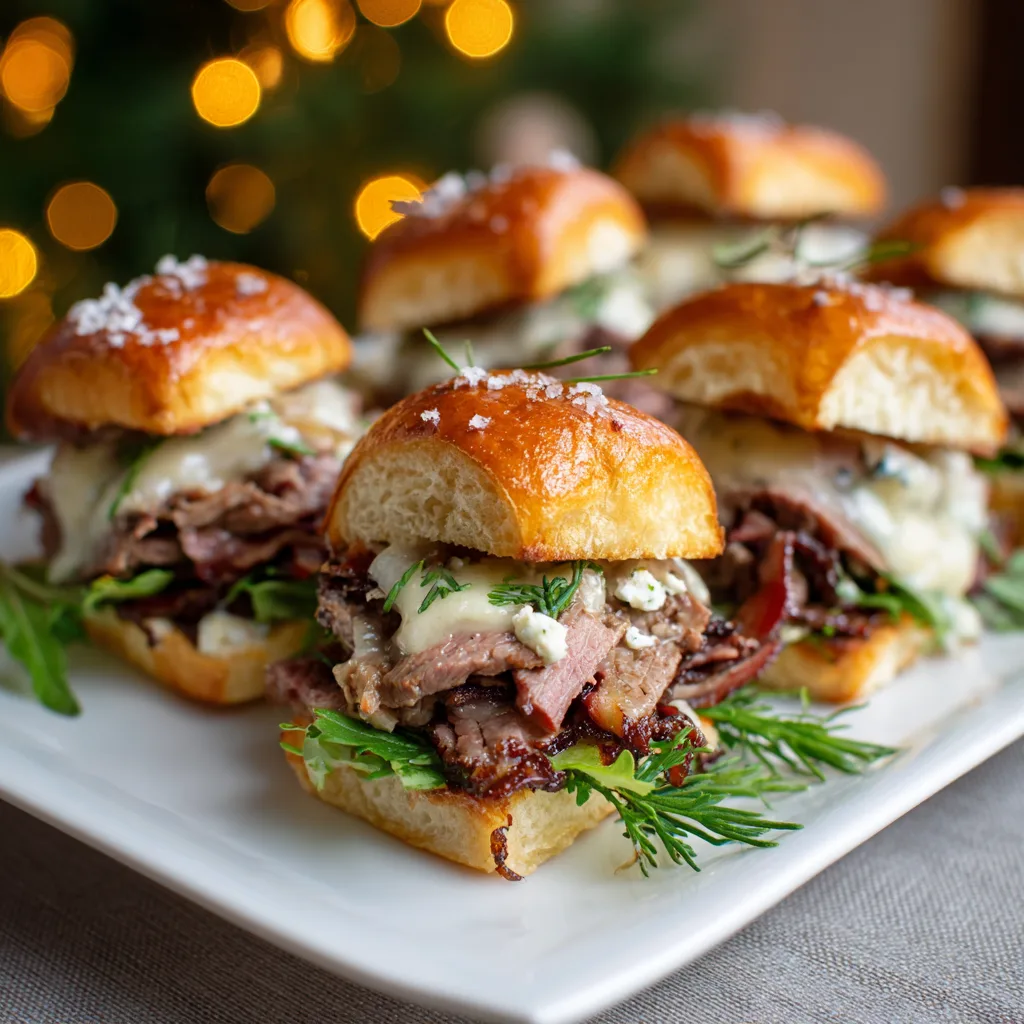
The Serving Vessel: Serve the sliders directly from the baking dish or arrange them artfully on a large wooden cutting board. If using a cutting board, garnish the perimeter with fresh sprigs of rosemary or thyme to evoke a winter greenery aesthetic.
-
Temperature is Key: These sliders are best served warm, allowing the cheese to remain gooey and the beef to retain its savory aroma. Use a warming tray or chafing dish if they need to sit out for an extended period.
-
Garnish: Finish the plate with a final sprinkle of fresh parsley or chives for color contrast. Place a small bowl of extra horseradish cream or a high-quality whole-grain mustard alongside for dipping.
Pairing Recommendations
To complement the rich, savory profile of the sliders, pairing them with the right sides and beverages is essential.
-
Side Dishes: Offer light, acidic, or crunchy counterpoints:
-
A simple side of bread and butter pickles or cornichons.
-
A crisp coleslaw or a simple green salad dressed with a bright vinaigrette.
-
Sweet potato fries or chips provide a warm, salty contrast.
-
-
Drink Pairings:
-
Beer: A crisp lager, a brown ale, or an amber ale stands up to the richness of the beef and butter without clashing with the horseradish.
-
Wine: Choose a medium-bodied red like a Malbec or a Zinfandel, which offer enough structure to handle the beef. For white, a dry Riesling or an unoaked Chardonnay is a refreshing palate cleanser.
-