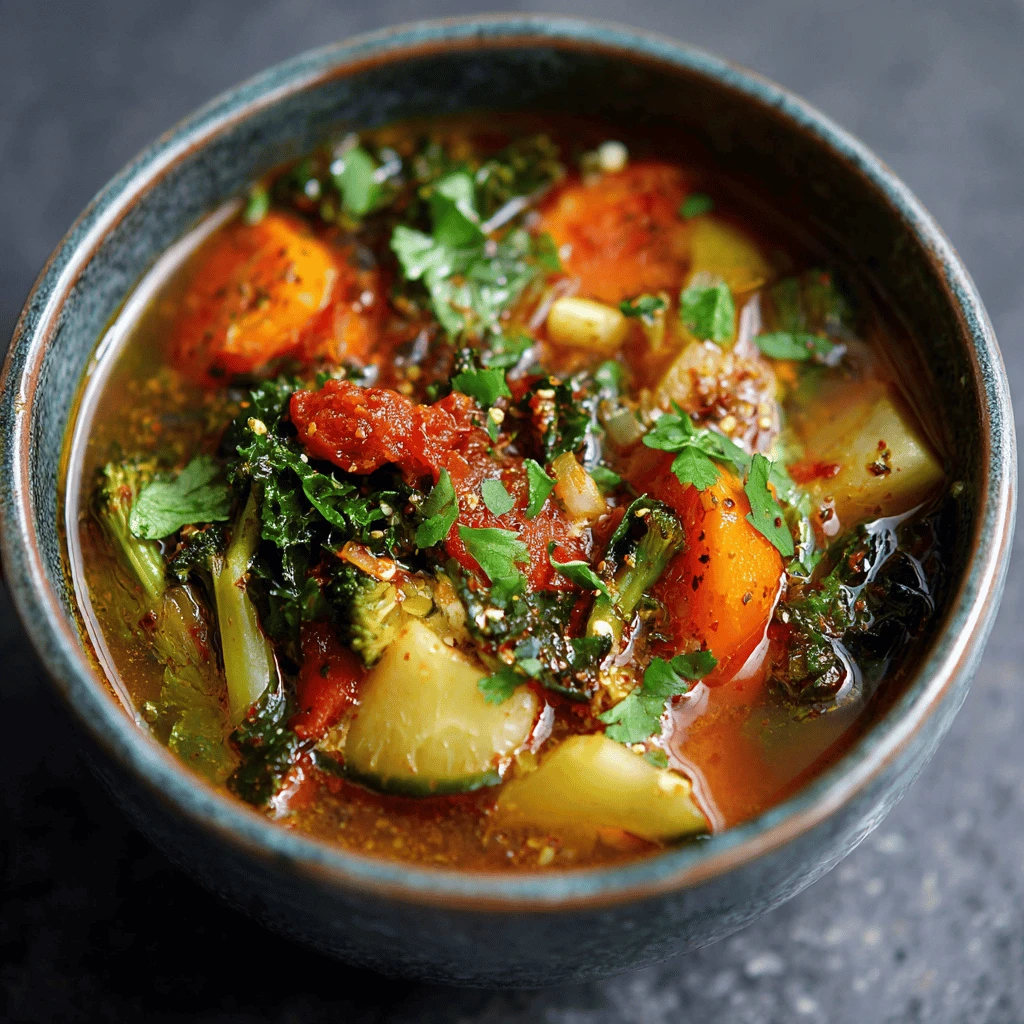
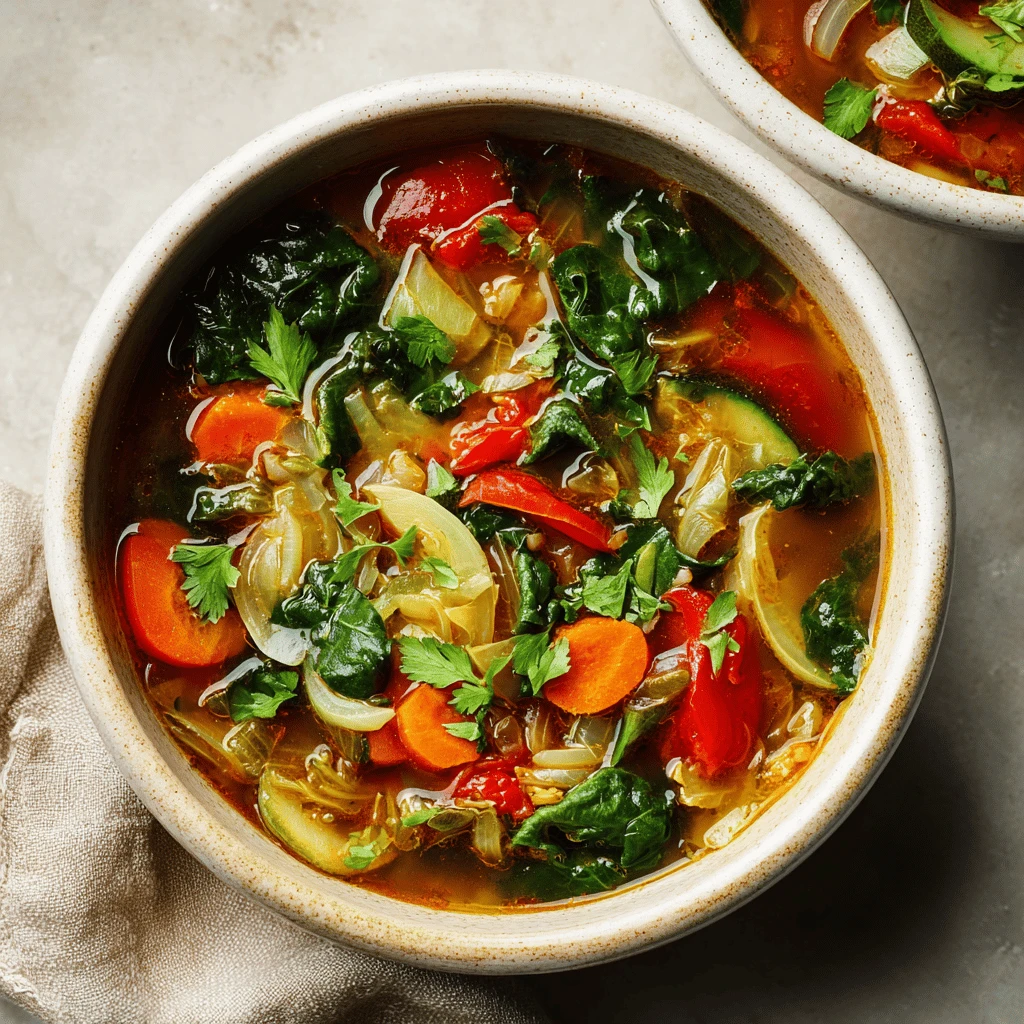
Hearty Vegetable Detox Soup: Your Guide to Rejuvenation
Introduction: Embrace the Goodness of Vegetable Detox Soup
In a world filled with processed foods and environmental toxins, our bodies often crave a reset. A hearty vegetable detox soup offers a delicious and effective way to gently cleanse, nourish, and revitalize your system. Packed with vitamins, minerals, and fiber, this soup isn’t just a fad diet – it’s a wholesome meal that supports your well-being. This guide will walk you through the benefits of vegetable detox soup, how to make your own, and answer common questions about incorporating it into your routine.
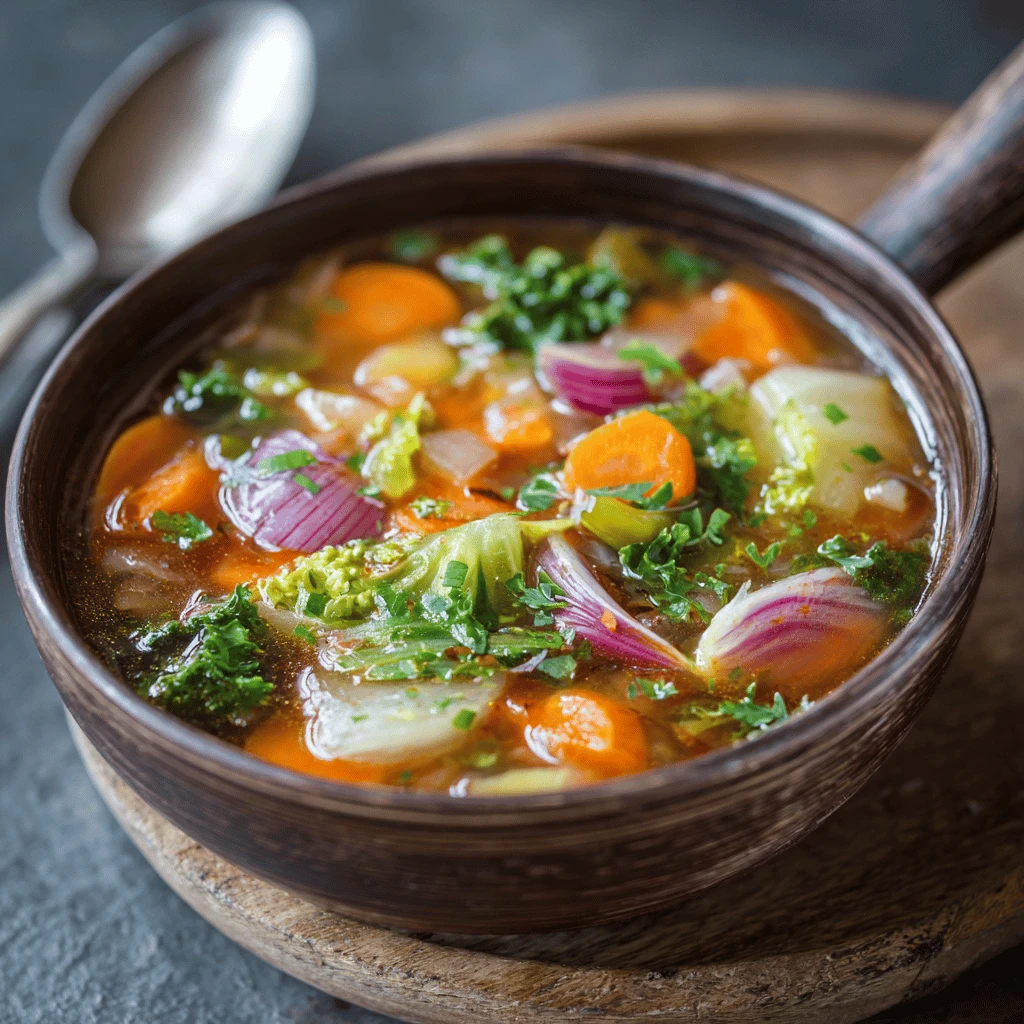
Benefits of a Vegetable Detox Soup
Vegetable detox soup offers a wide range of benefits, making it an excellent addition to a healthy lifestyle. Let’s explore some key advantages:
Detoxification Support
The primary goal of a detox soup is to support the body’s natural detoxification processes. The high fiber content from vegetables like broccoli, cabbage, and carrots helps to bind to toxins in the digestive tract and eliminate them from the body. Leafy greens like spinach and kale are rich in antioxidants that combat free radicals and protect cells from damage caused by toxins.
Improved Digestion
The fiber in vegetable soup promotes healthy digestion by adding bulk to the stool and preventing constipation. Soluble fiber, found in vegetables like carrots and sweet potatoes, helps regulate blood sugar levels and promotes feelings of fullness. A well-functioning digestive system is essential for overall health and nutrient absorption.
Weight Management
Vegetable soup is naturally low in calories and high in fiber, making it a satisfying and effective tool for weight management. The high water content also contributes to satiety, helping you feel full and eat less. Substituting a meal or two with vegetable soup can be a simple way to reduce calorie intake without feeling deprived.
Boosted Immunity
The abundance of vitamins and minerals in vegetable soup supports a strong immune system. Vitamin C, found in bell peppers and tomatoes, is a powerful antioxidant that helps protect against infection. Vitamin A, abundant in carrots and sweet potatoes, is essential for healthy immune function. Zinc, present in lentils and beans (optional additions), also plays a crucial role in immune response.
Increased Energy Levels
When your body is overloaded with toxins, it can lead to fatigue and sluggishness. By supporting detoxification and providing essential nutrients, vegetable soup can help boost energy levels. The easily digestible nature of the soup also allows your body to focus on energy production rather than struggling to break down heavy, processed foods.
Crafting Your Perfect Detox Soup
Creating your own hearty vegetable detox soup is easier than you might think. The beauty of this recipe is its flexibility – you can adapt it to your own preferences and dietary needs. Here’s a basic framework and some ideas to get you started:
Core Ingredients
- Base: Water, vegetable broth (low sodium), or bone broth.
- Foundation Vegetables: Onions, garlic, celery, carrots. These provide flavor and essential nutrients.
- Cruciferous Vegetables: Broccoli, cabbage, cauliflower, Brussels sprouts. Known for their detoxification properties.
- Leafy Greens: Spinach, kale, Swiss chard. Packed with vitamins and minerals.
- Optional Additions: Lentils, beans (for added protein and fiber), sweet potatoes, zucchini, bell peppers, tomatoes.
Flavor Enhancements
- Herbs: Parsley, cilantro, basil, thyme, oregano, rosemary. Add fresh herbs for maximum flavor and nutritional benefits.
- Spices: Ginger, turmeric, cayenne pepper, black pepper. These spices offer anti-inflammatory and antioxidant properties.
- Acidity: Lemon juice or apple cider vinegar. A squeeze of lemon juice or a splash of apple cider vinegar brightens the flavor and aids digestion.
Basic Recipe
1. Sauté: In a large pot, sauté onions, garlic, and celery in a little olive oil or coconut oil until softened.
2. Add Broth: Pour in your chosen broth or water and bring to a boil.
3. Add Vegetables: Add your foundation vegetables (carrots, etc.) and cruciferous vegetables.
4. Simmer: Reduce heat and simmer for 15-20 minutes, or until the vegetables are tender.
5. Add Greens: Stir in leafy greens during the last few minutes of cooking.
6. Season: Season with herbs, spices, and a squeeze of lemon juice or apple cider vinegar.
7. Blend (Optional): For a creamier texture, use an immersion blender to partially blend the soup.
Customization Ideas
- Spicy Kick: Add a pinch of cayenne pepper or a chopped jalapeño for a fiery boost.
- Asian-Inspired: Use ginger, garlic, soy sauce (low sodium), and sesame oil for an Asian-inspired flavor.
- Mediterranean Twist: Add diced tomatoes, olives, and oregano for a Mediterranean flair.
- Creamy Texture: Add a can of coconut milk (full-fat or light) for a creamy and decadent soup.
- Protein Boost: Add cooked lentils, beans, or shredded chicken (if not aiming for a purely vegetarian detox).
Incorporating Detox Soup into Your Diet
Detox soup isn’t meant to be a long-term replacement for all your meals. It’s a tool to support your health and well-being, best used strategically. Here are some ways to incorporate it into your diet:
Meal Replacement
Replace one or two meals a day with vegetable detox soup. This is a simple way to reduce calorie intake and boost your nutrient intake. Consider having soup for lunch or dinner, especially after a period of indulgence.
Pre- or Post-Workout Fuel
A light bowl of vegetable soup can be a great way to fuel your body before or after a workout. It provides hydration and essential nutrients without weighing you down.
Cleanse Days
Dedicate one or two days a week to focusing on detoxifying foods like vegetable soup. During these cleanse days, aim to consume mostly soup, along with plenty of water and herbal tea.
As a Side Dish
Serve vegetable soup as a side dish with your regular meals. This is a simple way to increase your vegetable intake and add a healthy element to your diet.
Listen to Your Body
Pay attention to how your body responds to the soup. If you experience any discomfort, adjust the ingredients or frequency of consumption.
Frequently Asked Questions
Here are some common questions people have about vegetable detox soup:
Q: Is vegetable detox soup a sustainable way to lose weight?
A: While vegetable detox soup can be effective for short-term weight loss due to its low calorie and high fiber content, it’s not a long-term solution. It’s best used as part of a balanced diet and healthy lifestyle. Focus on incorporating it as a meal replacement or side dish rather than relying solely on it for weight loss.
Q: Can I freeze vegetable detox soup?
A: Yes! Vegetable detox soup freezes very well. Allow the soup to cool completely before transferring it to freezer-safe containers or bags. It can be stored in the freezer for up to 2-3 months. When ready to eat, thaw the soup in the refrigerator overnight or gently reheat it on the stovetop.
Q: How long should I “detox” with vegetable soup?
A: There’s no one-size-fits-all answer. Some people enjoy a 1-2 day cleanse, while others incorporate soup into their diet several times a week. Listen to your body and adjust based on your individual needs and preferences. It’s important to note that a “detox” is more about supporting your body’s natural processes rather than a quick fix.
Q: What vegetables should I avoid in detox soup?
A: Generally, there are no vegetables that must be avoided. However, some people might experience digestive discomfort with certain vegetables, such as those high in FODMAPs (fermentable oligo-, di-, mono-saccharides and polyols). If you are sensitive to FODMAPs, you may want to limit your intake of onions, garlic, cauliflower, and broccoli.
Q: Is vegetable detox soup safe for everyone?
A: While vegetable detox soup is generally safe for most people, it’s always a good idea to consult with your healthcare provider, especially if you have any underlying health conditions or are taking medications. Pregnant or breastfeeding women should also consult with their doctor before making significant changes to their diet.
Q: Can I add protein to my detox soup?
A: Absolutely! Adding protein can make the soup more satisfying and balanced. Consider adding cooked lentils, beans, chickpeas, or shredded chicken (if you’re not aiming for a vegetarian detox). Tofu or tempeh can also be added for a plant-based protein source.
Q: How do I store leftovers?
A: Store leftover vegetable detox soup in an airtight container in the refrigerator for up to 3-4 days. Reheat gently on the stovetop or in the microwave until heated through.