

Hearty Potato Feel-Better Soup
When comfort calls, few things answer quite like a warm, nourishing bowl of soup. And when you’re feeling under the weather, a Hearty Potato Feel-Better Soup can be the perfect remedy. This isn’t just any potato soup; it’s a symphony of flavors and textures designed to soothe your soul and restore your strength. From the creamy, comforting base to the customizable toppings, this soup is a hug in a bowl.

The Power of Potato Soup When You’re Under the Weather
Potato soup isn’t just delicious; it’s packed with benefits that can help you feel better. Potatoes are a good source of carbohydrates, providing energy when you might not feel like eating much else. They also contain vitamins and minerals like vitamin C and potassium, which are essential for immune function and electrolyte balance. The warmth of the soup itself can be incredibly soothing for a sore throat, and the broth helps keep you hydrated.
Furthermore, the simplicity of potato soup makes it gentle on the stomach, which is crucial when you’re dealing with digestive upset. Unlike heavy, rich foods, a well-made potato soup is easy to digest, allowing your body to focus on healing. It’s a blank canvas for adding ingredients that boost its nutritional value and therapeutic properties.
Building the Foundation: Choosing the Right Ingredients
The quality of your Hearty Potato Feel-Better Soup depends heavily on the ingredients you select. Here’s a breakdown of the key components:
- Potatoes: Opt for starchy potatoes like Yukon Gold or Russet. Yukon Golds offer a creamy texture and slightly buttery flavor, while Russets break down beautifully to create a thick and comforting soup. You can also use a combination of both for a more complex texture.
- Broth: Chicken broth is a classic choice for its comforting flavor and added nutrients. Vegetable broth is a great option for a vegetarian or vegan soup. Low-sodium broth is recommended, allowing you to control the salt level to your liking. Homemade broth is always the best option for maximum flavor and nutritional value, but high-quality store-bought options work well too.
- Aromatics: Onions, garlic, and celery form the aromatic base of the soup, adding depth and complexity. Sautéing them gently in butter or olive oil before adding the broth releases their flavors and creates a fragrant foundation. Consider adding leeks for a milder, sweeter onion flavor.
- Dairy (Optional): Milk, cream, or half-and-half can be added for extra creaminess. If you’re dairy-free, coconut milk or a cashew cream sauce can be excellent substitutes. Start with a small amount and adjust to your desired consistency.
- Herbs and Spices: Fresh herbs like thyme, parsley, and chives add brightness and flavor. Dried herbs like bay leaf and oregano can also be used, but use them sparingly as their flavor is more concentrated. Salt, pepper, and a pinch of nutmeg are essential for seasoning. A touch of red pepper flakes can add a subtle warmth.
The Recipe: Crafting Your Feel-Better Soup
This recipe provides a basic framework; feel free to adjust the ingredients and quantities to your liking.
Ingredients:
- 2 tablespoons butter or olive oil
- 1 medium onion, chopped
- 2 cloves garlic, minced
- 2 stalks celery, chopped
- 4 cups chicken or vegetable broth
- 1.5 pounds potatoes, peeled and cubed
- 1 bay leaf
- 1/2 teaspoon dried thyme
- Salt and pepper to taste
- 1/2 cup milk, cream, or dairy-free alternative (optional)
- Fresh parsley or chives, chopped (for garnish)
Instructions:
1. In a large pot or Dutch oven, melt the butter or olive oil over medium heat. Add the onion, garlic, and celery and cook until softened, about 5-7 minutes.
2. Add the broth, potatoes, bay leaf, and thyme. Bring to a boil, then reduce heat and simmer for 15-20 minutes, or until the potatoes are tender.
3. Remove the bay leaf. If desired, use an immersion blender to partially or fully blend the soup until smooth. Alternatively, carefully transfer the soup to a regular blender in batches and blend until smooth.
4. Stir in the milk, cream, or dairy-free alternative (if using) and heat through. Season with salt and pepper to taste.
5. Garnish with fresh parsley or chives and serve hot.
Tips for Perfection
- Don’t overcook the potatoes: Overcooked potatoes can become mushy and affect the texture of the soup. Cook them until they are just tender enough to pierce with a fork.
- Season generously: Potatoes tend to absorb a lot of salt, so don’t be afraid to season the soup generously. Taste and adjust the seasoning as needed.
- Add acidity: A squeeze of lemon juice or a splash of vinegar can brighten the flavors of the soup and add a pleasant tang.
- Customize your toppings: The toppings are where you can really personalize your soup. Crispy bacon, shredded cheese, sour cream, hot sauce, and croutons are all great options.
Elevating Your Soup: Adding Extra Feel-Good Ingredients
While the basic potato soup is comforting on its own, you can enhance its healing properties by adding ingredients known for their health benefits:
- Ginger: Grated fresh ginger adds a warming spice and is known for its anti-inflammatory and anti-nausea properties. Add it along with the garlic and onion.
- Turmeric: This vibrant spice is a powerful antioxidant and anti-inflammatory. Add a pinch of turmeric powder or a small piece of grated fresh turmeric to the soup.
- Lemon: A squeeze of fresh lemon juice not only brightens the flavor but also provides a boost of vitamin C, which is essential for immune function.
- Bone Broth: Replacing some or all of the regular broth with bone broth adds a wealth of collagen, amino acids, and minerals, which are beneficial for gut health and overall well-being.
- Greens: Adding leafy greens like spinach or kale towards the end of cooking provides extra vitamins and minerals. They wilt quickly in the hot soup, so add them just before serving.
- Chicken: Adding shredded cooked chicken makes the soup more hearty and provides a good source of protein, which is essential for rebuilding strength. Use leftover rotisserie chicken for convenience.
Serving and Storing Your Hearty Creation
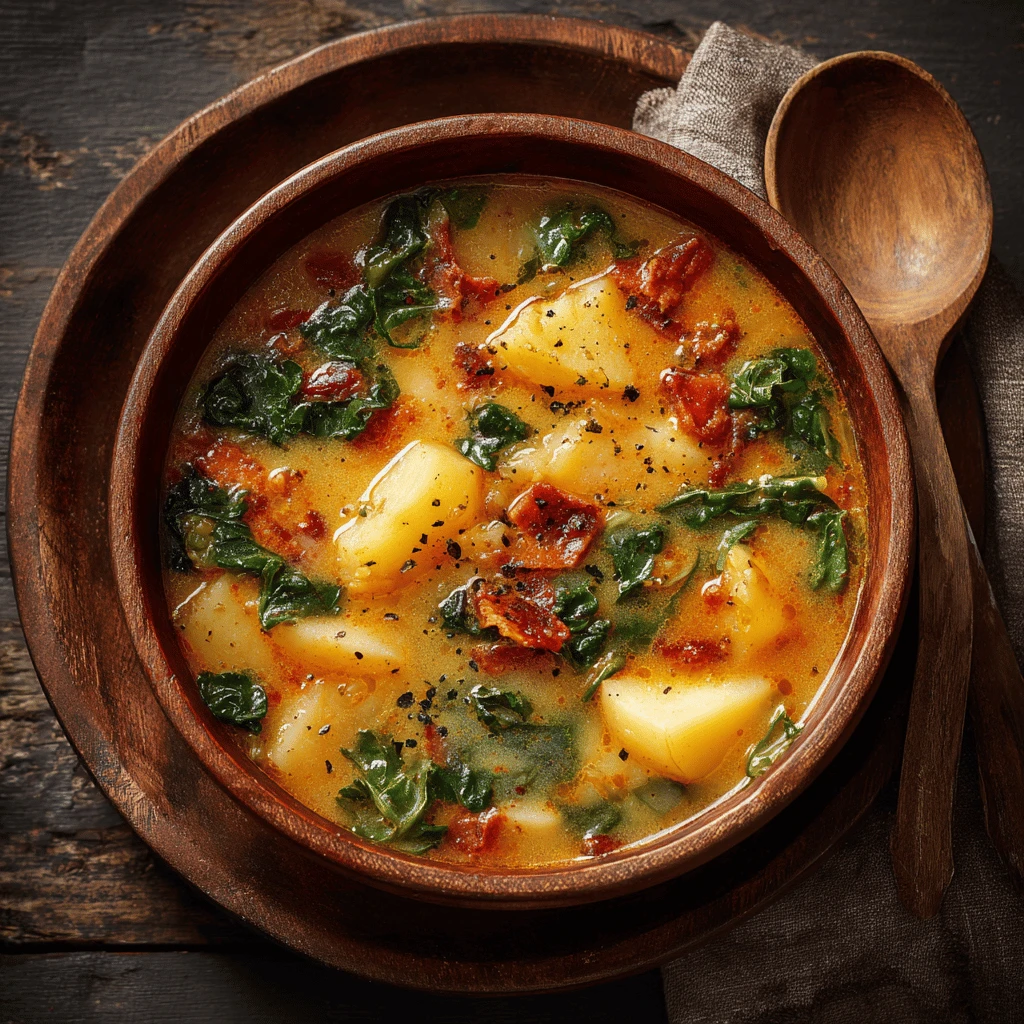
Serve your Hearty Potato Feel-Better Soup hot, garnished with your favorite toppings. It’s delicious on its own or served with a side of crusty bread for dipping.
Storage:
- Refrigerate: Leftover soup can be stored in an airtight container in the refrigerator for up to 3-4 days.
- Freeze: For longer storage, freeze the soup in individual portions in freezer-safe containers or bags. It can be frozen for up to 2-3 months. Thaw overnight in the refrigerator before reheating.
- Reheating: Reheat the soup gently over medium heat on the stovetop, stirring occasionally. You may need to add a little extra broth or water to thin it out if it has thickened during storage. Microwave reheating is also an option, but be sure to stir frequently to ensure even heating.
Frequently Asked Questions (FAQ)
- Can I make this soup vegan?
Yes, absolutely! Simply use vegetable broth instead of chicken broth and replace the dairy with a plant-based alternative like coconut milk, cashew cream, or oat milk. Ensure any toppings you use are also vegan.
- Can I use different types of potatoes?
Yes, you can experiment with different types of potatoes. Yukon Gold and Russet potatoes are recommended for their texture and flavor, but you can also try using red potatoes or a combination of different varieties. Keep in mind that different potatoes will cook at different rates.
- How can I make the soup thicker?
If you prefer a thicker soup, you can blend more of it with an immersion blender or regular blender. You can also add a slurry of cornstarch or flour mixed with cold water to the soup while it's simmering. Another option is to simply simmer the soup for a longer period of time, allowing some of the liquid to evaporate.
- Can I add meat to this soup?
Yes, you can definitely add meat to this soup. Cooked and shredded chicken, crumbled bacon, or diced ham are all excellent additions. Add the meat towards the end of cooking to heat it through.
- What are some good toppings for potato soup?
The possibilities for toppings are endless! Some popular options include: shredded cheese (cheddar, Monterey Jack, or Gruyere), sour cream or Greek yogurt, crispy bacon bits, chopped chives or green onions, hot sauce, croutons, and a drizzle of olive oil.
- Is potato soup healthy?
Potato soup can be a healthy and nutritious meal, depending on the ingredients and preparation methods. It provides carbohydrates for energy, as well as vitamins and minerals. Using low-sodium broth and adding plenty of vegetables can enhance its nutritional value. Be mindful of added fats and sodium, especially if using processed ingredients.
- Can I make this soup in a slow cooker?
Yes, you can adapt this recipe for a slow cooker. Add all of the ingredients (except the dairy, if using) to the slow cooker. Cook on low for 6-8 hours or on high for 3-4 hours, or until the potatoes are tender. Blend the soup with an immersion blender, then stir in the dairy and heat through.
- How can I prevent my potato soup from being gluey?
To prevent potato soup from becoming gluey, avoid overcooking the potatoes. Also, be careful not to over-blend the soup, as this can release too much starch. If you are using a blender, pulse it gently rather than blending continuously.