
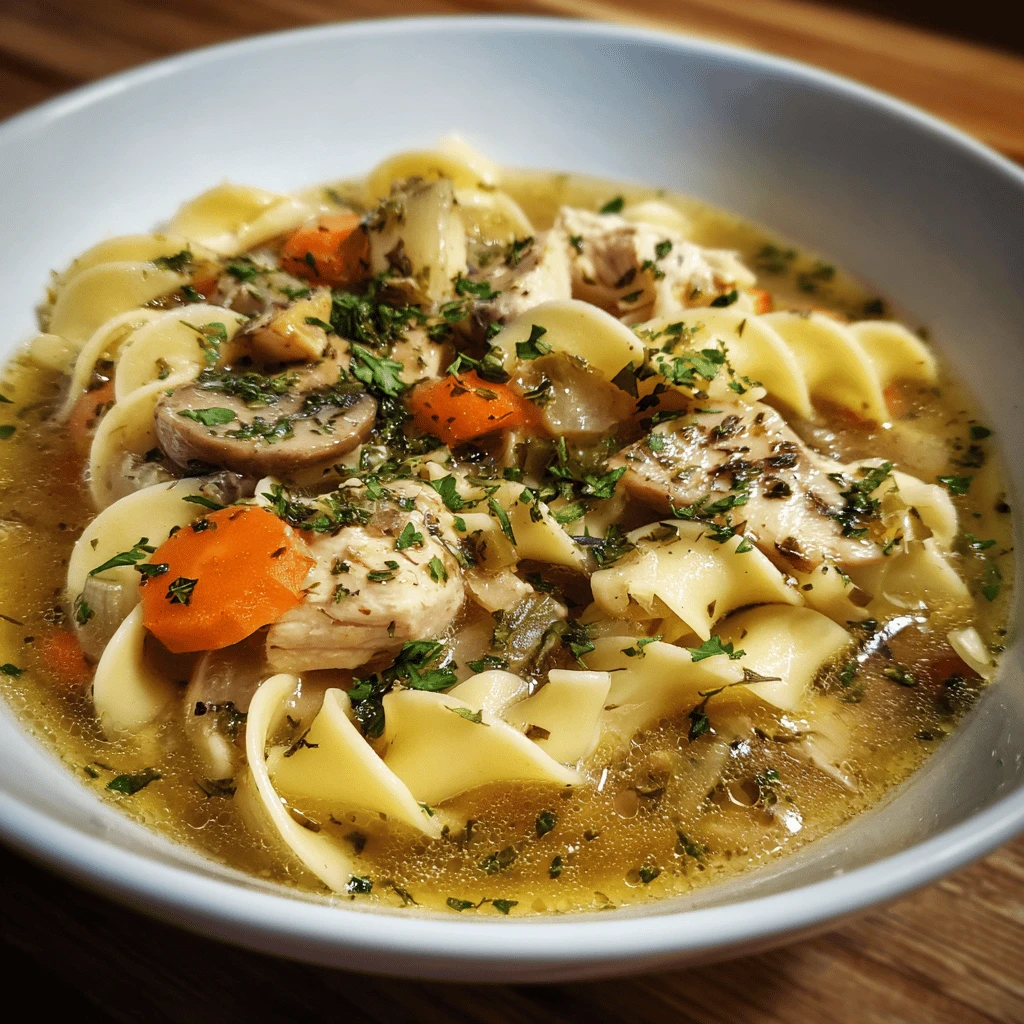
Hearty Chicken Noodle Soup
Nothing warms the soul like a steaming bowl of hearty chicken noodle soup. This classic comfort food is not only delicious but also incredibly versatile, offering endless opportunities for customization. Whether you’re battling a cold, seeking a comforting meal on a chilly day, or simply craving a taste of home, this guide will provide you with everything you need to create the perfect bowl of chicken noodle soup.
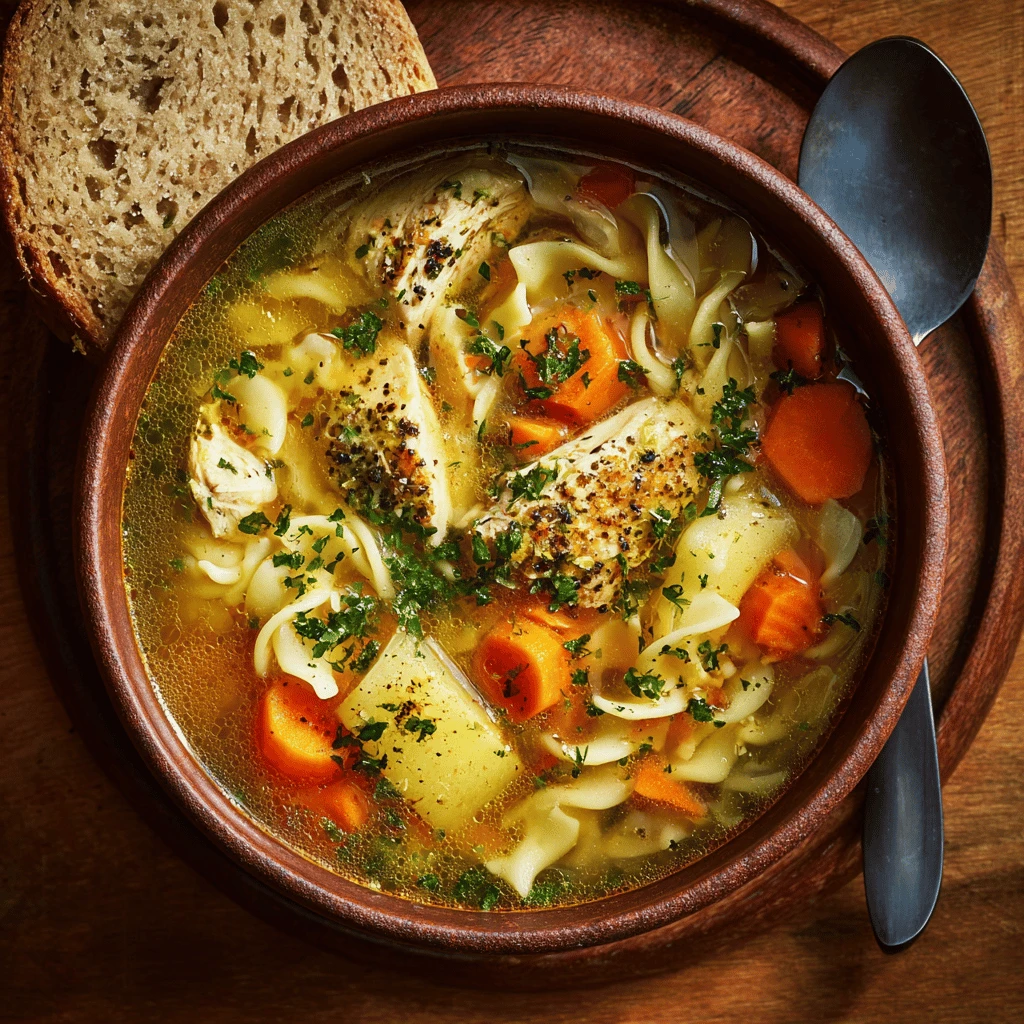
The Foundation: Building Flavor from Scratch
The key to an exceptional chicken noodle soup lies in building a rich and flavorful foundation. Starting with high-quality ingredients and employing proper techniques will elevate your soup from ordinary to extraordinary.
Choosing the Right Chicken
The type of chicken you use significantly impacts the soup’s flavor. Options include:
- Whole Chicken: Using a whole chicken allows you to extract maximum flavor for the broth and provides plenty of meat for the soup. This method often results in the most robust and satisfying flavor.
- Bone-In Chicken Pieces (Thighs, Drumsticks): These cuts offer a good balance of flavor and affordability. Bone-in pieces contribute richness to the broth and remain tender during cooking.
- Boneless, Skinless Chicken Breasts: While convenient, chicken breasts can sometimes dry out if overcooked. To prevent this, add them later in the cooking process and poach gently.
For optimal flavor, consider using bone-in, skin-on chicken thighs. The higher fat content keeps the meat moist and adds depth to the broth.
Crafting a Flavorful Broth
The broth is the heart of any good chicken noodle soup. A well-made broth infuses the entire soup with flavor and provides a soothing base for the other ingredients.
- Mirepoix: A mirepoix, a combination of diced onions, carrots, and celery, is essential for building a flavorful base. Sautéing these vegetables in a little oil or butter before adding the chicken allows them to release their natural sweetness and create a deeper flavor profile.
- Herbs and Spices: Bay leaves, thyme, parsley, and peppercorns are classic additions to chicken broth. Adding them early in the cooking process allows their flavors to meld and infuse the broth.
- Simmering Time: Patience is key when making broth. Simmering the chicken and vegetables for at least an hour, or even longer, will extract maximum flavor. Avoid boiling the broth, as this can make the chicken tough and the broth cloudy.
- Degreasing: After simmering, carefully remove the chicken and vegetables from the broth. Strain the broth through a fine-mesh sieve to remove any solids. Allow the broth to cool slightly, then skim off any excess fat from the surface. This will result in a clearer, cleaner-tasting soup.
Adding Depth with Aromatics
Beyond the mirepoix, consider adding other aromatics to enhance the broth’s complexity.
- Garlic: A few cloves of minced garlic added during the last 30 minutes of simmering can add a pungent and savory note.
- Ginger: A small piece of fresh ginger, peeled and grated, can add a subtle warmth and spice to the broth.
- Lemon: A squeeze of lemon juice at the end of cooking can brighten the flavors and add a touch of acidity.
Noodles and Vegetables: Choosing Your Complementary Ingredients
Once you have a flavorful broth, it’s time to add the noodles and vegetables that will complete your soup.
Selecting the Perfect Noodles
The type of noodle you choose can significantly impact the texture and overall enjoyment of the soup.
- Egg Noodles: These are a classic choice for chicken noodle soup, offering a tender and slightly chewy texture. Look for wide or medium egg noodles for a substantial bite.
- Pasta Shapes (Ditalini, Rotini, Shells): Smaller pasta shapes are a good option for children or those who prefer a more delicate soup.
- Gluten-Free Noodles: For those with gluten sensitivities, there are many delicious gluten-free noodle options available, such as rice noodles or quinoa pasta.
To prevent the noodles from becoming mushy, add them to the soup during the last 10-15 minutes of cooking, or cook them separately and add them to the soup just before serving.
Incorporating Nutritious Vegetables
Adding a variety of vegetables not only enhances the flavor of the soup but also provides valuable nutrients.
- Classic Vegetables: Carrots, celery, and onions are staples in chicken noodle soup, providing sweetness, aroma, and texture.
- Other Vegetables: Consider adding other vegetables such as peas, corn, green beans, zucchini, or spinach for added flavor and nutrition.
- Timing: Add vegetables that require longer cooking times, such as carrots and celery, earlier in the process. Add more delicate vegetables, such as spinach and zucchini, towards the end of cooking to prevent them from becoming overcooked.
For a more rustic soup, consider roasting the vegetables before adding them to the broth. This will caramelize the vegetables and add a deeper, richer flavor.
Seasoning and Finishing Touches: Perfecting the Flavor Profile
Seasoning is crucial for bringing out the flavors of the ingredients and creating a balanced and harmonious soup.
Balancing Flavors with Salt and Pepper
Salt and pepper are the foundation of all good seasoning. Add salt gradually, tasting as you go, until the soup reaches your desired level of saltiness. Freshly ground black pepper adds a touch of spice and complexity.
Adding Fresh Herbs
Fresh herbs add a vibrant aroma and flavor to the soup.
- Parsley: Fresh parsley is a classic garnish for chicken noodle soup, adding a bright and herbaceous note.
- Dill: Fresh dill adds a delicate and slightly anise-like flavor that pairs well with chicken.
- Chives: Chopped chives add a mild onion flavor and a pop of color.
Add fresh herbs just before serving to preserve their flavor and aroma.
Adding Acidity
A touch of acidity can brighten the flavors of the soup and create a more balanced profile.
- Lemon Juice: A squeeze of fresh lemon juice adds a bright and tangy flavor.
- Apple Cider Vinegar: A small splash of apple cider vinegar adds a subtle sweetness and acidity.
Add acidity to the soup just before serving, tasting as you go, until you reach your desired level of brightness.
Variations and Customizations: Making it Your Own
One of the best things about chicken noodle soup is its versatility. Feel free to experiment with different ingredients and techniques to create a soup that suits your taste.
Spicy Chicken Noodle Soup
Add a pinch of red pepper flakes or a dash of your favorite hot sauce for a spicy kick. You can also add a diced jalapeño pepper to the mirepoix for a more intense heat.
Creamy Chicken Noodle Soup
For a richer and creamier soup, stir in a splash of heavy cream or half-and-half at the end of cooking. You can also add a dollop of sour cream or plain yogurt to each bowl just before serving.
Chicken and Dumpling Soup
Substitute the noodles with homemade or store-bought dumplings for a heartier and more comforting soup.
Asian-Inspired Chicken Noodle Soup
Add ingredients like ginger, garlic, soy sauce, and sesame oil to create an Asian-inspired chicken noodle soup. You can also add vegetables like bok choy, mushrooms, and bean sprouts.
Vegetarian “Chicken” Noodle Soup
Use vegetable broth and plant-based chicken substitutes such as tofu or tempeh to create a vegetarian version of chicken noodle soup.
Serving and Storing: Enjoying and Preserving Your Soup
Once your soup is ready, it’s time to serve and enjoy!
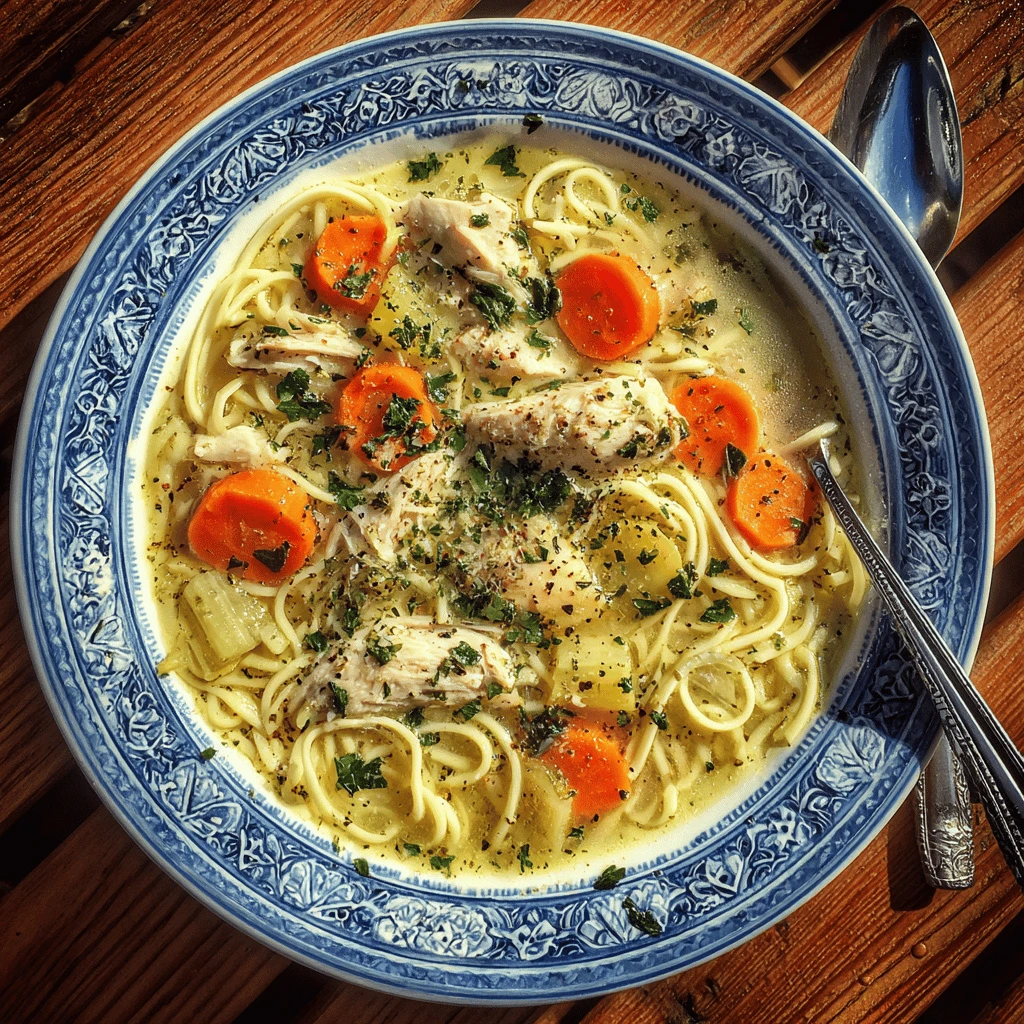
Serving Suggestions
- Garnish: Garnish each bowl of soup with fresh herbs, a squeeze of lemon juice, or a dollop of sour cream.
- Sides: Serve the soup with crusty bread, crackers, or a side salad.
- Warmth: Make sure the soup is served hot for maximum enjoyment.
Storing Leftovers
- Refrigeration: Allow the soup to cool completely before storing it in an airtight container in the refrigerator for up to 3-4 days.
- Freezing: For longer storage, freeze the soup in individual portions in freezer-safe containers for up to 2-3 months.
- Reheating: Reheat the soup on the stovetop over medium heat or in the microwave until heated through. Add a little extra broth or water if the soup has thickened during storage.
- Noodle Consideration: Be aware that noodles can become softer upon refrigeration and may affect the texture of the leftover soup.
FAQ: Frequently Asked Questions About Chicken Noodle Soup
-
- How do I prevent my noodles from getting mushy?
To prevent mushy noodles, add them to the soup during the last 10-15 minutes of cooking. Alternatively, cook the noodles separately and add them to the soup just before serving.
-
- Can I use rotisserie chicken for chicken noodle soup?
Yes, rotisserie chicken is a great shortcut for making chicken noodle soup. Simply shred the chicken and add it to the soup during the last 15-20 minutes of cooking.
-
- How do I make chicken noodle soup in a slow cooker?
To make chicken noodle soup in a slow cooker, add the chicken, mirepoix, herbs, and broth to the slow cooker. Cook on low for 6-8 hours or on high for 3-4 hours. Remove the chicken, shred it, and return it to the slow cooker. Add the noodles and cook until tender, about 30 minutes.
-
- Can I freeze chicken noodle soup?
Yes, chicken noodle soup can be frozen for up to 2-3 months. However, the noodles may become softer upon thawing and reheating.
-
- What kind of broth is best for chicken noodle soup?
Homemade chicken broth is the best option for chicken noodle soup, as it has the most flavor. However, you can also use store-bought chicken broth or chicken bouillon cubes in a pinch.