
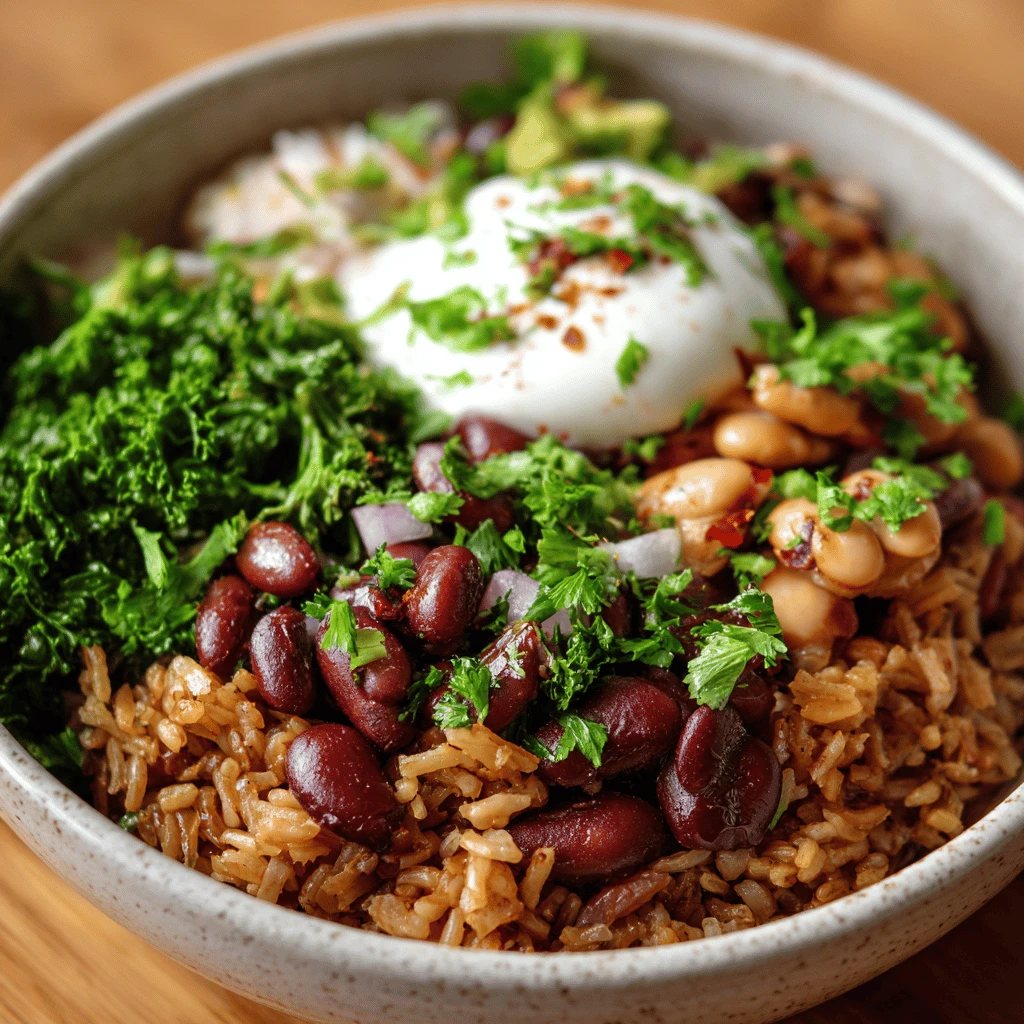
Healthy Crockpot Beans Rice Bowl
Craving a hearty, healthy, and convenient meal? Look no further than the Crockpot Beans and Rice Bowl. This versatile dish is a budget-friendly, nutrient-packed powerhouse that’s perfect for busy weeknights or meal prepping. Slow cooking beans and rice together infuses them with incredible flavor, creating a satisfying and wholesome experience. Let’s explore how to create the perfect Crockpot Beans and Rice Bowl.
Choosing Your Beans & Rice: The Foundation of Flavor
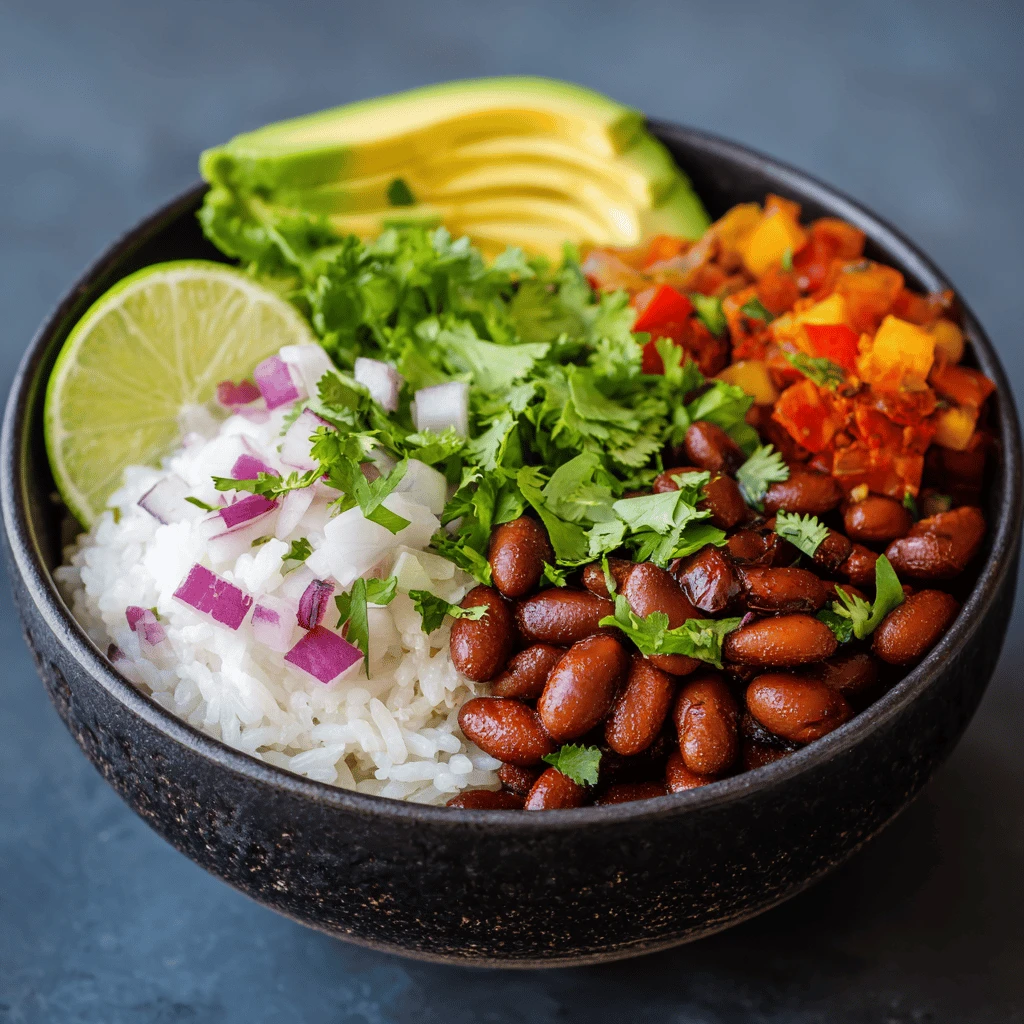
The beauty of a Crockpot Beans and Rice Bowl lies in its adaptability. The possibilities are endless when it comes to bean and rice combinations. Selecting high-quality ingredients will be key to create a successful bowl.
Bean Varieties: A World of Options
- Black Beans: Earthy and slightly sweet, black beans are a classic choice. They hold their shape well during slow cooking and pair perfectly with southwestern spices.
- Pinto Beans: Creamy and mild, pinto beans are another versatile option. They break down slightly during cooking, creating a thicker, more comforting texture.
- Kidney Beans: Rich and hearty, kidney beans offer a robust flavor that stands up well to bold spices.
- Great Northern Beans: Mild and tender, Great Northern beans are a good choice for those who prefer a milder flavor profile.
- Navy Beans: Small and creamy, navy beans are often used in soups and stews, but they also work well in a beans and rice bowl.
- Cannellini Beans: Also known as white kidney beans, they have a mild, nutty flavor and a creamy texture.
Rice Choices: Texture and Flavor
- Brown Rice: A whole grain option that’s rich in fiber and nutrients. Brown rice takes longer to cook than white rice, so adjust cooking times accordingly.
- White Rice: A faster-cooking option with a milder flavor. Choose long-grain or medium-grain rice for best results.
- Jasmine Rice: Aromatic and slightly sweet, jasmine rice adds a unique flavor dimension to your bowl.
- Basmati Rice: Fluffy and fragrant, basmati rice is another excellent choice for adding flavor and texture.
Dried vs. Canned Beans: A Matter of Preference
While canned beans offer convenience, dried beans generally offer better flavor and are more economical. If using dried beans, be sure to soak them overnight or use the quick-soak method (boil for 2 minutes, then let sit for 1 hour) to reduce cooking time and improve digestibility. Canned beans can be used in a pinch; make sure to rinse them well before adding them to the slow cooker to remove excess sodium.
Building Flavor: Aromatics, Spices, and Liquids
Transforming simple beans and rice into a flavorful and satisfying meal requires the right combination of aromatics, spices, and liquids.
Aromatic Essentials: Onion, Garlic, and More
- Onion: Diced onion is a staple for adding depth of flavor to almost any savory dish. Yellow or white onions work best.
- Garlic: Minced garlic adds a pungent aroma and flavor that complements the beans and spices.
- Peppers: Diced bell peppers (any color) or jalapenos can add a touch of sweetness or heat.
- Celery: Diced celery adds a subtle savory note.
Spice It Up: Creating a Flavor Profile
- Chili Powder: A blend of spices that adds warmth and depth of flavor.
- Cumin: Earthy and warm, cumin is a classic spice for bean dishes.
- Smoked Paprika: Adds a smoky flavor that enhances the savory notes.
- Oregano: A fragrant herb that complements the other spices.
- Cayenne Pepper: For those who like a little heat, cayenne pepper adds a kick.
- Salt and Pepper: Essential for seasoning the beans and rice.
Liquid Gold: Broth vs. Water
- Broth: Vegetable broth or chicken broth (if not vegetarian) adds more flavor than water.
- Water: Water can be used, but it will result in a less flavorful dish. Consider adding a bouillon cube or seasoning blend to boost the flavor.
- Tomato Sauce or Diced Tomatoes: Adds a touch of acidity and sweetness.
The Slow Cooker Method: A Step-by-Step Guide
Slow cooking is the key to unlocking the full flavor potential of beans and rice.
Preparing the Ingredients
1. Soak the beans (if using dried): Soak overnight or use the quick-soak method. Drain and rinse well.
2. Chop the vegetables: Dice the onion, garlic, peppers, and celery.
3. Measure the rice: Rinse the rice under cold water until the water runs clear.
Assembling the Crockpot
1. Combine ingredients: Add the soaked beans (or rinsed canned beans), rice, diced vegetables, spices, and liquid to the slow cooker.
2. Stir well: Ensure all ingredients are evenly distributed.
3. Cook: Cover and cook on low for 6-8 hours or on high for 3-4 hours, or until the beans are tender and the rice is cooked through. Cooking times may vary depending on your slow cooker.
4. Check for doneness: The beans should be easily mashed with a fork, and the rice should be tender and fluffy.
5. Adjust liquid: If the mixture is too dry, add more liquid. If it’s too wet, remove the lid and cook for an additional 30 minutes to allow some of the liquid to evaporate.
Serving Suggestions: Building Your Bowl
- Toppings: Avocado, salsa, sour cream or Greek yogurt, shredded cheese, cilantro, green onions, hot sauce.
- Protein: Grilled chicken, steak, tofu, or tempeh.
- Vegetables: Sautéed vegetables, roasted vegetables, or a fresh salad.
Variations and Adaptations: Customize Your Bowl
The Crockpot Beans and Rice Bowl is a blank canvas for culinary creativity.
Regional Flavors: Exploring Global Cuisine
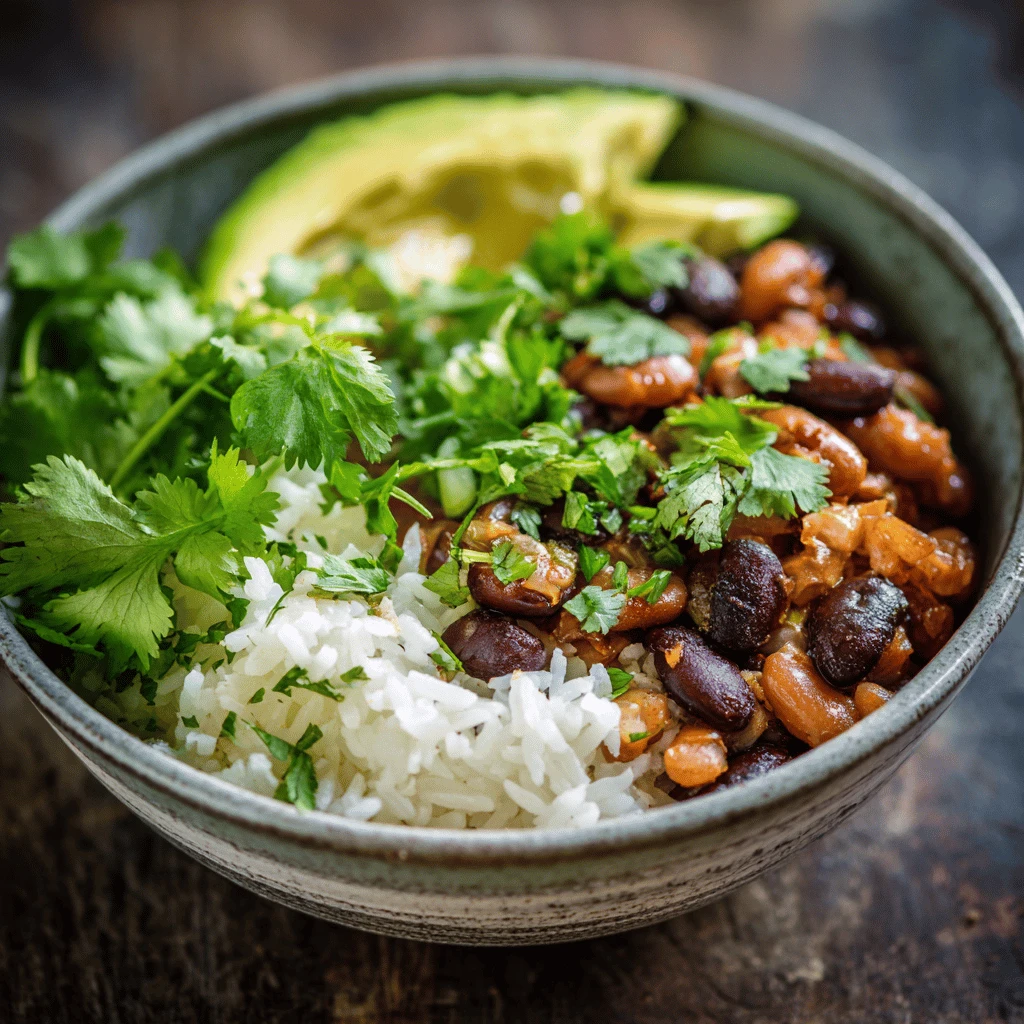
- Mexican: Add corn, black beans, salsa, and Mexican spices. Top with avocado, sour cream, and cilantro.
- Indian: Use lentils instead of beans, add curry powder and coconut milk. Serve with naan bread.
- Mediterranean: Add chickpeas, diced tomatoes, olives, and feta cheese. Drizzle with olive oil.
- Cajun: Add andouille sausage, bell peppers, and Cajun spices. Serve with hot sauce.
- Caribbean: Add coconut milk, scotch bonnet pepper (use sparingly!), and allspice. Serve with plantains.
Dietary Considerations: Vegan, Vegetarian, and Gluten-Free
- Vegan/Vegetarian: Use vegetable broth and omit any meat products.
- Gluten-Free: Ensure all ingredients are gluten-free.
Tips and Tricks for Success
- Don’t overcook: Overcooked beans can become mushy.
- Adjust seasoning: Taste and adjust the seasoning as needed.
- Add acid: A squeeze of lime juice or a splash of vinegar can brighten the flavors.
- Storage: Leftovers can be stored in the refrigerator for up to 4 days or in the freezer for up to 3 months.
Frequently Asked Questions
- Can I use canned beans instead of dried beans?
Yes, you can use canned beans. Rinse them well before adding them to the slow cooker. Reduce the cooking time by 1-2 hours.
- Do I need to soak the beans?
Soaking dried beans helps to reduce cooking time and improve digestibility. While not strictly necessary, it is recommended.
- Can I freeze Crockpot Beans and Rice?
Yes, Crockpot Beans and Rice freezes very well. Allow it to cool completely before transferring it to freezer-safe containers or bags.
- How do I prevent my beans from being mushy?
Avoid overcooking the beans. Start checking for doneness after 6 hours on low or 3 hours on high.
- What kind of rice is best for Crockpot Beans and Rice?
Long-grain rice, such as brown rice or white rice, is a good choice. Avoid using instant rice.
- Can I add meat to this recipe?
Yes, you can add cooked chicken, beef, sausage, or any other meat of your choice. Add it during the last hour of cooking to prevent it from drying out.
- What if my beans are still hard after cooking?
If your beans are still hard after the recommended cooking time, add more liquid and continue cooking for another hour or two, checking periodically for doneness. Altitude can affect cooking times.
- How can I make this recipe spicier?
Add more chili powder, cayenne pepper, or hot sauce to taste. You can also add a diced jalapeño pepper to the slow cooker.