

Healthy Creamy Pork Soup: A Hearty and Nourishing Recipe
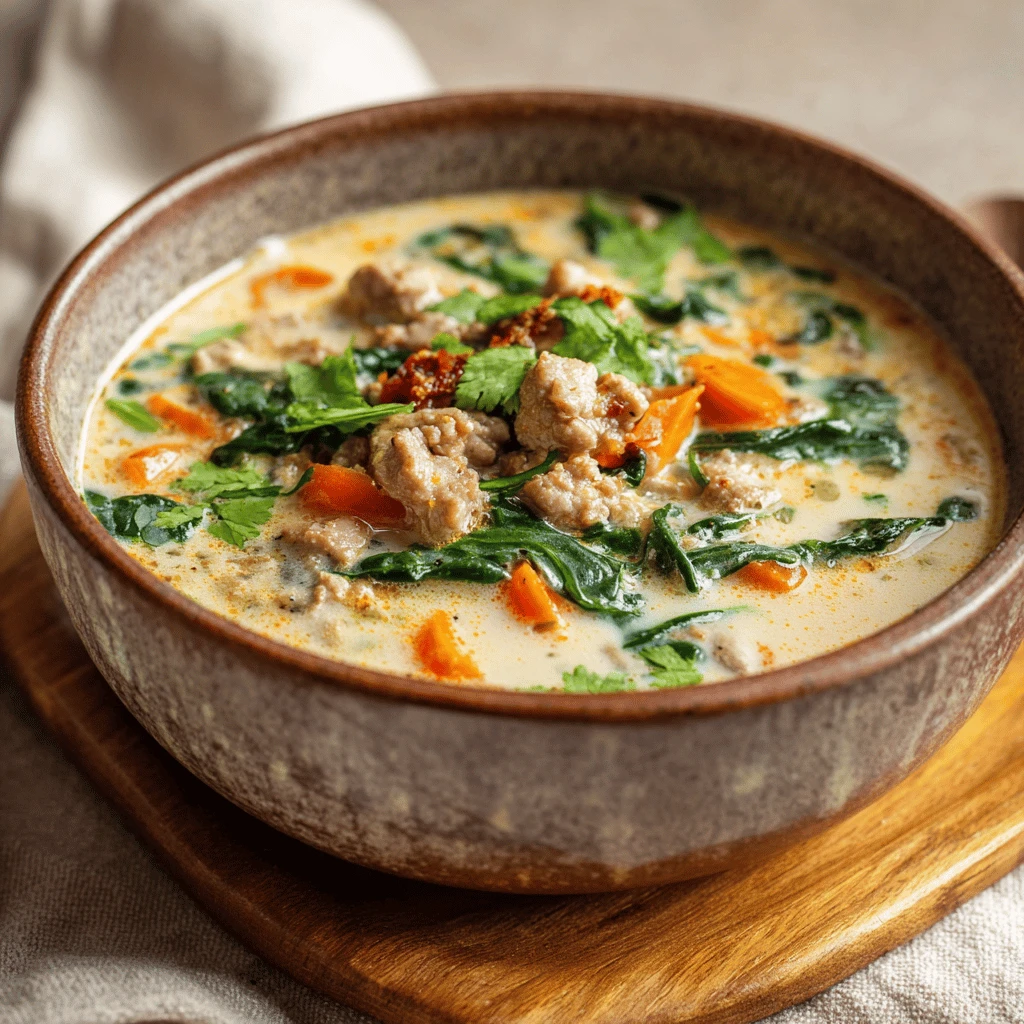
Creamy soups often conjure images of rich, calorie-laden dishes. But what if you could enjoy a creamy, flavorful pork soup that’s both comforting and healthy? This article explores how to create a delectable and nourishing creamy pork soup, packed with lean protein, wholesome vegetables, and healthy fats, without sacrificing flavor or texture. We’ll delve into ingredient selection, cooking techniques, and variations to help you craft the perfect bowl of goodness.

The Foundation: Choosing the Right Ingredients
The key to a healthy creamy pork soup lies in selecting the right ingredients. Start with lean cuts of pork like tenderloin or sirloin. These cuts offer a good protein-to-fat ratio, ensuring a satisfying meal without excessive saturated fat. Trim any visible fat before cooking.
Broth is Best: Opt for low-sodium chicken or vegetable broth as the base. This allows you to control the salt content and ensures the soup isn’t overly salty. Homemade broth is even better, as you can customize the flavor profile and avoid artificial additives.
Vegetable Powerhouse: Load up on a variety of vegetables. Carrots, celery, onions, and garlic are classic additions that provide a flavorful base and essential nutrients. Consider adding other vegetables like spinach, kale, mushrooms, or sweet potatoes for added vitamins, minerals, and fiber. Roasting the vegetables before adding them to the soup enhances their sweetness and depth of flavor.
Creaminess Without the Cream: Achieving a creamy texture without heavy cream is crucial for a healthier soup. There are several excellent alternatives:
- Cauliflower Puree: Steamed or roasted cauliflower blended into a smooth puree adds a rich, creamy texture and a dose of vitamins and fiber. It’s a neutral flavor that blends seamlessly into the soup.
- Cashew Cream: Soak raw cashews in hot water for at least 30 minutes, then blend them with fresh water until smooth and creamy. This creates a dairy-free and surprisingly decadent cream substitute.
- Greek Yogurt: Stir in a dollop of plain Greek yogurt just before serving. Greek yogurt adds a tangy creaminess and a boost of protein. Be sure to use full-fat or at least 2% for the best texture, and avoid boiling the soup after adding it, as it can curdle.
- White Beans: Cooked white beans, like cannellini or Great Northern beans, can be pureed and added to the soup for a creamy texture and a boost of fiber and protein.
Flavor Boosters: Don’t be afraid to experiment with herbs and spices. Fresh herbs like thyme, rosemary, parsley, and chives add brightness and aroma. Spices like paprika, garlic powder, onion powder, and black pepper enhance the savory flavor. A touch of lemon juice or vinegar can add acidity and balance the richness.
Step-by-Step: Crafting Your Creamy Pork Soup
Now that you have your ingredients, let’s move on to the cooking process. This recipe provides a general framework; feel free to adjust the quantities and ingredients to your liking.
Searing the Pork: Cut the pork into bite-sized pieces. Heat a tablespoon of olive oil in a large pot or Dutch oven over medium-high heat. Sear the pork until browned on all sides. This step adds depth of flavor to the soup. Remove the pork from the pot and set aside.
Building the Base: Add the chopped onions, carrots, and celery to the pot and cook until softened, about 5-7 minutes. Add the garlic and cook for another minute until fragrant.
Adding the Broth and Vegetables: Pour in the low-sodium broth and add any other vegetables you’re using, such as potatoes, sweet potatoes, or mushrooms. Bring to a boil, then reduce heat and simmer until the vegetables are tender, about 15-20 minutes.
Blending for Creaminess: If you’re using cauliflower puree or white beans, add them to the pot during the last 5-10 minutes of cooking. Use an immersion blender to partially blend the soup until it reaches your desired consistency. Alternatively, you can carefully transfer portions of the soup to a regular blender and blend until smooth, then return to the pot.
Adding the Pork and Finishing Touches: Return the seared pork to the pot and simmer until heated through, about 5 minutes. Stir in your chosen creamy element (Greek yogurt, cashew cream, or a combination) just before serving. Season with salt, pepper, and any other desired herbs or spices to taste.
Serving Suggestions: Garnish with fresh herbs, a swirl of Greek yogurt or cashew cream, or a sprinkle of red pepper flakes for a touch of heat. Serve with a slice of whole-grain bread or a side salad for a complete and satisfying meal.
Variations and Customizations
The beauty of soup lies in its versatility. Here are some variations and customizations to inspire your own creamy pork soup creations:
- Spicy Pork Soup: Add a pinch of red pepper flakes or a diced jalapeno pepper to the soup for a spicy kick.
- Asian-Inspired Pork Soup: Incorporate ingredients like ginger, soy sauce, sesame oil, and bok choy for an Asian-inspired twist.
- Mexican Pork Soup: Add diced tomatoes, corn, black beans, and chili powder for a Mexican-style soup. Top with avocado, cilantro, and a squeeze of lime juice.
- Creamy Pork and Mushroom Soup: Add a variety of mushrooms, such as cremini, shiitake, or oyster mushrooms, for a rich and earthy flavor.
- Slow Cooker Creamy Pork Soup: Sear the pork and sauté the vegetables as directed. Then, transfer everything to a slow cooker and cook on low for 6-8 hours or on high for 3-4 hours. Blend the soup and add your chosen creamy element just before serving.
- Instant Pot Creamy Pork Soup: Sear the pork using the sauté function of your Instant Pot. Add the vegetables and broth, then pressure cook on high for 10-15 minutes, followed by a natural pressure release. Blend the soup and add your chosen creamy element just before serving.
Health Benefits and Nutritional Value
This healthy creamy pork soup offers a range of health benefits. It’s a good source of lean protein, which is essential for building and repairing tissues, supporting immune function, and promoting satiety. The vegetables provide essential vitamins, minerals, and fiber, which are crucial for overall health and well-being.
By using healthy fats and avoiding heavy cream, you can enjoy a creamy soup without excessive saturated fat and calories. The soup is also relatively low in sodium, especially if you use low-sodium broth and control the amount of salt you add.
The fiber from the vegetables and beans (if used) promotes digestive health and can help regulate blood sugar levels. The antioxidants in the vegetables and herbs can protect against cell damage and reduce the risk of chronic diseases.
Compared to many commercially prepared creamy soups, this homemade version is free of artificial additives, preservatives, and excessive amounts of sodium and unhealthy fats. You have complete control over the ingredients, allowing you to tailor the soup to your specific dietary needs and preferences.
Tips and Tricks for Perfect Creamy Pork Soup
- Don’t overcook the pork: Overcooked pork can become dry and tough. Sear it quickly and then simmer it in the soup until just heated through.
- Taste and adjust seasonings: Taste the soup frequently throughout the cooking process and adjust the seasonings as needed. Salt, pepper, herbs, and spices can all be added to enhance the flavor.
- Use an immersion blender with caution: When using an immersion blender, be careful not to splatter hot soup. Start on a low speed and gradually increase the speed as needed.
- Don’t boil the soup after adding Greek yogurt: Boiling the soup after adding Greek yogurt can cause it to curdle. Stir it in gently just before serving.
- Store leftovers properly: Store leftover soup in an airtight container in the refrigerator for up to 3-4 days. Reheat gently on the stovetop or in the microwave.
FAQ: Addressing Common Questions
-
- Can I freeze creamy pork soup?
Yes, you can freeze creamy pork soup, but the texture may change slightly upon thawing. It's best to freeze the soup before adding the creamy element (Greek yogurt or cashew cream). Add the creamy element after thawing and reheating.
-
- How can I make this soup vegetarian?
Substitute the pork with mushrooms or lentils for a vegetarian option. Use vegetable broth as the base.
-
- Can I use a different type of pork?
Yes, you can use other cuts of pork, such as pork shoulder or country-style ribs. However, these cuts require longer cooking times to become tender.
-
- How can I thicken the soup without cream?
Besides the methods mentioned above (cauliflower puree, cashew cream, white beans), you can also thicken the soup by adding a cornstarch slurry (mix cornstarch with cold water) during the last few minutes of cooking.
-
- What vegetables go well in pork soup?
Carrots, celery, onions, garlic, potatoes, sweet potatoes, mushrooms, spinach, kale, and corn all work well in pork soup. Feel free to experiment with other vegetables you enjoy.