
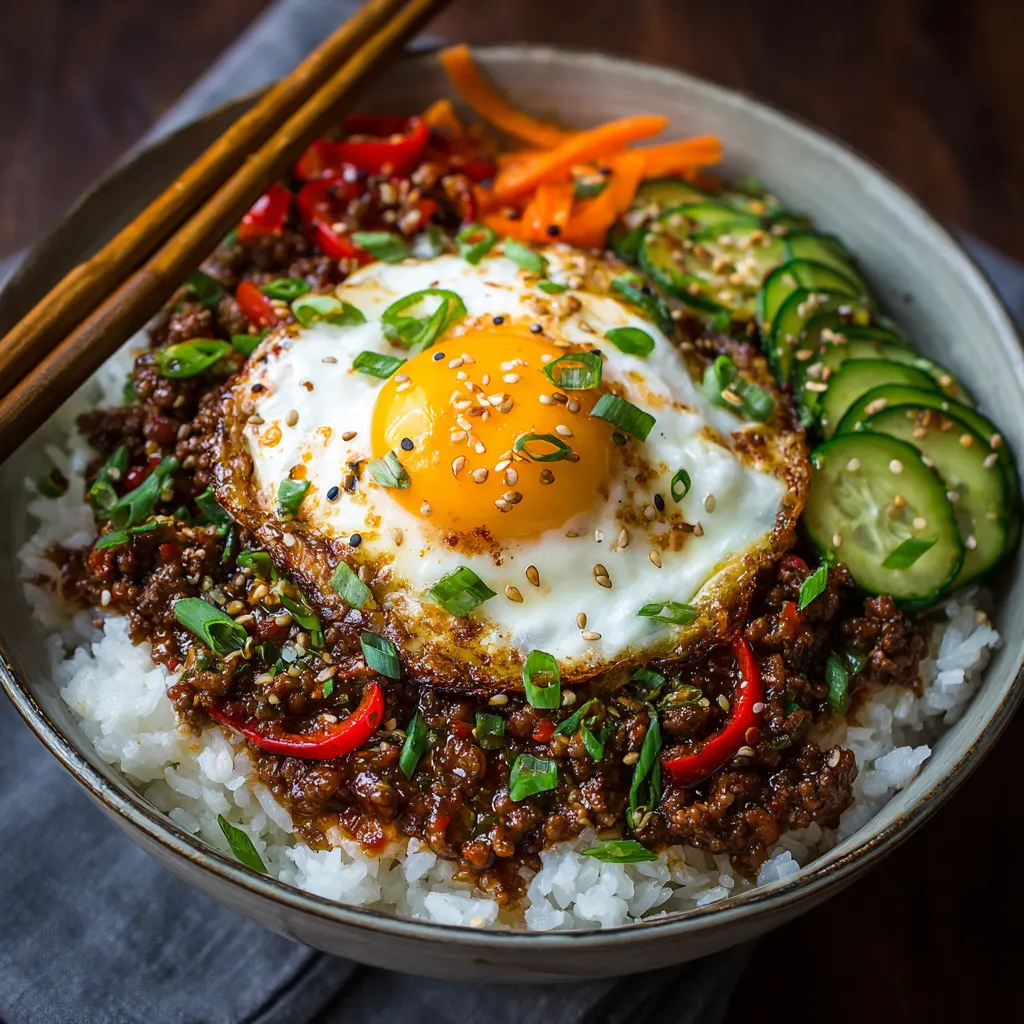
The 20-Minute Weeknight Hero: Ground Beef Korean BBQ Rice Bowls
The Korean BBQ Rice Bowl, often referred to as a “cheater’s bulgogi,” has quickly become a globally celebrated weeknight meal. It captures the deeply savory, slightly sweet, and aromatic essence of classic Korean marinated beef, bulgogi, but delivers it in a fraction of the time. By utilizing ground beef instead of thinly sliced steak, the dish skips the long marination process while still absorbing the intense flavors of soy, garlic, ginger, and sesame oil in just minutes. This budget-friendly, one-pan approach creates a nourishing and delicious meal served over rice and topped with fresh, crunchy vegetables. It’s a dynamic dish that’s as perfect for busy families as it is for meticulous meal preppers.
Ingredients
For the Ground Beef BBQ
-
1 lb. (450g) Lean Ground Beef (85-90% lean)
-
1 Tbsp. Neutral Cooking Oil (e.g., canola, rice bran)
-
2 Cloves Garlic, minced
-
1 tsp. Fresh Ginger, grated
For the Classic Korean BBQ Sauce
-
½ cup Low-Sodium Soy Sauce (or Tamari for gluten-free)
-
¼ cup Packed Brown Sugar (or Honey)
-
1 Tbsp. Toasted Sesame Oil
-
1 Tbsp. Rice Vinegar
-
1 tsp. Gochujang (Korean chili paste) or Sriracha (optional, adjust to taste)
-
1/2 tsp. Black Pepper
For Serving and Garnishes (Highly Recommended)
-
4 cups Cooked Short-Grain White Rice
-
2 Green Onions (scallions), thinly sliced
-
1 tsp. Toasted Sesame Seeds
-
Sliced Cucumbers (or Quick Pickled Carrots/Cucumbers)
-
Kimchi (optional, for fermented heat and tang)
-
4 Fried Eggs (sunny side up) or a dollop of Sriracha Mayo
Step-by-Step Instructions
-
Prepare the Sauce: In a small bowl, whisk together all the Korean BBQ Sauce ingredients (soy sauce, brown sugar, sesame oil, rice vinegar, gochujang/sriracha, and black pepper) until the sugar is dissolved. Set aside.
-
Cook the Rice: Prepare your rice according to package directions, aiming for four servings. Keep warm.
-
Brown the Beef: Heat the cooking oil in a large skillet or wok over medium-high heat. Add the ground beef and cook, breaking it up with a wooden spoon until it is completely browned and no longer pink (about 5–7 minutes).
-
Drain and Add Aromatics: Drain any excess grease from the pan. Return the pan to the heat and add the minced garlic and grated ginger. Sauté for about 30–60 seconds until fragrant.
-
Simmer with Sauce: Pour the prepared BBQ sauce mixture over the beef. Bring the mixture to a simmer and cook for 2–3 minutes, stirring occasionally, until the sauce slightly thickens and coats the meat entirely. Turn off the heat and stir in half of the sliced green onions.
-
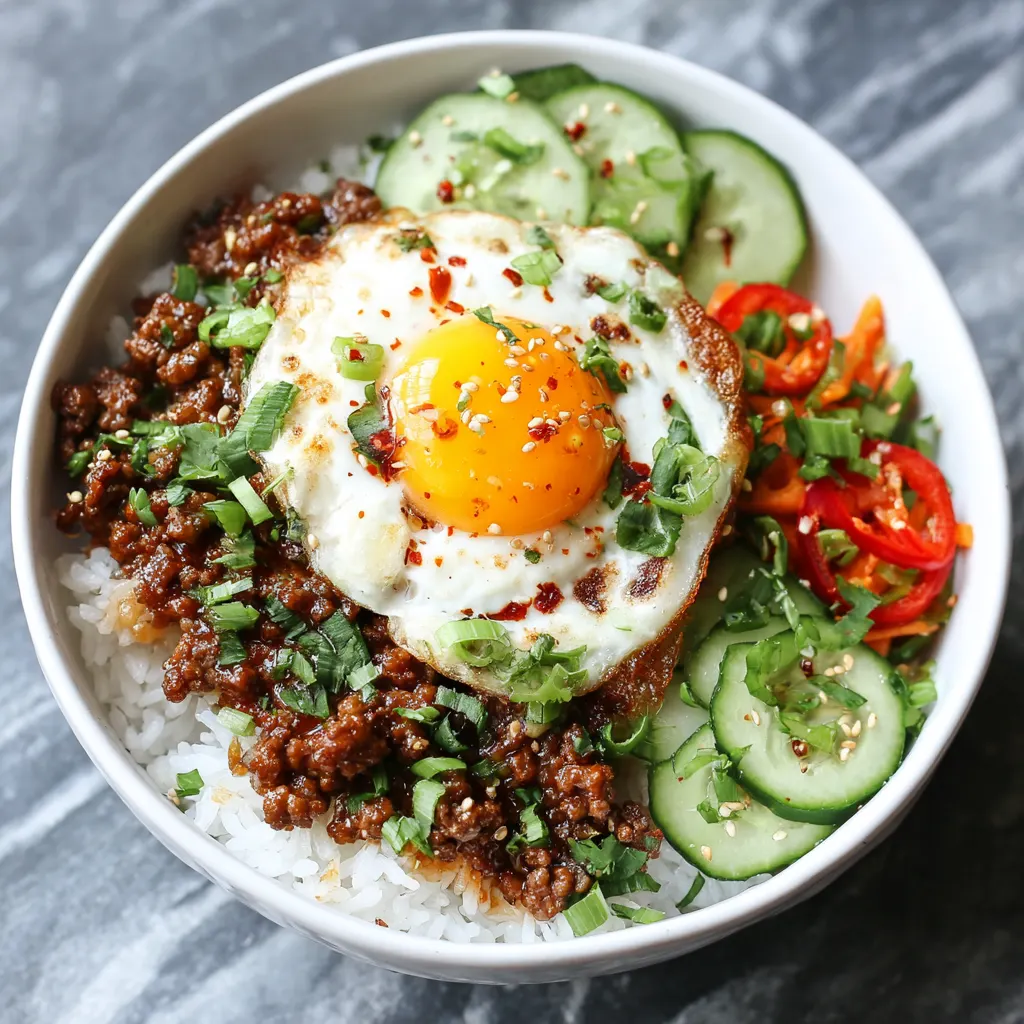
Assemble the Bowls: Divide the hot rice among four bowls. Spoon a generous portion of the saucy Korean ground beef over the rice. Garnish each bowl with the remaining green onions, toasted sesame seeds, sliced cucumbers or kimchi, and a fried egg, if desired. Serve immediately.
Decoding the Bulgogi Flavor: Essential Sauce Techniques
This ground beef recipe is inspired by Bulgogi, which literally translates to “fire meat.” While traditional Bulgogi uses a marinade to tenderize and flavor thin-cut beef, our ground beef version relies on high heat and quick simmering to achieve a similar depth of flavor. The key to success lies entirely in the balance of the sauce—a delicate interplay of sweet, savory (umami), and acidic notes.
The Foundation of Umami: Soy Sauce and Aromatics
The savory, salty base is established by soy sauce, ideally a low-sodium variety to prevent the final dish from tasting overwhelmingly salty, as the sauce is reduced during simmering. This is layered with a generous infusion of fresh aromatics. Garlic and ginger, often grated finely or minced, are non-negotiable staples in Korean cuisine.
Pro-Tip for Maximum Flavor: Do not add the garlic and ginger at the very start with the raw beef. Adding them toward the end, after the beef is browned and the grease is drained, allows them to sauté briefly in the clean skillet, waking up their potent oils just before the sauce is introduced. This prevents them from burning while the beef cooks, ensuring a bright, fresh flavor profile.
The Sweet Spot: Balancing Sugar and Fruit
Authentic Bulgogi often utilizes natural sugars from fruit, particularly grated Asian pear or apple, to provide a nuanced sweetness and help tenderize the meat. In this quick ground beef preparation, brown sugar or honey is the most common sweetener, offering a deep, molasses-like flavor that caramelizes beautifully when it hits the hot beef.
For those looking to elevate the dish further, grating a quarter of a small apple or Asian pear (if available) into your sauce mixture, alongside the brown sugar, will introduce a subtle fruit note that adds complexity and a smoother mouthfeel. The goal is a balanced sweetness that complements the savory beef, not overwhelms it.
Heat and Depth: The Role of Gochujang
While many quick Korean-inspired beef bowls omit traditional fermented ingredients for simplicity, the inclusion of gochujang (Korean chili paste) is a powerful way to inject depth and complexity. Unlike mere heat, gochujang provides a deep, earthy spice and a subtle tang from fermentation.
If you prefer a milder bowl, crushed red pepper flakes or Sriracha serve as excellent, straightforward heat sources. For those who enjoy the full spectrum of Korean flavor, start with one teaspoon of gochujang and increase based on your preference. This addition transforms the dish from a simple sweet-and-savory stir-fry into a truly dynamic, BBQ-forward experience.
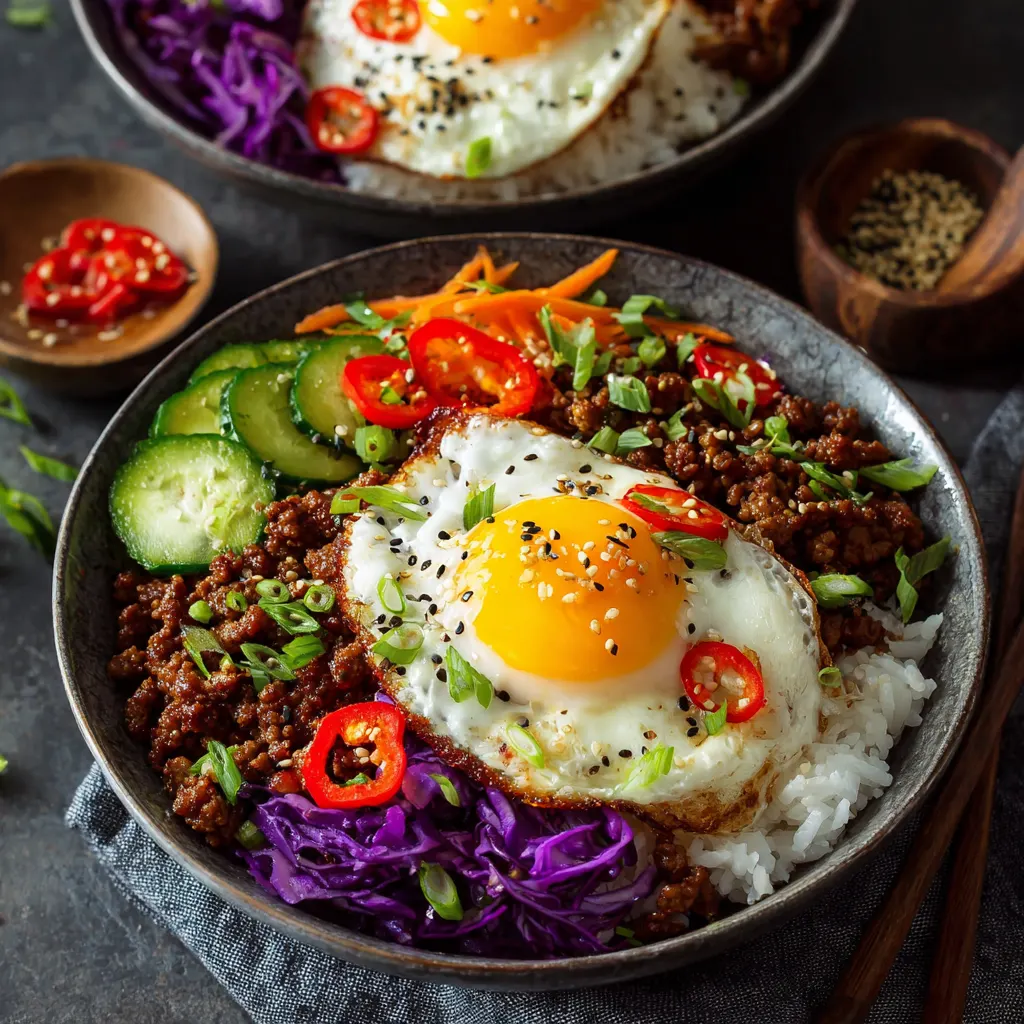
Perfecting the Foundation: Rice, Texture, and Cooking Techniques
The base of any great rice bowl is, naturally, the rice. The quality and texture of your chosen grain play a crucial role in balancing the richness of the saucy ground beef.
Choosing the Right Rice Base
Traditional Korean meals are served with short-grain white rice (a sticky, plump variety) or Japgokbap (multi-grain rice). For this bowl, short-grain or medium-grain white rice (like sushi or Calrose rice) is preferred because its slight stickiness helps capture and absorb the flavorful beef sauce, ensuring every bite is saturated.
However, modern interpretations embrace flexibility:
-
Brown Rice: Offers a nuttier flavor and higher fiber content. It requires slightly longer cooking time, so plan accordingly.
-
Cauliflower Rice or Quinoa: Ideal low-carb or high-protein alternatives. If using cauliflower rice, lightly steam or sauté it before assembly to give it some structure.
-
Noodles: While less traditional for this specific deopbap (rice bowl) concept, the beef mixture pairs exceptionally well with cooked soba, udon, or thin rice noodles for a quick stir-fry alternative.
Achieving Optimal Beef Texture
Ground beef offers exceptional flavor absorption but can sometimes be texturally monotonous if not handled correctly. A critical technique for this recipe is ensuring the beef crumbles finely and avoids becoming greasy.
-
Draining the Fat: Even lean ground beef (85/15 or 90/10) releases fat. After browning the meat completely, it is essential to drain off the excess grease. This step prevents the final sauce from becoming oily and allows the thick, glossy BBQ glaze to adhere properly to the meat.
-
Fine Crumbling (Optional Pulse): For a texture closer to authentic marinated Bulgogi, some experts recommend transferring the cooked, drained beef to a food processor and pulsing it 2-3 times until it reaches a very fine crumble before returning it to the pan for saucing. This maximizes surface area for flavor absorption and creates a lighter texture.
Simmering for Success
The final 2-3 minute simmering stage is crucial. It’s when the heat reduces the liquid content in the sauce, thickening it into a desirable glaze. You should simmer just long enough for the sauce to cling to the beef, resulting in a moist, glistening mixture—not a soupy one. The sesame oil should be stirred in immediately after removing the pan from the heat, as its flavor is delicate and can become bitter if cooked for too long.