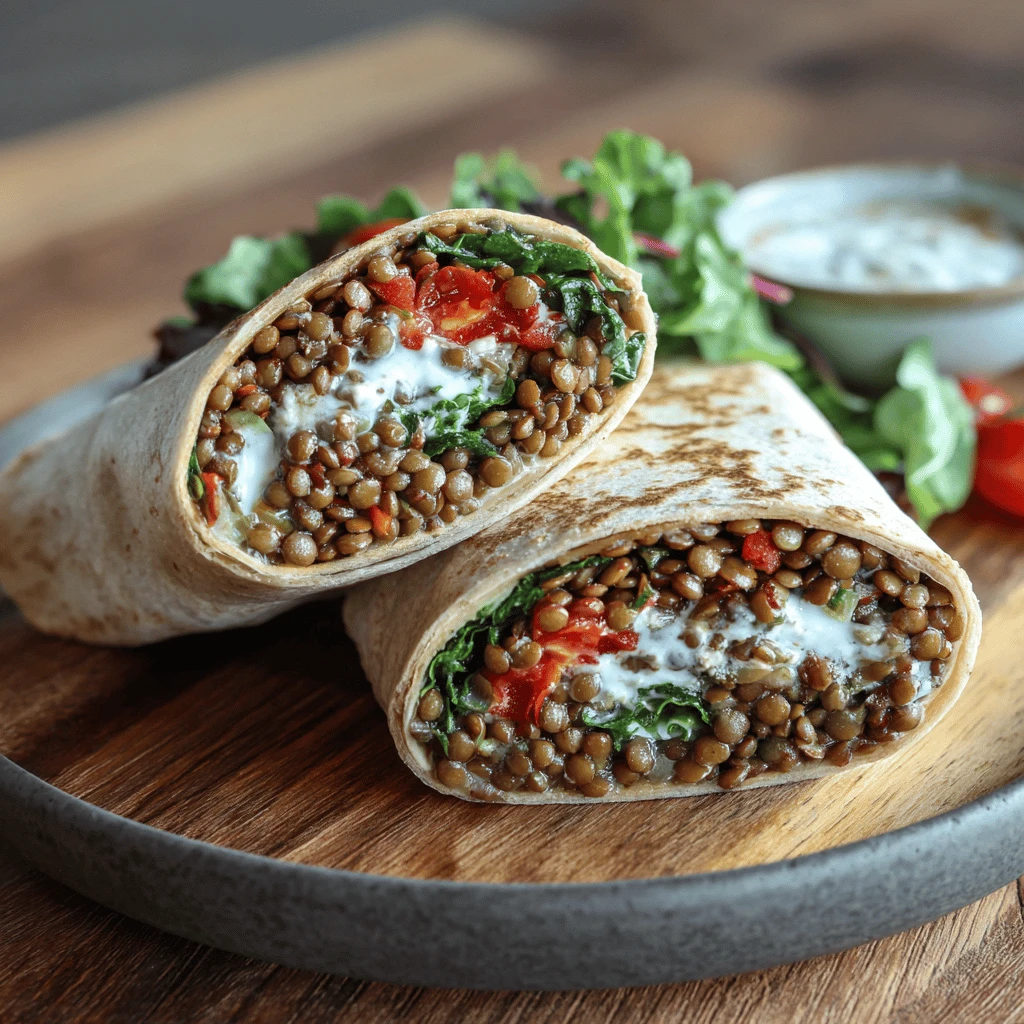
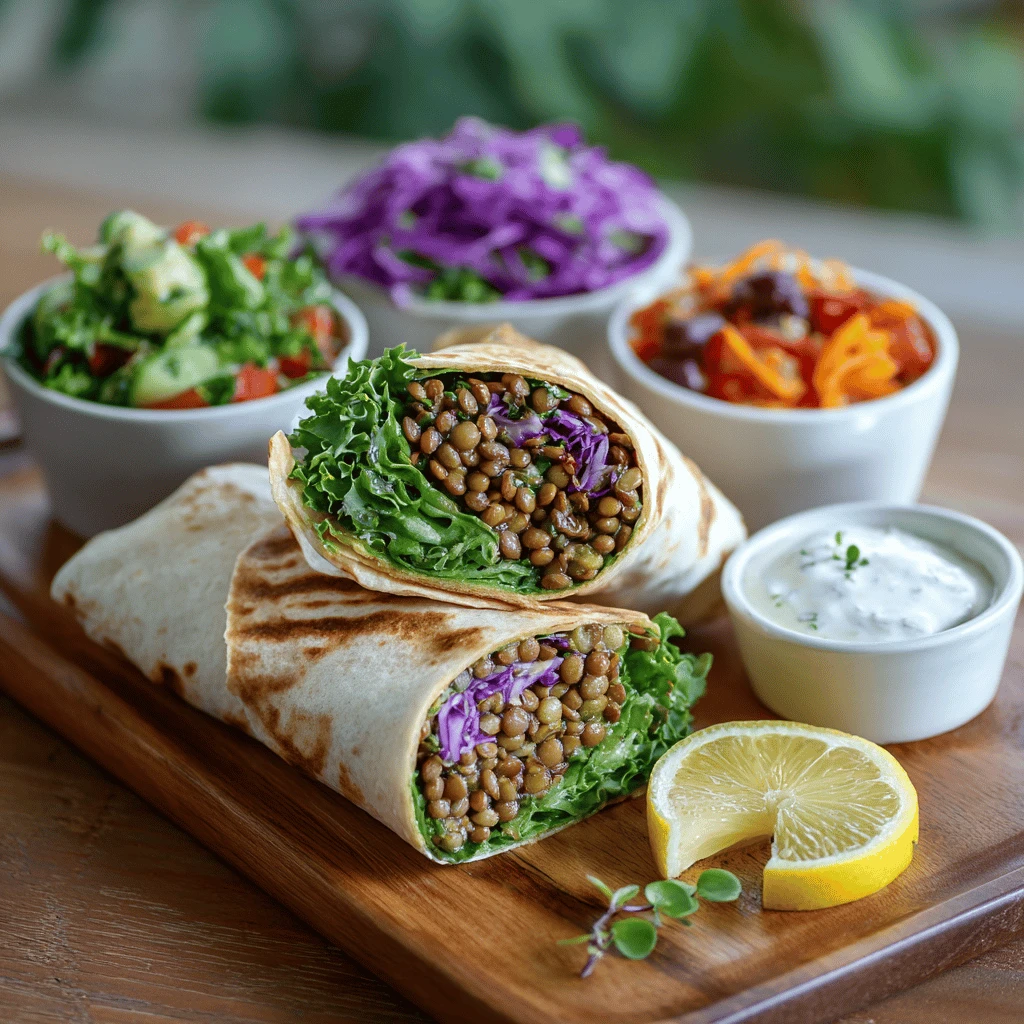
For One Mediterranean Lentils Wrap
Mediterranean cuisine is renowned for its vibrant flavors, fresh ingredients, and health-promoting qualities. Combining the heartiness of lentils with the bright, zesty elements of the Mediterranean, a Mediterranean Lentil Wrap makes for a satisfying and nutritious meal. This single-serving recipe is perfect for a quick lunch, light dinner, or a healthy on-the-go snack.
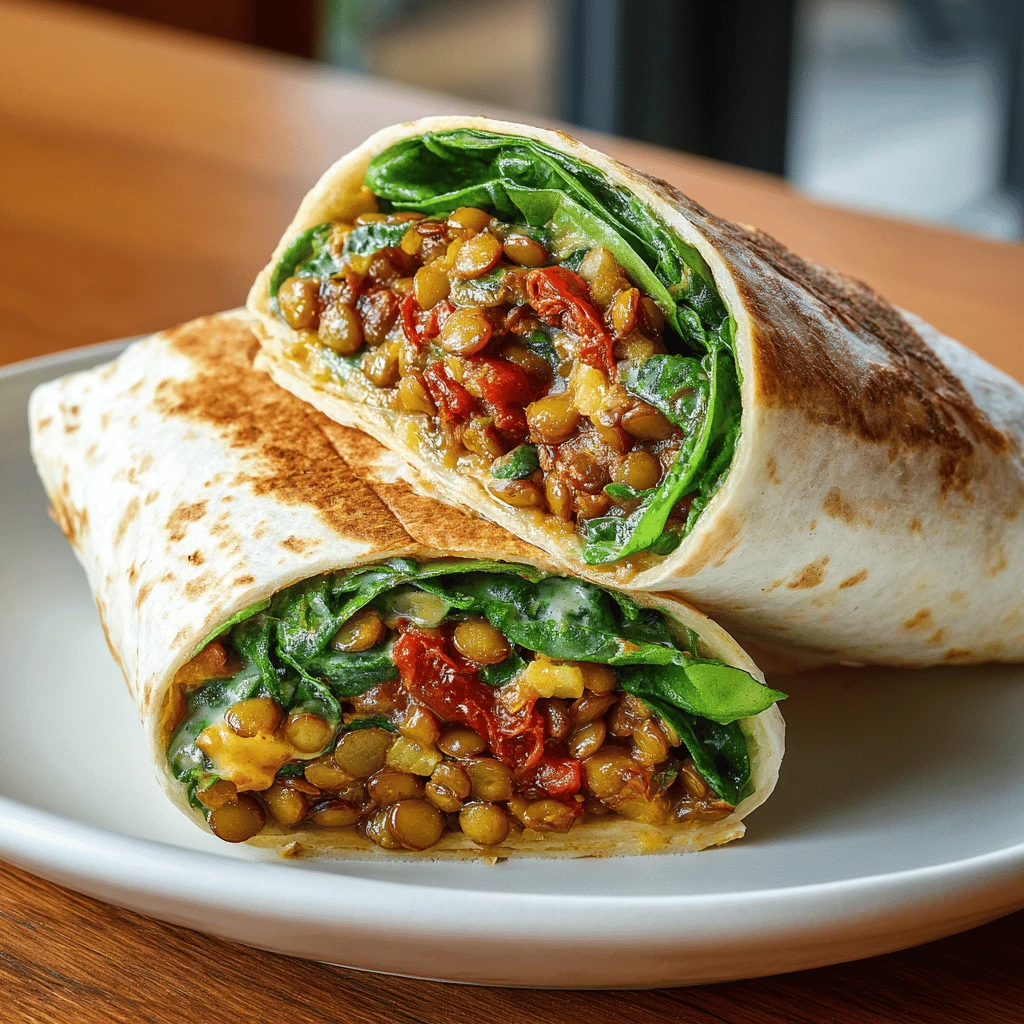
Why Lentils Are a Mediterranean Diet Staple
Lentils are a legume packed with protein, fiber, iron, and various essential nutrients. They are a cornerstone of the Mediterranean diet, contributing to its reputation for promoting heart health, weight management, and overall well-being. Their earthy flavor pairs exceptionally well with the fresh herbs, vegetables, and tangy dressings characteristic of Mediterranean cooking. In addition, lentils are budget-friendly and easy to cook, making them an accessible and versatile ingredient for home cooks.
The Nutritional Powerhouse of Lentils
Lentils are a low-fat source of protein, offering a substantial amount of fiber that aids digestion and promotes feelings of fullness. This can be particularly beneficial for those looking to manage their weight. They are also rich in iron, an essential mineral for energy production and red blood cell formation. Furthermore, lentils are a good source of folate, potassium, and various B vitamins. Incorporating lentils into your diet is a simple way to boost your nutrient intake and support your overall health.
Lentils in the Mediterranean Diet: A Historical Perspective
Lentils have been cultivated in the Mediterranean region for thousands of years, playing a vital role in the diets of ancient civilizations. Their ability to thrive in diverse climates and their long shelf life made them a reliable food source. Historically, lentils were used in soups, stews, and as a staple side dish. Their prominence in Mediterranean cuisine reflects their nutritional value, versatility, and cultural significance.
Crafting the Perfect Mediterranean Lentil Filling
The key to a delicious Mediterranean Lentil Wrap lies in creating a flavorful and balanced filling. This involves selecting the right type of lentils, cooking them to the perfect texture, and combining them with complementary ingredients that capture the essence of Mediterranean flavors.
Choosing and Cooking Your Lentils
For a wrap, brown or green lentils hold their shape well and provide a slightly nutty flavor. Red lentils tend to become mushy, so it’s best to avoid them for this application. Rinse the lentils thoroughly before cooking. To cook, simmer one part lentils in three parts water or vegetable broth until tender but not mushy – about 20-25 minutes. Avoid overcooking, as this will result in a less desirable texture. Season lightly with salt and pepper while cooking.
The Mediterranean Flavor Profile: Herbs, Vegetables, and Spices
The heart of the Mediterranean flavor comes from a combination of fresh herbs, vegetables, and spices. Consider adding diced cucumber, tomatoes, red onion, and bell peppers to your lentil mixture. Kalamata olives, crumbled feta cheese, and a generous sprinkling of fresh parsley, mint, or dill will elevate the flavor profile even further. For spices, a pinch of cumin, coriander, and paprika will add warmth and depth.
Building Flavor with Lemon and Garlic
Lemon juice and garlic are essential ingredients in Mediterranean cooking, adding brightness and zest to the lentil filling. Squeeze fresh lemon juice over the cooked lentils and vegetables. A clove or two of minced garlic, either added raw or lightly sautéed, will infuse the mixture with its characteristic aroma. Taste and adjust the seasonings as needed, ensuring a balanced and harmonious flavor profile.
Assembling Your Single-Serving Mediterranean Lentil Wrap
With your lentil filling prepared, it’s time to assemble your wrap. Choosing the right wrap and adding the perfect accompaniments are essential for creating a satisfying and delicious meal.
Choosing the Right Wrap
A whole wheat tortilla is a great option for adding fiber and a slightly nutty flavor. Look for tortillas that are soft and pliable to prevent them from tearing when folded. Alternatively, you could use a gluten-free wrap made from rice flour or other alternative grains. Warm the tortilla lightly in a dry skillet or microwave for a few seconds to make it more pliable.
Layering Your Ingredients
Spread a thin layer of hummus or tzatziki sauce on the tortilla as a base. This will add moisture and flavor while also helping to hold the filling together. Spoon the lentil mixture onto the center of the tortilla, leaving some space around the edges. Add any additional toppings, such as a sprinkle of feta cheese, a drizzle of olive oil, or a few extra herbs.
Wrapping Techniques for a Perfect Fold
To fold the wrap, start by folding in the sides of the tortilla towards the center. Then, fold the bottom edge up and over the filling, tucking it in tightly. Finally, roll the wrap forward until it is completely sealed. If desired, you can secure the wrap with a toothpick or slice it in half for easier eating.
Customizing Your Mediterranean Lentil Wrap
One of the great things about this recipe is its versatility. Feel free to experiment with different ingredients and flavors to create a wrap that suits your personal preferences.
Exploring Vegetarian and Vegan Options
This recipe is naturally vegetarian, but it can easily be made vegan by omitting the feta cheese and using a vegan tzatziki sauce or hummus. You can also add other plant-based proteins, such as crumbled tofu or tempeh, to increase the protein content.
Adding Protein and Texture
For added protein, consider adding grilled halloumi cheese, shredded chicken, or falafel to your wrap. For texture, toasted pine nuts, sunflower seeds, or chopped walnuts will add a satisfying crunch.
Spice It Up: Adding Heat and Flavor
If you like a little heat, add a pinch of red pepper flakes to your lentil mixture or drizzle a spicy harissa sauce over the filling. Other flavorful additions include sun-dried tomatoes, roasted red peppers, or pickled onions.
Serving and Storing Your Mediterranean Lentil Wrap
Your Mediterranean Lentil Wrap is best enjoyed fresh, but it can also be prepared ahead of time and stored for later.
Serving Suggestions
Serve your wrap as a light lunch or dinner alongside a side salad or a bowl of soup. It’s also a great option for taking to work or school for a healthy and satisfying meal on the go.
Storage Tips
If you’re preparing the wrap ahead of time, wrap it tightly in plastic wrap or aluminum foil to prevent it from drying out. Store it in the refrigerator for up to 24 hours. The lentil filling can be stored separately in an airtight container for up to 3 days.
Reheating Instructions
The wrap can be eaten cold or reheated. To reheat, remove the plastic wrap or aluminum foil and microwave for 30-60 seconds, or until heated through. Alternatively, you can warm it in a dry skillet over medium heat for a few minutes per side. Be careful not to overheat the wrap, as this can make it dry and brittle.
Frequently Asked Questions
Can I use canned lentils for this recipe?
Yes, canned lentils can be used as a convenient alternative to dried lentils. Be sure to rinse them thoroughly before adding them to the filling. Choose canned lentils that are low in sodium or salt-free.
What other vegetables can I add to the wrap?
The possibilities are endless! Some other great additions include spinach, kale, shredded carrots, zucchini, or eggplant.
Can I make this recipe gluten-free?
Yes, simply use a gluten-free tortilla. There are many options available made from rice flour, tapioca flour, or other gluten-free grains.
How can I make the lentil filling more flavorful?
Experiment with different herbs and spices, such as smoked paprika, za’atar, or oregano. You can also add a splash of red wine vinegar or a squeeze of lemon juice to brighten the flavor.
Can I freeze the lentil filling?
Yes, the lentil filling freezes well. Allow it to cool completely before transferring it to an airtight container. Freeze for up to 3 months. Thaw in the refrigerator overnight before using.