

Family-Friendly Low Carb Eggs Skillet
Introduction: Fueling Your Family with Flavor and Fun
Finding meals that are both delicious and cater to a low-carbohydrate lifestyle can feel like a culinary tightrope walk. But what if you could create a single dish that delights the whole family, fits your dietary needs, and is surprisingly simple to make? Enter the Family-Friendly Low Carb Eggs Skillet – a versatile and satisfying meal perfect for breakfast, brunch, lunch, or even a quick dinner. This recipe offers a canvas for endless customization, allowing you to incorporate your family’s favorite flavors and ingredients while keeping the carb count low. Get ready to transform ordinary eggs into an extraordinary culinary adventure!
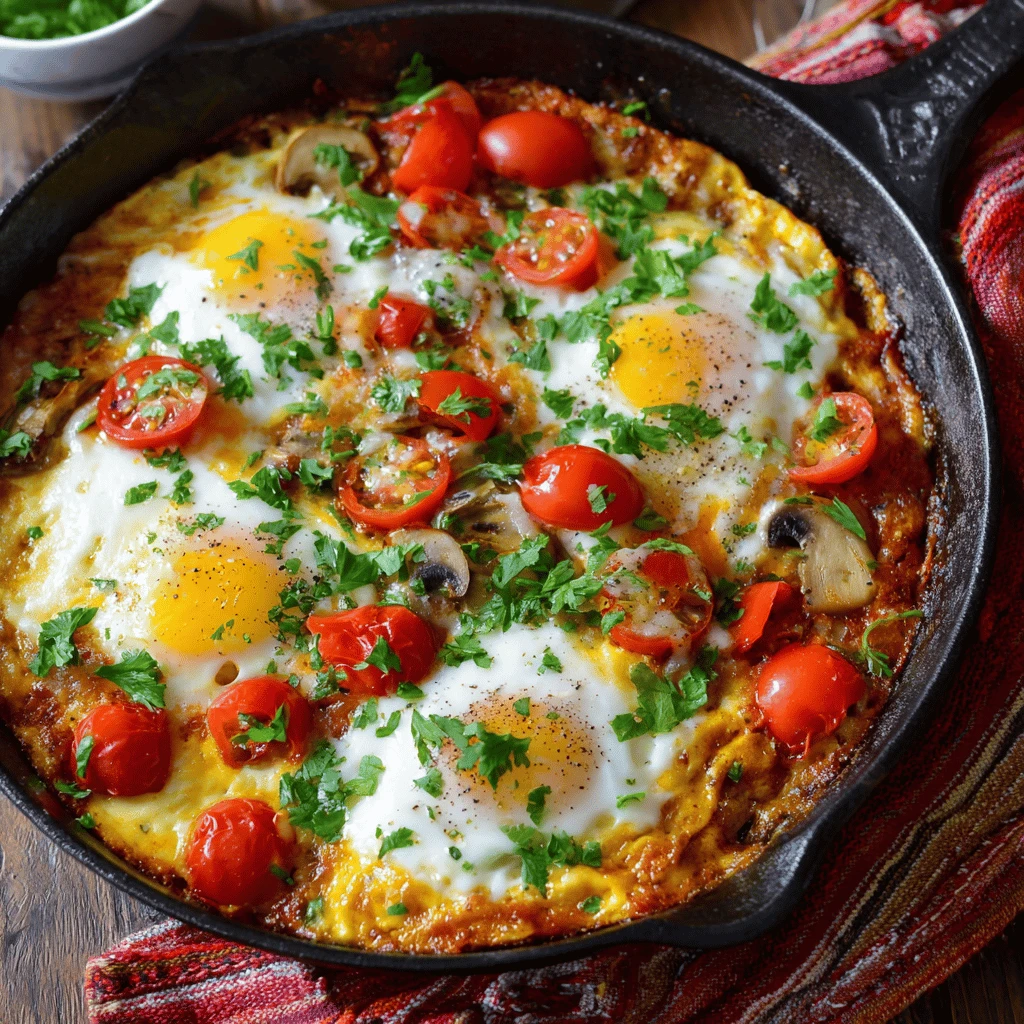
Building Your Perfect Low Carb Eggs Skillet
Creating the perfect low-carb egg skillet starts with understanding the basic components and then tailoring them to your family’s preferences.
1. The Base: Choosing Your Low Carb Foundation:
The key to a truly low-carb skillet is choosing the right base ingredients. Skip the potatoes and bread, and instead, opt for nutrient-rich vegetables.
- Cauliflower Rice: This versatile ingredient is a fantastic substitute for regular rice. It’s low in carbs, high in fiber, and readily absorbs the flavors of the other ingredients. You can buy pre-riced cauliflower or easily make your own in a food processor.
- Zucchini Noodles (Zoodles): Zucchini noodles add a delightful texture and a healthy dose of vitamins. Sauté them lightly before adding the eggs to prevent them from becoming too watery.
- Shredded Cabbage: Cabbage is another excellent low-carb option. It adds a satisfying crunch and is packed with nutrients. Red or green cabbage works well, depending on your preference.
- Spinach or Kale: Leafy greens are always a good choice. They add a boost of vitamins and minerals without significantly impacting the carb count. Sauté them until wilted before adding other ingredients.
- Broccoli or Asparagus: These green vegetables provide a hearty texture and a wealth of nutrients. Roast or steam them slightly before adding them to the skillet for the best results.
2. Protein Power: Adding Flavor and Substance:
Protein is essential for satiety and helps keep you feeling full and energized. Here are some great low-carb protein options to include in your egg skillet:
- Bacon: A classic choice, bacon adds a smoky flavor that complements the eggs perfectly. Opt for sugar-free bacon to keep the carb count low.
- Sausage: Choose a sausage variety that is low in carbohydrates and high in protein. Italian sausage, chorizo, or even chicken sausage are all excellent options.
- Ham: Diced ham adds a salty and savory element to the skillet. Look for low-sodium options to control your salt intake.
- Cooked Chicken or Turkey: Leftover cooked chicken or turkey is a great way to add protein and reduce food waste. Shred or dice the meat into bite-sized pieces.
- Ground Beef or Turkey: Browned ground beef or turkey provides a hearty and satisfying base for the skillet. Drain off any excess fat before adding it to the other ingredients.
3. Cheesy Goodness: Adding Richness and Flavor:
Cheese adds a creamy texture and a burst of flavor to the egg skillet. Choose your favorite varieties, keeping in mind that some cheeses are lower in carbohydrates than others.
- Cheddar Cheese: A classic choice, cheddar cheese melts beautifully and adds a sharp, tangy flavor.
- Mozzarella Cheese: Mozzarella cheese is a milder option that adds a creamy texture without overpowering the other flavors.
- Monterey Jack Cheese: Similar to mozzarella, Monterey Jack cheese is a mild and melty cheese that pairs well with a variety of ingredients.
- Pepper Jack Cheese: For a spicy kick, try pepper jack cheese. It adds a bit of heat and a creamy texture.
- Feta Cheese: Feta cheese adds a salty and tangy flavor to the skillet. Crumble it over the top after the eggs are cooked.
4. Flavor Boosters: Adding Depth and Complexity:
Don’t be afraid to experiment with different herbs, spices, and other flavor enhancers to create a truly unique and delicious egg skillet.
- Onions and Garlic: These aromatic vegetables add a savory depth of flavor to the skillet. Sauté them until softened before adding the other ingredients.
- Bell Peppers: Bell peppers add a touch of sweetness and a vibrant color to the skillet. Choose your favorite color – red, yellow, orange, or green.
- Mushrooms: Mushrooms add an earthy and savory flavor to the skillet. Sauté them until softened before adding the other ingredients.
- Tomatoes: Diced tomatoes add a touch of acidity and a burst of freshness to the skillet.
- Jalapeños: For a spicy kick, add diced jalapeños to the skillet.
- Herbs and Spices: Experiment with different herbs and spices to create your desired flavor profile. Some good options include oregano, basil, thyme, rosemary, paprika, chili powder, and cumin.
The Recipe: Putting It All Together
Now that you have all the ingredients and inspiration you need, let’s put together a basic recipe for a Family-Friendly Low Carb Eggs Skillet. Feel free to adjust the ingredients and quantities to suit your family’s preferences.
Ingredients:
- 1 tablespoon olive oil or avocado oil
- 1/2 cup chopped onion
- 2 cloves garlic, minced
- 1 cup cauliflower rice
- 1 cup chopped vegetables (such as bell peppers, mushrooms, zucchini)
- 1/2 cup cooked protein (such as bacon, sausage, ham)
- 6 large eggs
- 1/4 cup milk or cream (optional, adds creaminess)
- 1/2 cup shredded cheese
- Salt and pepper to taste
- Optional: fresh herbs for garnish (such as parsley, chives)
Instructions:
1. Sauté the Vegetables: Heat the oil in a large skillet over medium heat. Add the onion and garlic and sauté until softened, about 5 minutes. Add the cauliflower rice and chopped vegetables and cook until tender-crisp, about 5-7 minutes.
2. Add the Protein: Stir in the cooked protein and heat through.
3. Prepare the Eggs: In a separate bowl, whisk together the eggs and milk or cream (if using). Season with salt and pepper to taste.
4. Pour the Eggs: Pour the egg mixture over the vegetables and protein in the skillet.
5. Cook the Eggs: Cook the eggs over medium heat, stirring occasionally, until they are set but still slightly moist.
6. Add the Cheese: Sprinkle the shredded cheese over the top of the eggs.
7. Melt the Cheese: Cover the skillet and cook until the cheese is melted, about 1-2 minutes.
8. Garnish and Serve: Garnish with fresh herbs, if desired. Serve immediately.
Tips and Tricks for Skillet Success
- Don’t Overcook the Eggs: Overcooked eggs can be dry and rubbery. Cook the eggs until they are set but still slightly moist for the best texture.
- Use a Non-Stick Skillet: A non-stick skillet will prevent the eggs from sticking and make cleanup easier.
- Pre-Cook the Protein: If using raw protein, such as sausage or ground beef, cook it thoroughly before adding it to the skillet.
- Adjust the Seasoning: Taste the skillet throughout the cooking process and adjust the seasoning as needed.
- Make It Ahead: You can prepare the vegetable and protein mixture ahead of time and store it in the refrigerator. When you’re ready to cook the eggs, simply reheat the mixture in the skillet and add the eggs.
- Get Creative with Toppings: In addition to cheese, consider adding other toppings to your egg skillet, such as avocado, salsa, sour cream, or hot sauce.
- Bake It: For a more hands-off approach, you can bake the egg skillet in the oven. Pour the egg mixture over the vegetables and protein in a baking dish and bake at 350°F (175°C) for 20-25 minutes, or until the eggs are set.
- Meal Prep Magic: This skillet is great for meal prepping. Divide the cooked skillet into individual portions and store them in the refrigerator for a quick and easy breakfast or lunch throughout the week.
Variations and Customization
The beauty of the Family-Friendly Low Carb Eggs Skillet is its versatility. Here are a few ideas to get you started:
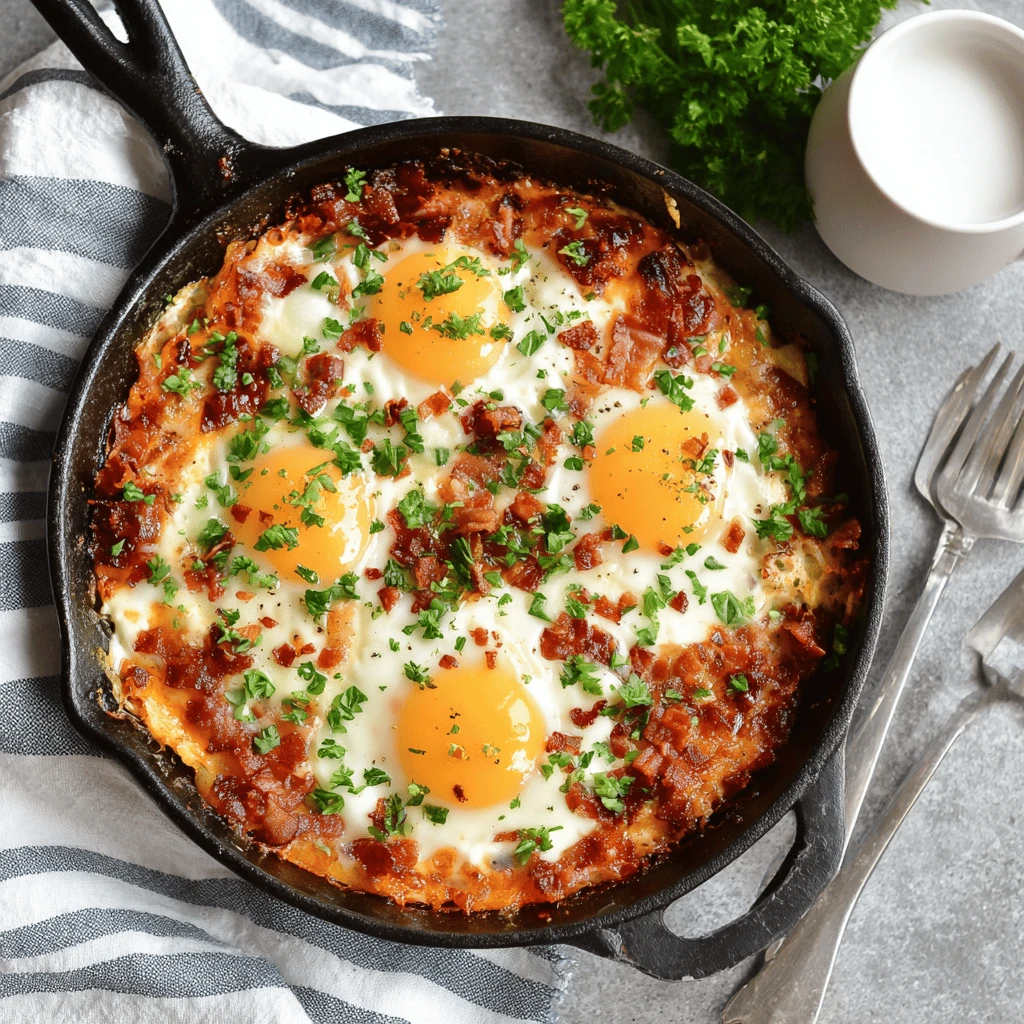
- Mediterranean Skillet: Use zucchini noodles, spinach, feta cheese, olives, and sun-dried tomatoes.
- Mexican Skillet: Use cauliflower rice, bell peppers, onions, chorizo, pepper jack cheese, and salsa.
- Italian Skillet: Use zucchini noodles, mushrooms, sausage, mozzarella cheese, and marinara sauce.
- Breakfast Skillet: Use bacon, sausage, cheddar cheese, and a drizzle of sugar-free maple syrup.
- Veggie Lover’s Skillet: Use cauliflower rice, broccoli, asparagus, spinach, mushrooms, and feta cheese.
Frequently Asked Questions (FAQ)
- Can I use frozen vegetables in this recipe?
Yes, frozen vegetables can be used. Just make sure to thaw and drain them before adding them to the skillet to avoid excess moisture.
- Can I make this recipe dairy-free?
Yes, you can easily make this recipe dairy-free by omitting the cheese or using a dairy-free cheese substitute. You can also use a dairy-free milk alternative, such as almond milk or coconut milk.
- How long will leftovers last?
Leftovers can be stored in the refrigerator for up to 3-4 days.
- Can I freeze this recipe?
While you can freeze the egg skillet, the texture may change slightly upon thawing. For best results, freeze individual portions and thaw them in the refrigerator overnight before reheating.
- What is the best way to reheat the egg skillet?
The best way to reheat the egg skillet is in the microwave or in a skillet over medium heat.
- How can I make this recipe spicier?
You can add diced jalapeños, red pepper flakes, or hot sauce to the skillet to make it spicier.
- What other vegetables can I add to this recipe?
You can add any of your favorite low-carb vegetables to this recipe, such as Brussels sprouts, green beans, or eggplant.
- Can I use egg whites instead of whole eggs?
Yes, you can use egg whites instead of whole eggs for a lower-fat option.
- How can I make this recipe more filling?
You can add more protein, such as bacon, sausage, or chicken, to make this recipe more filling.
- Is this recipe good for meal prepping?
Yes, this recipe is excellent for meal prepping. It can be made ahead of time and stored in the refrigerator for several days.