

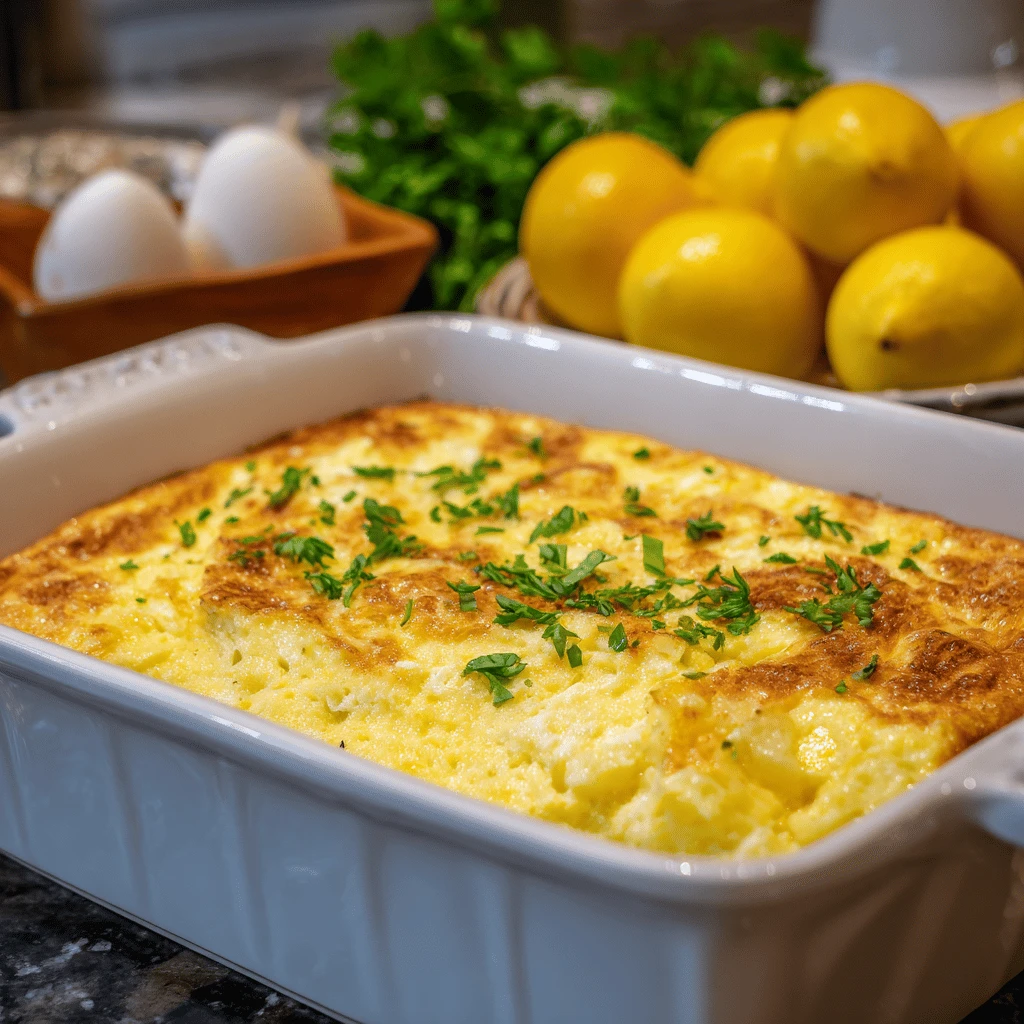
Family-Friendly Lemon Eggs Casserole
Introduction: Sunshine on a Plate
Imagine a dish that brings together the comforting simplicity of eggs with a bright, zesty twist. That’s exactly what a family-friendly lemon eggs casserole offers. It’s a surprisingly versatile meal, perfect for a weekend brunch, a light lunch, or even a satisfying dinner. The subtle tang of lemon elevates the humble egg casserole to something special, appealing to both kids and adults alike. This article explores how to create the perfect lemon eggs casserole, offering tips, variations, and serving suggestions to make it a staple in your household.

Building the Perfect Lemon Eggs Casserole
The key to a truly delicious lemon eggs casserole lies in the balance of flavors and textures. This section will break down the essential components and techniques to ensure your casserole is a culinary success.
The Foundation: Eggs and Dairy
The base of any good egg casserole is, of course, the eggs. Use fresh, high-quality eggs for the best flavor and texture. Aim for a ratio of about 6-8 eggs for a standard 9×13 inch baking dish. The dairy component is equally important. Milk, cream, or a combination of both will create a rich and creamy consistency. Whole milk provides a good balance, while heavy cream adds a luxurious touch. Consider adding a splash of sour cream or Greek yogurt for extra tang and moisture.
Tips for Egg Perfection:
- Whisk the eggs thoroughly until light and frothy. This incorporates air, leading to a fluffier casserole.
- Don’t overbeat the eggs, as this can result in a tough texture.
- Temper the dairy by gradually whisking in a small amount of the warm egg mixture before adding it to the rest. This prevents the eggs from curdling.
The Lemon Infusion: Brightness and Zest
The star of the show is the lemon! Fresh lemon juice and zest are crucial for achieving that characteristic tangy flavor.
Lemon Power:
- Use freshly squeezed lemon juice for the most vibrant taste. Bottled juice often lacks the same intensity.
- Zest the lemon before juicing it. The zest contains concentrated lemon oils that contribute significantly to the flavor. Be careful to avoid the white pith, which is bitter.
- Add the lemon juice and zest to the egg mixture just before baking to preserve their freshness.
- For a more intense lemon flavor, consider adding a touch of lemon extract.
Add-Ins and Variations: Customize Your Casserole
This is where you can truly personalize your lemon eggs casserole. The possibilities are endless!
Savory Sensations:
- Cheese: Gruyere, cheddar, mozzarella, and Parmesan are all excellent choices. Consider a blend of cheeses for a more complex flavor profile.
- Vegetables: Spinach, asparagus, mushrooms, bell peppers, and onions are popular additions. Sauté the vegetables before adding them to the casserole to remove excess moisture.
- Meat: Cooked bacon, sausage, ham, or even shredded chicken can add a hearty element to the casserole.
- Herbs: Fresh herbs like parsley, chives, dill, and thyme complement the lemon flavor beautifully.
Sweet Surprises:
While less common, a touch of sweetness can enhance the lemon’s tang.
- A sprinkle of sugar or a drizzle of honey can balance the acidity of the lemon.
- Consider adding a handful of blueberries or raspberries for a fruity twist.
Layering for Success:
When adding your chosen ingredients, distribute them evenly throughout the casserole. Layering the ingredients can create interesting textures and flavor combinations.
The Baking Process: Time and Temperature
Proper baking is essential for a perfectly cooked casserole.
Baking Basics:
- Preheat the oven to 350°F (175°C).
- Grease a 9×13 inch baking dish.
- Pour the egg mixture into the dish.
- Bake for 30-40 minutes, or until the casserole is set and lightly golden brown.
- To test for doneness, insert a knife into the center of the casserole. If it comes out clean, the casserole is ready.
- Let the casserole cool for a few minutes before serving. This allows it to set further and makes it easier to slice.
Elevating Your Lemon Eggs Casserole: Serving Suggestions and Pairings
A lemon eggs casserole is delicious on its own, but the right accompaniments can elevate it to a truly memorable meal.
Brunch Bliss
For a brunch spread, consider serving the casserole with:
- Fresh fruit salad
- Toast or croissants
- Yogurt with granola
- Mimosas or sparkling cider
Lunchtime Delight
For a light lunch, pair the casserole with:
- A simple green salad
- A cup of soup
- A crusty roll
Dinner Done Right
For a satisfying dinner, serve the casserole with:
- Roasted vegetables
- A side of rice or quinoa
- Garlic bread
Toppings and Garnishes
A sprinkle of fresh herbs, a dollop of sour cream, or a grating of Parmesan cheese can add a finishing touch to your casserole. A few lemon slices add a visual appeal and reinforce the lemon flavor.
Tips and Tricks for Lemon Eggs Casserole Success
- Prepare ahead: You can assemble the casserole the night before and bake it in the morning. This is a great time-saver for busy mornings.
- Prevent sogginess: Sauté any vegetables before adding them to the casserole to remove excess moisture.
- Adjust the lemon: If you prefer a more subtle lemon flavor, start with less lemon juice and zest. You can always add more to taste.
- Don’t overbake: Overbaking can result in a dry, rubbery casserole.
- Let it rest: Allowing the casserole to cool slightly before serving helps it to set and makes it easier to slice.
Family-Friendly Variations and Adaptations
This basic lemon eggs casserole recipe can be adapted to suit a variety of dietary needs and preferences.
Gluten-Free
To make the casserole gluten-free, simply omit any bread or croutons that are typically added. Use gluten-free bread if desired. Ensure any processed ingredients, such as sausage or ham, are also gluten-free.
Dairy-Free
For a dairy-free version, substitute the milk or cream with a plant-based alternative, such as almond milk, soy milk, or coconut milk. Use a dairy-free cheese substitute or omit the cheese altogether.
Vegetarian
This casserole is naturally vegetarian if you omit any meat products. Add extra vegetables or vegetarian sausage for a more substantial meal.
Kid-Friendly
To make the casserole more appealing to children, consider adding ingredients they enjoy, such as chopped ham, cheese, or cooked pasta. Cut the casserole into fun shapes using cookie cutters.
Spicy Kick
For those who like a little heat, add a pinch of red pepper flakes or a dash of your favorite hot sauce to the egg mixture.
Frequently Asked Questions (FAQs)
Q: Can I make this casserole ahead of time?
A: Yes, you can assemble the casserole the night before and store it in the refrigerator. Bake it in the morning as directed.
Q: How long does lemon eggs casserole last in the refrigerator?
A: Cooked lemon eggs casserole can be stored in the refrigerator for up to 3-4 days.
Q: Can I freeze lemon eggs casserole?
A: Yes, you can freeze leftover lemon eggs casserole. Wrap it tightly in plastic wrap and then in foil. It can be stored in the freezer for up to 2-3 months. Thaw it in the refrigerator overnight before reheating.
Q: What can I serve with lemon eggs casserole?
A: Lemon eggs casserole is delicious on its own or with a variety of accompaniments, such as fresh fruit, toast, salad, or roasted vegetables.
Q: Can I use dried herbs instead of fresh?
A: Yes, you can use dried herbs. Use about one-third the amount of dried herbs as you would fresh herbs.