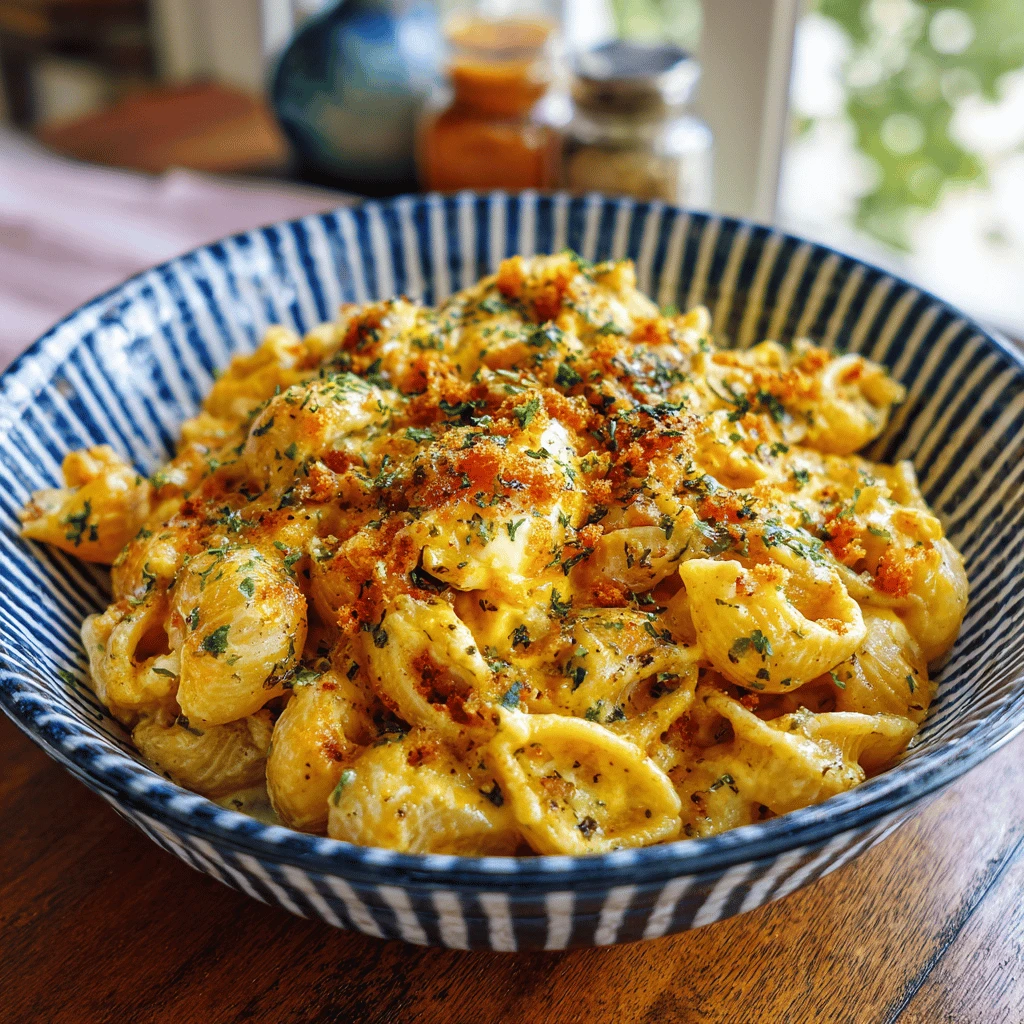
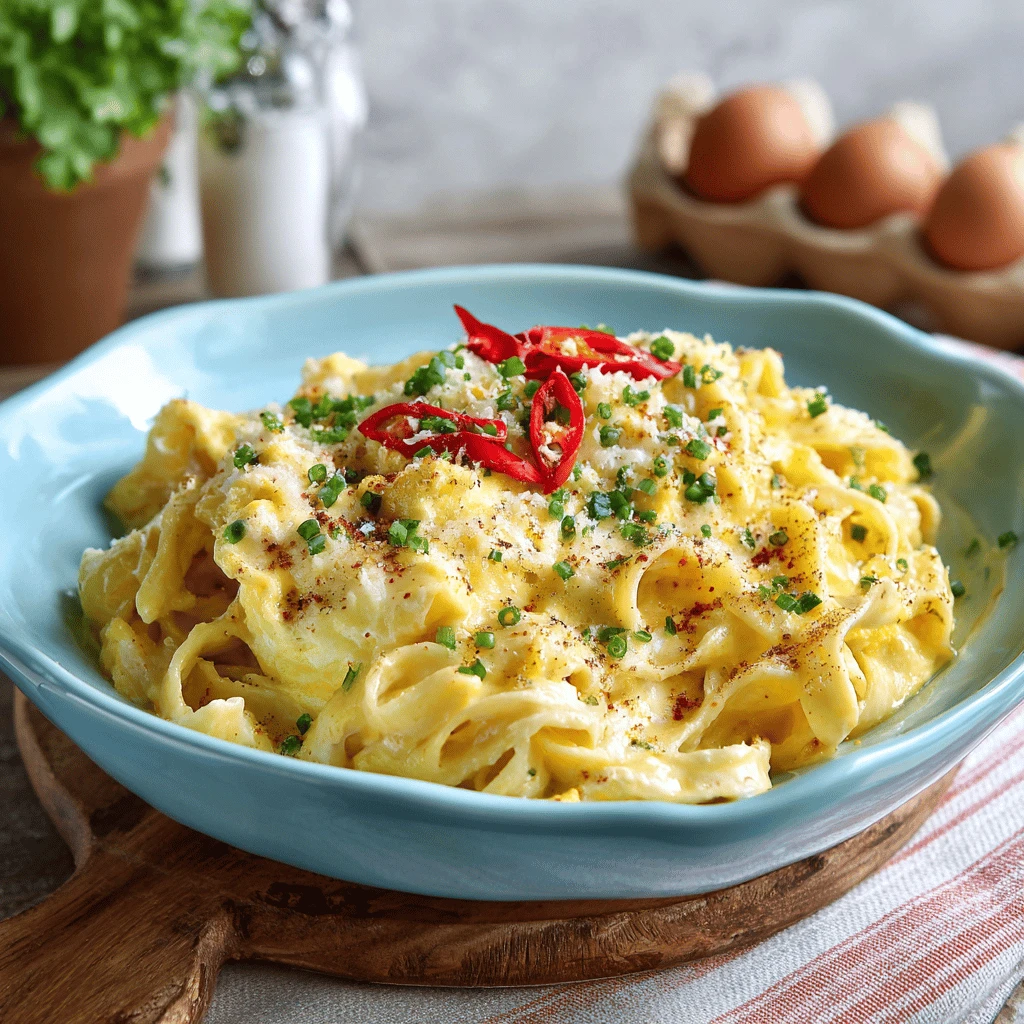
Family-Friendly Cheesy Eggs Pasta
Craving a quick, comforting, and utterly delicious meal that the whole family will adore? Look no further than cheesy eggs pasta! This simple dish is a weeknight champion, ready in minutes and packed with flavor that even picky eaters will love. It’s also incredibly versatile, allowing you to customize it with your family’s favorite ingredients. Let’s dive into making the perfect family-friendly cheesy eggs pasta.
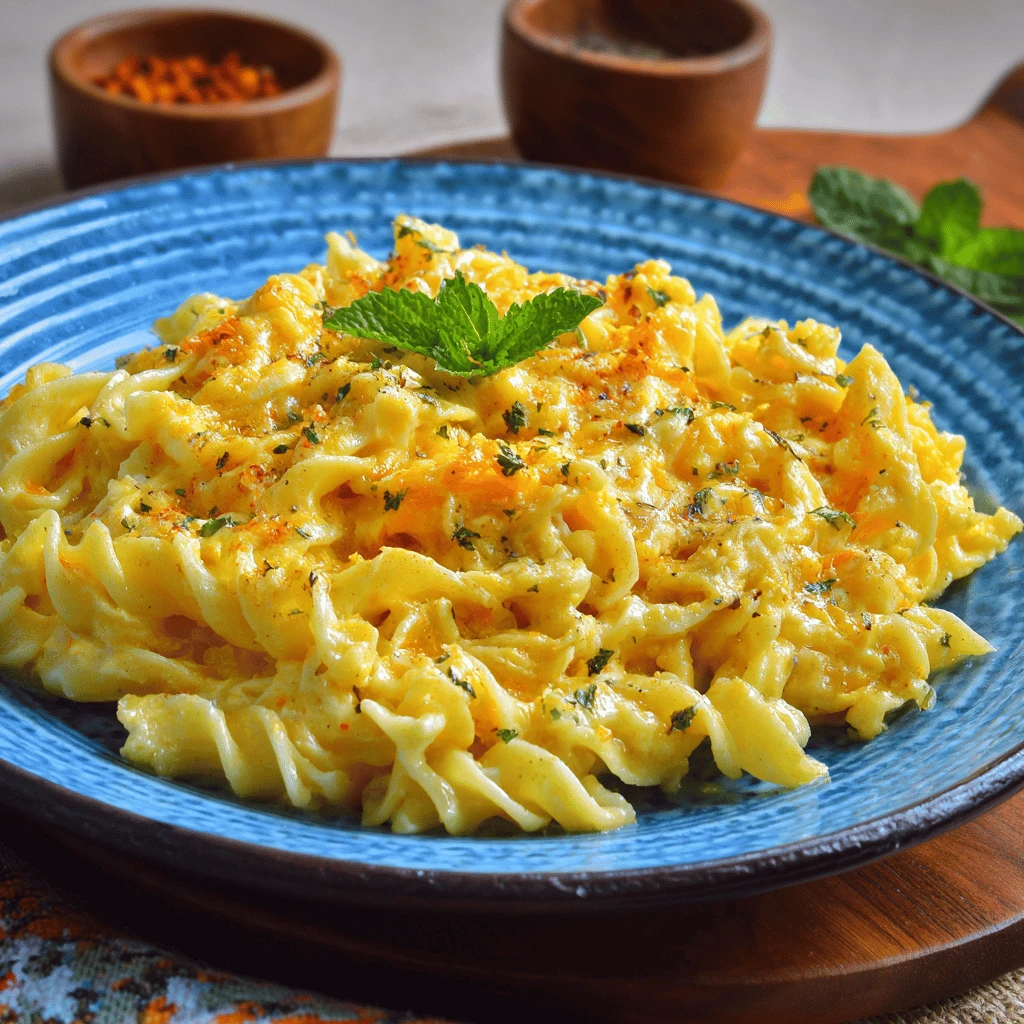
Why Cheesy Eggs Pasta is a Family Favorite
Cheesy eggs pasta is a hit for several reasons. First, it’s incredibly fast to prepare. With minimal ingredients and straightforward steps, you can have a satisfying meal on the table in under 30 minutes, making it ideal for busy weeknights.
Second, it’s budget-friendly. The core ingredients – pasta, eggs, and cheese – are staples in most households and relatively inexpensive. You can easily adjust the recipe to fit your budget by using different types of pasta or cheese.
Third, it’s endlessly adaptable. While the basic recipe is delicious on its own, you can easily customize it with vegetables, meats, or different sauces to suit your family’s tastes. Add some cooked bacon or ham for extra protein, or sneak in some finely chopped vegetables like spinach or bell peppers for added nutrients.
Finally, and perhaps most importantly, kids love it! The creamy texture and cheesy flavor are universally appealing, making it a meal that even the most discerning little ones will enjoy.
Mastering the Basic Recipe
The foundation of a great cheesy eggs pasta lies in mastering the basic recipe. Here’s a simple, foolproof method to get you started:
Ingredients:
- 8 ounces pasta (any shape will work, but smaller shapes like penne or shells are ideal for kids)
- 4 large eggs
- 1/4 cup milk or cream
- 1/2 cup grated cheese (cheddar, Parmesan, or a blend)
- 2 tablespoons butter or olive oil
- Salt and pepper to taste
- Optional: Fresh parsley, chopped (for garnish)
Instructions:
1. Cook the Pasta: Bring a large pot of salted water to a boil. Add the pasta and cook according to package directions until al dente. Drain the pasta, reserving about 1/2 cup of the pasta water.
2. Prepare the Egg Mixture: While the pasta is cooking, whisk together the eggs, milk or cream, cheese, salt, and pepper in a bowl.
3. Sauté and Scramble: Melt the butter or heat the olive oil in the same pot you used for the pasta over medium-low heat. Pour in the egg mixture and cook, stirring constantly, until the eggs are just set but still slightly moist. Be careful not to overcook them.
4. Combine and Serve: Add the drained pasta to the pot with the eggs. Toss gently to coat the pasta with the creamy egg mixture. If the pasta seems too dry, add a little of the reserved pasta water until it reaches your desired consistency.
5. Garnish and Serve: Serve immediately, garnished with fresh parsley if desired.
Tips for Success:
- Don’t Overcook the Eggs: The key to creamy cheesy eggs pasta is to avoid overcooking the eggs. They should be soft and slightly runny when you add the pasta.
- Use Reserved Pasta Water: The starchy pasta water helps to create a creamy sauce that clings to the pasta.
- Grate Your Own Cheese: Pre-shredded cheese often contains cellulose, which can prevent it from melting smoothly. Grating your own cheese ensures a creamier sauce.
Elevating Your Cheesy Eggs Pasta: Variations and Add-Ins
Once you’ve mastered the basic recipe, the fun really begins! Here are some delicious variations and add-ins to take your cheesy eggs pasta to the next level:
Vegetable Boost:
- Sautéed Vegetables: Add sautéed onions, garlic, bell peppers, mushrooms, or zucchini to the egg mixture for a boost of flavor and nutrients.
- Spinach or Kale: Stir in fresh spinach or kale during the last few minutes of cooking until wilted.
- Peas or Corn: Add frozen peas or corn to the pasta while it’s cooking for a touch of sweetness and color.
Protein Power:
- Cooked Bacon or Ham: Crumble cooked bacon or dice ham and add it to the egg mixture for a savory flavor.
- Sausage: Brown some Italian sausage and add it to the pasta for a hearty meal.
- Chicken or Shrimp: Add cooked chicken or shrimp for a lighter protein option.
Flavor Enhancers:
- Garlic Powder or Onion Powder: Add a pinch of garlic powder or onion powder to the egg mixture for extra flavor.
- Red Pepper Flakes: Add a pinch of red pepper flakes for a touch of heat.
- Fresh Herbs: Add chopped fresh herbs like basil, oregano, or chives to the pasta for a burst of flavor.
- Lemon Zest: Add a little lemon zest to the egg mixture for brightness and tang.
Cheese Variations:
- Mozzarella: Add shredded mozzarella for a classic cheesy flavor.
- Gruyere: Add grated Gruyere for a nutty and slightly sweet flavor.
- Fontina: Add Fontina for a creamy and mild flavor.
- Gorgonzola: Add a crumble of gorgonzola for a sharp and pungent flavor (use sparingly, as it can be overpowering).
Sauce Enhancements:
- Pesto: Stir in a spoonful of pesto for a vibrant and herbaceous flavor.
- Tomato Sauce: Add a splash of tomato sauce for a richer, more complex flavor.
- Cream Cheese: Add a spoonful of cream cheese for extra creaminess.
Making Cheesy Eggs Pasta Kid-Friendly
While cheesy eggs pasta is generally kid-friendly, here are some tips to make it even more appealing to young palates:
- Use Smaller Pasta Shapes: Smaller shapes like ditalini, shells, or orzo are easier for kids to eat.
- Cut Vegetables into Small Pieces: If adding vegetables, make sure to cut them into small, bite-sized pieces that are easy for kids to manage.
- Sneak in Vegetables: Finely chop vegetables like zucchini or carrots and add them to the egg mixture. Kids won’t even notice they’re there!
- Go Easy on the Seasoning: Kids are often more sensitive to strong flavors, so go easy on the salt, pepper, and other seasonings.
- Let Kids Help: Involve kids in the cooking process by letting them stir the pasta or sprinkle on the cheese. They’re more likely to eat something they helped make.
- Fun Presentation: Use fun plates or bowls, or cut the pasta into fun shapes using cookie cutters.
Tips for Meal Prepping and Storage
Cheesy eggs pasta is best enjoyed fresh, but it can be prepared ahead of time or stored for later. Here are some tips for meal prepping and storage:
Meal Prepping:
- Cook the Pasta Ahead of Time: Cook the pasta ahead of time and store it in the refrigerator until ready to use.
- Prepare the Egg Mixture Ahead of Time: Whisk together the egg mixture ahead of time and store it in the refrigerator until ready to use.
- Combine Just Before Serving: Combine the pasta and egg mixture just before serving to prevent the pasta from becoming soggy.
Storage:
- Store Leftovers in the Refrigerator: Store leftover cheesy eggs pasta in an airtight container in the refrigerator for up to 3 days.
- Reheat Gently: Reheat the pasta gently in a saucepan over low heat, or in the microwave. Add a splash of milk or cream to prevent it from drying out.
- Avoid Freezing: Freezing is not recommended, as the texture of the eggs and pasta can change.
Frequently Asked Questions About Cheesy Eggs Pasta
Q: Can I use different types of pasta?
A: Absolutely! Any type of pasta will work, but smaller shapes like penne, shells, or ditalini are often preferred, especially for kids.
Q: Can I use different types of cheese?
A: Yes, you can experiment with different types of cheese to find your favorite combination. Cheddar, Parmesan, mozzarella, and Gruyere are all great options.
Q: How do I prevent the eggs from overcooking?
A: Cook the eggs over medium-low heat and stir constantly. Remove the pot from the heat as soon as the eggs are set but still slightly moist. The residual heat will continue to cook the eggs.
Q: Can I add vegetables to the pasta?
A: Yes, you can add vegetables to the pasta for a boost of flavor and nutrients. Sautéed onions, garlic, bell peppers, mushrooms, spinach, or peas are all great options.
Q: Can I make this dish ahead of time?
A: It’s best enjoyed fresh, but you can cook the pasta and prepare the egg mixture ahead of time. Combine them just before serving.
Q: Is cheesy eggs pasta healthy?
A: Cheesy eggs pasta can be a part of a balanced diet. Add vegetables and lean protein to increase its nutritional value. Be mindful of the amount of cheese and butter or oil you use.