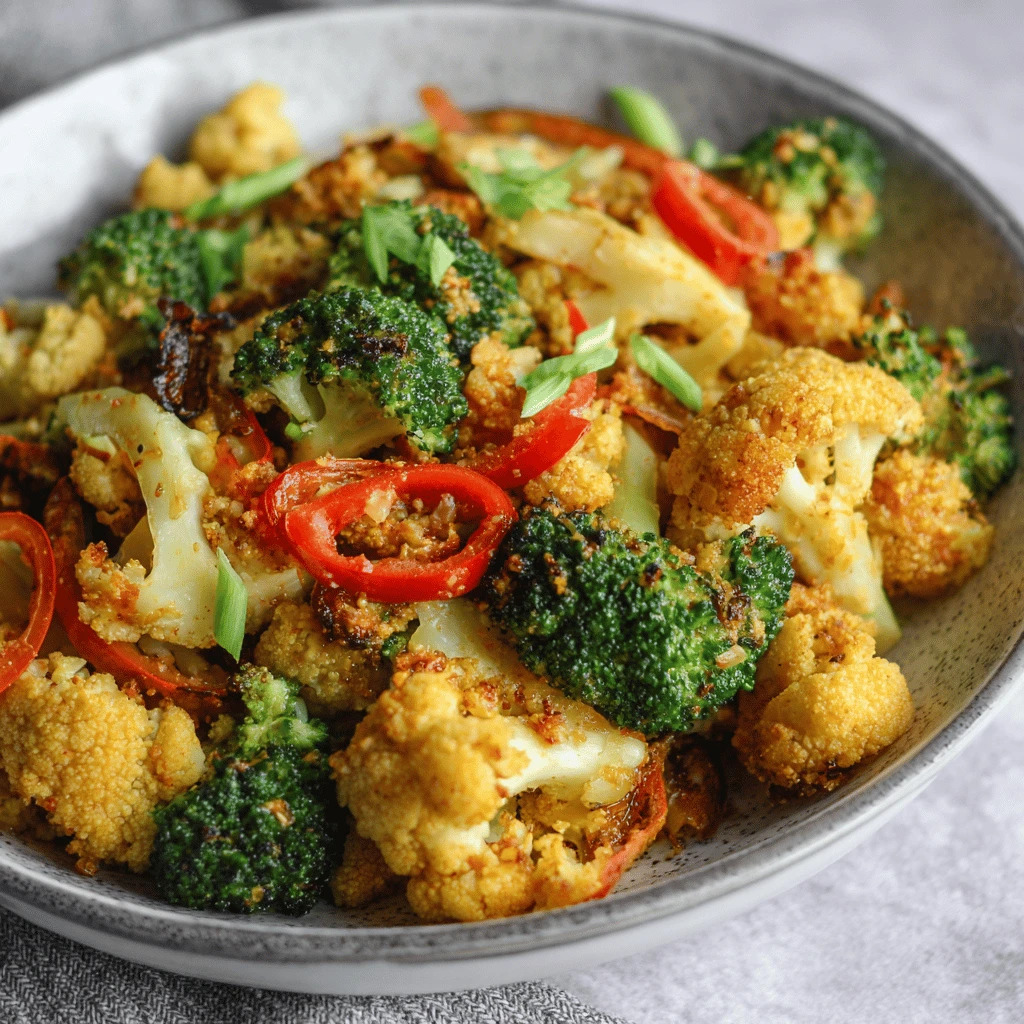
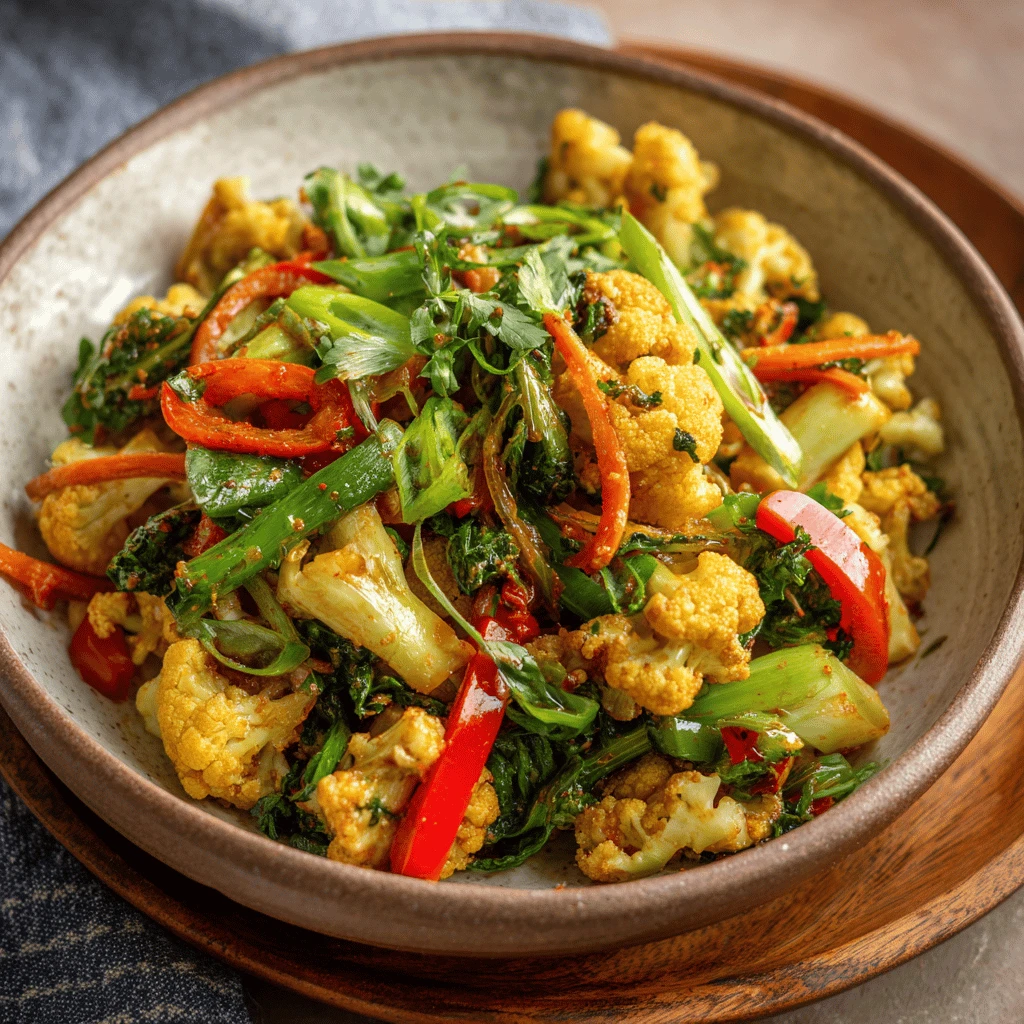
Easy Low Carb Cauliflower Stir Fry
Cauliflower stir-fry is a delicious and versatile dish that’s perfect for those following a low-carb or ketogenic lifestyle. It’s a fantastic alternative to traditional rice-based stir-fries, offering a satisfying crunch and a blank canvas for absorbing flavorful sauces and your favorite vegetables and protein. This guide will walk you through creating an easy, low-carb cauliflower stir-fry that’s both healthy and satisfying.
Why Cauliflower Stir Fry is a Great Low-Carb Option
Cauliflower is a nutritional powerhouse. Low in carbohydrates and calories, it’s packed with vitamins, minerals, and fiber. This makes it an excellent choice for those looking to manage their weight, blood sugar levels, or simply reduce their carb intake. Furthermore, its mild flavor makes it incredibly versatile, allowing it to take on the flavors of whatever sauce or ingredients you pair it with. Compared to rice, cauliflower offers a similar texture when cooked properly, without the carb load. It’s a win-win!
Mastering the Base: Preparing Your Cauliflower
The key to a great cauliflower stir-fry lies in preparing the cauliflower correctly. Avoid mushy or soggy results by following these steps:
-
- Ricing the Cauliflower: You can either buy pre-riced cauliflower or make your own. To rice your own, simply cut a head of cauliflower into florets and pulse them in a food processor until they resemble rice-sized granules. Be careful not to over-process, as you want to avoid creating a puree. Alternatively, you can use a box grater to grate the cauliflower into rice.
- Pre-Cooking for Optimal Texture: Pre-cooking the cauliflower rice is essential to remove excess moisture and ensure a tender-crisp texture. There are several methods you can use:
Microwaving: Place the cauliflower rice in a microwave-safe bowl with a tablespoon of water. Cover and microwave on high for 3-4 minutes, or until slightly softened. Drain any excess water.
Steaming: Steam the cauliflower rice in a steamer basket for 5-7 minutes, or until slightly softened.
Pan-Frying (Dry Method): This method helps to remove moisture and add a slight char. Heat a large skillet or wok over medium-high heat. Add the cauliflower rice and cook, stirring frequently, for 5-7 minutes, or until slightly softened and some of the moisture has evaporated. This method is particularly useful if you want to add some color and flavor to your cauliflower base.
Building Your Flavor Profile: Sauce and Add-Ins
Once your cauliflower rice is prepped, it’s time to build the flavor. This is where you can get creative and customize your stir-fry to your liking.
Creating a Delicious Low-Carb Sauce
The sauce is the heart of any stir-fry. Here are some options for creating a flavorful and low-carb sauce:
- Soy Sauce Alternatives: Traditional soy sauce is often used in stir-fries, but it can be high in sodium. Consider using low-sodium soy sauce or coconut aminos, which offer a similar savory flavor with less sodium and a hint of sweetness.
- Sesame Oil: A little sesame oil goes a long way in adding a nutty and aromatic flavor to your stir-fry.
- Ginger and Garlic: These two ingredients are essential for a classic stir-fry flavor. Use fresh ginger and garlic for the best results. Mince them finely or grate them for even distribution of flavor.
- Sweeteners (Low-Carb Options): If you prefer a slightly sweet sauce, use a low-carb sweetener like erythritol, monk fruit sweetener, or stevia. Start with a small amount and adjust to your taste.
- Thickeners (Optional): If you want a thicker sauce, you can use a small amount of xanthan gum. Mix it with a little cold water before adding it to the stir-fry to prevent clumping. Alternatively, a tablespoon of chia seeds mixed with water can create a thickening effect.
- Spice it Up: Add a pinch of red pepper flakes or a dash of sriracha for a kick of heat.
Example Sauce Recipe:
- 2 tablespoons low-sodium soy sauce or coconut aminos
- 1 tablespoon sesame oil
- 1 tablespoon minced ginger
- 2 cloves garlic, minced
- 1 teaspoon low-carb sweetener (optional)
- 1/4 teaspoon red pepper flakes (optional)
Choosing Your Vegetables and Protein
The beauty of stir-fry is its versatility. You can use almost any vegetable in your cauliflower stir-fry. Some excellent low-carb options include:
- Bell Peppers: Add color and sweetness.
- Broccoli: Provides a nice crunch and is packed with nutrients.
- Mushrooms: Offer an earthy flavor and a meaty texture.
- Onions: Add flavor and depth.
- Zucchini: Mild and absorbs flavors well.
- Spinach: Adds a boost of vitamins and minerals.
- Snap Peas: Provides a satisfying crunch.
- Bok Choy: Adds a slightly peppery flavor.
For protein, consider these options:
- Chicken: A classic stir-fry protein. Cut into bite-sized pieces for even cooking.
- Shrimp: Cooks quickly and adds a delicate flavor.
- Beef: Choose lean cuts and slice thinly against the grain.
- Tofu: Press out excess water and cube for a vegetarian option.
- Eggs: Scrambled or added as a fried egg on top.
Assembling Your Masterpiece: The Stir-Fry Process
Now it’s time to put everything together.
1. Heat Your Wok or Skillet: Heat a large wok or skillet over medium-high heat. Add a tablespoon of oil (such as coconut oil or avocado oil).
2. Cook Your Protein: If using meat, cook it first until browned and cooked through. Remove from the wok and set aside.
3. Sauté Your Aromatics: Add the minced ginger and garlic to the wok and sauté for about 30 seconds, or until fragrant. Be careful not to burn them.
4. Add Your Vegetables: Add your chosen vegetables to the wok and stir-fry for 3-5 minutes, or until they are tender-crisp. Start with the vegetables that take longer to cook, such as broccoli and bell peppers.
5. Add the Cauliflower Rice: Add the pre-cooked cauliflower rice to the wok and stir-fry for 2-3 minutes, or until heated through.
6. Pour in the Sauce: Pour the sauce over the cauliflower rice and vegetables and stir-fry for 1-2 minutes, or until the sauce has thickened slightly and everything is evenly coated.
7. Return the Protein: Return the cooked protein to the wok and stir to combine.
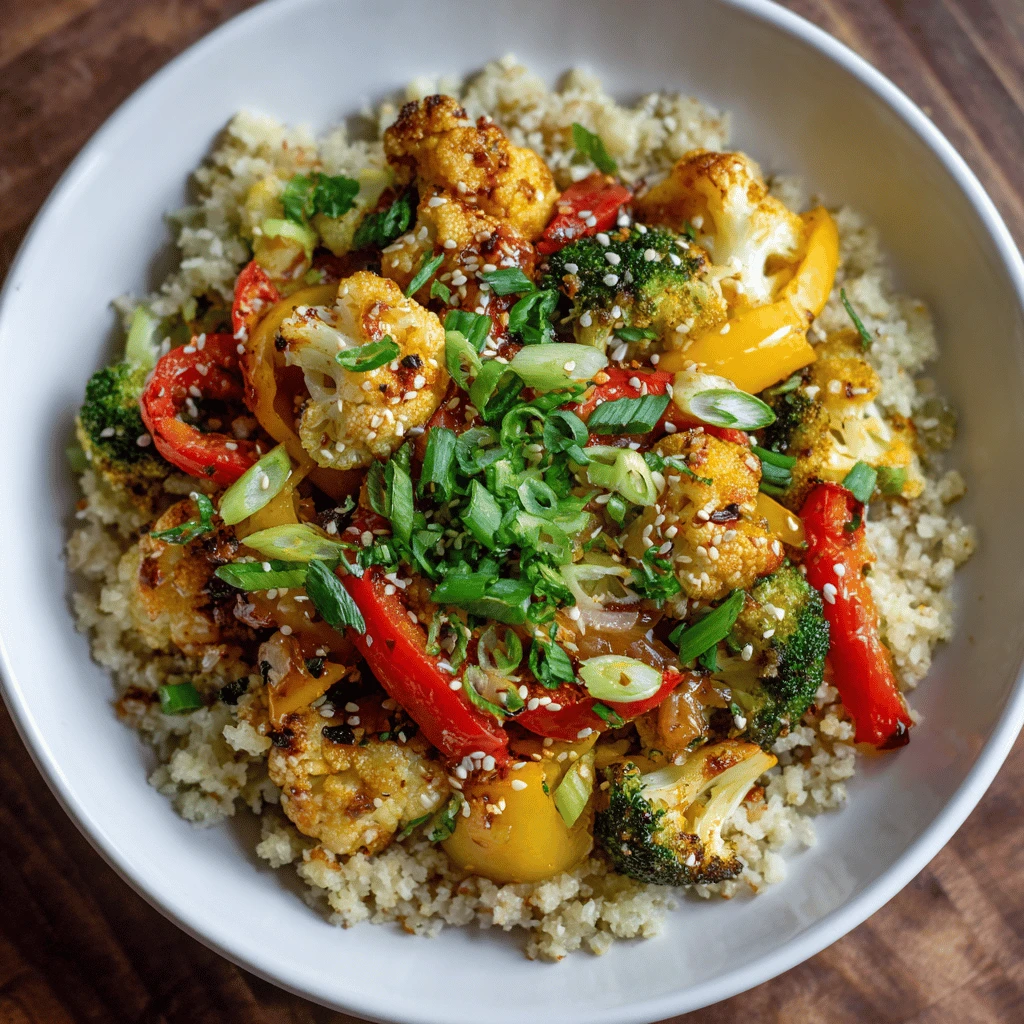
8. Garnish and Serve: Garnish with sesame seeds, chopped green onions, or a sprinkle of red pepper flakes. Serve immediately.
Tips and Tricks for the Perfect Cauliflower Stir Fry
- Don’t Overcrowd the Wok: Cook in batches if necessary to ensure that the vegetables and cauliflower rice cook evenly. Overcrowding the wok will lower the temperature and result in steamed, rather than stir-fried, ingredients.
- Use High Heat: Stir-frying is a high-heat cooking method, so make sure your wok or skillet is hot before adding the ingredients.
- Stir Frequently: Keep the ingredients moving in the wok to prevent them from sticking or burning.
- Adjust Seasoning to Taste: Taste the stir-fry before serving and adjust the seasoning as needed. You may need to add more soy sauce, salt, or pepper.
- Make it Ahead: While best served immediately, cauliflower stir-fry can be made ahead of time and reheated. Store it in an airtight container in the refrigerator for up to 3 days.
- Spice it Up: Experiment with different spices and seasonings to create unique flavor combinations. Curry powder, chili garlic sauce, and five-spice powder are all great options.
- Consider Texture: Add crunchy elements like water chestnuts or chopped nuts for added texture.
Frequently Asked Questions
Q: Is cauliflower stir-fry actually low-carb?
A: Yes, cauliflower is naturally low in carbohydrates, making it an excellent base for a low-carb stir-fry. However, be mindful of the other ingredients you use, especially the sauce. Opt for low-sugar or sugar-free sauces and avoid ingredients like honey or cornstarch.
Q: How do I prevent my cauliflower rice from becoming soggy?
A: The key is to pre-cook the cauliflower rice to remove excess moisture. Microwaving, steaming, or dry-frying it before adding it to the stir-fry will help to prevent it from becoming soggy. Also, don’t overcrowd the wok, which can lead to steaming instead of stir-frying.
Q: Can I use frozen cauliflower rice?
A: Yes, frozen cauliflower rice is a convenient option. However, it tends to release more moisture than fresh cauliflower rice. Be sure to thaw it completely and squeeze out any excess water before using it in your stir-fry. You may also need to pre-cook it for a longer time to remove the extra moisture.
Q: What are some good substitutes for soy sauce?
A: Coconut aminos are a popular substitute for soy sauce. It has a similar savory flavor but is lower in sodium and contains no soy. Tamari is another option, which is a wheat-free soy sauce. Low-sodium soy sauce is also a good choice if you want to reduce your sodium intake but still enjoy the flavor of soy sauce.
Q: Can I add nuts to my cauliflower stir-fry?
A: Absolutely! Nuts can add a delicious crunch and healthy fats to your stir-fry. Consider adding slivered almonds, chopped cashews, or peanuts. Toast the nuts lightly before adding them to the stir-fry for enhanced flavor and texture. Remember to factor in the carbs from the nuts if you are strictly monitoring your intake.