
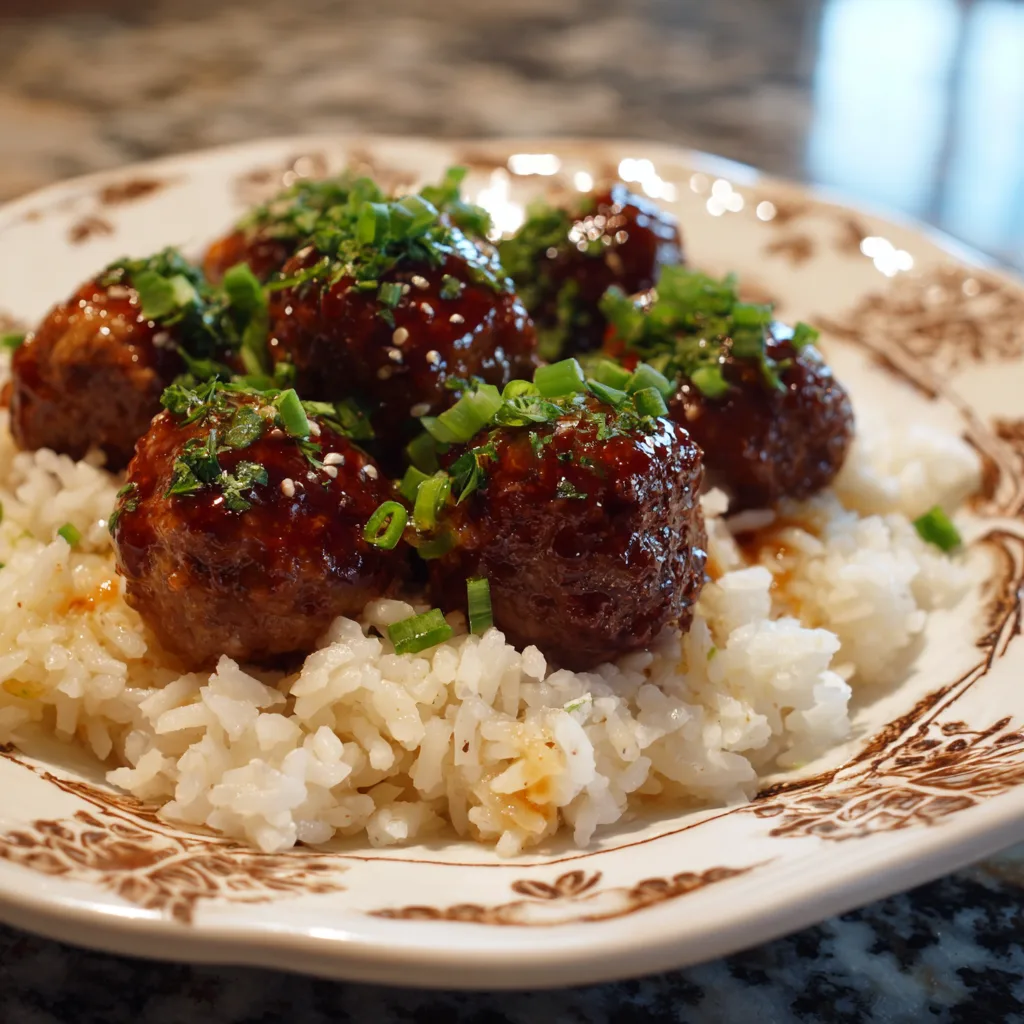
This recipe for Crockpot Teriyaki Meatballs & Rice is the definition of a low-effort, high-reward weeknight dinner. It combines savory, tender meatballs coated in a thick, sticky, and perfectly balanced teriyaki glaze with the irresistible sweetness of pineapple, all cooked to perfection in a slow cooker. With just minutes of prep time, this dish delivers an explosion of classic Asian-inspired flavors, transforming a handful of pantry staples into a satisfying meal that is universally loved by families and makes for fantastic leftovers. Whether served over a bed of fluffy rice or as a crowd-pleasing appetizer, this recipe is a cornerstone of simple, delicious home cooking.
Ingredients
This recipe focuses on maximum convenience, utilizing frozen, pre-cooked meatballs and a store-bought teriyaki sauce as a base.
For the Meatballs and Sauce
-
24–32 oz. bag frozen, pre-cooked homestyle beef or turkey meatballs
-
1 (20 oz.) can pineapple tidbits or chunks, undrained (juice included for sauce)
-
1½ cups bottled Teriyaki sauce (choose a quality brand; use low-sodium if preferred)
-
½ cup packed light brown sugar
-
2 tablespoons rice vinegar
-
1 teaspoon sesame oil
-
Optional for Spice: 1 tablespoon sriracha or chili garlic sauce
-
Optional Thickeners: 2 tablespoons cornstarch mixed with ¼ cup cold water (cornstarch slurry)
For Serving and Garnish
-
4 cups hot, cooked white rice, brown rice, or cauliflower rice
-
½ cup green onions (scallions), thinly sliced
-
2 tablespoons toasted sesame seeds
-
Optional: Steamed broccoli, snap peas, or shredded carrots
Step-by-Step Instructions
Follow these four simple steps for a perfect Crockpot Teriyaki Meatballs meal.
Step 1: Combine the Core Ingredients Lightly grease the inside of your slow cooker (or use a liner for easy cleanup). Add the frozen meatballs and the entire can of undrained pineapple chunks or tidbits.
Step 2: Prepare and Pour the Sauce In a medium bowl, whisk together the teriyaki sauce, brown sugar, rice vinegar, and sesame oil. If you are adding spice, whisk in the sriracha or chili garlic sauce now. Pour the entire sauce mixture evenly over the meatballs and pineapple in the slow cooker. Toss gently with a spoon until all the meatballs are thoroughly coated.
Step 3: Cook to Perfection Cover the slow cooker with the lid. Cook on LOW heat for 3.5 to 4 hours or on HIGH heat for 1.5 to 2 hours. The meatballs are already cooked, so the goal is to fully heat them through and allow the flavors to meld into a thick, sticky glaze. Stir the contents once halfway through cooking to prevent the sugar from burning on the bottom and ensure even coating.
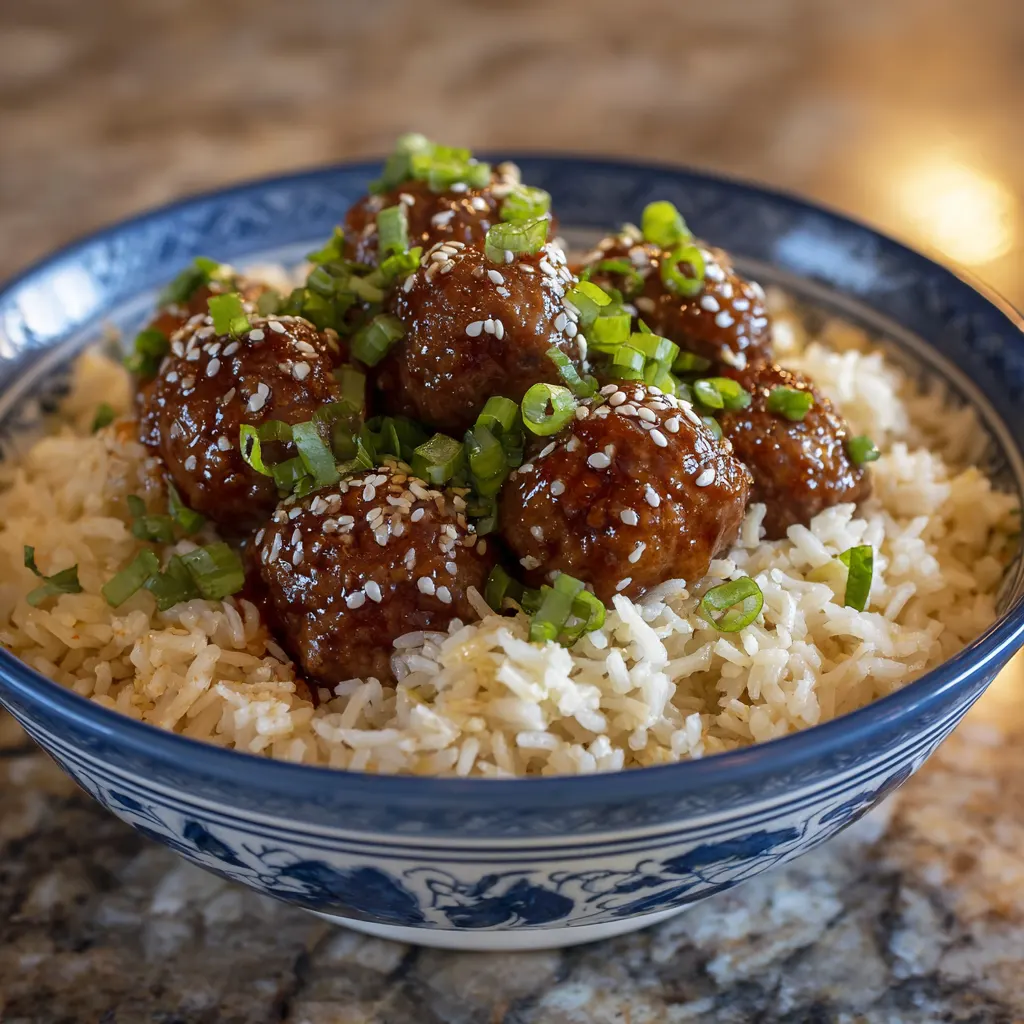
Step 4: Thicken and Serve If a thicker, stickier glaze is desired (highly recommended), prepare the cornstarch slurry: whisk 2 tablespoons of cornstarch with ¼ cup of cold water until smooth. Turn the slow cooker setting up to HIGH (if not already there), stir the slurry into the sauce, and cook for another 15–20 minutes, or until the sauce has visibly thickened to coat the back of a spoon. Serve the meatballs and sauce immediately over hot rice. Garnish generously with sliced green onions and toasted sesame seeds.
Mastering the Teriyaki Glaze: Achieving the Ideal Texture and Flavor
The hallmark of truly exceptional teriyaki meatballs is the thick, glossy, and sticky glaze that coats them. While the convenience of a slow cooker is unmatched, the high moisture content can sometimes result in a sauce that is too thin or watery. Mastering the glaze is key to transforming this simple dish into a gourmet experience.
The Science of Thickening
The most reliable method for achieving that restaurant-quality glaze is using a slurry in the final stages of cooking. Starches like cornstarch, arrowroot, or flour need heat and liquid to gelatinize, but they must first be mixed into a cold liquid to prevent clumping.
-
The Cornstarch Slurry: The preferred thickener is cornstarch. About 15–20 minutes before serving, whisk 2 tablespoons of cornstarch with ¼ cup of cold water until entirely smooth.
-
Application: Turn the slow cooker to its HIGH setting, if it is not already there. Stir the slurry directly into the sauce in the crockpot.
-
The Wait: Replace the lid and let it cook. The sauce should begin to bubble and thicken significantly within 15 to 20 minutes. If you are serving the meatballs as an appetizer and want an extra-thick coat, you can temporarily remove the meatballs and reduce the sauce further on the stovetop before returning the meatballs.
Flavor Balancing: Sweet, Savory, and Acidic
A great teriyaki sauce is a delicate balance of four key flavors: salty (soy sauce/coconut aminos), sweet (honey/brown sugar/pineapple), umami (the base of the sauce), and acidic (vinegar/lime).
-
Sweetness Boost: Brown sugar and the inclusion of undrained canned pineapple are vital for boosting the glaze’s sticky texture and tropical sweetness, which naturally complements the salty teriyaki base.
-
Acidity Check: Rice vinegar adds a necessary tang that cuts through the richness of the meat and the intense sweetness of the sauce. For extra brightness, a squeeze of fresh lime juice can be added just before serving.
-
Umami Depth: For those opting for a homemade sauce, using a quality chicken or beef broth/stock instead of plain water in the base mixture can significantly deepen the savory, umami flavor profile.
Meatball Matters: From Frozen Convenience to Homemade Excellence
The choice between frozen pre-cooked meatballs and making them from scratch dictates the overall preparation time and the final texture of your meal. Both methods are delicious, but they cater to different needs.
The Convenience of Frozen Meatballs
The most popular method, confirmed by recipe analysis, is the use of pre-cooked frozen meatballs. This is the cornerstone of the “dump-and-go” appeal:
-
Zero Prep Time: No mixing, rolling, or searing required.
-
Consistency: The texture remains firm, as the meatballs are already fully cooked and retain their shape well in the slow cooker’s moist environment.
-
Best Types: Homestyle beef, Italian-style beef (ensure the seasoning doesn’t clash with teriyaki), or turkey meatballs are all excellent choices.
The Art of Homemade Meatballs
For a superior texture, juiciness, and control over ingredients, making the meatballs from scratch is the preferred route.
-
Choosing the Meat: Ground beef (80/20 or 85/15) provides the juiciest result, while ground turkey or chicken offers a leaner option. If using lean ground meat, adding a binder like panko breadcrumbs soaked in milk or broth, along with an egg, is essential to prevent dryness and maintain moisture.
-
Essential Aromatics: Finely minced or grated fresh ginger, garlic, and finely chopped onion are crucial additions to homemade teriyaki meatballs, infusing them with flavor from the inside out.
-
Pre-Browning (Optional but Recommended): While not strictly necessary when using a slow cooker, briefly searing the homemade meatballs in a skillet before adding them to the crockpot provides a caramelized crust and locks in moisture, resulting in a more flavorful final product.
Beyond the Bowl: Variations, Sides, and Serving Suggestions
The Teriyaki Meatballs and Rice concept is highly versatile and easily adapted to suit different diets, preferences, and occasions. The final presentation can elevate this simple crockpot dish from a casual weeknight meal to an impressive party dish.
Customizing the Recipe
-
Make it Hawaiian: The addition of pineapple is a classic Hawaiian twist. For a more intense tropical flavor, replace a portion of the teriyaki sauce with quality BBQ sauce, or add a handful of chopped bell peppers (red and green) to the crockpot during the last 1–2 hours of cooking.
-
Gluten-Free Option: Teriyaki sauce often contains wheat. Simply substitute the store-bought sauce with Tamari or Coconut Aminos and ensure any breadcrumbs used in homemade meatballs are gluten-free panko.
-
Vegetable Power-Up: Turn the meal into a nutrient-dense bowl by adding heartier vegetables. Snap peas, sliced carrots, or sliced mushrooms can be added right alongside the meatballs. For crispier vegetables, like steamed broccoli florets or blanched edamame, serve them fresh alongside the saucy meatballs.
Rice Alternatives and Serving Bases
While white rice is the traditional pairing, the savory and sweet nature of the teriyaki sauce pairs well with several alternatives:
-
Brown Rice: Offers a nuttier flavor and a higher fiber content, making the meal heartier.
-
Cauliflower Rice: An excellent low-carb substitute that soaks up the glaze beautifully.
-
Noodles: Serve the meatballs over lo mein noodles, soba noodles, or even spiralized zucchini (zoodles) for a different textural experience.
-
Slider Sandwiches: Place small meatballs on Hawaiian rolls with a dollop of sauce and a sprinkle of green onions for a fun appetizer or lunch idea.
Garnishing for Impact
Never underestimate the power of garnishes. The contrasting colors and textures add visual appeal and a fresh crunch that cuts through the richness of the sauce:
-
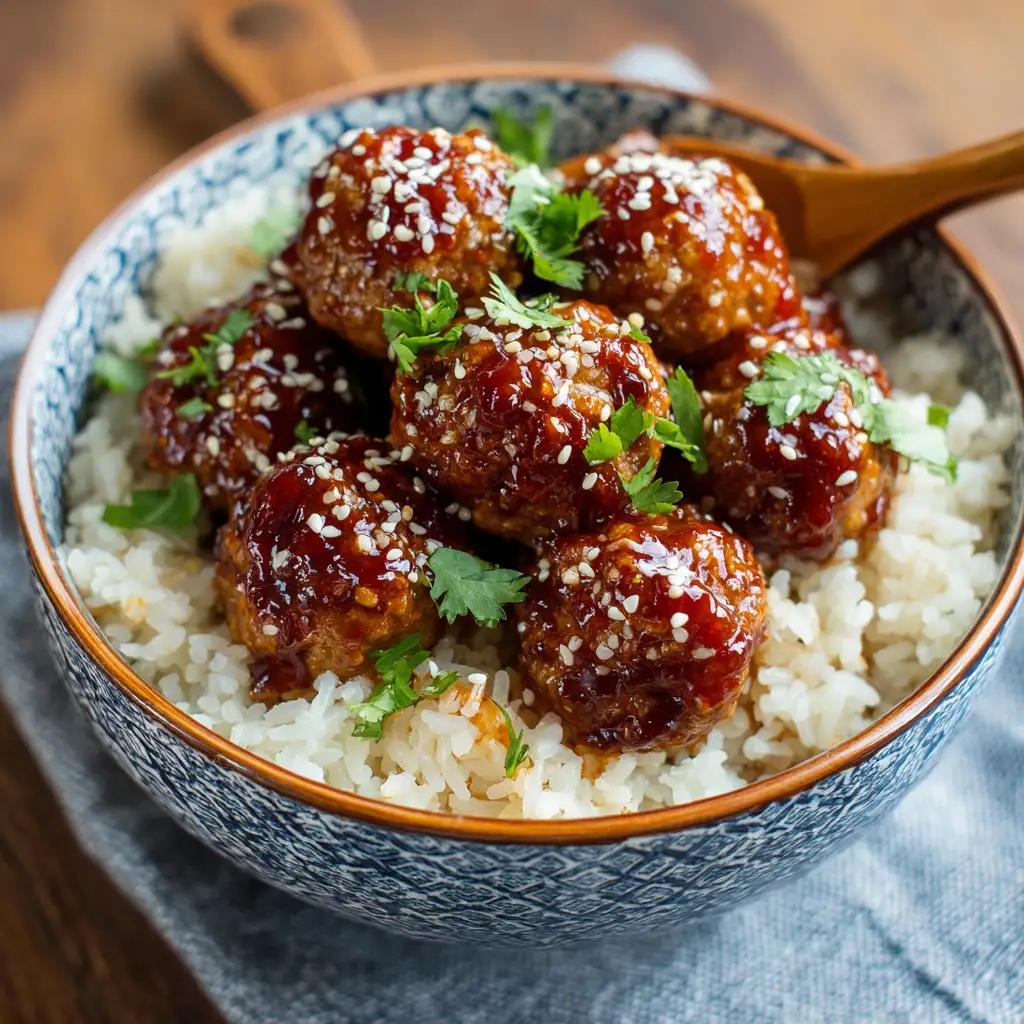
Fresh Herbs: Sliced green onions (scallions) are mandatory for their mild, refreshing onion bite.
-
Crunch: Toasted sesame seeds add a necessary nutty crunch.
-
Heat: A final drizzle of sriracha or a light sprinkle of red pepper flakes caters to those who like heat.
Troubleshooting and Expert Tips for Crockpot Success
The slow cooker is an invaluable kitchen appliance, but it requires a few key techniques to ensure Asian-style sauces achieve the desired result.
Common Troubleshooting Scenarios
-
Problem: The Sauce is Too Thin/Watery.
-
Fix: This is the most common issue. You must use the cornstarch slurry method detailed in Section II. If the sauce is still too thin, remove the meatballs, transfer the sauce to a saucepan, bring it to a simmer on the stovetop, and reduce it for 5-10 minutes before returning the meatballs.
-
-
Problem: The Meatballs Taste Dry (Homemade Only).
-
Fix: This usually happens when lean meat is used without enough binding or fat. Ensure you include a binder (like eggs and breadcrumbs) in your mixture. If using lean meat, consider using a portion of ground pork or beef to increase the fat content.
-
-
Problem: The Sauce is Burning/Sticking to the Bottom.
-
Fix: Sugary sauces are prone to scorching. Always use a slow cooker liner or spray the bottom with cooking oil. Most importantly, stir the meatballs gently once or twice during the cooking cycle to redistribute the sauce and prevent localized burning.
-
Expert Tips for Optimized Results
-
Don’t Drain the Pineapple: The juice from canned pineapple is crucial. It adds both liquid and natural sugars that contribute significantly to the sauce’s flavor and thickness.
-
Add Veggies Strategically: If adding delicate vegetables like bell peppers, zucchini, or fresh mushrooms, add them during the last hour of cooking. Adding them earlier will cause them to become overcooked and mushy.
-
Meal Prep and Storage: Teriyaki Meatballs are excellent for meal prepping. Store leftovers in an airtight container in the refrigerator for up to 4 days, served separately from the rice. For longer storage, the meatballs and sauce can be frozen for up to 3 months. Thaw overnight in the refrigerator and reheat on the stovetop or in the slow cooker on LOW until warmed through.
-
Don’t Overcrowd: Ensure the meatballs are largely covered by the sauce but not so tightly packed that the sauce cannot circulate. Use a 5- to 6-quart slow cooker for a standard 2-pound bag of meatballs.