
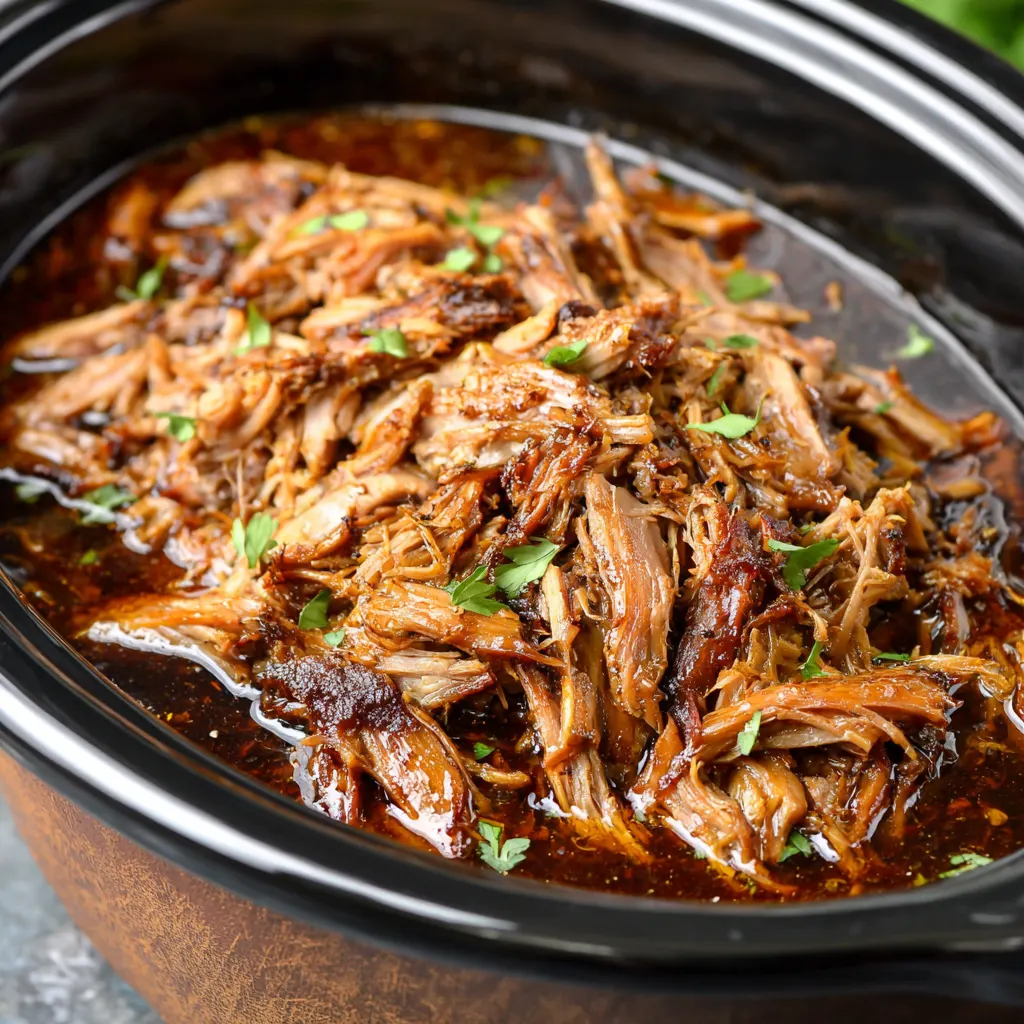
Sweet Heat Bourbon Pulled Pork
This dish stands as a testament to the magic of low-and-slow cooking, transforming a humble pork shoulder into a culinary masterpiece. The key to its success lies in achieving a perfect, complex balance: the smoky depth of bourbon, the molasses notes of dark sugar, and a lingering, yet gentle, chili heat. It’s a flavor profile that is robust enough to stand on its own, yet versatile enough to elevate any backyard gathering or weeknight dinner. The result is fall-apart tender meat cloaked in a rich, lacquered sauce—the ultimate expression of comfort food. To achieve this layered flavor, the process begins with a potent dry rub, followed by hours of simmering in a liquid base designed to tenderize and infuse, culminating in the signature sweet-heat finish.
Ingredients
For the Dry Rub (The Heat Foundation)
-
1 (7–9 lb) bone-in pork shoulder (Boston Butt)
-
¼ cup dark brown sugar, packed
-
2 Tbsp smoked paprika
-
2 Tbsp coarse kosher salt
-
1 Tbsp freshly cracked black pepper
-
1 Tbsp granulated garlic powder
-
1 Tbsp onion powder
-
1 Tbsp chipotle chili powder (for smoke and heat)
-
1 tsp cayenne pepper or crushed red pepper flakes (optional, for extra heat)
For the Braise and Sauce (The Sweet & Bourbon)
-
2 Tbsp canola or vegetable oil
-
1 large yellow onion, sliced
-
4 cloves garlic, smashed
-
1 cup quality bourbon (do not use budget cooking whiskey)
-
1 cup apple cider vinegar
-
1 cup apple juice or chicken broth
-
2 cups high-quality barbecue sauce (preferably a smoky, tomato-based variety)
-
½ cup dark brown sugar, packed
-
¼ cup real maple syrup or honey
-
1 Tbsp Worcestershire sauce
Step-by-Step Instructions (Oven Method)
Prep Time: 20 minutes | Cook Time: 7–9 hours | Rest Time: 30 minutes
-
Prepare the Pork: Pat the pork shoulder completely dry with paper towels. In a small bowl, combine all ingredients for the dry rub. Liberally rub the mixture over the entire surface of the pork butt, pressing gently to ensure a thick, even coating. Allow the pork to rest at room temperature for at least 30 minutes, or ideally, place it on a wire rack in the refrigerator overnight.
-
Sear the Meat: Preheat your oven to 325°F (160°C). Heat the canola oil in a large, oven-safe Dutch oven over medium-high heat on the stovetop. Sear the pork on all sides until a deep, golden-brown crust forms (approximately 2–3 minutes per side). Remove the pork and set it aside.
-
Build the Braising Liquid: Reduce the heat to medium. Add the sliced onion to the Dutch oven and sauté until softened and translucent, about 5 minutes. Add the smashed garlic and cook for 1 minute until fragrant. Deglaze the pot by pouring in the bourbon. Scrape up any browned bits from the bottom. Allow the bourbon to simmer and reduce slightly for 2 minutes.
-
Braise and Cook: Stir in the apple cider vinegar and apple juice (or broth). Place the seared pork back into the Dutch oven. The liquid should cover the bottom third of the meat; if necessary, add more apple juice. Cover the Dutch oven tightly with its lid, ensuring a good seal.
-
Cook Low and Slow: Transfer the covered Dutch oven to the preheated oven. Cook for 6 to 8 hours. The pork is done when its internal temperature reaches 200°F–205°F and the bone can be wiggled out cleanly, or the meat yields to the slightest pressure when probed with a fork.
-
Shred and Sauce: Carefully remove the pork from the liquid and place it in a large bowl or baking dish. Allow it to rest for 30 minutes. Meanwhile, skim the excess fat from the liquid in the Dutch oven, reserving the remaining flavorful cooking liquid.
-
Finish the Sauce: In a separate saucepan, combine the reserved cooking liquid (about 1 cup), the 2 cups of BBQ sauce, the ½ cup of brown sugar, the maple syrup, and the Worcestershire sauce. Bring to a simmer over medium heat and cook until the sauce has reduced slightly and thickened (about 10–15 minutes).
-
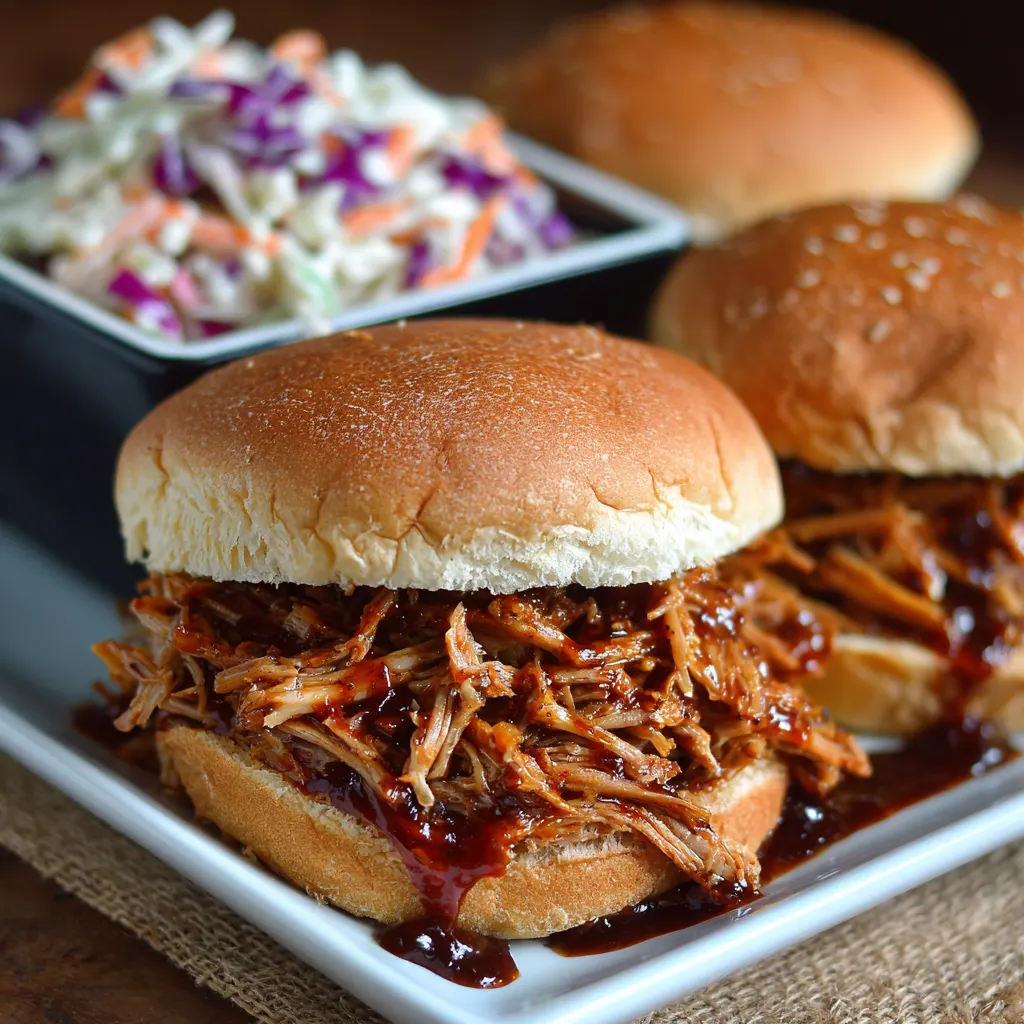
Serve: Shred the pork using two forks or specialized shredding claws. Pour about 1.5 cups of the finished sauce over the shredded pork, tossing to coat thoroughly. Serve immediately, using remaining sauce on the side for dipping.
The Art of Flavor Balancing: Sweet, Heat, and Spirit
The defining characteristic of this pulled pork recipe is its three-pronged flavor approach, which must be calibrated with precision. The “Sweet Heat Bourbon” profile relies on maximizing the interaction between the dry rub, the braising process, and the finishing sauce.
The Role of Bourbon
Bourbon is more than just a liquid additive; it imparts notes of vanilla, caramel, and oak that permeate the fat and connective tissue of the pork during the long cooking process. Choosing the right spirit is essential. While you do not need a costly sipping whiskey, avoid overly cheap options. An approachable, high-rye bourbon (such as Maker’s Mark or Jim Beam) works best, as its peppery middle and robust grain-forward characteristics stand up well to the long cooking time. By adding it at the beginning and reducing it (Step 3), the harsh alcohol evaporates, leaving behind only the complex, concentrated flavors of the barrel and grain.
Mastering the Heat
The heat in “Sweet Heat Bourbon Pulled Pork” should be present, not punishing. The two key heat sources are typically chipotle chili powder and crushed red pepper flakes, each providing a unique sensation.
-
Chipotle Chili Powder: This is primarily responsible for smoky heat, lending an earthy depth to the dry rub. It’s a slow-building warmth that lingers on the palate.
-
Cayenne/Red Pepper Flakes: These deliver a sharp, immediate kick. If you prefer a stronger spice level, increase the amount of red pepper flakes in the dry rub or add a teaspoon of hot sauce to the finishing sauce. Conversely, if you desire a mellower flavor, reduce or omit the cayenne while still relying on smoked paprika for color and mild flavor.
Dialing in the Sweetness
A balanced pulled pork must counteract the vinegar and spice with rich sweetness. This recipe uses a multi-layered approach to sweetening:
-
Dark Brown Sugar: The primary sweetener in both the rub and the sauce, providing deep molasses notes essential for classic BBQ flavor.
-
Maple Syrup/Honey: Used in the finishing sauce to provide a slightly cleaner, brighter sweetness that complements the bourbon’s caramel notes. Maple syrup, in particular, has an affinity for the smoky characteristics of the pork.
-
Fruit Accents (Optional): Some variations incorporate fruit purees like mango or apricot preserves into the final sauce. These provide natural pectin and acidity, resulting in a thick, tangy sauce that brightens the entire profile.
Mastering Low and Slow: Smoker, Slow Cooker, and Oven Techniques
The principle of “low and slow” cooking is non-negotiable for pulled pork, regardless of the equipment used. This ensures the collagen in the tough pork shoulder breaks down into gelatin, resulting in a moist, shreddable final product.
The Gold Standard: Smoking (10–12 Hours)
For the deepest flavor, the smoker is unmatched. This method emphasizes bark development and smoke penetration:
-
Preparation: Set the smoker temperature to 225°F or 250°F. Use fruit woods (like apple or cherry) or hickory for complementary smoke flavor. Apply the dry rub and place the pork directly on the grates.
-
The Stall: Cook until the internal temperature reaches 160°F (the “stall,” where moisture evaporating from the surface cools the meat). This typically takes 5–7 hours.
-
The Texas Crutch: At 160°F, remove the pork and wrap it tightly in foil or butcher paper (the “Texas Crutch”). Pour a small amount of braising liquid, such as apple juice or the bourbon mop sauce, into the wrap to keep the environment moist.
-
Finishing: Return the wrapped pork to the smoker until it reaches an internal temperature of 200°F–205°F. This may take an additional 3–5 hours. The pork is finished when a thermometer probe slides in with almost no resistance, feeling like butter.
Ease and Convenience: Slow Cooker (6–8 Hours)
The slow cooker (Crockpot) is the simplest method and yields incredibly tender results with minimal effort, making it ideal for the home cook.
-
Preparation: After searing (optional but recommended), place the pork in the slow cooker bowl. Pour the braising liquid (bourbon, vinegar, juice) around the meat.
-
Cooking Cycle: Cook on the LOW setting for 6–8 hours, or the HIGH setting for 3–4 hours.
-
Saucing: Once cooked, drain most of the liquid before shredding. This prevents the final product from becoming watery. Shred the pork and return it to the pot, then toss with the prepared finishing sauce. Cook on the WARM setting for another 30–60 minutes to allow the shredded meat to absorb the sauce.
Consistency and Control: Dutch Oven/Oven (7–9 Hours)
As detailed in the core recipe, the oven provides consistent, all-around heat, mimicking the moist heat environment of the slow cooker but with better temperature stability, leading to a rich bark formation before the braise. The Dutch oven contains the moisture beautifully, resulting in a flavorful braising liquid that forms the base for the final sauce.
The Foundation: Selecting and Preparing the Perfect Pork Butt
The cut of meat is the single most important factor determining the texture and moistness of the final product.
Choosing the Right Cut
Always choose a Pork Shoulder Roast, often labeled a “Boston Butt” or “Picnic Shoulder.” This cut comes from the upper part of the pig’s front leg and is rich in intramuscular fat and connective tissue (collagen). These elements, when cooked slowly, melt into the meat, providing the necessary moisture and gelatinous texture that allows the pork to pull apart effortlessly.
-
Bone-In vs. Boneless: While boneless is convenient, bone-in is preferred. The bone imparts additional flavor and helps conduct heat evenly through the center of the roast, resulting in a slightly more flavorful and evenly cooked product.
Trimming and Dry Rub Application
Before applying the rub, the pork should be checked for a thick fat cap. While some fat is crucial for moisture, if the cap is excessively thick (more than ¼ inch), trim it down. Too much fat prevents the dry rub from reaching the meat surface, inhibiting bark formation.
The dry rub application is not merely a seasoning step; it’s the beginning of the “bark,” the savory, crusty exterior of the pulled pork. The rub should be massaged deeply and liberally over the entire surface. If possible, allowing the rubbed pork to rest uncovered in the refrigerator overnight permits the salt to break down muscle fibers and the spices to bond with the surface moisture, creating a robust, flavorful crust during cooking.
The Critical Importance of Resting
The rest period after cooking is non-negotiable. When the pork reaches its target temperature (200°F–205°F), the muscle fibers are tight and the internal moisture is highly agitated. If you shred the pork immediately, those fibers will squeeze out the accumulated juices, leaving the meat dry.
By allowing the pork to rest, wrapped tightly, for at least 30 minutes, the internal temperature stabilizes and the muscle fibers relax, reabsorbing the flavorful juices. This ensures that every strand of pork is as moist and flavorful as possible.
Beyond the Bun: Serving, Sides, and Storage
While classic pulled pork sandwiches are a crowd-pleaser, the versatility of Sweet Heat Bourbon Pulled Pork allows for creative applications and complementary pairings.
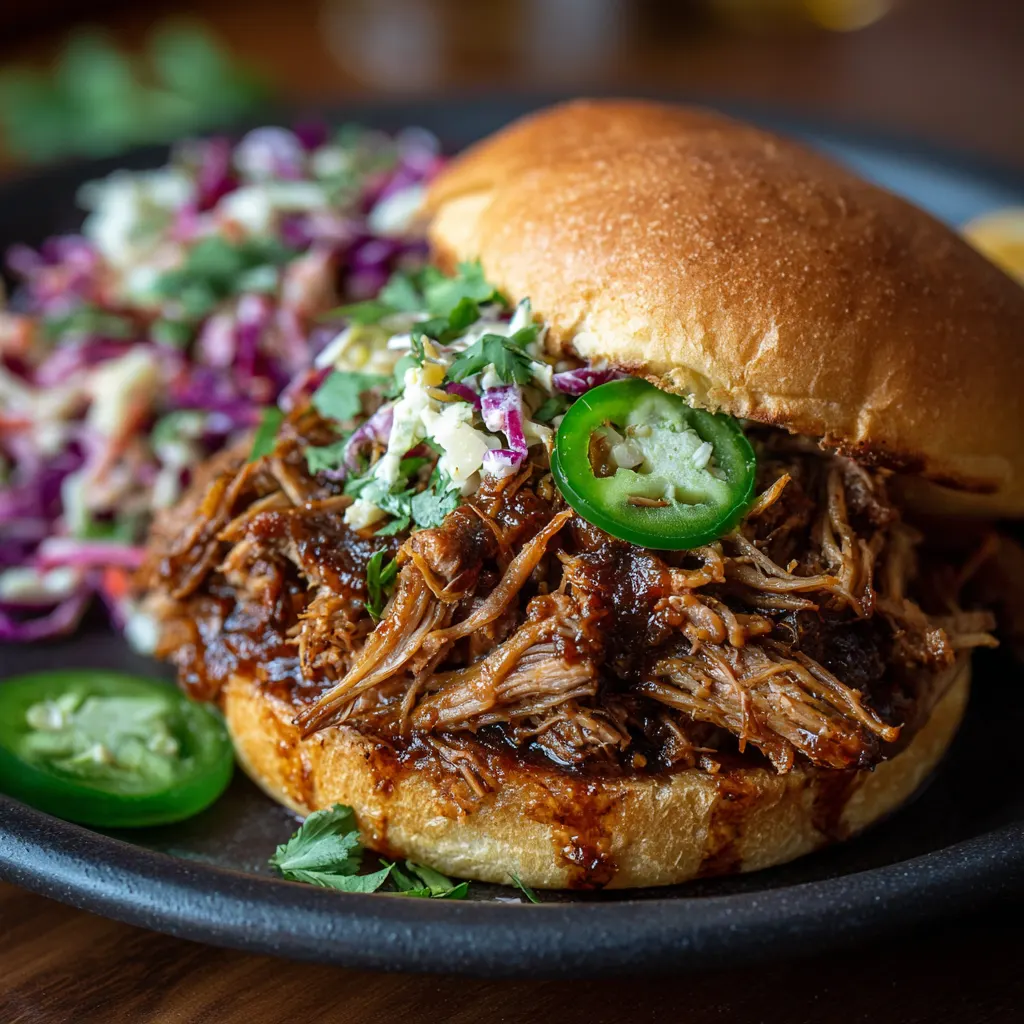
The Perfect Pairing: Slaw and Buns
A well-chosen side dish provides essential contrast. The richness of the pork and the stickiness of the sweet sauce are perfectly countered by a crisp, acidic coleslaw.
-
Vinegar Slaw (Recommended): A slaw dressed simply with apple cider vinegar, a touch of sugar, salt, and pepper is often superior to a creamy mayonnaise-based slaw, as its sharp acidity cuts through the richness of the pork and complements the vinegar in the sauce.
-
The Bun: Choose a sturdy, toasted brioche or potato roll. Toasted buns hold up to the heavy, saucy meat and provide a subtle, desirable crunch.
Creative Serving Suggestions
Don’t limit the enjoyment to a standard sandwich. This complex pulled pork flavor works beautifully in global and comfort dishes:
-
Pulled Pork Tacos: Serve in warm corn or flour tortillas with thinly sliced pickled red onions, cilantro, and a drizzle of lime juice.
-
BBQ Nachos: Layer the pulled pork over tortilla chips, smothered in cheese, and baked until gooey. Top with sour cream, jalapeños, and a final flourish of the warm bourbon sauce.
-
Stuffed Potatoes: Use as a savory filling for baked sweet potatoes or large russet potatoes, topped with melted cheddar or crumbled blue cheese.
-
Sweet Potato Hash: Combine leftovers with diced sweet potatoes and onions for a hearty breakfast hash, topped with a fried egg.
Storage and Reheating
This recipe yields a substantial quantity, making it an excellent candidate for meal prep.
-
Refrigeration: Store shredded pork coated in sauce in an airtight container for up to 4 days.
-
Freezing: For long-term storage, cool the pork completely, then freeze it in zipper-top freezer bags, squeezing out as much air as possible. It will keep well for 3–4 months.
-
Reheating: The best method for reheating large batches is returning the pork (still coated in its sauce) to a slow cooker on the LOW setting for 2–3 hours, adding a splash of apple juice or broth if it seems dry. For smaller portions, reheat in a covered baking dish in a 325°F oven, stirring once, until it reaches 165°F.