
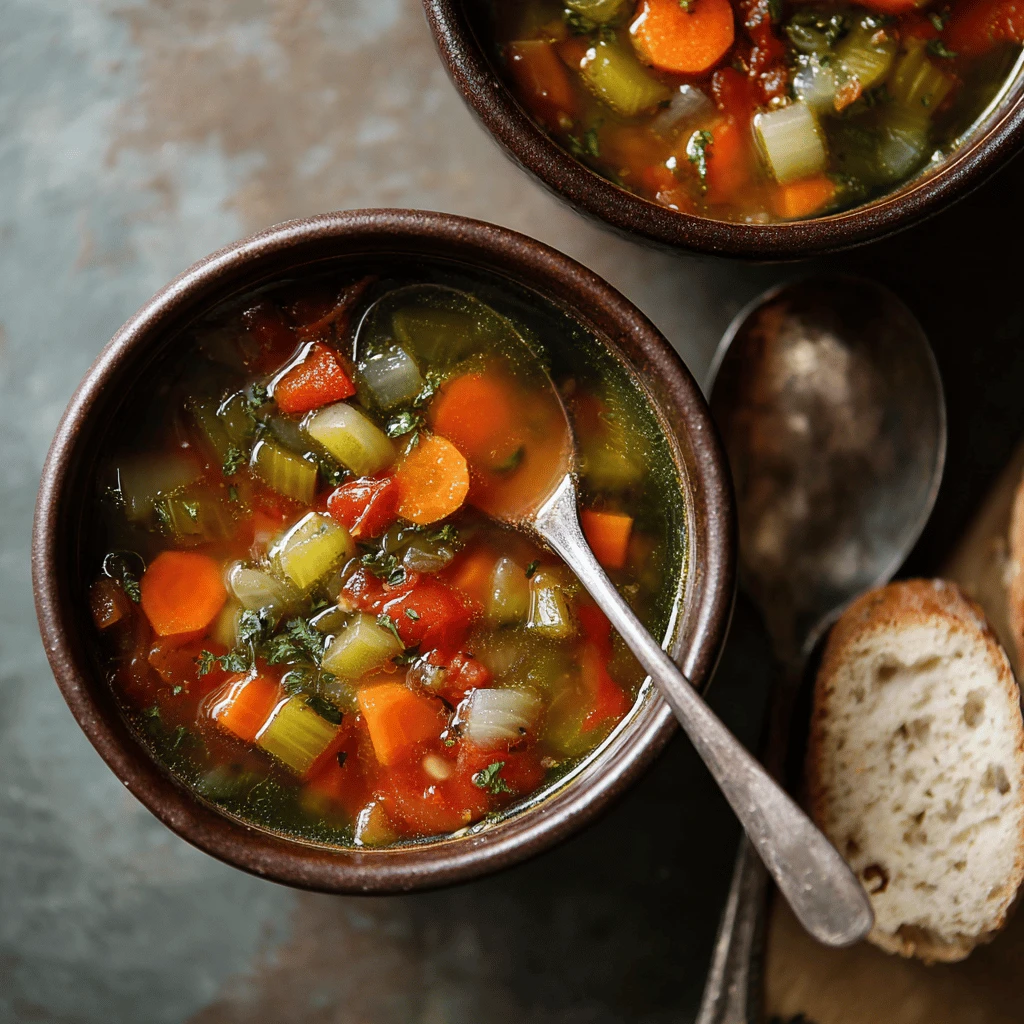
Comforting Vegetable Soup: A Guide to Heartwarming Flavors
Vegetable soup: it’s a hug in a bowl, a symphony of flavors, and a powerhouse of nutrients all rolled into one. This versatile dish is perfect for chilly evenings, quick lunches, or whenever you crave something wholesome and satisfying. But with so many recipes and variations, where do you begin? This guide will walk you through creating the perfect comforting vegetable soup, from selecting the best ingredients to mastering essential techniques.
The Foundation: Building Blocks of Flavor
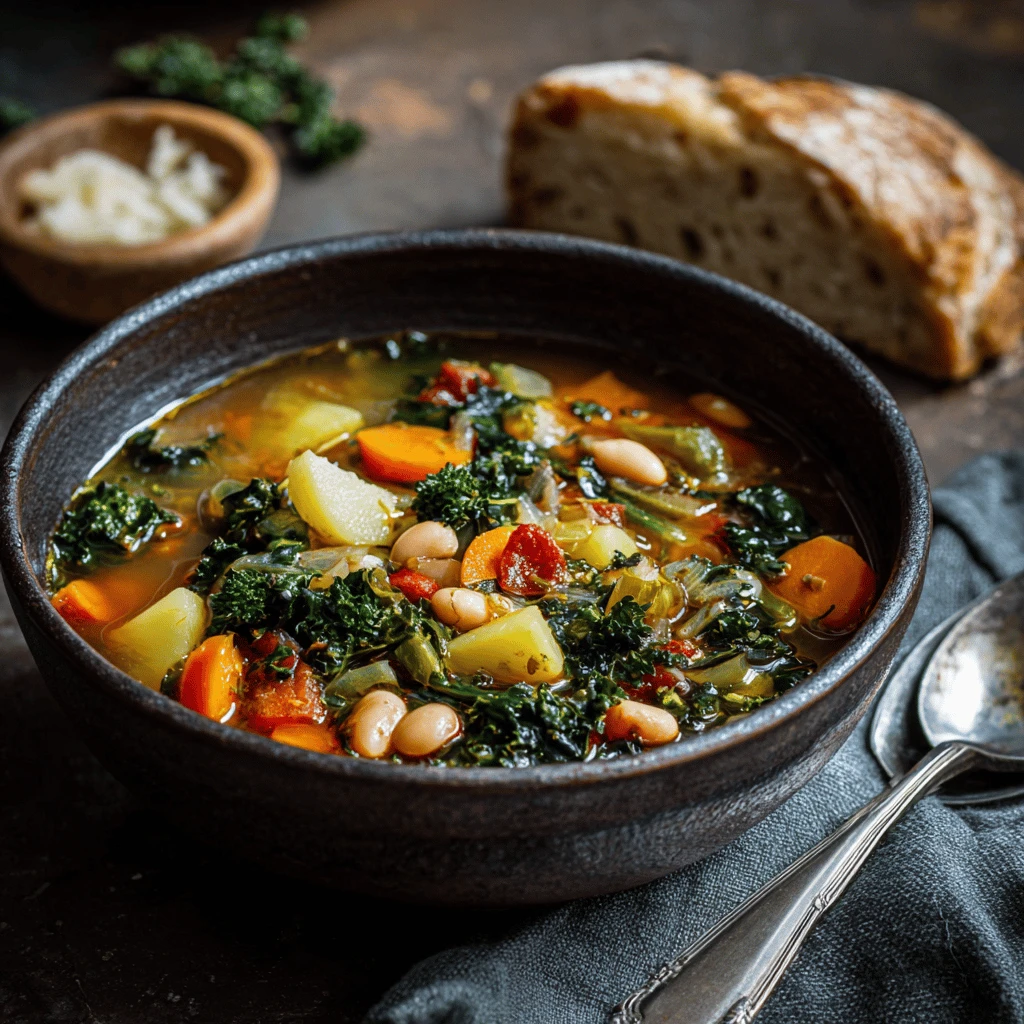
The key to a truly exceptional vegetable soup lies in building a robust flavor foundation. This starts with the right ingredients and a few simple, yet crucial, techniques.
Choosing Your Vegetables: Freshness is Key
While canned or frozen vegetables can be used in a pinch, fresh vegetables are always the best choice for optimal flavor and texture. Consider the season when selecting your vegetables; in-season produce will be more flavorful and often more affordable.
- The Aromatics: Onions, garlic, and celery form the aromatic base of most great soups. Sautéing them gently in olive oil or butter until softened releases their flavors and creates a savory foundation. Leeks can be used in place of onions for a milder flavor.
- Root Vegetables: Carrots, potatoes, and parsnips add heartiness and sweetness to the soup. Cut them into uniform sizes for even cooking. Sweet potatoes offer a richer flavor and vibrant color.
- Leafy Greens: Spinach, kale, and chard provide essential vitamins and minerals. Add them towards the end of cooking to prevent them from becoming mushy.
- Other Vegetables: Zucchini, bell peppers, corn, green beans, and peas are all excellent additions to vegetable soup. Consider their cooking times and add them accordingly. Mushrooms, while technically fungi, add an earthy depth of flavor that complements the other vegetables.
- Beans and Legumes: Adding beans or lentils transforms your soup into a more substantial and protein-rich meal. Cannellini beans, kidney beans, chickpeas, and lentils are all great choices. Canned beans are convenient, but dried beans, soaked overnight and cooked until tender, offer superior flavor and texture.
The Broth: The Heart of the Soup
The broth is the liquid base of your soup and plays a vital role in its overall flavor.
- Vegetable Broth: Homemade vegetable broth is ideal, as it allows you to control the sodium content and customize the flavor. Simply simmer vegetable scraps (onion peels, carrot tops, celery ends) in water for an hour or so, then strain. Store-bought vegetable broth is a convenient alternative. Look for low-sodium options to control the saltiness of your soup.
- Chicken Broth: For a richer, more savory flavor, chicken broth can be used instead of vegetable broth.
- Bone Broth: Bone broth adds depth of flavor and boasts potential health benefits.
- Water: In a pinch, plain water can be used, but be sure to compensate with extra seasoning.
Essential Techniques: Sautéing, Simmering, and Seasoning
Mastering a few simple techniques can elevate your vegetable soup from ordinary to extraordinary.
- Sautéing the Aromatics: Sautéing the onions, garlic, and celery in olive oil or butter before adding the broth releases their flavors and creates a savory base for the soup. Cook them over medium heat until softened and fragrant, being careful not to burn them.
- Simmering, Not Boiling: Simmering the soup gently allows the flavors to meld together without making the vegetables mushy. Avoid boiling the soup vigorously.
- Seasoning is Key: Salt and pepper are essential, but don’t be afraid to experiment with other seasonings. Herbs like thyme, rosemary, oregano, and bay leaf add depth of flavor. A squeeze of lemon juice or a splash of vinegar can brighten the soup and balance the flavors. Red pepper flakes add a touch of heat. Consider adding a Parmesan rind while simmering to infuse the broth with umami. Remember to remove the rind before serving.
Variations and Adaptations: Making it Your Own
One of the best things about vegetable soup is its versatility. Feel free to experiment with different vegetables, herbs, and spices to create your own unique flavor combinations.
Regional Influences: Exploring Global Flavors
- Italian-Inspired: Add diced tomatoes, basil, oregano, and a Parmesan rind for a taste of Italy.
- Mexican-Inspired: Add corn, black beans, chili powder, cumin, and a squeeze of lime juice for a Mexican twist. Top with avocado, cilantro, and a dollop of sour cream.
- Asian-Inspired: Add ginger, garlic, soy sauce, rice vinegar, and sesame oil for an Asian flair. Top with scallions, sesame seeds, and a drizzle of chili oil. Add tofu or bok choy for added substance.
- French-Inspired: Use leeks instead of onions, add thyme and bay leaf, and finish with a swirl of crème fraîche.
Dietary Considerations: Adapting for Specific Needs
- Vegetarian/Vegan: Vegetable soup is naturally vegetarian, but be sure to use vegetable broth. To make it vegan, ensure that you are using a vegetable broth and plant-based fats.
- Gluten-Free: Most vegetable soups are naturally gluten-free, but be sure to check the labels of any store-bought broths or seasonings to ensure that they don’t contain gluten.
- Low-Sodium: Use low-sodium broth and avoid adding salt. Rely on herbs and spices to add flavor.
- Low-Carb: Focus on non-starchy vegetables like zucchini, bell peppers, and leafy greens. Avoid or limit potatoes and corn.
Adding Protein: Boosting the Nutritional Value
While vegetable soup is packed with vitamins and minerals, it can sometimes lack protein. Adding protein transforms the soup into a more complete and satisfying meal.
- Beans and Lentils: As mentioned earlier, beans and lentils are excellent sources of plant-based protein.
- Tofu: Cubed or crumbled tofu adds protein and a creamy texture.
- Chicken or Turkey: Cooked chicken or turkey can be added to the soup for a boost of protein.
- Hard-Boiled Eggs: Sliced hard-boiled eggs are a simple and satisfying addition.
- Quinoa: Cooked quinoa adds protein and fiber.
Serving and Storing: Enjoying Your Creation
The final touches can make all the difference in how you enjoy your comforting vegetable soup.
Garnishes: Adding Visual Appeal and Flavor
Garnishes add visual appeal and can enhance the flavor of the soup.
- Fresh Herbs: Chopped parsley, cilantro, basil, or chives add a fresh, vibrant flavor.
- A Drizzle of Olive Oil: A drizzle of extra virgin olive oil adds richness and flavor.
- A Dollop of Yogurt or Sour Cream: Adds creaminess and tang.
- Croutons: Adds crunch and texture.
- Shredded Cheese: Adds flavor and richness. Parmesan, cheddar, or Monterey Jack are all good choices.
- Avocado: Diced avocado adds creaminess and healthy fats.
- Lemon Wedge: A squeeze of lemon juice brightens the flavor of the soup.
Pairing Suggestions: Completing the Meal
Vegetable soup is delicious on its own, but it can also be paired with other dishes to create a complete meal.
- Bread: Crusty bread, garlic bread, or grilled cheese sandwiches are all excellent companions to vegetable soup.
- Salad: A simple green salad or a more elaborate salad with grilled chicken or fish complements the soup perfectly.
- Sandwich: A half-sandwich or panini makes a satisfying lunch or light dinner.
Storage and Reheating: Making the Most of Leftovers
Vegetable soup is even better the next day, as the flavors have had time to meld together.
- Storage: Store leftover soup in an airtight container in the refrigerator for up to 3-4 days.
- Freezing: Vegetable soup freezes well. Allow the soup to cool completely before transferring it to freezer-safe containers or bags. Leave some headspace in the containers to allow for expansion. The soup can be frozen for up to 2-3 months.
- Reheating: Reheat the soup in a saucepan over medium heat or in the microwave. If the soup has thickened during storage, add a little broth or water to thin it out.
Troubleshooting: Common Issues and Solutions
Even with the best intentions, sometimes things can go wrong. Here are some common issues and how to fix them.
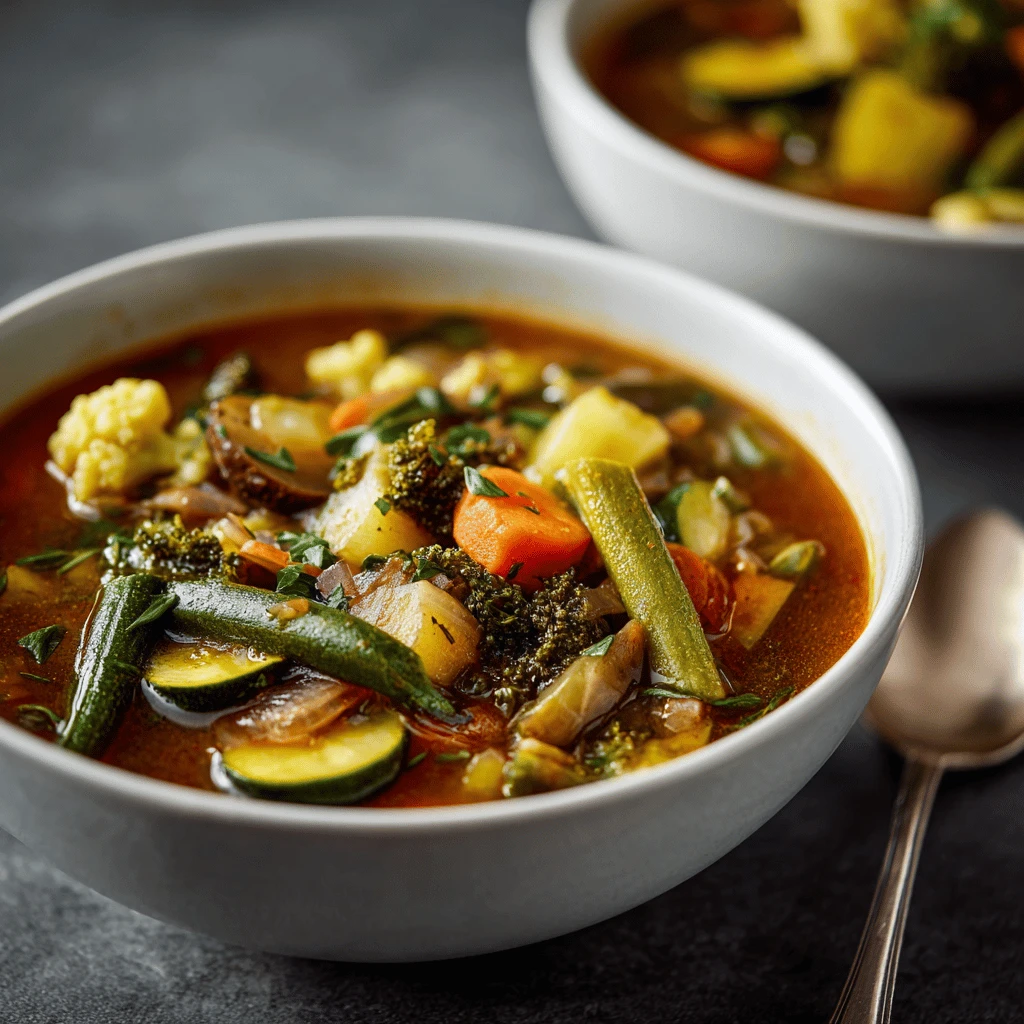
Soup is Too Bland
- Solution: Add more salt, pepper, herbs, or spices. A squeeze of lemon juice or a splash of vinegar can also brighten the flavor. Consider adding a Parmesan rind while simmering for extra umami.
Soup is Too Salty
- Solution: Add a potato or a carrot, cut into large chunks, and simmer for 15-20 minutes. The potato or carrot will absorb some of the excess salt. Remove the potato or carrot before serving.
Vegetables are Mushy
- Solution: Avoid overcooking the vegetables. Add delicate vegetables like spinach or zucchini towards the end of cooking.
Soup is Too Thick
- Solution: Add more broth or water to thin it out.
Soup is Too Thin
- Solution: Simmer the soup uncovered for a longer period of time to allow some of the liquid to evaporate. Alternatively, you can blend a portion of the soup and return it to the pot to thicken the remaining soup. Adding a slurry of cornstarch and water can also help to thicken the soup.
Frequently Asked Questions
- What are the best vegetables to put in soup?
The best vegetables for soup depend on your personal preference and the season. Some popular choices include onions, carrots, celery, potatoes, zucchini, bell peppers, and leafy greens.
- How do you make vegetable soup taste better?
To make vegetable soup taste better, start with a good quality broth, sauté the aromatics before adding the broth, season generously, and add fresh herbs at the end of cooking.
- Can you freeze vegetable soup?
Yes, vegetable soup freezes well. Allow the soup to cool completely before transferring it to freezer-safe containers or bags.
- How long does vegetable soup last in the fridge?
Vegetable soup will last for 3-4 days in the refrigerator.
- Is vegetable soup healthy?
Yes, vegetable soup is a healthy and nutritious meal. It is packed with vitamins, minerals, and fiber.