
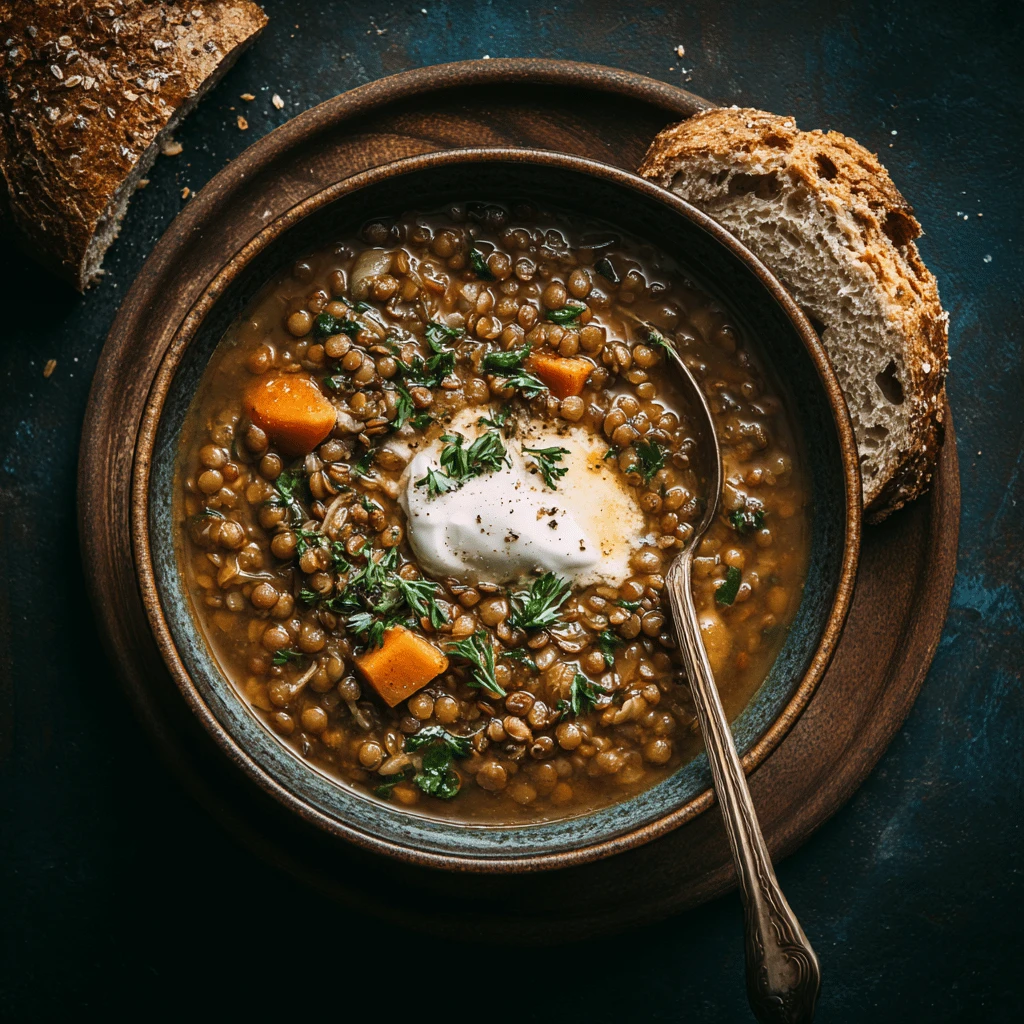
Comforting Lentil Feel-Better Soup
The Magic of Lentil Soup When You’re Under the Weather
Lentil soup isn’t just a meal; it’s a hug in a bowl. When sniffles strike, or fatigue settles in, a warm bowl of lentil soup offers more than just sustenance. Its nutritional profile provides vital fuel for your immune system, while the gentle flavors soothe the body and soul. This hearty, plant-based soup is packed with vitamins, minerals, and fiber, all contributing to a faster recovery and a boost of energy. The warmth of the broth can help clear congestion, and the easy digestibility makes it a perfect choice when your appetite is diminished.

Why lentil soup stands out as a feel-better food goes beyond its taste. It’s the perfect combination of nutrients, ease of digestion, and comforting warmth that makes it a go-to remedy for generations. Plus, the variations are endless, allowing you to tailor the soup to your specific preferences and dietary needs.
Building Blocks: Key Ingredients for Recovery
The power of a feel-better lentil soup lies in the synergy of its ingredients. Each component plays a crucial role in supporting your body’s natural healing processes. Here’s a look at some essential elements:
- Lentils: The star of the show, lentils are a powerhouse of plant-based protein, fiber, and iron. Protein is crucial for repairing tissues and building new cells, while fiber aids digestion and helps regulate blood sugar levels. Iron is essential for carrying oxygen throughout the body, combating fatigue. Different types of lentils offer varying textures and cooking times, so experiment with red, green, or brown lentils to find your favorite.
- Vegetable Broth: A flavorful and hydrating base, vegetable broth provides essential electrolytes that are often lost when you’re feeling unwell. Opt for a low-sodium variety or make your own to control the salt content and maximize the nutritional benefits.
- Aromatic Vegetables (Onion, Garlic, Celery, Carrots): This classic combination adds depth of flavor and provides a wealth of vitamins and antioxidants. Onions and garlic are known for their immune-boosting properties, while celery and carrots contribute vitamins A and C, which are vital for fighting off infection.
- Herbs and Spices (Turmeric, Ginger, Thyme, Bay Leaf): These aromatic additions not only enhance the flavor of the soup but also offer potent medicinal benefits. Turmeric contains curcumin, a powerful anti-inflammatory compound, while ginger helps soothe nausea and ease congestion. Thyme and bay leaf add a subtle herbal note and provide antimicrobial properties.
- Lemon Juice: A squeeze of fresh lemon juice brightens the flavor of the soup and adds a dose of vitamin C, a crucial antioxidant that supports immune function.
Crafting Your Perfect Feel-Better Lentil Soup: A Step-by-Step Guide
Creating a comforting lentil soup is simpler than you might think. With a few basic ingredients and a little patience, you can have a nourishing bowl of goodness ready in no time.
Step 1: Sauté the Aromatics
Begin by sautéing diced onion, garlic, celery, and carrots in a pot with a little olive oil or coconut oil over medium heat. Cook until the vegetables are softened and fragrant, about 5-7 minutes. This step is crucial for building a flavorful base for the soup.
Step 2: Add Lentils and Broth
Rinse the lentils thoroughly under cold water to remove any debris. Add them to the pot along with the vegetable broth. Bring the mixture to a boil, then reduce the heat to low, cover, and simmer for 20-25 minutes, or until the lentils are tender.
Step 3: Season and Simmer
Stir in your chosen herbs and spices, such as turmeric, ginger, thyme, and a bay leaf. Season with salt and pepper to taste. Continue to simmer the soup for another 10-15 minutes to allow the flavors to meld together.
Step 4: Adjust Consistency (Optional)
If you prefer a smoother soup, you can use an immersion blender to partially or fully blend the soup. Alternatively, you can remove a portion of the soup and blend it in a regular blender before returning it to the pot.
Step 5: Finish and Serve
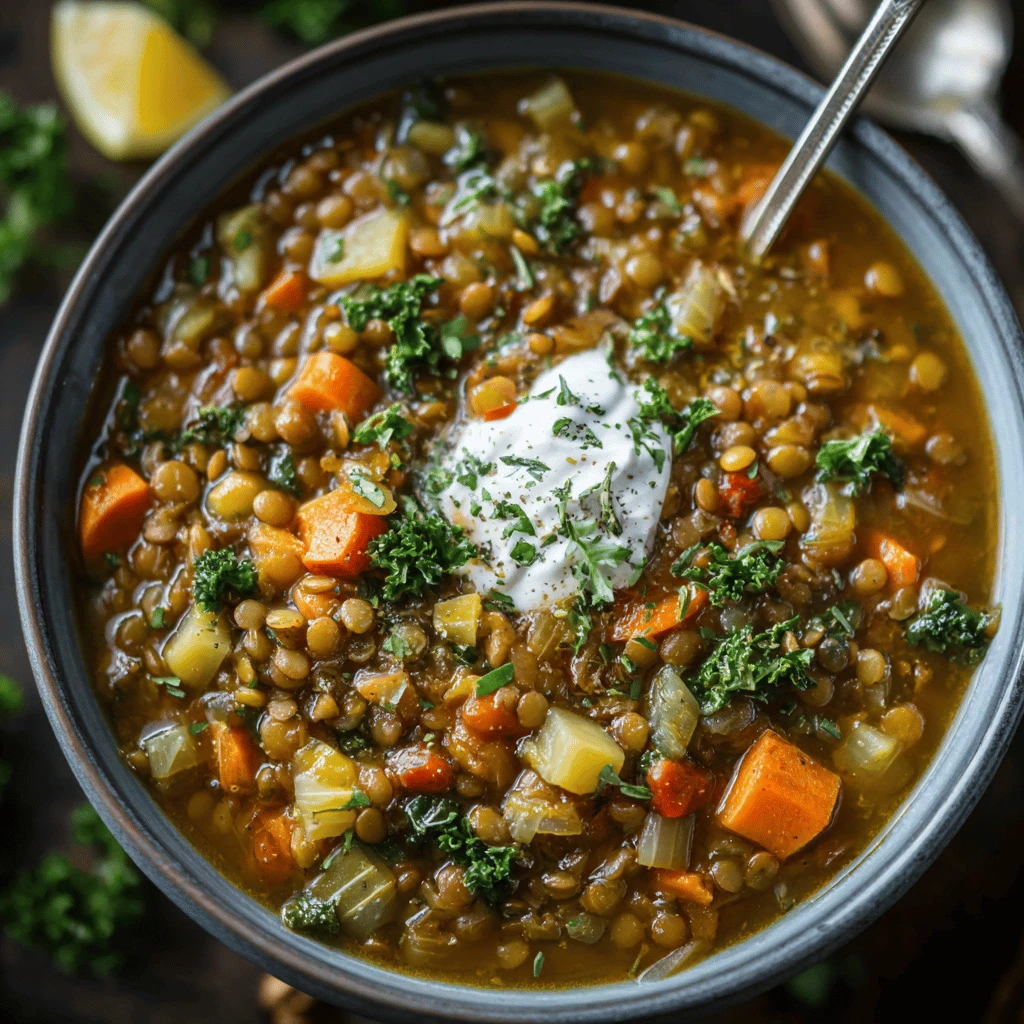
Remove the bay leaf. Stir in a squeeze of fresh lemon juice. Taste and adjust seasonings as needed. Serve hot, garnished with fresh herbs like parsley or cilantro, if desired. A dollop of plain yogurt or a swirl of coconut milk can also add a creamy touch.
Variations and Adaptations for Specific Needs
The beauty of lentil soup lies in its versatility. You can easily adapt the recipe to suit your specific dietary needs and preferences:
- For a Cold: Add extra garlic, ginger, and a pinch of cayenne pepper for a spicy kick that helps clear congestion.
- For Digestive Issues: Use red lentils, which are easier to digest, and avoid adding too many strong spices.
- For a Vegetarian or Vegan Diet: Ensure that you’re using vegetable broth and not chicken broth.
- For Added Protein: Include cooked chicken or turkey.
The Science Behind the Soup: Why It Works
The comforting effect of lentil soup is more than just anecdotal. Scientific research supports the health benefits of its key ingredients.
- Lentils and Fiber: The high fiber content in lentils promotes gut health. A healthy gut is crucial for a strong immune system. Fiber also helps regulate blood sugar levels, preventing energy crashes that can exacerbate fatigue.
- Vegetables and Antioxidants: The vegetables in lentil soup are packed with antioxidants, which protect cells from damage caused by free radicals. Antioxidants boost the immune system and reduce inflammation.
- Herbs and Anti-Inflammatory Properties: Herbs like turmeric and ginger contain potent anti-inflammatory compounds that can help alleviate pain and discomfort. Inflammation is a major contributor to many common ailments, making anti-inflammatory foods essential for recovery.
- Hydration and Electrolytes: The broth in lentil soup provides essential hydration and electrolytes, which are crucial for maintaining proper bodily functions and combating dehydration, a common side effect of illness.
- Psychological Comfort: Beyond the physical benefits, the act of preparing and consuming a warm, comforting bowl of soup can have a positive impact on mental well-being. The familiar flavors and textures can evoke feelings of comfort and security, which can be especially beneficial when you’re feeling stressed or anxious.
Frequently Asked Questions (FAQ)
Q: Can I freeze lentil soup?
A: Yes, lentil soup freezes very well. Allow the soup to cool completely before transferring it to freezer-safe containers or bags. It can be stored in the freezer for up to 3 months.
Q: How long does lentil soup last in the refrigerator?
A: Lentil soup will typically last for 3-4 days in the refrigerator. Ensure that it is stored in an airtight container.
Q: What kind of lentils are best for soup?
A: Brown or green lentils are commonly used for soup because they hold their shape well during cooking. Red lentils break down more easily and create a creamier texture.
Q: Can I use chicken broth instead of vegetable broth?
A: Yes, you can use chicken broth if you prefer. However, using vegetable broth will keep the soup vegetarian and vegan.
Q: Is lentil soup good for weight loss?
A: Lentil soup can be a healthy and filling option for weight loss. It’s high in fiber and protein, which can help you feel full and satisfied, reducing the likelihood of overeating.
Q: Can I add meat to lentil soup?
A: Absolutely! Adding cooked chicken, turkey, sausage, or ham can add extra protein and flavor to the soup.
Q: How can I make lentil soup thicker?
A: To thicken lentil soup, you can simmer it uncovered for a longer period to allow some of the liquid to evaporate. Alternatively, you can blend a portion of the soup to create a creamier texture.
Q: What are some good toppings for lentil soup?
A: Popular toppings include fresh herbs (parsley, cilantro), a dollop of plain yogurt or sour cream, a drizzle of olive oil, a squeeze of lemon juice, or a sprinkle of red pepper flakes.