
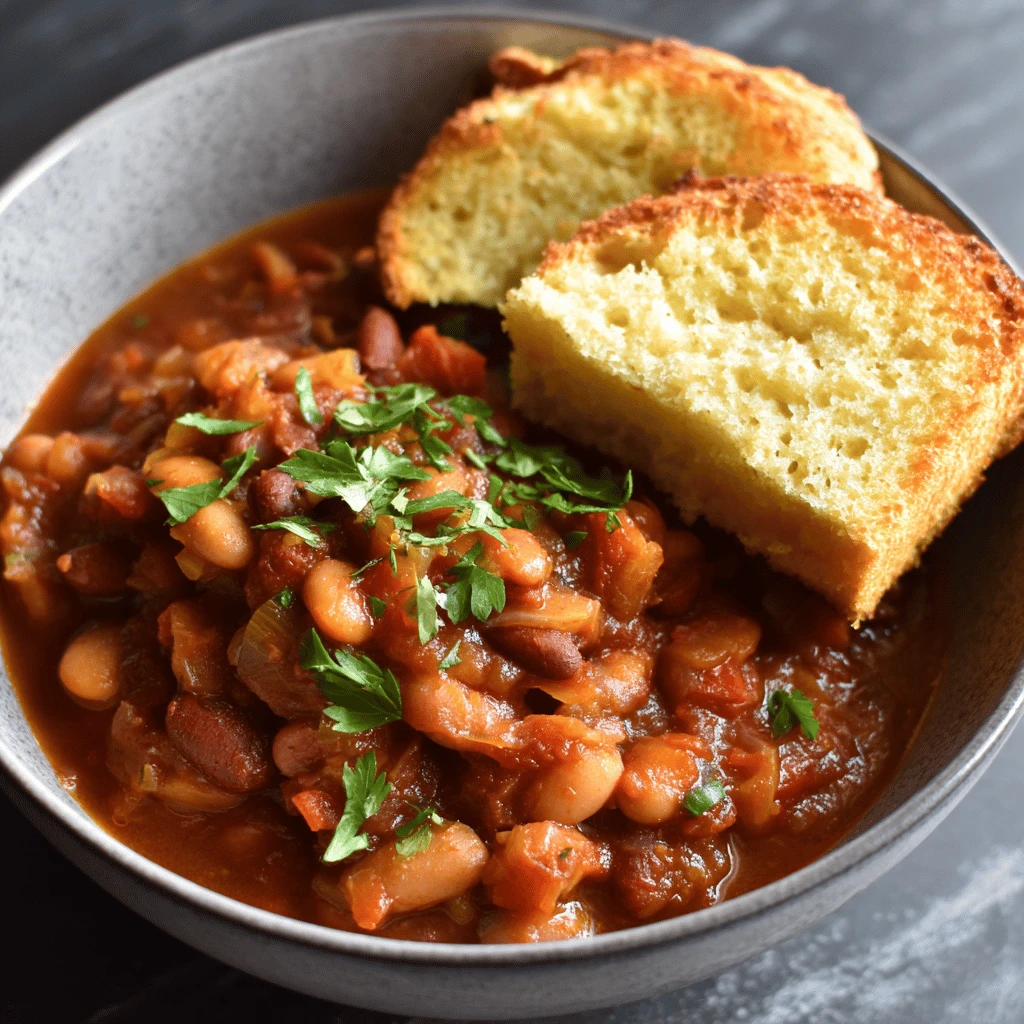
Comfort Food Crockpot Beans Stew
Beans, slow-cooked to perfection in a flavorful broth, offer a comforting and hearty meal that’s perfect for chilly days. A crockpot beans stew simplifies the cooking process, allowing you to enjoy a delicious and nutritious dish with minimal effort. This article will guide you through creating the ultimate comfort food crockpot beans stew, exploring variations, tips, and tricks to ensure a satisfying culinary experience.
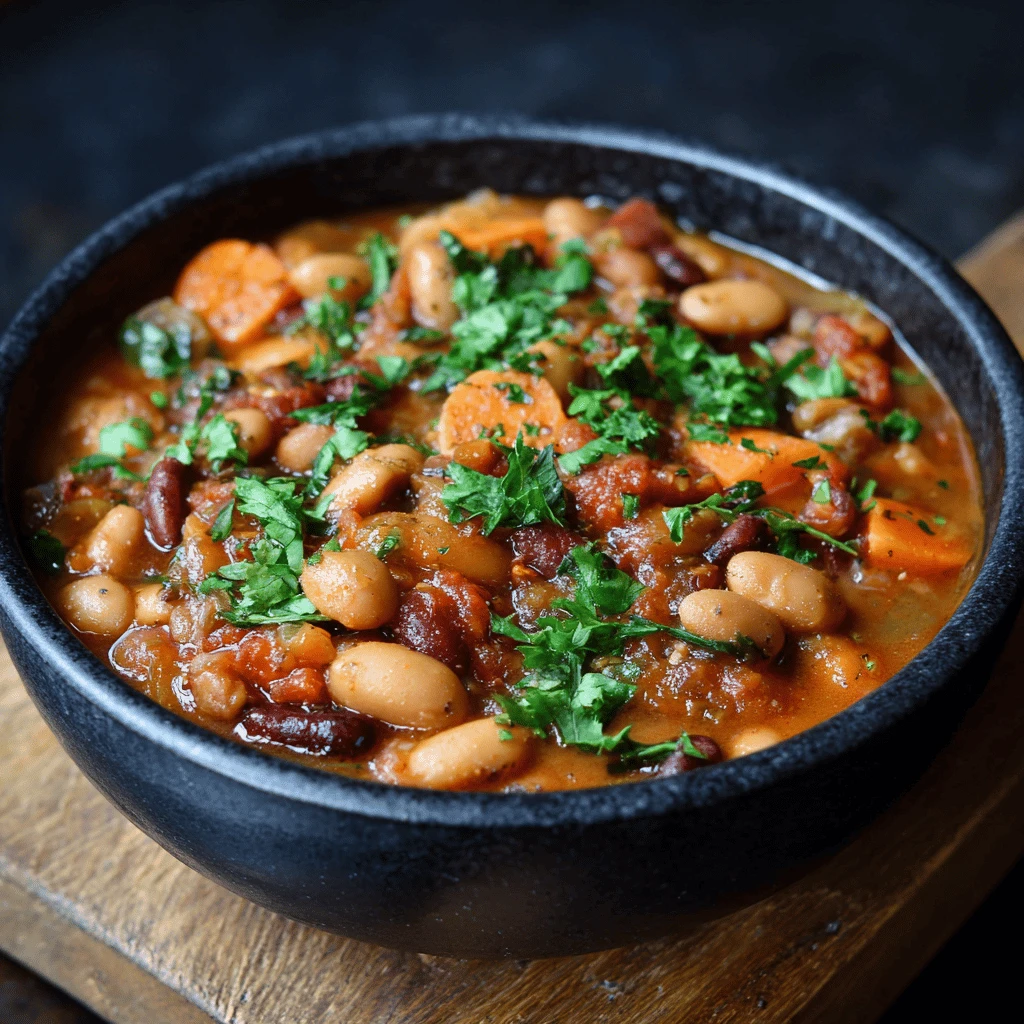
The Allure of Slow-Cooked Beans
Slow cooking beans unlocks a depth of flavor and creates a creamy, melt-in-your-mouth texture that’s hard to resist. The extended cooking time allows the beans to absorb the flavors of the broth and accompanying ingredients, resulting in a rich and complex stew. Furthermore, crockpots are incredibly convenient, enabling you to set and forget the meal while you attend to other tasks. Imagine coming home to the aroma of a perfectly cooked beans stew after a long day – a true culinary reward.
Beyond taste and convenience, beans are a nutritional powerhouse. They’re packed with protein, fiber, and essential nutrients, making them a healthy and satisfying meal option. Adding vegetables and lean protein to your beans stew further enhances its nutritional value and creates a well-balanced dish.
Crafting the Perfect Crockpot Beans Stew: A Step-by-Step Guide
Making a delicious crockpot beans stew involves a few key steps: selecting the right beans, preparing them properly, building a flavorful broth, and choosing complementary ingredients.
Choosing Your Beans
The type of beans you choose will significantly impact the final flavor and texture of your stew. Common options include:
- Kidney Beans: Known for their rich, earthy flavor and firm texture. Excellent for a hearty and robust stew.
- Great Northern Beans: Mild and creamy, these beans absorb flavors well, making them ideal for a more delicate stew.
- Navy Beans: Small and tender, navy beans create a smooth and slightly sweet stew, often used in classic baked bean recipes.
- Pinto Beans: A versatile option with a slightly nutty flavor, pinto beans are a staple in Southwestern cuisine.
- Black Beans: Earthy and slightly sweet, black beans add a beautiful color and depth of flavor to stews.
Experiment with different bean varieties to discover your personal favorite. You can even combine multiple types for a more complex flavor profile.
Preparing the Beans: Soaking vs. No-Soak
Traditionally, beans are soaked before cooking to reduce cooking time and improve digestibility. Soaking helps remove oligosaccharides, the complex sugars that can cause gas and bloating. However, modern recipes often offer a “no-soak” option for added convenience.
- Soaking Method: Rinse the beans thoroughly and place them in a large pot. Cover with plenty of cool water (at least 3 inches above the beans) and let them soak for at least 8 hours, or preferably overnight. Drain and rinse the beans before adding them to the crockpot.
- Quick Soak Method: If you’re short on time, you can use the quick soak method. Place the rinsed beans in a large pot, cover with water, and bring to a boil. Boil for 2-3 minutes, then remove from heat and let the beans soak for 1 hour. Drain and rinse before using.
- No-Soak Method: While convenient, the no-soak method requires a longer cooking time and may result in a slightly less creamy texture. Be sure to check the beans frequently and add more liquid if needed.
Building Flavor: The Broth and Aromatics
The broth is the foundation of your beans stew, so it’s essential to build a rich and flavorful base.
-
- Broth Options: Chicken broth, vegetable broth, or even water can be used as the base for your stew. Chicken broth adds richness and depth, while vegetable broth keeps the stew vegetarian. Water works well but may require additional seasoning.
- Aromatics: Onions, garlic, celery, and carrots are classic aromatics that add layers of flavor. Sautéing these vegetables before adding them to the crockpot will enhance their sweetness and aroma.
- Spices and Herbs: Experiment with different spices and herbs to create your desired flavor profile. Common additions include:
Smoked paprika: Adds a smoky depth.
Cumin: Adds a warm, earthy note.
Chili powder: Adds a touch of heat.
Oregano: Adds a savory, herbal flavor.
Bay leaf: Infuses the stew with a subtle aromatic note (remember to remove it before serving).
Thyme: Adds a delicate, earthy flavor.
- Acid: A touch of acidity, such as a squeeze of lemon juice or a splash of apple cider vinegar, can brighten the flavors and balance the richness of the stew.
- Umami: Ingredients like Worcestershire sauce, soy sauce, or tomato paste add umami, a savory depth of flavor that enhances the overall taste.
Adding Complementary Ingredients
Once you have your beans and broth base, you can add other ingredients to create a more substantial and flavorful stew.
- Vegetables: Hearty vegetables like potatoes, sweet potatoes, carrots, corn, and squash complement beans beautifully. Add them towards the end of the cooking time to prevent them from becoming mushy.
- Protein: For a heartier stew, consider adding protein such as diced ham, sausage, bacon, or shredded chicken. If using pre-cooked protein, add it during the last hour of cooking. If using uncooked protein, brown it before adding it to the crockpot.
- Greens: Leafy greens like spinach, kale, or collard greens add a boost of nutrients and a touch of bitterness that balances the richness of the stew. Add them during the last 30 minutes of cooking.
Variations and Creative Twists
The beauty of crockpot beans stew is its versatility. You can easily adapt the recipe to suit your preferences and dietary needs.
Vegetarian/Vegan Options
To make a vegetarian or vegan beans stew, simply use vegetable broth and omit any meat products. You can add more vegetables, such as mushrooms, bell peppers, and zucchini, to enhance the flavor and texture. Consider adding smoked paprika or liquid smoke to mimic the smoky flavor of bacon or ham.
Spicy Southwestern Stew
For a spicy Southwestern-inspired stew, use pinto beans or black beans and add diced tomatoes, green chilies, cumin, chili powder, and a pinch of cayenne pepper. Top with chopped cilantro, avocado, and a dollop of sour cream or Greek yogurt before serving.
White Bean and Sausage Stew
Combine Great Northern beans or navy beans with Italian sausage, kale, and diced tomatoes. Season with garlic, oregano, and a pinch of red pepper flakes for a comforting and flavorful stew.
Mediterranean Bean Stew
Use cannellini beans and add diced tomatoes, Kalamata olives, capers, and artichoke hearts. Season with garlic, oregano, and a squeeze of lemon juice for a vibrant and flavorful Mediterranean-inspired stew.
Adding a Smoky Flavor
To add a smoky flavor to your beans stew without using meat, consider adding a smoked ham hock, which can be removed before serving. Alternatively, you can use smoked paprika, liquid smoke, or smoked salt to achieve a similar effect. You can also cook a bit of bacon and reserve the rendered fat to start cooking your onions. Discard the bacon bits or chop them up to add later.
Serving and Storing Your Crockpot Beans Stew
Crockpot beans stew is delicious served on its own or with a variety of accompaniments.
Serving Suggestions
- Bread: Crusty bread, cornbread, or biscuits are perfect for soaking up the flavorful broth.
- Toppings: Fresh herbs, such as parsley, cilantro, or chives, add a burst of freshness. A dollop of sour cream or Greek yogurt adds creaminess and tang. Grated cheese adds richness and flavor. Sliced avocado adds healthy fats and a creamy texture.
- Sides: A simple salad or steamed vegetables complement the hearty stew.
Storage and Reheating
Crockpot beans stew can be stored in an airtight container in the refrigerator for up to 3-4 days. It can also be frozen for up to 2-3 months. To reheat, simply warm the stew in a saucepan over medium heat, or in the microwave. If frozen, thaw the stew overnight in the refrigerator before reheating.
Frequently Asked Questions (FAQ)
- Do I have to soak the beans?
While soaking is recommended for improved digestibility and faster cooking, you can cook beans without soaking. However, the cooking time will be longer, and the texture might be slightly less creamy.
- How long does it take to cook beans in a crockpot?
Cooking time depends on whether the beans are soaked or not. Soaked beans typically take 4-6 hours on low or 2-3 hours on high. Unsoaked beans can take 6-8 hours on low or 3-4 hours on high.
- Can I overcook beans in a crockpot?
Yes, beans can be overcooked in a crockpot, resulting in a mushy texture. Check the beans periodically and reduce the cooking time if needed.
- Why are my beans still hard after cooking for a long time?
Hard water or acidic ingredients like tomatoes or vinegar can prevent beans from softening. Add these ingredients towards the end of the cooking time.
- How do I thicken beans stew if it is too watery?
To thicken beans stew, you can remove about a cup of the stew and blend it until smooth. Return the blended mixture to the crockpot and stir well. Alternatively, you can mash some of the beans with a fork or potato masher to thicken the stew.