
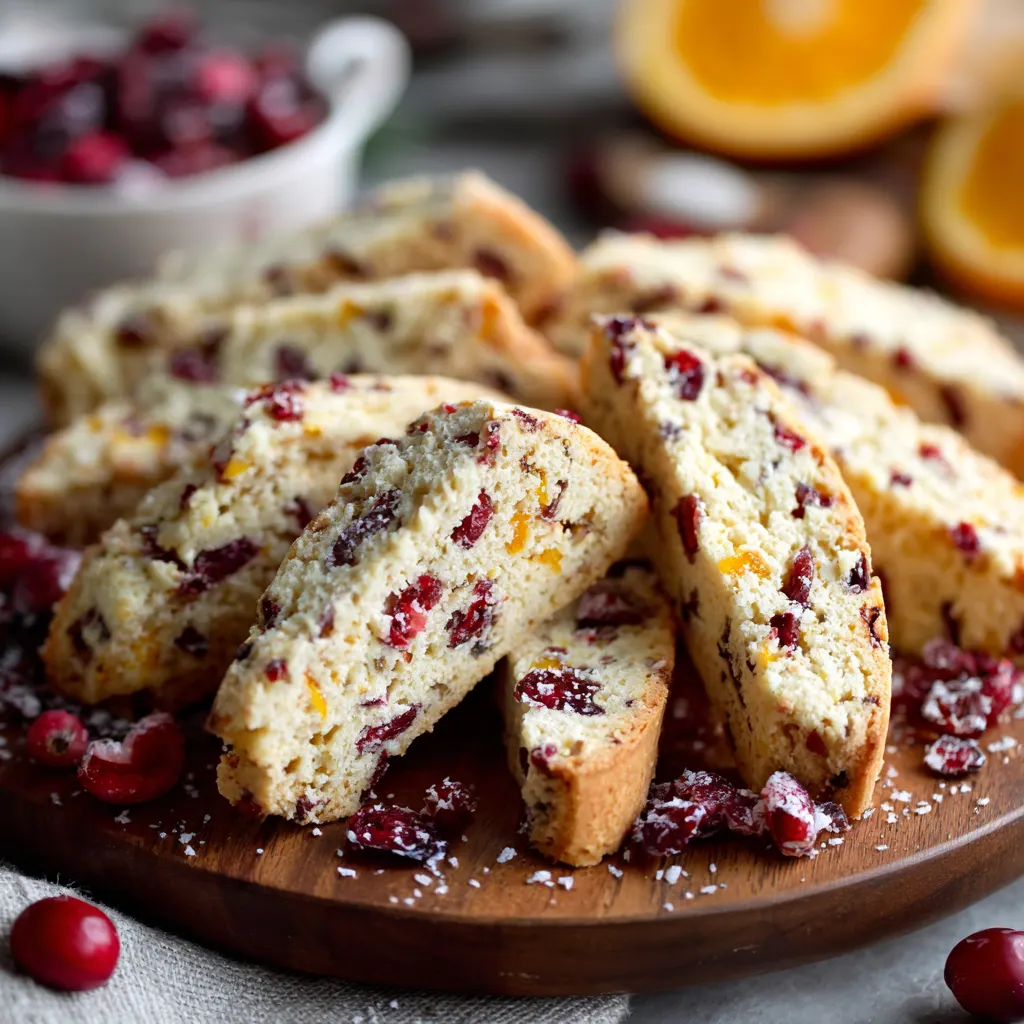
The Cranberry Orange Biscotti stands as the quintessential holiday baking achievement, effortlessly blending the festive tartness of cranberries with the bright, warming fragrance of fresh orange. Its characteristic twice-baked crunch makes it the perfect accompaniment to a cozy cup of coffee, a rich espresso, or even a glass of vin santo, embodying the simple, elegant joy of the season. More than just a cookie, this Italian classic (cantucci) is a non-perishable gift, an ideal make-ahead component for any festive gathering, and a beloved tradition for home bakers worldwide. The following master recipe, optimized for a rich flavor and the ultimate crisp texture, incorporates toasted almonds and a decadent white chocolate finish to elevate this treat to its full Christmas potential.
Ingredients
For the Biscotti
-
2 ½ cups (300g) all-purpose flour
-
1 cup (200g) granulated sugar
-
1 tablespoon fresh orange zest (from 1–2 large oranges)
-
1 teaspoon baking powder
-
½ teaspoon salt
-
4 tablespoons (56g) unsalted butter, softened to room temperature
-
2 large eggs, room temperature
-
1 teaspoon vanilla extract
-
½ teaspoon almond extract (optional, for deeper flavor)
-
¾ cup sweetened dried cranberries, coarsely chopped
-
½ cup whole or slivered almonds, toasted and coarsely chopped
For the Optional Glaze/Dip
-
6 oz high-quality white chocolate (wafers or bar), chopped
-
1 teaspoon neutral oil or coconut oil (optional, for melting consistency)
-
Extra orange zest or finely chopped cranberries for garnish
Step-by-Step Instructions
-
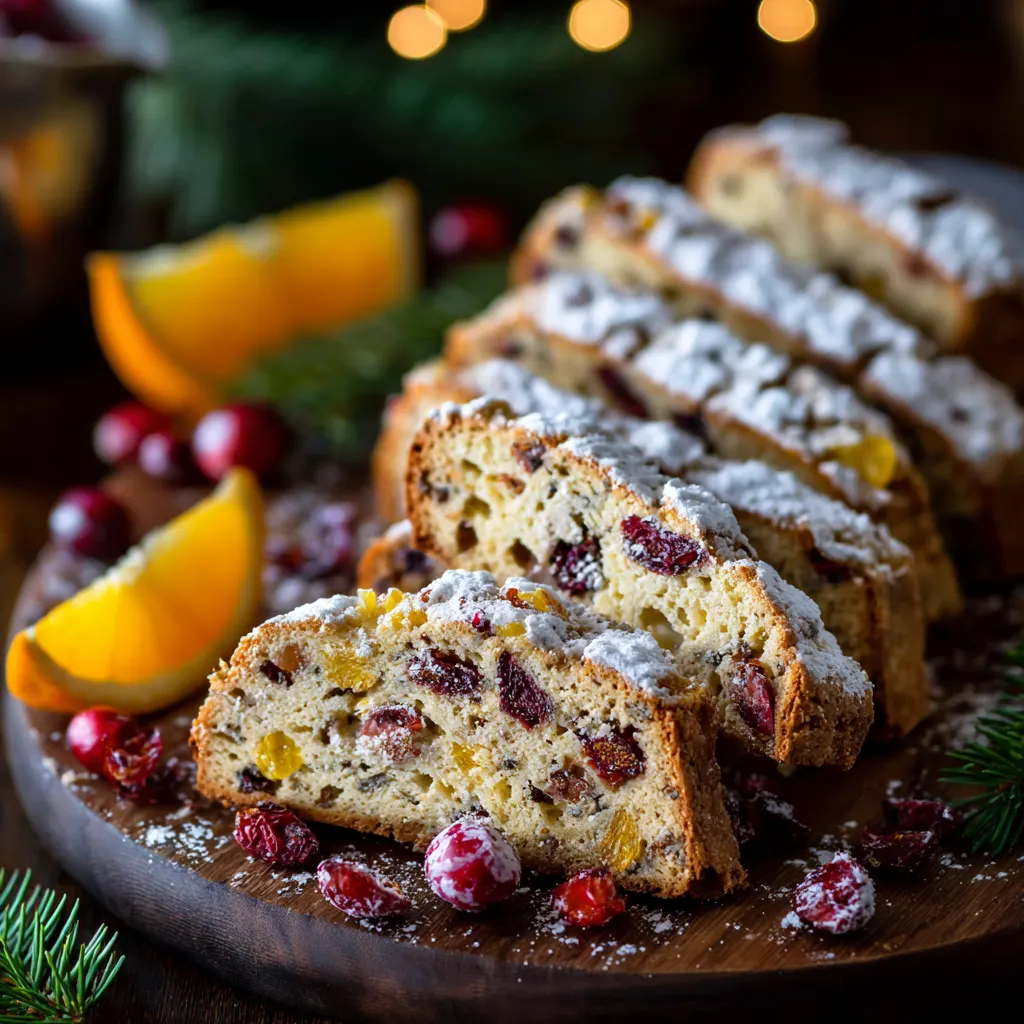
Prep the Oven and Ingredients: Preheat your oven to 350°F (175°C). Line a large baking sheet with parchment paper. Toast the almonds in a dry pan or on a separate baking sheet for 5-7 minutes until fragrant; set aside to cool.
-
Prepare Dry Ingredients: In a medium bowl, whisk together the flour, baking powder, and salt. Set aside.
-
Infuse the Sugar: Place the granulated sugar and orange zest in a large mixing bowl. Using your fingertips or the back of a spoon, rub the zest into the sugar for about a minute. This process, known as infusing, releases the oil from the zest, ensuring a vibrant orange flavor throughout the dough.
-
Mix Wet Ingredients: Add the softened butter to the zested sugar and cream together until light and fluffy. Beat in the eggs one at a time, followed by the vanilla and almond extracts, mixing until just combined.
-
Combine and Fold: Gradually add the flour mixture to the wet ingredients, mixing on low speed or by hand until a thick, sticky dough forms. Do not overmix. Gently fold in the chopped dried cranberries and the cooled, chopped almonds until they are evenly distributed.
-
Form the Logs (First Bake): Divide the sticky dough in half. Lightly dust your hands with flour and shape each half into a log, approximately 12 inches long by 2 to 3 inches wide. Place both logs on the prepared baking sheet, ensuring there is a few inches of space between them.
-
Bake the Logs: Bake for 25 to 30 minutes, or until the logs are firm to the touch and just beginning to turn a pale golden-brown color.
-
Cool and Slice: Remove the baking sheet and transfer the logs to a wire rack. Reduce the oven temperature to 300°F (150°C). Allow the logs to cool for at least 10–15 minutes. Using a sharp, serrated knife, slice the logs diagonally into ¾-inch thick cookies. A serrated edge prevents crushing.
-
Second Bake (The Crunch): Lay the slices cut-side down on the baking sheet. Bake for another 10 minutes. Flip the slices and bake for an additional 8–10 minutes, or until they are dry, crisp, and lightly golden brown.
-
Finish and Decorate: Transfer the biscotti to a wire rack to cool completely. If using, melt the white chocolate in a double boiler or microwave. Dip the ends of the cooled biscotti into the melted chocolate and sprinkle with extra zest or chopped cranberries immediately before the chocolate sets. Allow the chocolate to fully harden before serving or storing.
Mastering the Twice-Baked Technique: Tips for the Perfect Crunch
The defining characteristic of biscotti—its satisfying, jaw-friendly crunch—is achieved through its unique preparation method: the due volte cottura, or “twice-cooked” process. Mastering this technique is the key to transitioning from a simple fruit-and-nut loaf into an authentic, dunkable Italian cookie.
The first bake is primarily concerned with cooking the dough and activating the leavening, transforming the raw loaf into a stable, golden block. Crucially, the internal structure remains moist at this stage, which is necessary for clean slicing. Allowing the baked log to cool for 10 to 15 minutes before cutting is a critical step often overlooked. Attempting to slice too soon will result in crumbling, while waiting too long can make the log too brittle. The ideal moment is when the outside is firm, but the interior still holds a residual warmth, allowing the serrated knife to saw through the dense dough cleanly.
The second bake, often performed at a lower temperature (typically 275°F to 300°F), is pure dehydration. This process removes the remaining moisture from the cookie slices, which is what gives biscotti its legendary long shelf life and signature crispness. For optimal results, ensure the slices are laid cut-side down and baked evenly on both sides. If you prefer a lighter, slightly less hard texture, simply shorten the second bake. Conversely, for a deeper, more traditional rock-hard consistency—perfect for submersion in a hot drink—extend the baking time by 5 to 10 minutes. For even crisping, some bakers recommend standing the slices upright on the baking sheet to allow heat to circulate fully around the cut edges.
Flavor Harmony: Why Cranberry, Orange, and Almond Work for Christmas
The Cranberry Orange Biscotti is a study in classic flavor pairing, with each component playing a vital role in creating a balanced holiday profile.
The Citrus Brightness: Orange is the indispensable backbone of this recipe, providing a vital lift against the richness of the dough and the tartness of the fruit. This citrus element should be introduced primarily through zest. Orange zest contains concentrated essential oils that hold significantly more flavor than juice, and incorporating it directly into the sugar (the infusion technique described in the recipe) is the most effective way to distribute this fragrance. While a touch of orange juice can be used for moisture, relying on zest ensures the flavor is vibrant, clean, and not watered down.
The Tart Counterpoint: Cranberries introduce a necessary tartness that cuts through the sweetness of the sugar and any chocolate glaze. While dried cranberries offer reliable texture and convenience, some recipes advocate for using fresh, chopped cranberries. Fresh cranberries introduce more moisture, which makes the dough stickier, but they deliver a sharper, more intense burst of flavor after baking. For the holiday theme, either choice works, but dried cranberries are often favored for their consistent texture and minimal impact on the biscotti’s dryness.
The Earthy Nut: Almonds are a traditional inclusion in authentic Italian biscotti, providing a complementary warmth and a subtle, satisfying textural counterpoint. The key to maximizing their contribution is toasting them before they are incorporated into the dough. Toasting activates the nut’s natural oils, deepening its flavor from a raw taste to a rich, earthy profile that perfectly grounds the bright citrus and sharp fruit notes. Variations can include using slivered almonds for visual appeal, or substituting them with pistachios for a striking green-and-red holiday aesthetic, though almond remains the classic choice.
Elevating Your Biscotti: Glazing, Dipping, and Festive Variations
While the basic Cranberry Orange Biscotti is delicious on its own, the holiday season encourages a little extra flair. Dipping or drizzling the cookies adds richness, visual appeal, and another layer of flavor complexity.
The White Chocolate Finish: The most popular and festive enhancement is a coating of white chocolate. The creamy sweetness of white chocolate is an exquisite complement to the tart cranberries and bold orange flavor. When melting the chocolate, use high-quality baking chocolate or wafers rather than chips, as they melt more smoothly. A touch of neutral oil can also be added to ensure a glossy, thin consistency that doesn’t overwhelm the delicate cookie. After dipping one end of the cooled biscotti, immediately sprinkle it with finely grated orange zest or a few extra chopped cranberries before the chocolate sets for a stunning, professional look.
Beyond the Dip: For a simpler finish, a citrus glaze can be used: a thick mixture of powdered sugar and fresh orange juice. This provides an additional layer of sweetness and orange flavor without the richness of chocolate.
Internal Spice and Nut Variations:
-
Warming Spices: Infuse the dough with holiday warmth by adding ½ teaspoon of ground cinnamon or a pinch of ground ginger or cardamom to the dry ingredients. These spices enhance the orange and pair beautifully with the almonds.
-
Nut Alternatives: Substitute the almonds with walnuts, pecans, or the aforementioned pistachios for a change in texture and color.
-
Extract Boosters: To intensify the flavor, add a small amount of orange extract alongside the zest, or double the almond extract for a marzipan-like nuance.
These simple adjustments allow the baker to customize the biscotti, ensuring they perfectly match the rest of their holiday cookie assortment.
Storage, Gifting, and Serving: Maximizing Your Holiday Baking Effort
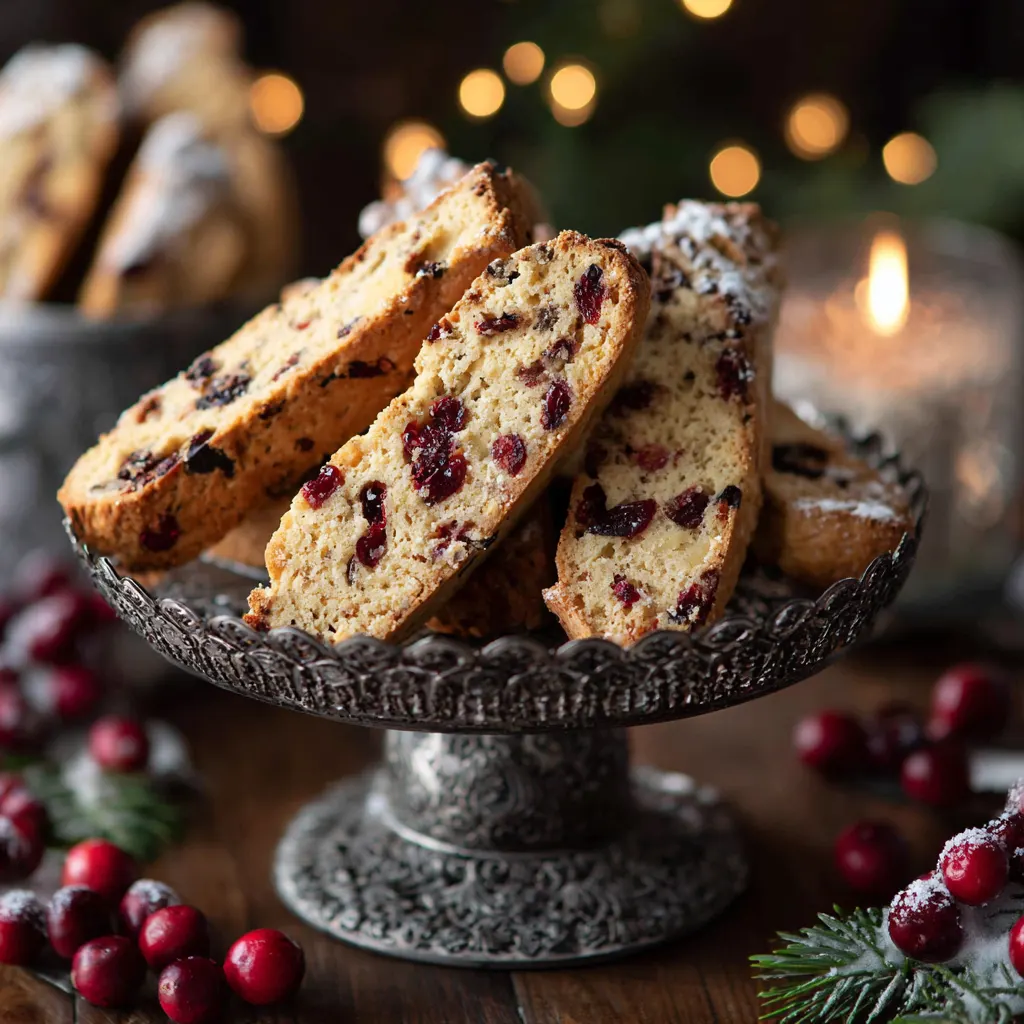
One of the great advantages of baking biscotti for the holidays is its exceptional shelf stability, a direct result of the low moisture content achieved during the second bake. This durability makes it the ideal make-ahead treat, relieving pressure on the busy baker.
Optimal Storage: Once completely cooled (this is essential to prevent condensation and moisture loss), cranberry orange biscotti can be stored in an airtight container at room temperature for up to three to four weeks. Stacking should be done carefully to prevent chipping, especially if they have been dipped in chocolate. Do not refrigerate biscotti, as the cold environment can introduce moisture and cause them to soften. If they happen to lose their crunch over time, simply pop them back into a 350°F oven for five minutes to re-crisp them.
Freezing for Later: Biscotti freezes exceptionally well, extending its life to nearly three months. They can be frozen in two ways:
-
Frozen Dough Logs: Wrap the uncooked logs tightly in plastic wrap and foil. Thaw them overnight in the refrigerator before proceeding with the first and second bakes.
-
Frozen Baked Biscotti: After the final cooling stage, place the individual biscotti pieces on a baking sheet to flash freeze for 30 minutes. Once solid, transfer them to a freezer-safe zip-top bag or container. This prevents them from sticking together. Thaw them at room temperature when ready to serve.
The Perfect Serving: Biscotti are traditionally designed for dunking, allowing the hard cookie to soften slightly and absorb the flavor of the accompanying beverage. Serve Cranberry Orange Biscotti alongside classic Italian espresso, a rich latte, or a dark, robust tea. The bright, tangy flavors are also surprisingly well-suited to being paired with a dessert wine, such as Vin Santo, or even a glass of iced milk. Packaged elegantly in cellophane bags or small decorative tins, these robust, flavorful cookies make a thoughtful, homemade contribution to any holiday cookie exchange or gift basket.