
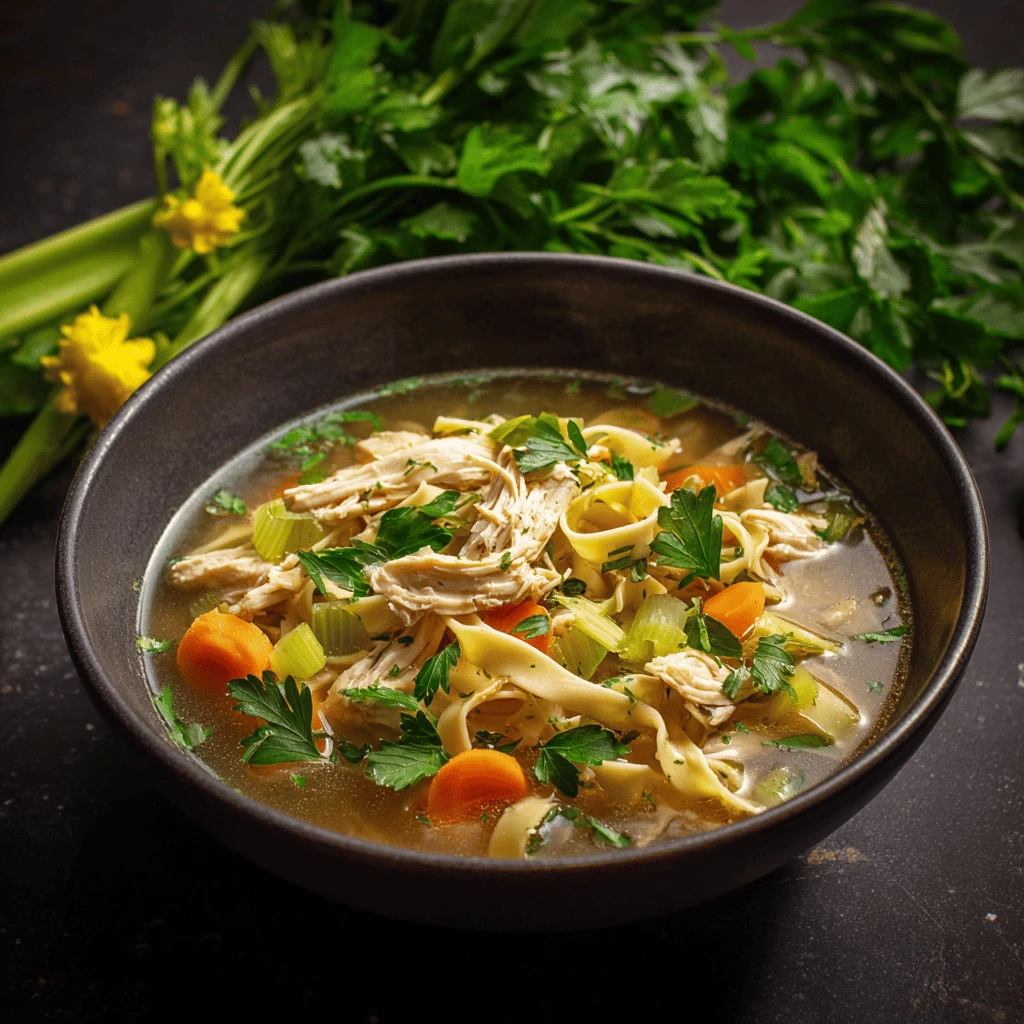
Chicken Noodle Soup with Celery and Fresh Parsley
Chicken noodle soup is a comforting classic, perfect for a chilly day or when you’re feeling under the weather. This version elevates the traditional recipe with the bright, fresh flavors of celery and parsley, creating a truly satisfying and wholesome dish. Let’s explore how to make this delicious soup from scratch, covering everything from selecting the best ingredients to serving suggestions.
The Foundation: Building Flavor from Scratch
The best chicken noodle soup starts with a flavorful base. While you can use store-bought broth, making your own elevates the soup to another level.
Crafting the Perfect Chicken Broth
Making your own chicken broth might seem daunting, but it’s actually quite simple and yields incredibly flavorful results. Start with a whole chicken or chicken pieces like backs, necks, and wings. Place the chicken in a large stockpot and cover with cold water. Add aromatics like roughly chopped onion, carrots, and, of course, celery. A few cloves of garlic, some peppercorns, and a bay leaf will also enhance the broth.
Bring the mixture to a boil, then reduce the heat and simmer gently for at least 2 hours, or even longer for a richer flavor. Skim off any foam that rises to the surface during the simmering process. Once the broth is done, remove the chicken and strain the broth through a fine-mesh sieve. Let the chicken cool slightly before shredding the meat and setting it aside for later.
Homemade broth allows you to control the sodium content and avoid any unwanted additives. It’s also an excellent way to use leftover chicken carcasses, minimizing food waste.
Selecting Store-Bought Broth
If you’re short on time, store-bought broth is a perfectly acceptable alternative. Opt for low-sodium varieties to control the saltiness of your final soup. Look for broth made with natural ingredients and avoid those with artificial flavors or preservatives.
Consider different types of chicken broth, such as organic or bone broth, to see which flavor profile you prefer. Taste the broth before adding it to the soup and adjust the seasoning accordingly.
The Heart of the Soup: Ingredients and Preparation
With a flavorful broth as your foundation, the next step is to gather the remaining ingredients and prepare them properly.
Choosing the Right Chicken
Whether you use the chicken from your homemade broth or cook fresh chicken specifically for the soup, the quality of the chicken matters. Boneless, skinless chicken breasts or thighs are convenient options. If using bone-in, skin-on chicken, remove the skin after cooking to reduce the fat content of the soup.
Poaching the chicken in the broth ensures it stays moist and tender. Avoid overcooking it, as this can make it dry and stringy. Shred the chicken into bite-sized pieces before adding it back to the soup.
The Celery and Parsley Powerhouse
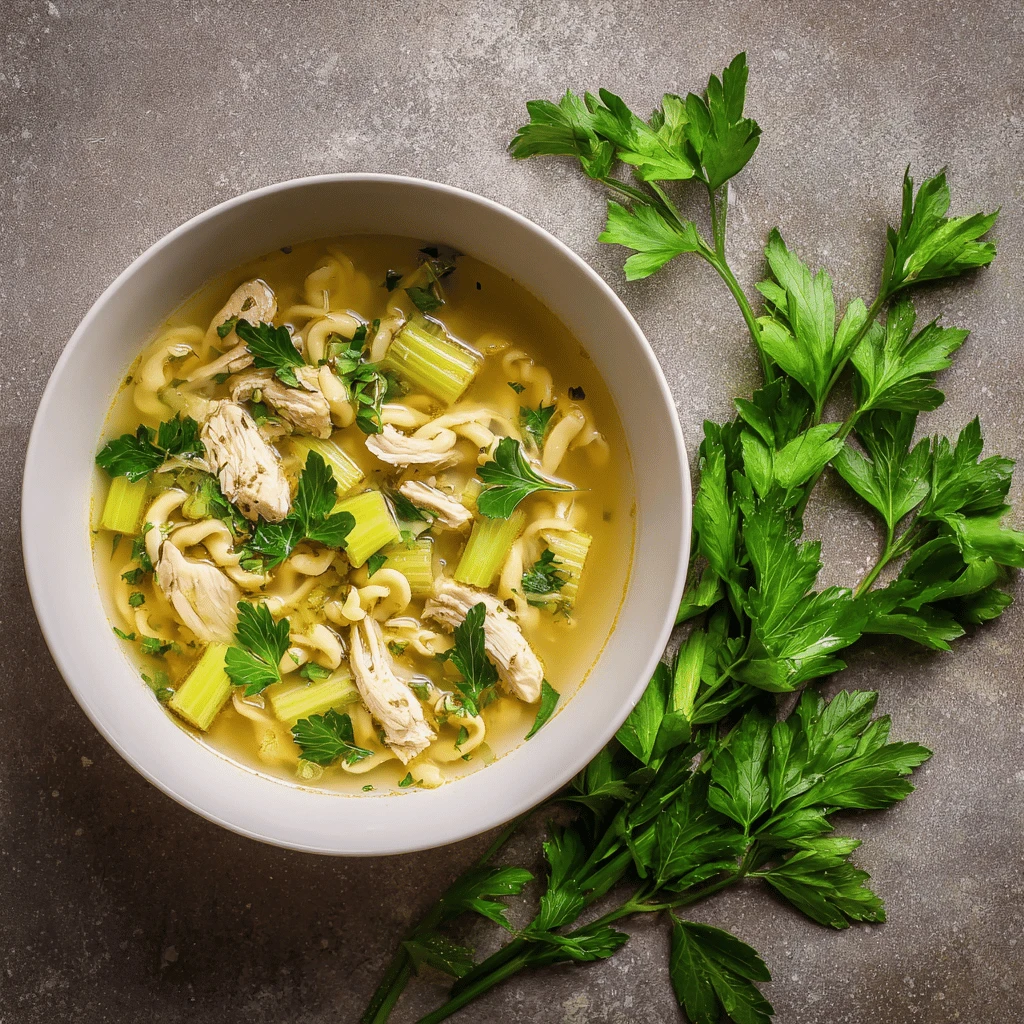
Celery and fresh parsley are key components of this enhanced chicken noodle soup. Celery provides a subtle, savory depth of flavor, while fresh parsley adds a bright, herbaceous note.
Dice the celery into small, even pieces to ensure it cooks evenly. Chop the fresh parsley just before adding it to the soup to preserve its flavor and color. Don’t be shy with the parsley; a generous handful will make a noticeable difference.
Consider adding other vegetables to your soup, such as carrots, onions, and leeks, for added flavor and nutrition. These vegetables complement the celery and parsley beautifully.
Noodles: The Comfort Factor
The type of noodle you choose can significantly impact the texture and overall feel of the soup. Egg noodles are a classic choice, offering a tender and slightly chewy texture. Other options include wide noodles, rotini, or even gluten-free noodles for those with dietary restrictions.
Add the noodles to the soup towards the end of the cooking process, as they can quickly become overcooked and mushy. Cook them until they are just tender, or al dente, to maintain their texture.
The Cooking Process: Layering Flavors
Now it’s time to bring all the ingredients together and cook the soup to perfection.
Sautéing the Aromatics
Start by sautéing the onion and celery in a little olive oil or butter until they are softened and fragrant. This step helps to release their flavors and create a deeper, more complex base for the soup.
Add minced garlic to the pot during the last minute of sautéing, being careful not to burn it. The garlic will infuse the oil with its pungent aroma, adding another layer of flavor to the soup.
Simmering and Seasoning
Pour the chicken broth into the pot and bring it to a simmer. Add the cooked chicken, carrots (if using), and any other vegetables you’ve chosen to include.
Season the soup with salt, pepper, and any other herbs or spices you enjoy. A pinch of thyme, rosemary, or bay leaf can add depth and complexity to the flavor. Taste the soup and adjust the seasoning as needed.
Simmer the soup for at least 15-20 minutes to allow the flavors to meld together. Add the noodles during the last 10 minutes of cooking, ensuring they are cooked to your desired tenderness.
Stir in the fresh parsley just before serving to preserve its vibrant color and flavor.
Serving and Garnishing: The Final Touches
Presentation is key when serving chicken noodle soup. A few simple garnishes can elevate the dish and make it even more appealing.
Ladling and Presentation
Ladle the soup into bowls, ensuring each serving contains a generous portion of chicken, noodles, and vegetables.
Garnish with a sprig of fresh parsley, a sprinkle of black pepper, or a swirl of cream. A squeeze of lemon juice can also brighten the flavor of the soup.
Serve with crusty bread or crackers for dipping.
Pairing Suggestions
Chicken noodle soup pairs well with a variety of side dishes. A simple green salad, a grilled cheese sandwich, or a slice of cornbread are all excellent choices.
Consider serving the soup as part of a larger meal, such as a potluck or family gathering. It’s a crowd-pleasing dish that everyone will enjoy.
Variations and Adaptations: Making It Your Own
One of the best things about chicken noodle soup is its versatility. Feel free to experiment with different ingredients and techniques to create your own signature version.
Vegetarian or Vegan Options
To make a vegetarian or vegan version of chicken noodle soup, simply omit the chicken and use vegetable broth instead. Add extra vegetables, such as mushrooms, zucchini, or spinach, to compensate for the lack of meat.
Consider adding plant-based protein sources, such as tofu or tempeh, for added substance. Nutritional yeast can also be used to add a savory, cheesy flavor to the soup.
Spice It Up
If you like a little heat, add a pinch of red pepper flakes or a dash of hot sauce to your chicken noodle soup. You can also use a spicy broth, such as Thai curry broth, for a more exotic flavor.
Add Different Herbs and Spices
Experiment with different herbs and spices to create unique flavor combinations. Try adding dill, oregano, or marjoram to your soup. A pinch of turmeric can add a warm, earthy note and a vibrant yellow color.
Frequently Asked Questions (FAQ)
-
- How do I prevent my noodles from getting mushy?
Add the noodles towards the very end of the cooking process, cooking them until just al dente. Overcooking is the main culprit for mushy noodles.
-
- Can I freeze chicken noodle soup?
Yes, but the noodles can become soft upon thawing. Consider cooking the noodles separately and adding them when reheating the soup.
-
- How long does chicken noodle soup last in the refrigerator?
Properly stored, chicken noodle soup will last for 3-4 days in the refrigerator.
-
- Can I use rotisserie chicken in this recipe?
Absolutely! Rotisserie chicken is a great shortcut. Simply shred the chicken and add it to the soup.
-
- What other vegetables can I add to chicken noodle soup?
Carrots, parsnips, peas, green beans, potatoes, zucchini, and spinach all work well in chicken noodle soup.
-
- What is the best way to reheat chicken noodle soup?
Reheat the soup gently on the stovetop over medium heat, stirring occasionally. You can also microwave it in a microwave-safe bowl.