
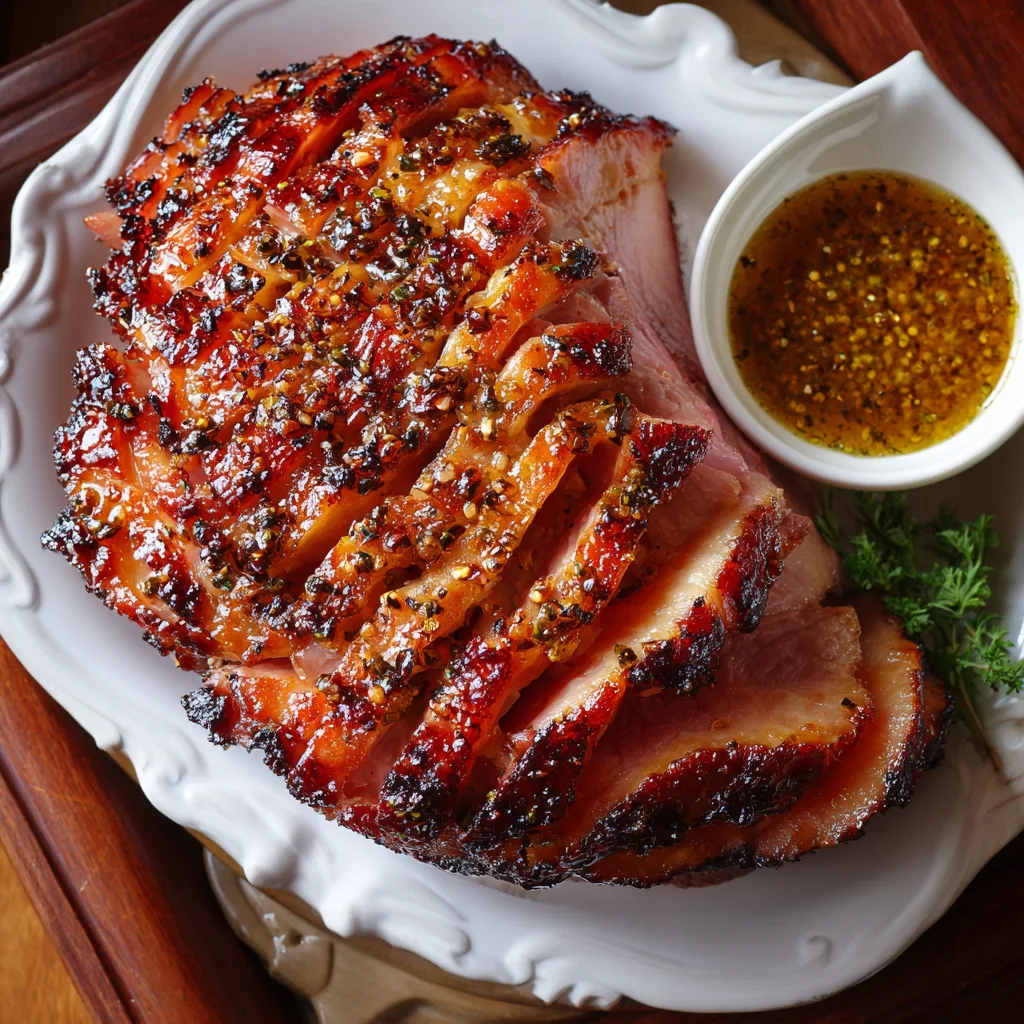
The Ultimate Brown Sugar Ham Glaze
A perfectly glazed ham is the crowning jewel of any holiday table, striking a sublime balance between salty, savory, and sweet. While the ham itself provides the hearty foundation, the glaze is where the magic happens—transforming a standard cut of meat into a masterpiece with a crackling, caramelized crust. This guide explores the secrets to the ultimate brown sugar ham glaze, from the essential ingredients to the professional techniques that ensure a flawless finish every time.
The Essential Brown Sugar Glaze Ingredients
To create a glaze that is thick enough to cling to the ham but balanced enough to enhance the natural flavors of the pork, you need a combination of sweetness, acidity, and warmth.
Ingredients List:
-
1 cup Brown Sugar: Packed. Dark brown sugar is preferred for its deep molasses notes, though light brown works for a milder sweetness.
-
1/2 cup Honey or Maple Syrup: This provides a glossy sheen and acts as a binder to help the glaze stick.
-
1/4 cup Dijon Mustard: The acidity and tanginess of the mustard cut through the richness of the fat and the intensity of the sugar.
-
1/4 cup Orange Juice or Pineapple Juice: The citrus enzymes help tenderize the surface while adding a bright, fruity undertone.
-
1/2 teaspoon Ground Cinnamon: Adds a signature warmth.
-
1/4 teaspoon Ground Cloves: A classic holiday spice that complements the smoky profile of the ham.
-
1/4 teaspoon Ground Ginger: Provides a subtle, spicy kick.
-
Optional: A splash of Bourbon or Apple Cider Vinegar for added complexity.
Step-by-Step Instructions for the Perfect Glaze
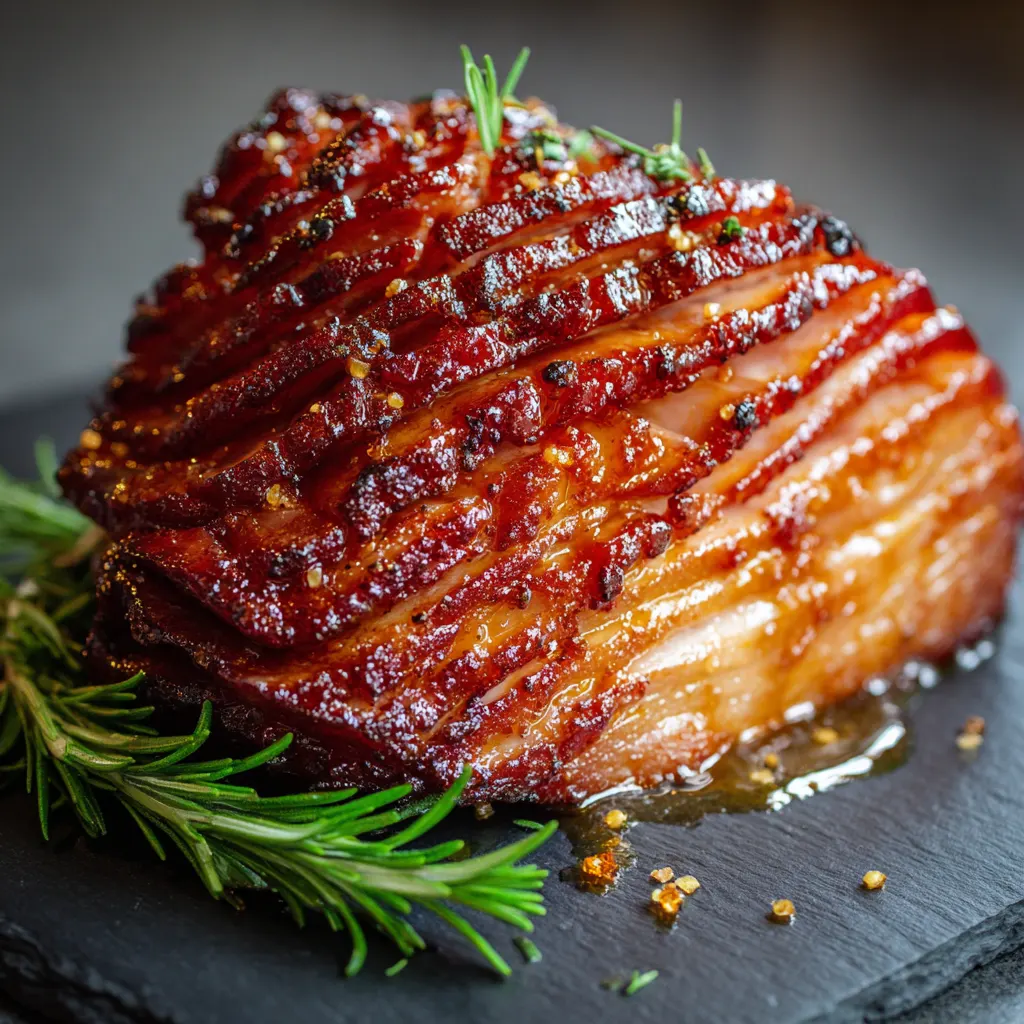
Achieving that signature “diamond” look and a sticky, lacquered crust requires a specific process of preparation and layering.
-
Prepare the Glaze: In a small saucepan over medium heat, whisk together the brown sugar, honey (or maple syrup), mustard, juice, and spices. Bring the mixture to a gentle simmer for 3–5 minutes until the sugar has completely dissolved and the liquid has thickened into a syrupy consistency. Set it aside to cool slightly; it will continue to thicken as it reaches room temperature.
-
Score the Ham: Once your ham has reached an internal temperature of about 130°F (usually after baking covered with foil for 12–15 minutes per pound at 325°F), remove it from the oven. Use a sharp knife to score the fat in a 1-inch diamond pattern, cutting about 1/4-inch deep. Avoid cutting into the meat itself.
-
The First Application: Increase the oven temperature to 400°F. Brush about one-third of the glaze generously over the ham, ensuring it seeps into the scored lines.
-
The Caramelization Phase: Return the ham to the oven uncovered. Bake for 10–15 minutes.
-
Layer and Finish: Remove the ham again, apply another third of the glaze, and baste with any pan juices. Return to the oven for a final 10 minutes or until the glaze is bubbling and dark golden brown. If the crust isn’t quite dark enough, you can broil it for 2–3 minutes, watching closely to prevent burning.
-
Resting: Let the ham rest for at least 20 minutes before carving. This allows the juices to redistribute and the glaze to set into a firm, tacky crust.
Pro Secrets for a Superior Crust
The difference between a good ham and a legendary one often lies in the timing. Professional chefs agree that the most common mistake is applying the glaze too early. Because the glaze is high in sugar, it will burn if exposed to heat for the entire cooking duration. By waiting until the last 30 minutes of cooking and increasing the heat, you trigger the Maillard reaction—creating that deeply flavorful, crisp exterior without the bitterness of scorched sugar.
Another key secret is the “moisture barrier.” Always add a small amount of water, apple cider, or ginger ale to the bottom of your roasting pan. This creates a steamy environment that prevents the ham from drying out while the exterior undergoes its high-heat transformation.
Variations and Flavor Profiles
While the classic brown sugar and mustard combination is a crowd-pleaser, you can easily customize your glaze to suit your palate. For a tropical twist, use pineapple juice and garnish the ham with pineapple rings and maraschino cherries held in place by whole cloves. If you prefer a more sophisticated, “adult” flavor, a Spicy Bourbon Glaze can be achieved by adding two tablespoons of bourbon and a pinch of cayenne pepper to the base recipe.
For those who enjoy a more aromatic profile, fresh herbs like rosemary or thyme can be simmered in the glaze and then removed before brushing. This adds a savory, earthy dimension that balances the heavy sweetness of the brown sugar.
The Importance of the Rest
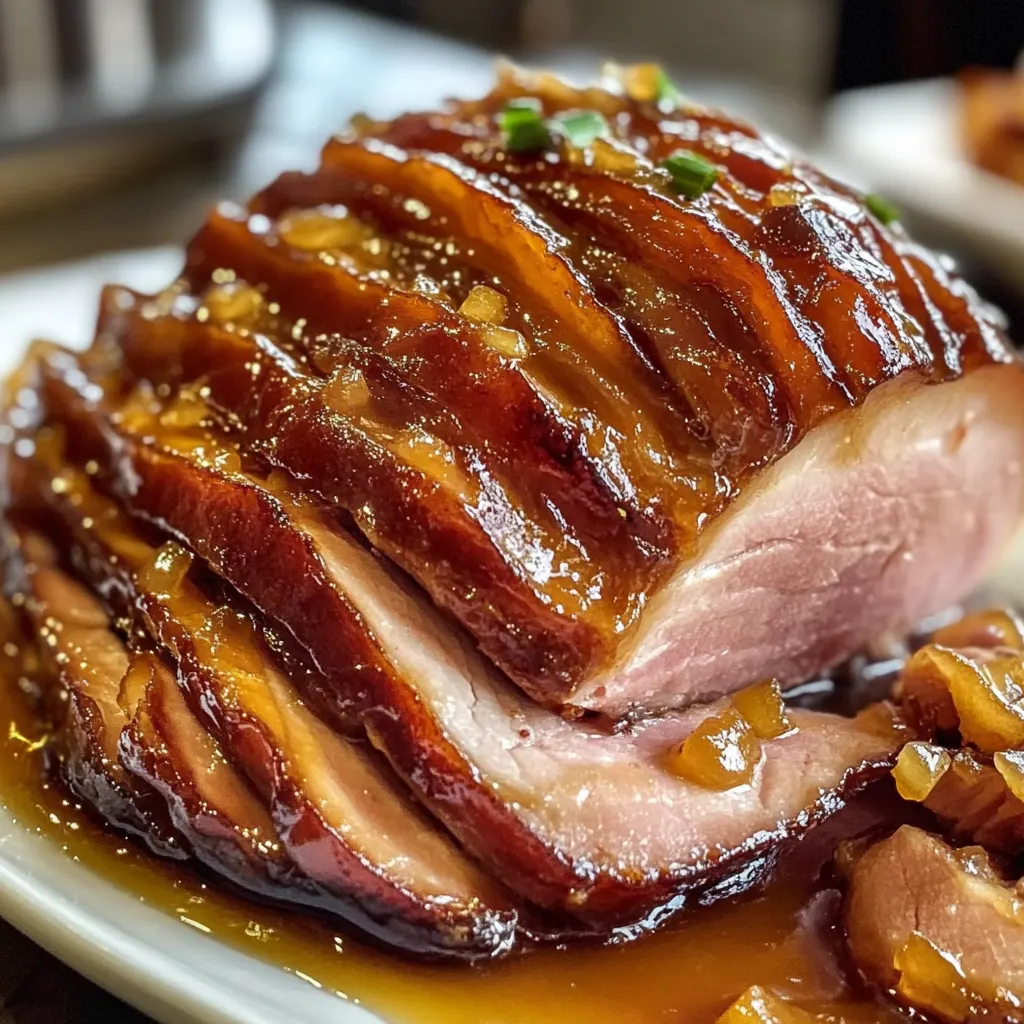
Never underestimate the power of the rest. Carving a ham the moment it leaves the oven will result in the glaze sliding right off the meat and the internal juices flooding the cutting board. During the 20-minute resting period, the glaze undergoes a final cooling phase where it “sets,” much like a syrup or caramel. This ensures that every slice you serve is perfectly coated in a beautiful, shimmering layer of flavor.
By following these steps and focusing on high-quality ingredients, you can master the art of the brown sugar ham glaze, ensuring a centerpiece that is as visually stunning as it is delicious