
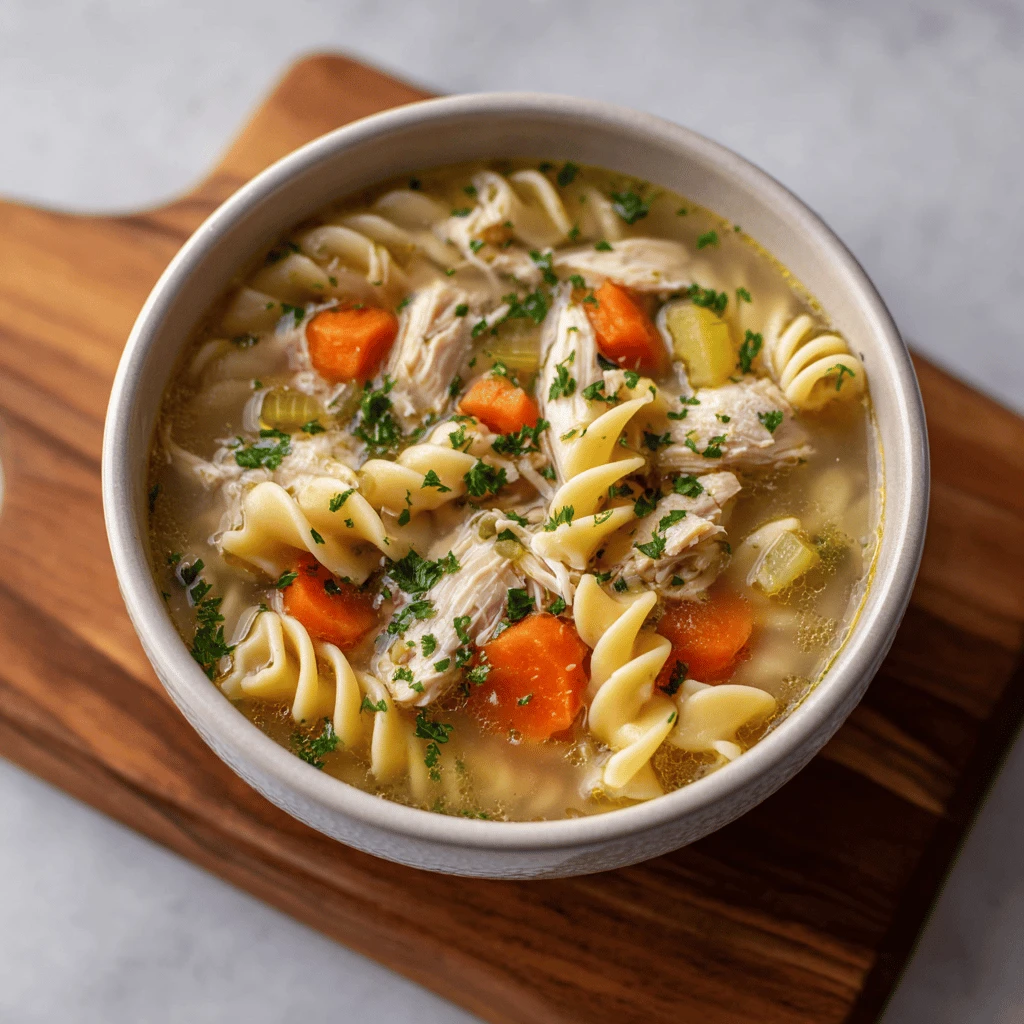
Classic Homestyle Chicken Noodle Soup
Nothing warms the soul quite like a bowl of classic homestyle chicken noodle soup. This comforting dish, a staple in many households, is more than just a meal; it’s a memory, a remedy, and a hug in a bowl. From its simple ingredients to its profound flavors, chicken noodle soup embodies the essence of home cooking. This article will guide you through creating the perfect batch, exploring variations, and understanding the science behind its soothing properties.
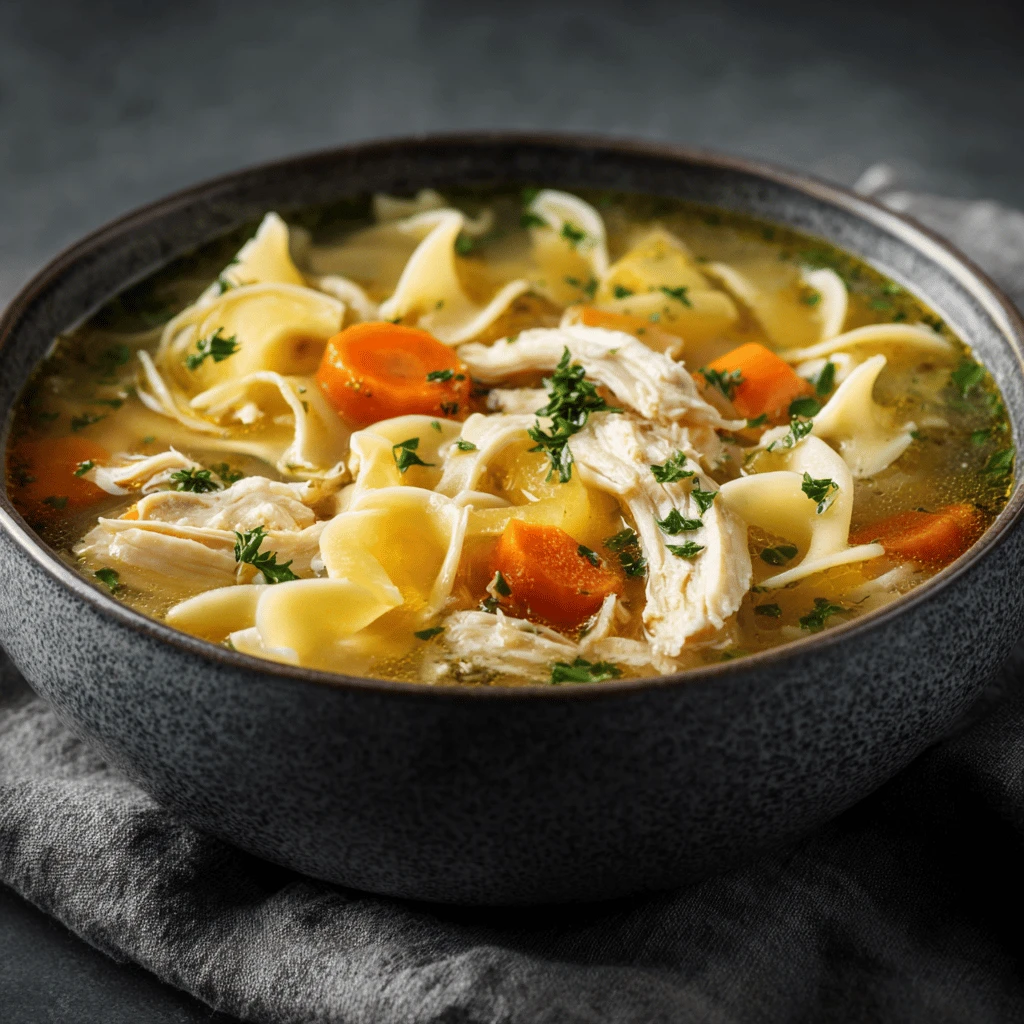
The Foundation: Building Flavor from Scratch
The key to exceptional chicken noodle soup lies in building a flavorful foundation. Starting with homemade chicken broth is ideal, but high-quality store-bought broth can also work in a pinch.
Choosing Your Chicken
The type of chicken you use significantly impacts the soup’s flavor. A whole chicken, simmered for hours, yields the richest broth and most tender meat. Bone-in, skin-on chicken pieces, like thighs and drumsticks, also offer a depth of flavor that boneless, skinless breasts can’t match. When using a whole chicken, remove any giblets before simmering. For pieces, consider browning them slightly in the pot before adding water to deepen the flavor even further.
The Mirepoix: Aromatic Vegetables
A mirepoix—a combination of diced onions, carrots, and celery—forms the aromatic base of most soups and stocks. Sautéing these vegetables in butter or olive oil before adding the liquid helps to release their flavors and create a more complex broth. The classic ratio for mirepoix is 2 parts onion, 1 part carrot, and 1 part celery. Don’t rush this step; allow the vegetables to soften and become fragrant before proceeding.
Herbs and Spices: Enhancing the Broth
Simple herbs and spices can elevate your chicken noodle soup. Bay leaves, thyme, and parsley are classic additions. A few black peppercorns add a subtle warmth. Avoid overpowering the delicate chicken flavor with excessive spices. A pinch of red pepper flakes can add a touch of heat for those who prefer it. Remember to remove the bay leaves before serving.
Crafting the Perfect Soup: A Step-by-Step Guide
Once you have a flavorful broth, crafting the perfect soup is all about timing and technique.
Preparing the Noodles
The type of noodle you choose affects the soup’s texture and overall experience. Egg noodles are the traditional choice, offering a soft, slightly chewy bite. However, other options like rotini, ditalini, or even broken spaghetti can also be used. Add the noodles towards the end of the cooking process, as they can become mushy if overcooked. Cook them until they are al dente, retaining a slight firmness.
Adding the Chicken and Vegetables
If you used a whole chicken, remove it from the pot after it is cooked through, let it cool slightly, and shred the meat. If you used chicken pieces, remove them similarly. Return the shredded chicken to the pot along with any remaining vegetables you want to add, such as peas, corn, or spinach. Cook until the vegetables are tender-crisp.
Seasoning to Perfection
Taste the soup and adjust the seasoning as needed. Salt and pepper are essential, but don’t be afraid to add a squeeze of lemon juice or a splash of apple cider vinegar to brighten the flavors. A touch of soy sauce or Worcestershire sauce can also add umami depth. Remember to taste and adjust gradually, as it’s easier to add more seasoning than to take it away.
Variations and Twists: Expanding Your Chicken Noodle Soup Repertoire
While classic chicken noodle soup is a timeless favorite, there are endless ways to customize it to your liking.
Creamy Chicken Noodle Soup
For a richer, more decadent soup, consider adding a splash of cream or half-and-half at the end of the cooking process. A roux (a mixture of butter and flour) can also be used to thicken the soup. Be careful not to boil the soup after adding the dairy, as it can curdle.
Spicy Chicken Noodle Soup
Add a kick to your chicken noodle soup with some chili peppers, sriracha, or a dash of cayenne pepper. Ginger and garlic can also add warmth and complexity. Experiment with different spice blends to find your perfect level of heat.
Lemon Chicken Noodle Soup
The bright, zesty flavor of lemon can elevate chicken noodle soup to new heights. Add lemon juice and zest towards the end of the cooking process for a burst of freshness. Dill and parsley complement the lemon beautifully. This variation is particularly refreshing during warmer months.
The Healing Power of Chicken Noodle Soup: More Than Just a Comfort Food
Chicken noodle soup is often touted as a remedy for colds and flu, and there’s scientific evidence to support its healing properties.
Hydration and Electrolytes
Chicken noodle soup is an excellent source of hydration, which is crucial when you’re sick. The broth contains electrolytes like sodium and potassium, which help to replenish those lost through sweating and fever.
Anti-Inflammatory Properties
Studies have shown that chicken noodle soup can help to reduce inflammation in the body. The vegetables, chicken, and herbs all contain compounds that have anti-inflammatory effects. This can help to alleviate symptoms like sore throat and congestion.
The Power of Steam
The warm steam from chicken noodle soup can help to clear nasal passages and relieve congestion. Inhaling the steam can also soothe a sore throat.
Tips and Tricks: Elevating Your Soup Game
Here are a few additional tips and tricks to help you create the best chicken noodle soup possible.
Making Broth in Advance
Homemade chicken broth can be made in advance and stored in the refrigerator for up to 3 days or frozen for up to 3 months. This allows you to have a flavorful base ready whenever you want to make soup.
Freezing Leftovers
Chicken noodle soup freezes well, making it a great option for meal prepping. Store leftover soup in airtight containers or freezer bags. Thaw overnight in the refrigerator before reheating.
Using Rotisserie Chicken
If you’re short on time, using rotisserie chicken is a great shortcut. Simply shred the chicken and add it to the soup. You can even use the carcass to make a quick broth.
Vegetable Additions
Don’t be afraid to experiment with different vegetables. Mushrooms, zucchini, and green beans are all great additions to chicken noodle soup.
Don’t Overcook the Noodles
The biggest mistake people make with chicken noodle soup is overcooking the noodles. Add them towards the end of the cooking process and cook until they are al dente.
Add Fresh Herbs at the End
Adding fresh herbs like parsley, dill, or chives at the end of the cooking process will brighten the flavor and add a pop of freshness.
Skimming the Broth
As the broth simmers, skim off any foam or impurities that rise to the surface. This will result in a clearer, more flavorful broth.
Adjusting Consistency
If your soup is too thick, add more broth. If it’s too thin, simmer it uncovered for a longer period of time to allow some of the liquid to evaporate.
FAQ
Why is chicken noodle soup good when you are sick?
Chicken noodle soup provides hydration, electrolytes, and has anti-inflammatory properties. The warm steam helps to clear congestion.
What kind of noodles are best for chicken noodle soup?
Egg noodles are the traditional choice, but other options like rotini, ditalini, or broken spaghetti can also be used.
How long does chicken noodle soup last in the fridge?
Chicken noodle soup can last in the refrigerator for up to 3-4 days.
Can you freeze chicken noodle soup?
Yes, chicken noodle soup freezes well for up to 2-3 months.
How can I make my chicken noodle soup more flavorful?
Use homemade chicken broth, sauté the mirepoix properly, and season generously. Adding fresh herbs at the end can also enhance the flavor.