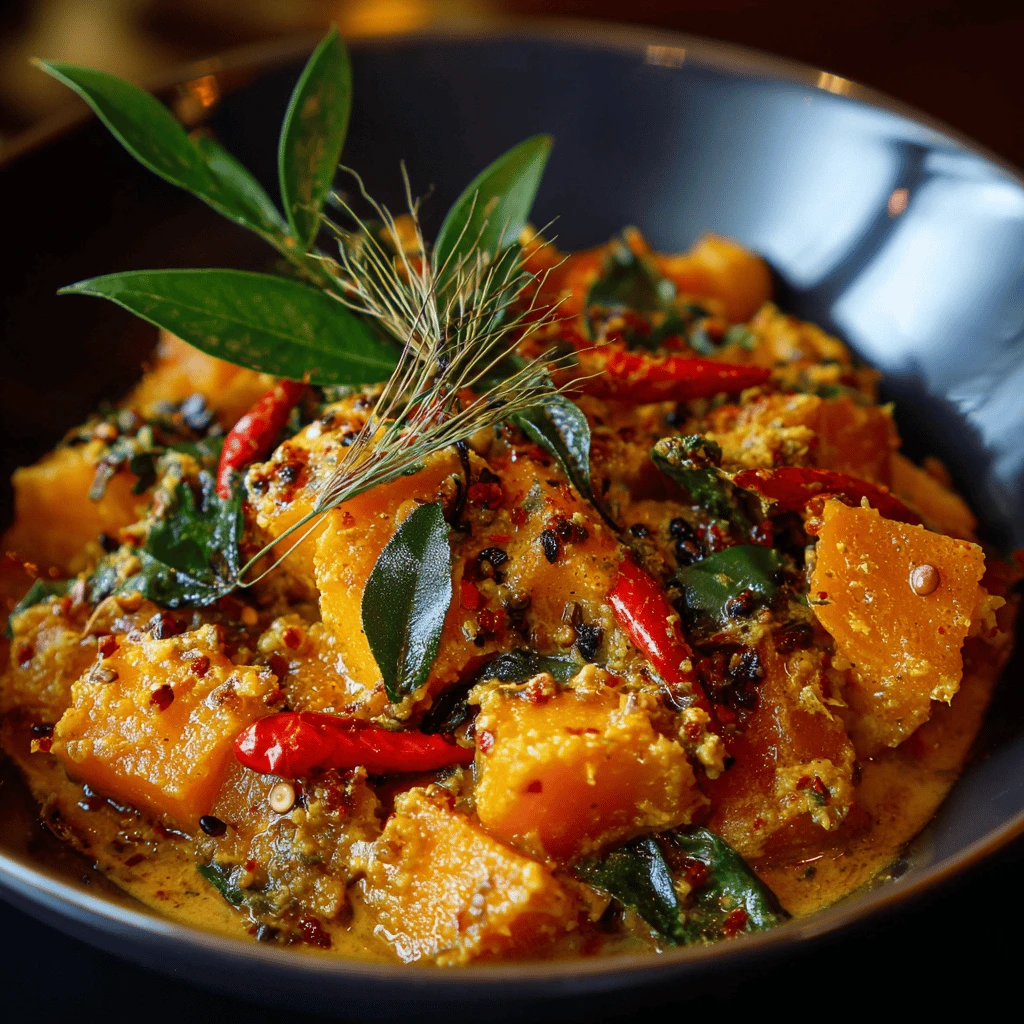
Wholesome Savory Pumpkin Curry
Pumpkin curry, a vibrant and comforting dish, perfectly marries the sweetness of pumpkin with the warmth and complexity of savory spices. This versatile dish can be tailored to various dietary needs and preferences, making it a crowd-pleaser for weeknight dinners or special occasions. Whether you’re a seasoned chef or a kitchen novice, this guide will walk you through crafting a truly delicious and wholesome savory pumpkin curry.
The Magic of Pumpkin: Nutritional Benefits and Preparation
Pumpkin, often associated with sweet treats, shines just as brightly in savory applications. It’s a nutritional powerhouse, packed with vitamins A and C, fiber, and antioxidants. The beta-carotene in pumpkin converts to vitamin A in the body, supporting vision, immune function, and skin health. The fiber aids digestion and promotes a feeling of fullness, while the antioxidants protect against cell damage.
Butternut squash, kabocha squash, or even canned pumpkin puree can be used. Canned pumpkin puree offers convenience, but fresh pumpkin provides a richer flavor.
Preparing Fresh Pumpkin:
1. Choosing the Right Pumpkin: Select a small to medium-sized pumpkin, specifically a “pie pumpkin” or “sugar pumpkin,” as these are sweeter and less stringy than jack-o’-lantern pumpkins.
2. Cleaning and Cutting: Wash the pumpkin thoroughly. Carefully cut it in half from stem to base. Scoop out the seeds and stringy pulp. You can save the seeds for roasting!
3. Cooking the Pumpkin: There are several methods for cooking pumpkin:
Roasting: Preheat your oven to 400°F (200°C). Place the pumpkin halves cut-side down on a baking sheet lined with parchment paper. Roast for 45-60 minutes, or until the flesh is tender when pierced with a fork. Let cool slightly, then scoop out the flesh.
Steaming: Cut the pumpkin into smaller pieces. Steam for 20-30 minutes, or until tender.
Boiling: Cut the pumpkin into smaller pieces. Boil in water for 20-30 minutes, or until tender. Drain well.
Once cooked, mash or blend the pumpkin flesh until smooth. This puree is now ready to be incorporated into your curry.
Building Flavor: The Essential Spice Blend
The spice blend is the heart and soul of any curry. A well-balanced combination of spices will enhance the natural sweetness of the pumpkin and create a complex, aromatic flavor profile.
Core Spices:
- Curry Powder: A pre-made blend of spices, often including turmeric, coriander, cumin, ginger, and chili powder. The exact composition varies, so taste your curry powder and adjust the other spices accordingly.
- Turmeric: Provides a vibrant yellow color and earthy flavor. It also boasts anti-inflammatory properties.
- Cumin: Adds warmth and earthiness.
- Coriander: Offers a citrusy and slightly floral aroma.
- Ginger: Freshly grated ginger adds a pungent and slightly spicy note.
- Garlic: Minced garlic is essential for a savory base.
Optional Spices (to customize your curry):
- Chili Powder/Red Pepper Flakes: For a touch of heat. Adjust the amount to your preference.
- Garam Masala: A warm and aromatic spice blend added at the end of cooking to enhance the overall flavor.
- Cardamom: Adds a sweet and fragrant note. Use sparingly as it can be overpowering.
- Cinnamon: A pinch of cinnamon can complement the pumpkin’s sweetness.
- Nutmeg: Similar to cinnamon, a small amount adds warmth and depth.
Creating Your Spice Blend:
Experiment with different combinations and ratios to find your perfect balance. Start with the core spices and gradually add the optional ones, tasting as you go. A good starting point is:
- 2 tablespoons curry powder
- 1 teaspoon turmeric
- 1 teaspoon cumin
- 1 teaspoon coriander
- 1 tablespoon grated fresh ginger
- 2 cloves garlic, minced
Crafting the Curry: A Step-by-Step Guide
Now that you have your pumpkin and spice blend ready, it’s time to assemble the curry.
Ingredients:
- 1 tablespoon coconut oil (or vegetable oil)
- 1 onion, chopped
- 2 cloves garlic, minced
- 1 tablespoon grated fresh ginger
- Your custom spice blend (as described above)
- 1 (14-ounce) can full-fat coconut milk
- 2 cups pumpkin puree (fresh or canned)
- 1 cup vegetable broth (or water)
- 1 can (15 ounces) chickpeas, rinsed and drained (or other protein source)
- 1 cup chopped vegetables (spinach, kale, bell peppers, green beans, etc.)
- Salt and pepper to taste
- Fresh cilantro, for garnish
- Cooked rice or naan bread, for serving
Instructions:
1. Sauté the Aromatics: Heat the coconut oil in a large pot or Dutch oven over medium heat. Add the chopped onion and cook until softened, about 5 minutes. Add the minced garlic and grated ginger and cook for another minute, until fragrant.
2. Bloom the Spices: Add the spice blend to the pot and cook for 1-2 minutes, stirring constantly, until fragrant. This step is crucial for releasing the flavors of the spices. Be careful not to burn them.
3. Add the Liquids: Pour in the coconut milk and vegetable broth. Stir to combine.
4. Incorporate the Pumpkin: Add the pumpkin puree and stir until smooth. Bring the mixture to a simmer.
5. Add Protein and Vegetables: Add the chickpeas (or other protein source) and chopped vegetables to the pot.
6. Simmer and Season: Reduce the heat to low, cover the pot, and simmer for 15-20 minutes, or until the vegetables are tender and the flavors have melded. Season with salt and pepper to taste.
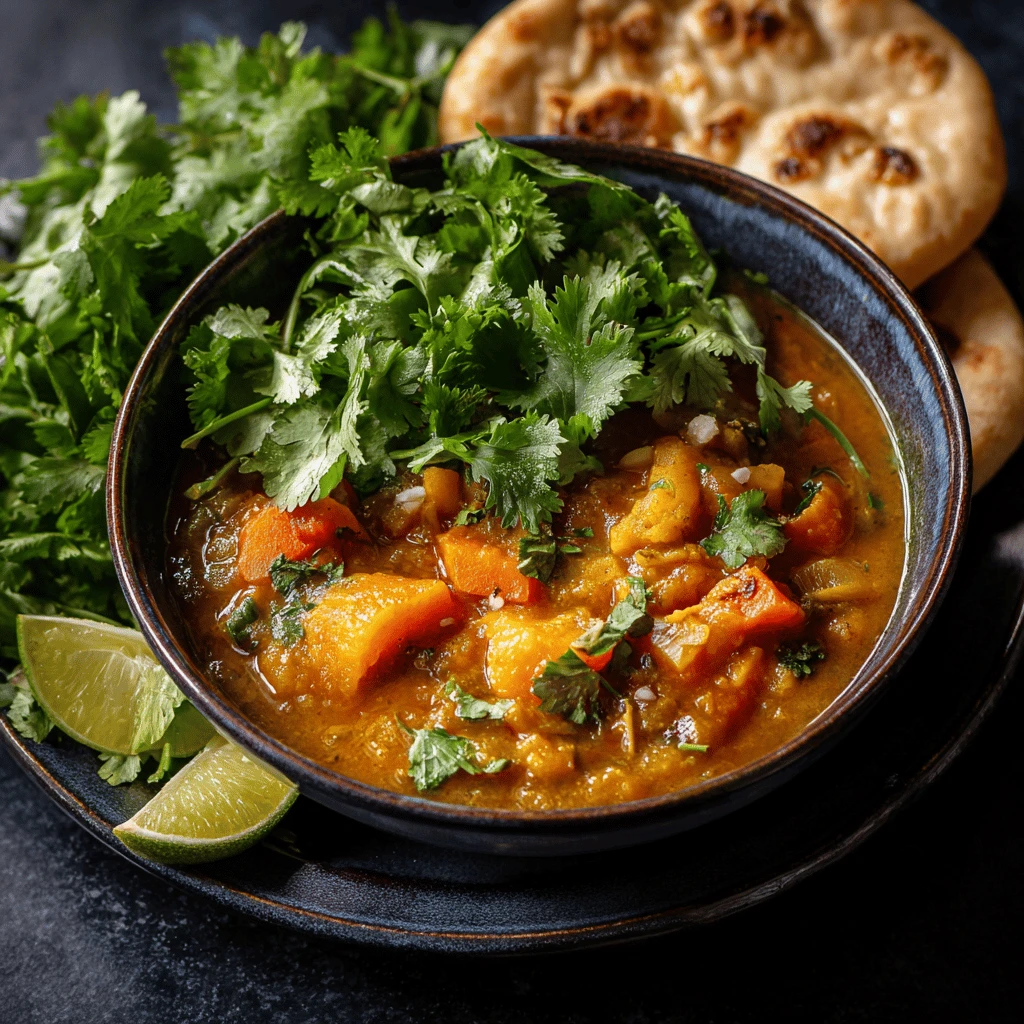
7. Garnish and Serve: Garnish with fresh cilantro and serve hot over cooked rice or with naan bread.
Variations and Adaptations: Making it Your Own
One of the best things about pumpkin curry is its versatility. Feel free to experiment with different ingredients and techniques to create a curry that suits your taste.
Protein Options:
- Tofu: Cubed and pan-fried or baked tofu adds a protein boost and a pleasant texture.
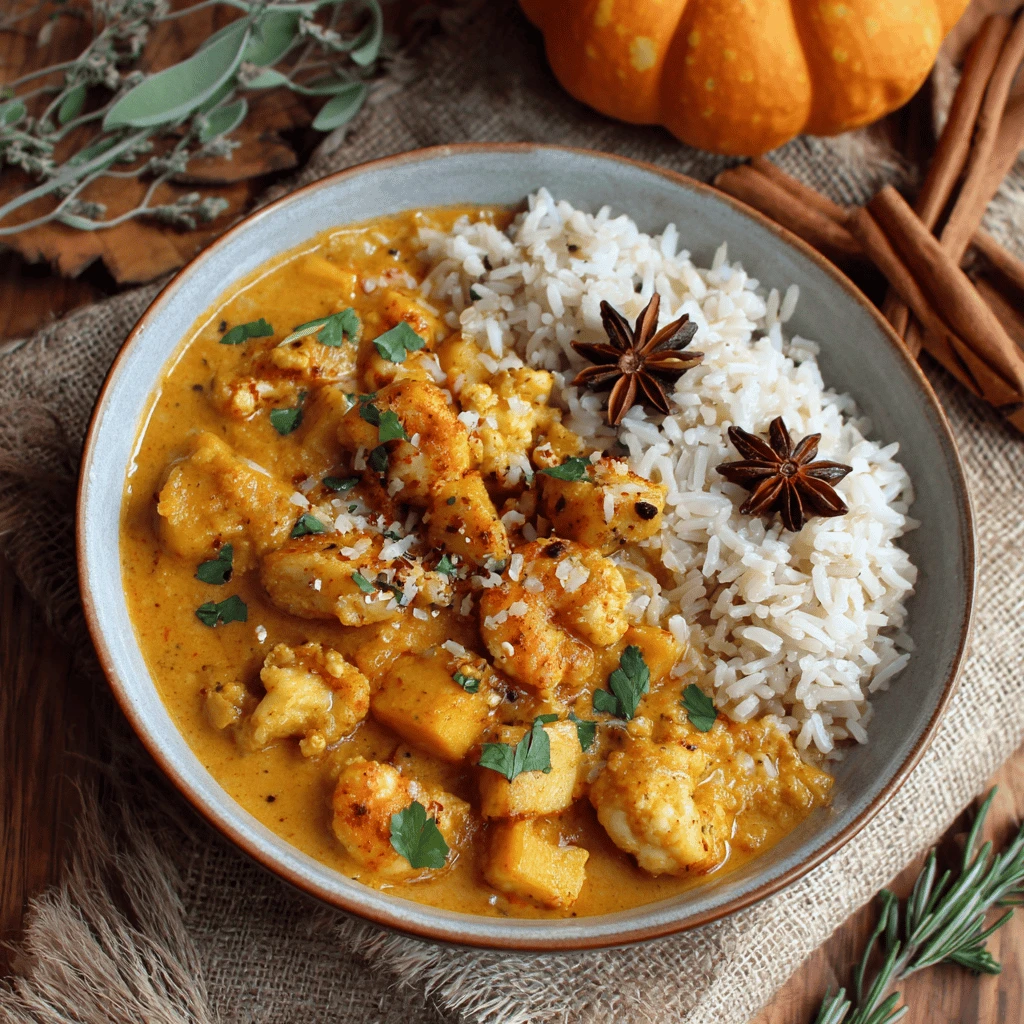
- Chicken or Turkey: Cooked chicken or turkey can be added to the curry for a heartier meal.
- Shrimp: Shrimp cooks quickly and adds a seafood element. Add it during the last 5-7 minutes of cooking.
- Lentils: Red lentils or green lentils can be cooked directly in the curry for added protein and fiber.
- Paneer: Indian cheese, paneer, is a delicious vegetarian option.
Vegetable Additions:
- Sweet Potatoes: Diced sweet potatoes complement the pumpkin’s sweetness.
- Cauliflower or Broccoli: Adds a cruciferous vegetable boost.
- Spinach or Kale: Adds nutrients and color. Add during the last few minutes of cooking.
- Bell Peppers: Adds sweetness and crunch.
Flavor Enhancements:
- Lime Juice: A squeeze of lime juice at the end brightens the flavors.
- Fish Sauce: A small amount of fish sauce (use sparingly!) adds umami and depth. For a vegan option, use soy sauce or tamari.
- Peanut Butter or Almond Butter: A tablespoon or two of nut butter adds richness and creaminess.
- Maple Syrup or Honey: A touch of sweetness can balance the savory flavors.
Making it Vegan:
This recipe is easily adaptable to be vegan. Simply use coconut oil, vegetable broth, and plant-based protein sources like tofu, lentils, or chickpeas. Ensure your curry powder is vegan, as some blends may contain animal products.
Serving and Storing: Enjoying Your Creation
Pumpkin curry is best served hot, garnished with fresh cilantro. Serve it with:
- Rice: Basmati rice, jasmine rice, or brown rice are all excellent choices.
- Naan Bread: Warm naan bread is perfect for scooping up the curry.
- Roti or Chapati: Other types of Indian flatbreads also pair well.
- Quinoa: For a healthier grain option.
Storing Leftovers:
Store leftover pumpkin curry in an airtight container in the refrigerator for up to 3-4 days. Reheat gently on the stovetop or in the microwave. You may need to add a splash of water or broth to thin it out if it has thickened. Pumpkin curry also freezes well. Store in freezer-safe containers for up to 2-3 months. Thaw overnight in the refrigerator before reheating.
Frequently Asked Questions
Can I use canned pumpkin instead of fresh?
Yes, canned pumpkin puree is a convenient and perfectly acceptable substitute for fresh pumpkin. Make sure to use plain pumpkin puree, not pumpkin pie filling.
How can I make the curry spicier?
Add more chili powder or red pepper flakes to the spice blend. You can also add a chopped chili pepper to the pot when sautéing the onions and garlic.
Can I use a different type of squash?
Butternut squash, kabocha squash, or acorn squash are all good substitutes for pumpkin.
Is this curry gluten-free?
Yes, this recipe is naturally gluten-free, as long as you use gluten-free vegetable broth and serve it with rice or gluten-free naan bread.
How can I make this curry lower in fat?
Use light coconut milk instead of full-fat. You can also reduce the amount of coconut oil used for sautéing.