Easy Potato Chowder
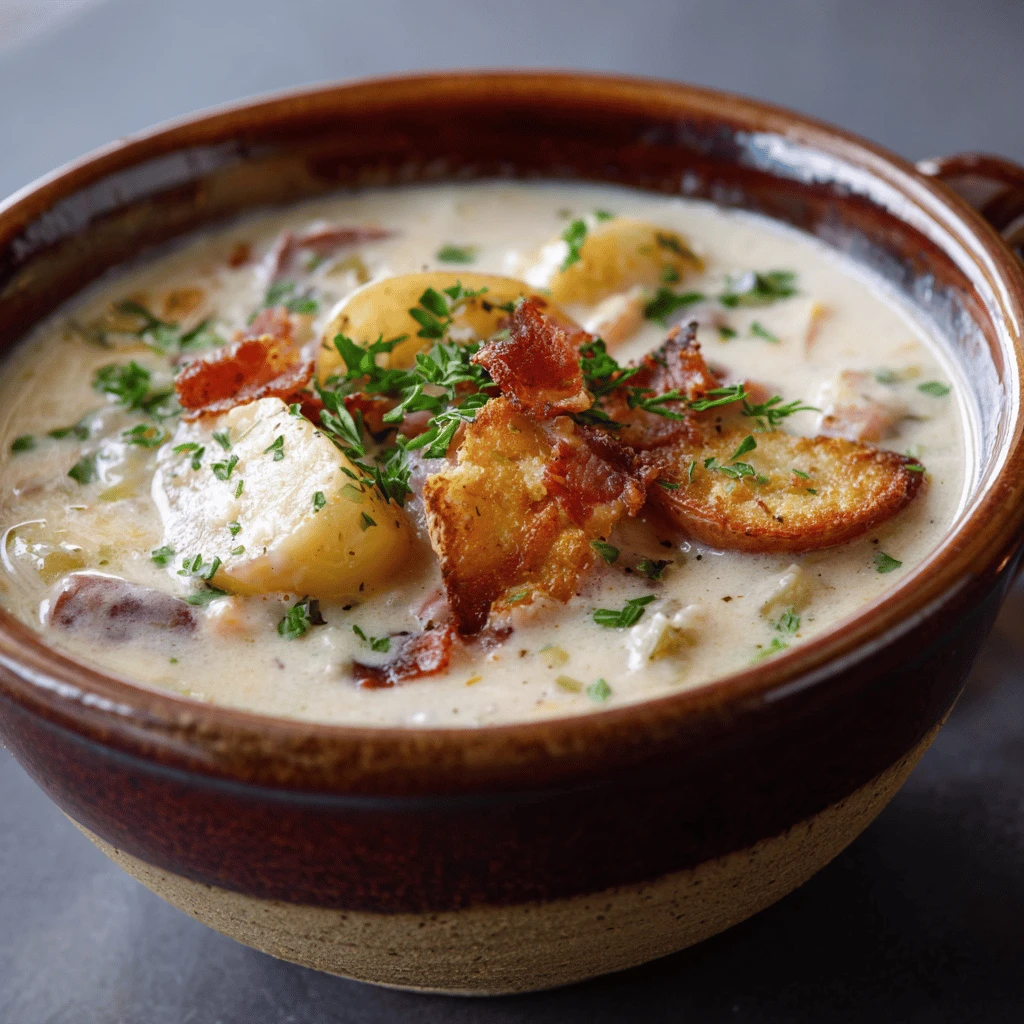
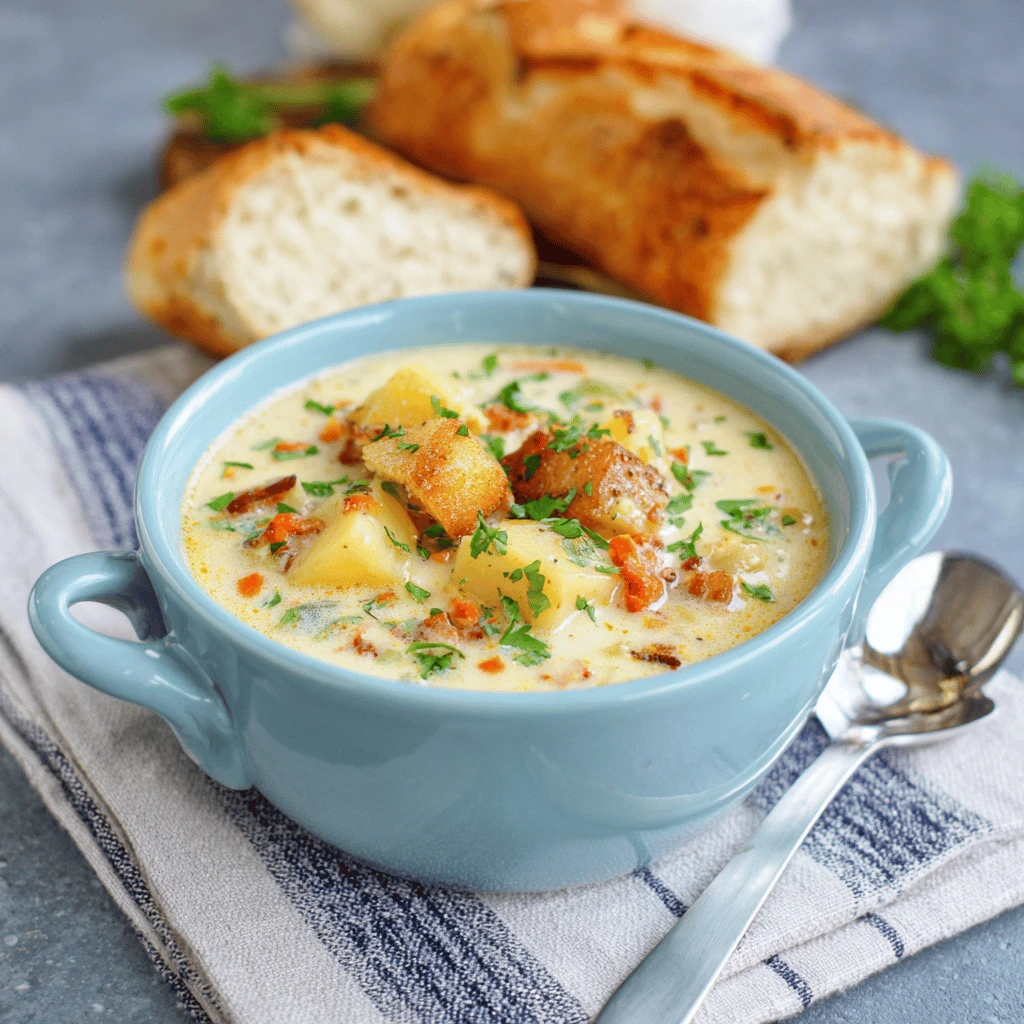
Potato chowder: it’s creamy, comforting, and surprisingly simple to make. This hearty soup is perfect for a chilly evening, and its humble ingredients make it a budget-friendly meal the whole family will enjoy. Forget complicated recipes; this guide will walk you through creating a delicious potato chowder with minimal fuss.
The Appeal of Easy Potato Chowder
What makes potato chowder so appealing? Several factors contribute to its popularity. First, potatoes are readily available and relatively inexpensive, making this soup accessible to almost everyone. Second, the creamy texture is undeniably satisfying, offering warmth and comfort with every spoonful. Finally, potato chowder is incredibly versatile. You can customize it with your favorite toppings and add-ins to create a unique and personalized dish. Whether you’re a seasoned cook or a beginner in the kitchen, this recipe is designed for success.
Why This Recipe Works
This recipe focuses on simplicity without sacrificing flavor. We’ll use straightforward techniques and readily available ingredients to create a chowder that’s both delicious and easy to prepare. The key is to build flavor at each step, starting with the base and gradually adding richness and depth. We will avoid complicated roux methods, instead relying on the natural starch of the potatoes to thicken the soup.
Key Ingredients for Delicious Potato Chowder
Let’s cover some of the key ingredients.
- Potatoes: Yukon Gold potatoes are ideal due to their creamy texture and ability to hold their shape when cooked. Russet potatoes can also be used but may require more attention to avoid becoming too mushy.
- Onion and Celery: These aromatic vegetables form the flavor foundation of the chowder.
- Broth: Chicken or vegetable broth provides the liquid base and adds depth of flavor.
- Cream or Milk: Heavy cream or milk creates the signature creamy texture. For a lighter option, use half-and-half or even a combination of milk and a small amount of cream.
- Bacon (Optional): Crispy bacon adds a smoky, savory element that complements the potatoes perfectly.
- Seasoning: Salt, pepper, and a pinch of thyme or other herbs enhance the overall flavor profile.
Step-by-Step Guide to Making Potato Chowder
Now, let’s get cooking! Follow these simple steps to create a comforting bowl of potato chowder.
Preparing the Ingredients
Start by prepping your ingredients. Dice the onion and celery into small, uniform pieces. Peel and dice the potatoes into bite-sized cubes, about 1/2 inch in size. If using bacon, cook it until crispy and crumble it. Set aside the bacon and reserve some of the rendered bacon fat for cooking the vegetables.
Building the Flavor Base
In a large pot or Dutch oven, melt the butter (or bacon fat) over medium heat. Add the diced onion and celery and cook until softened, about 5-7 minutes. This step is crucial for building the flavor base of the chowder. Don’t rush it; allow the vegetables to sweat and release their aromas.
Cooking the Potatoes
Add the diced potatoes and broth to the pot. Bring to a boil, then reduce heat and simmer until the potatoes are tender, about 15-20 minutes. Check the potatoes for doneness by piercing them with a fork. They should be easily pierced but not falling apart.
Achieving the Perfect Creamy Texture
Once the potatoes are cooked, it’s time to create the creamy texture. For a smoother chowder, use an immersion blender to partially blend the soup. Leave some chunks for texture. Alternatively, you can remove a few cups of the soup and blend it in a regular blender before returning it to the pot. Stir in the cream or milk and heat through. Be careful not to boil the soup after adding the dairy, as it may curdle.
Seasoning and Finishing Touches
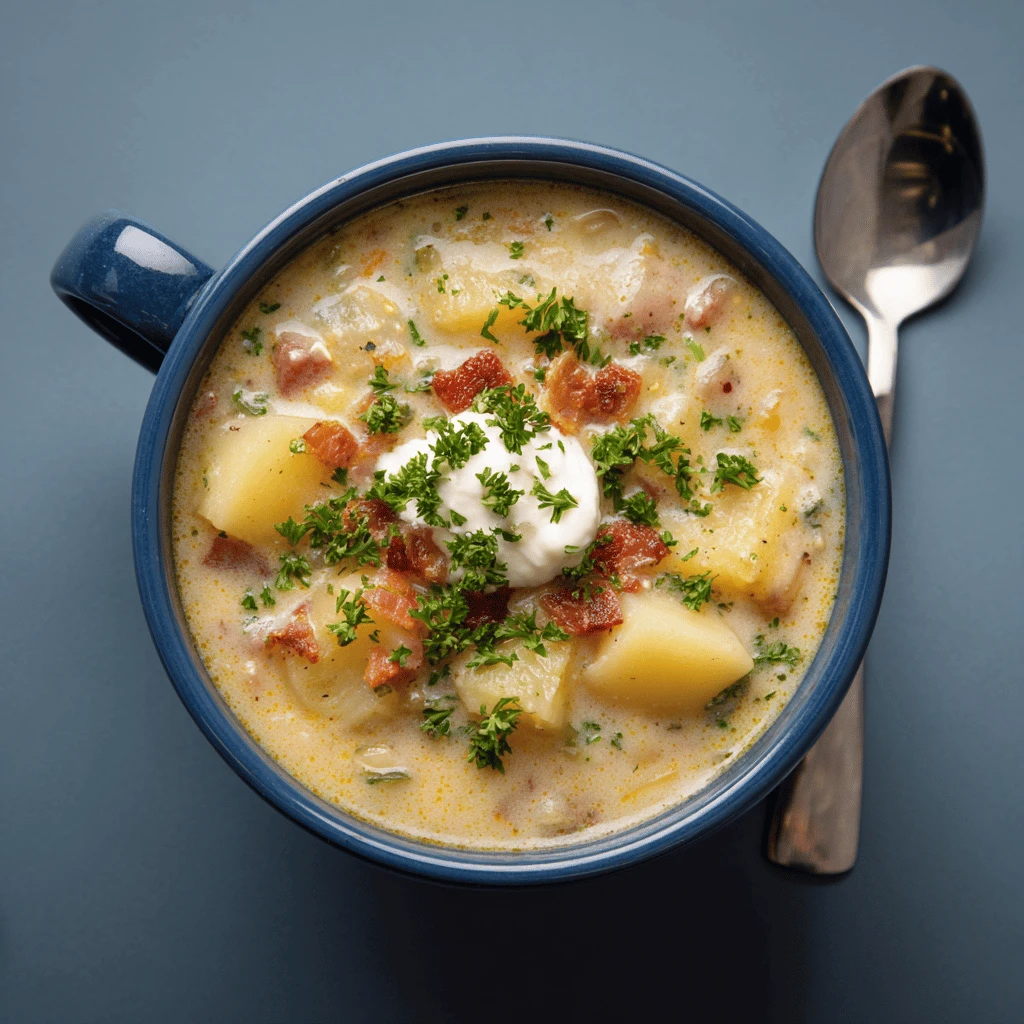
Season the chowder with salt, pepper, and any other desired herbs or spices. Taste and adjust the seasoning as needed. Remember, you can always add more seasoning, but you can’t take it away. Stir in most of the crumbled bacon (if using), reserving some for garnish. Ladle the chowder into bowls and garnish with the remaining bacon, fresh herbs, and a dollop of sour cream or a sprinkle of shredded cheddar cheese, if desired.
Variations and Add-Ins for Personalized Chowder
One of the best things about potato chowder is its versatility. Feel free to experiment with different variations and add-ins to create a personalized dish that suits your taste.
Adding Protein for a Heartier Meal
For a more substantial meal, consider adding protein to your potato chowder. Cooked ham, sausage, or shredded chicken are all excellent choices. Simply add the cooked protein to the pot along with the cream or milk and heat through.
Incorporating Vegetables for Added Nutrients
Boost the nutritional value of your chowder by adding other vegetables. Corn, carrots, or green beans are all delicious additions. Add them to the pot along with the potatoes and cook until tender.
Spice It Up with Different Flavors
Experiment with different herbs and spices to create unique flavor profiles. Smoked paprika, garlic powder, or even a pinch of cayenne pepper can add depth and complexity to your chowder.
Lighter Options for Health-Conscious Eaters
If you’re looking for a lighter version of potato chowder, there are several ways to reduce the fat content. Use skim milk or unsweetened almond milk instead of cream. You can also reduce the amount of butter or omit the bacon altogether. For a thicker texture without added fat, try adding a small amount of pureed cauliflower to the soup.
Tips and Tricks for Perfect Potato Chowder
Here are some helpful tips and tricks to ensure your potato chowder turns out perfectly every time.
Choosing the Right Potatoes
As mentioned earlier, Yukon Gold potatoes are an excellent choice for potato chowder due to their creamy texture and ability to hold their shape. However, other varieties like red potatoes or even russet potatoes can also be used. Just be mindful of the starch content and adjust the cooking time accordingly.
Preventing a Gluey Texture
To avoid a gluey texture, avoid overcooking the potatoes. Cook them until they are tender but still slightly firm. Overcooked potatoes release too much starch, which can result in a thick, gluey soup.
Thickening the Chowder Without Flour
This recipe avoids using flour to thicken the chowder, relying instead on the natural starch of the potatoes. However, if you prefer a thicker consistency, you can mash a portion of the potatoes with a fork or potato masher before adding the cream or milk. This will release more starch and thicken the soup.
Storing and Reheating Leftover Chowder
Potato chowder can be stored in an airtight container in the refrigerator for up to 3-4 days. To reheat, gently warm the chowder in a saucepan over medium heat. Avoid boiling, as this can cause the dairy to curdle. You can also reheat the chowder in the microwave, but be sure to stir it frequently to ensure even heating.
Serving Suggestions
Serve your potato chowder hot, garnished with your favorite toppings. Some popular options include crumbled bacon, shredded cheddar cheese, sour cream, fresh herbs, and croutons. Pair it with a side of crusty bread or a simple salad for a complete and satisfying meal.
Frequently Asked Questions About Potato Chowder
Q: Can I freeze potato chowder?
A: While you can freeze potato chowder, the texture may change slightly upon thawing. Dairy-based soups tend to separate and become grainy when frozen. To minimize this, allow the chowder to cool completely before freezing it in an airtight container. When thawing, thaw it slowly in the refrigerator and gently reheat it over low heat, stirring frequently.
Q: Can I make potato chowder in a slow cooker?
A: Yes, you can adapt this recipe for a slow cooker. Sauté the onions and celery on the stovetop as directed, then transfer them to the slow cooker along with the potatoes, broth, and seasonings. Cook on low for 6-8 hours or on high for 3-4 hours, or until the potatoes are tender. Stir in the cream or milk during the last 30 minutes of cooking.
Q: How can I make this recipe dairy-free?
A: To make this recipe dairy-free, substitute the cream or milk with unsweetened almond milk, oat milk, or coconut milk. You can also add a tablespoon or two of nutritional yeast for a cheesy flavor.
Q: What can I add to potato chowder to make it more flavorful?
A: There are many ways to add flavor to potato chowder. Try adding a bay leaf while simmering the potatoes, or stir in a spoonful of Dijon mustard for a tangy kick. Smoked paprika, garlic powder, and onion powder are also great additions.
Q: What’s the difference between potato soup and potato chowder?
A: While the terms “potato soup” and “potato chowder” are often used interchangeably, there are some key differences. Potato chowder is typically thicker and creamier than potato soup. It often contains chunks of potatoes and other vegetables, while potato soup may be smoother. Chowder also often includes bacon or other meats.