
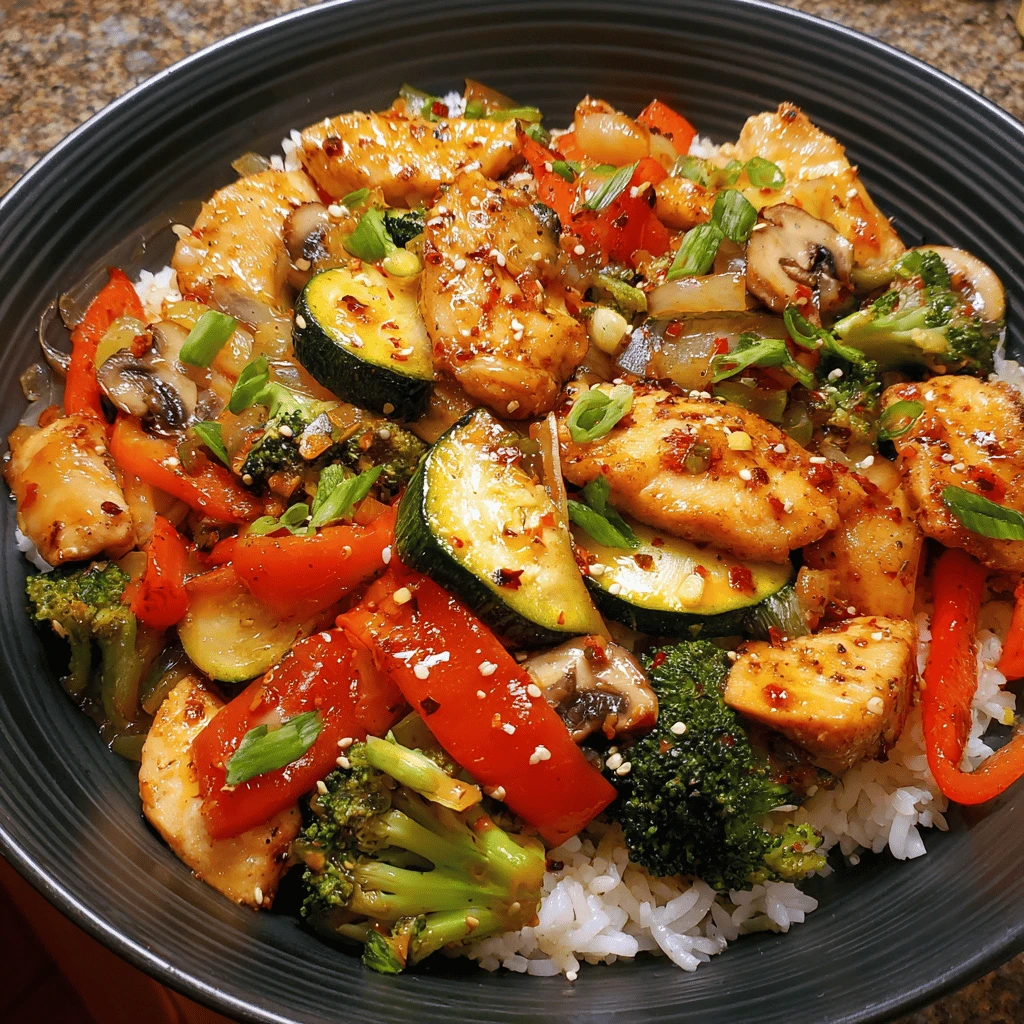
Spicy Pan-Seared Chicken Breast Stir Fry
Craving a quick, healthy, and intensely flavorful meal? Look no further than this spicy pan-seared chicken breast stir fry. This dish delivers a satisfying blend of tender chicken, vibrant vegetables, and a fiery sauce that will tantalize your taste buds. Perfect for a weeknight dinner, it’s customizable to your liking and ready in under 30 minutes.
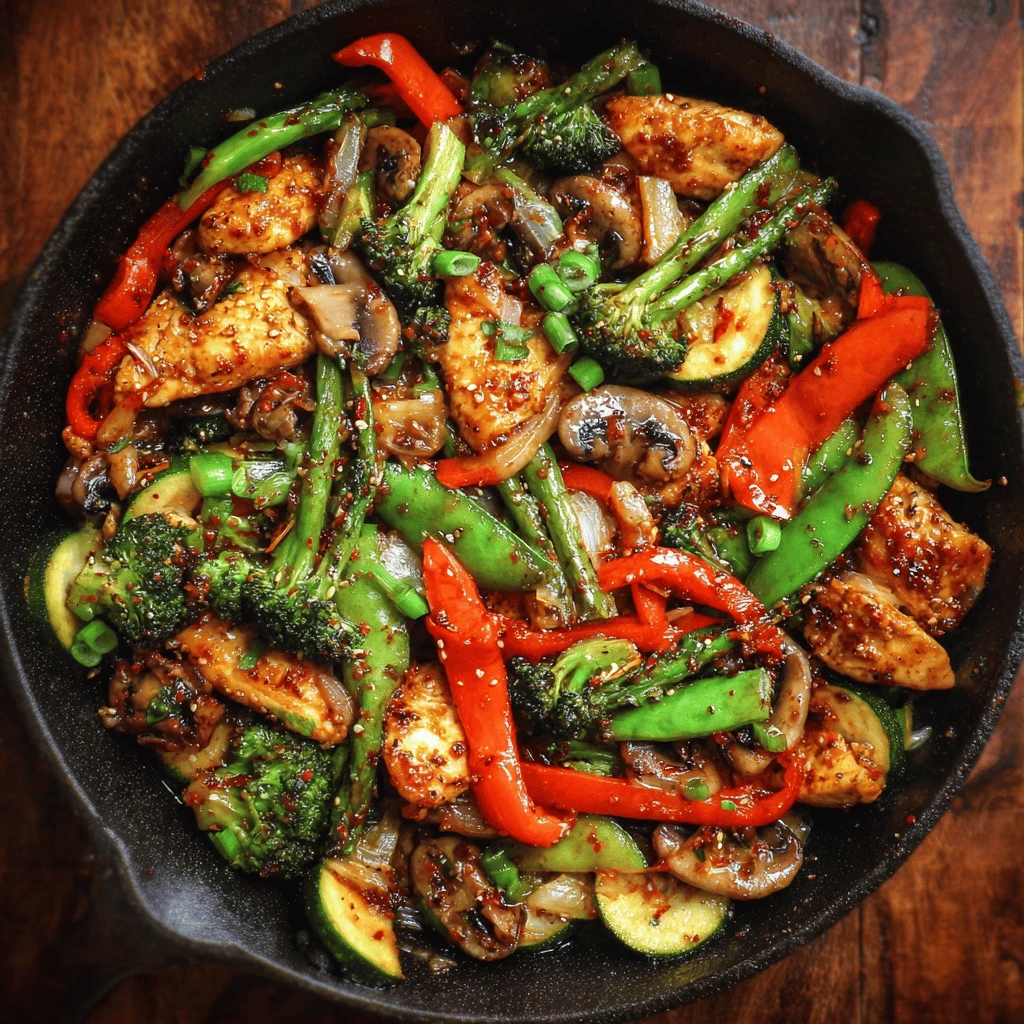
Mastering the Art of Pan-Seared Chicken
The foundation of any great chicken stir fry is, of course, the chicken itself. Achieving perfectly pan-seared chicken involves a few key techniques that ensure a moist and tender result every time.
Choosing the Right Chicken
While you can use boneless, skinless chicken thighs, chicken breast is a popular choice for stir-fries due to its lean protein content and quick cooking time. Opt for chicken breasts that are of uniform thickness. This allows for even cooking and prevents some parts from drying out before others are cooked through. If your chicken breasts are particularly thick, consider pounding them to an even thickness of about ½ inch. This will significantly reduce cooking time and promote even browning.
Preparing the Chicken
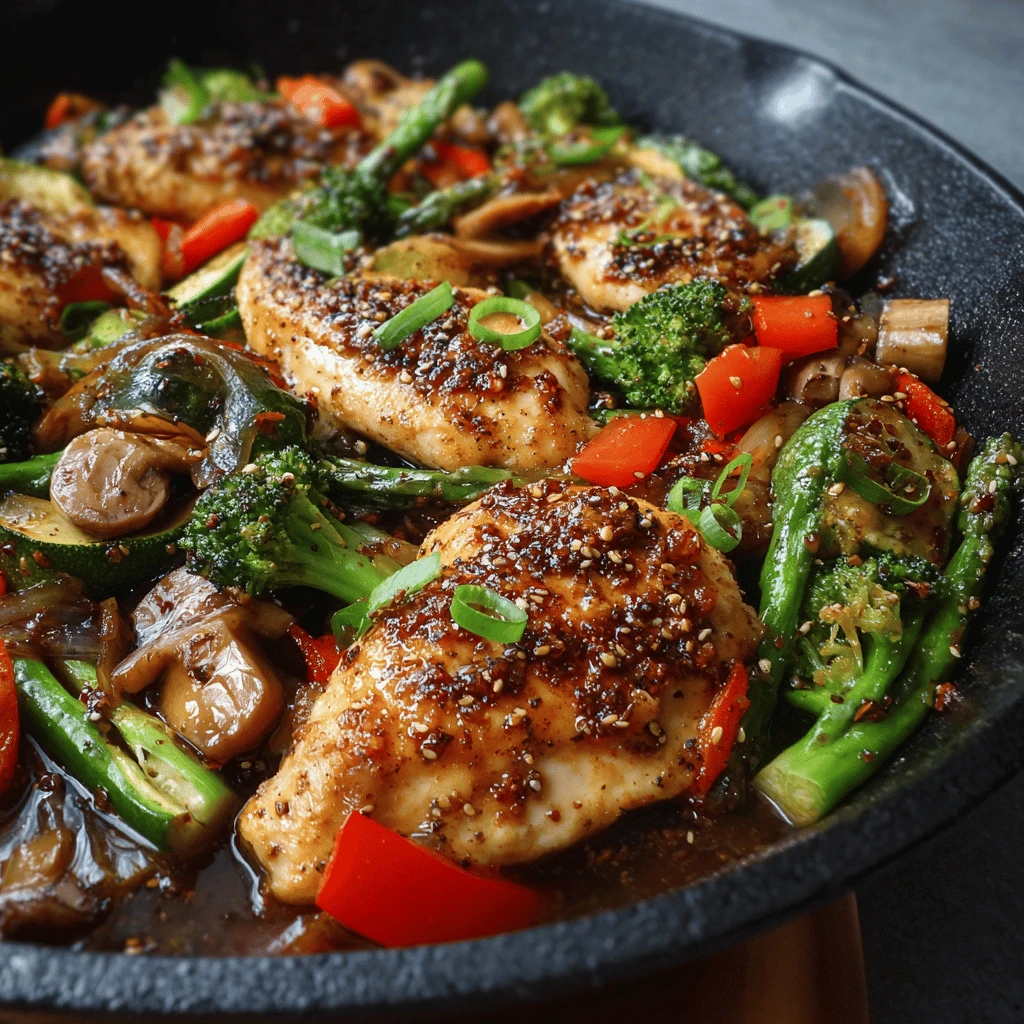
Before cooking, pat the chicken breasts dry with paper towels. This step is crucial for achieving a good sear. Moisture on the surface of the chicken will steam it instead of browning it. Season the chicken generously with salt, black pepper, and any other spices you enjoy. Garlic powder, onion powder, paprika, and cayenne pepper are all excellent choices for adding flavor. Don’t be afraid to season liberally; this is your opportunity to build a flavorful base for the entire dish.
Achieving the Perfect Sear
Heat a large skillet or wok over medium-high heat. A cast-iron skillet works particularly well for this, as it retains heat effectively. Add a tablespoon or two of cooking oil with a high smoke point, such as vegetable oil, canola oil, or avocado oil. Once the oil is shimmering and hot, carefully place the chicken breasts in the skillet, ensuring they are not overcrowded. Overcrowding the pan will lower the temperature and result in steamed chicken rather than seared chicken. Cook the chicken for 4-5 minutes per side, or until golden brown and cooked through. The internal temperature should reach 165°F (74°C). Use a meat thermometer to ensure accuracy. Once cooked, remove the chicken from the skillet and set aside to rest for a few minutes before slicing into bite-sized pieces.
Building a Flavorful Stir Fry Foundation
A great stir-fry is all about the sauce and the interplay of textures and flavors. Here’s how to build a foundation that allows the chicken and vegetables to shine.
Selecting Your Vegetables
The beauty of a stir fry is its versatility. You can use virtually any vegetable you like, making it a great way to use up leftover produce. Popular choices include bell peppers (various colors), broccoli florets, snap peas, carrots (sliced thinly), onions (sliced), mushrooms (sliced), zucchini (diced), and bok choy. Consider a mix of colors and textures for a visually appealing and satisfying stir-fry.
Preparing the Vegetables
Before you start cooking, prepare all your vegetables by washing, chopping, and slicing them. Cut them into bite-sized pieces so they cook quickly and evenly. Organize them near your stovetop so they’re easily accessible during the cooking process. Some vegetables, like carrots, may require a slightly longer cooking time than others, so keep that in mind when adding them to the skillet.
Stir-Frying the Vegetables
After removing the chicken from the skillet, add a little more oil if needed. Add the vegetables that require a longer cooking time first, such as carrots and broccoli. Stir-fry them for a few minutes until they begin to soften. Then, add the remaining vegetables and continue to stir-fry until they are tender-crisp. Avoid overcooking the vegetables; you want them to retain some crunch.
Crafting the Spicy Stir Fry Sauce
The sauce is what brings everything together in a stir fry, infusing the chicken and vegetables with flavor and moisture. This spicy sauce is a perfect balance of sweet, savory, and spicy.
Sauce Ingredients and Ratios
The key to a great stir fry sauce is balancing the different flavors. A basic spicy stir fry sauce typically includes soy sauce (for umami and saltiness), honey or brown sugar (for sweetness), rice vinegar (for acidity), sesame oil (for aroma and flavor), cornstarch (for thickening), and red pepper flakes or sriracha (for heat).
Here’s a suggested ratio to get you started:
- 2 tablespoons soy sauce
- 1 tablespoon honey or brown sugar
- 1 tablespoon rice vinegar
- 1 teaspoon sesame oil
- 1 teaspoon cornstarch
- ½ – 1 teaspoon red pepper flakes or sriracha (adjust to your spice preference)
Making the Sauce
In a small bowl, whisk together all the sauce ingredients until the cornstarch is fully dissolved. This is important to prevent lumps from forming in the sauce. Set the sauce aside until you’re ready to add it to the stir-fry.
Adjusting the Spice Level
The amount of red pepper flakes or sriracha you use will determine the spice level of your stir fry. Start with a smaller amount and taste the sauce as you go. You can always add more spice, but you can’t take it away! For a milder flavor, use a pinch of red pepper flakes or a small amount of sriracha. For a spicier kick, add more to your liking.
Assembling the Stir Fry
Now that you have your perfectly cooked chicken, tender-crisp vegetables, and flavorful sauce, it’s time to bring it all together.
Combining the Ingredients
Add the sliced chicken back to the skillet with the vegetables. Pour the sauce over the chicken and vegetables. Stir everything together to ensure that the chicken and vegetables are evenly coated in the sauce.
Simmering and Thickening the Sauce
Bring the sauce to a simmer and cook for a few minutes, stirring constantly, until the sauce thickens. The cornstarch in the sauce will help it thicken quickly. Once the sauce has reached your desired consistency, remove the skillet from the heat.
Serving Suggestions
Serve the spicy pan-seared chicken breast stir fry immediately over cooked rice or noodles. Brown rice, white rice, quinoa, or lo mein noodles are all excellent choices. Garnish with sesame seeds and chopped green onions for added flavor and visual appeal.
Variations and Customizations
One of the best things about stir-fries is their versatility. Feel free to experiment with different ingredients and flavors to create your own signature dish.
Protein Options
While chicken breast is a popular choice, you can easily substitute other proteins in this stir fry. Shrimp, beef (sliced thinly), pork (sliced thinly), or tofu are all great alternatives. Adjust the cooking time accordingly based on the protein you choose.
Vegetable Swaps
Don’t be afraid to get creative with your vegetables. Use whatever you have on hand or whatever is in season. Some other vegetables that work well in stir-fries include asparagus, snow peas, water chestnuts, and baby corn.
Sauce Variations
If you’re not a fan of spice, you can easily adjust the sauce to your liking. Omit the red pepper flakes or sriracha for a milder flavor. You can also experiment with different flavor profiles by adding ingredients like ginger, garlic, hoisin sauce, or oyster sauce. A touch of peanut butter can also add a nutty richness to the sauce.
Adding Nuts and Seeds
For added crunch and nutrition, consider adding nuts or seeds to your stir fry. Cashews, peanuts, almonds, or sesame seeds are all excellent choices. Add them towards the end of cooking to prevent them from burning.
Making it a Complete Meal
To make this stir fry a complete meal, consider adding a side of steamed edamame or a simple salad. You can also add a fried egg on top of the stir fry for extra protein and richness.
FAQ Section
Q: Can I prepare the chicken and vegetables in advance?
A: Yes, you can prepare the chicken and vegetables in advance to save time. Cook the chicken as directed and store it in the refrigerator. Chop the vegetables and store them in a separate container. When you’re ready to make the stir fry, simply reheat the chicken and stir-fry the vegetables.
Q: Can I use frozen vegetables in this stir fry?
A: Yes, you can use frozen vegetables. However, keep in mind that frozen vegetables tend to release more moisture than fresh vegetables, so you may need to cook them for a longer period of time to allow the excess moisture to evaporate.
Q: How do I prevent my stir fry from becoming soggy?
A: There are a few things you can do to prevent your stir fry from becoming soggy. First, make sure you don’t overcrowd the pan. This will lower the temperature and cause the vegetables to steam instead of stir-frying. Second, don’t overcook the vegetables. You want them to be tender-crisp, not mushy. Third, add the sauce towards the end of cooking and simmer it for just a few minutes to thicken it.
Q: Can I make this stir fry gluten-free?
A: Yes, you can make this stir fry gluten-free by using tamari instead of soy sauce. Tamari is a gluten-free alternative to soy sauce that has a similar flavor.
Q: How long does this stir fry last in the refrigerator?
A: This stir fry will last for up to 3-4 days in the refrigerator. Store it in an airtight container.