
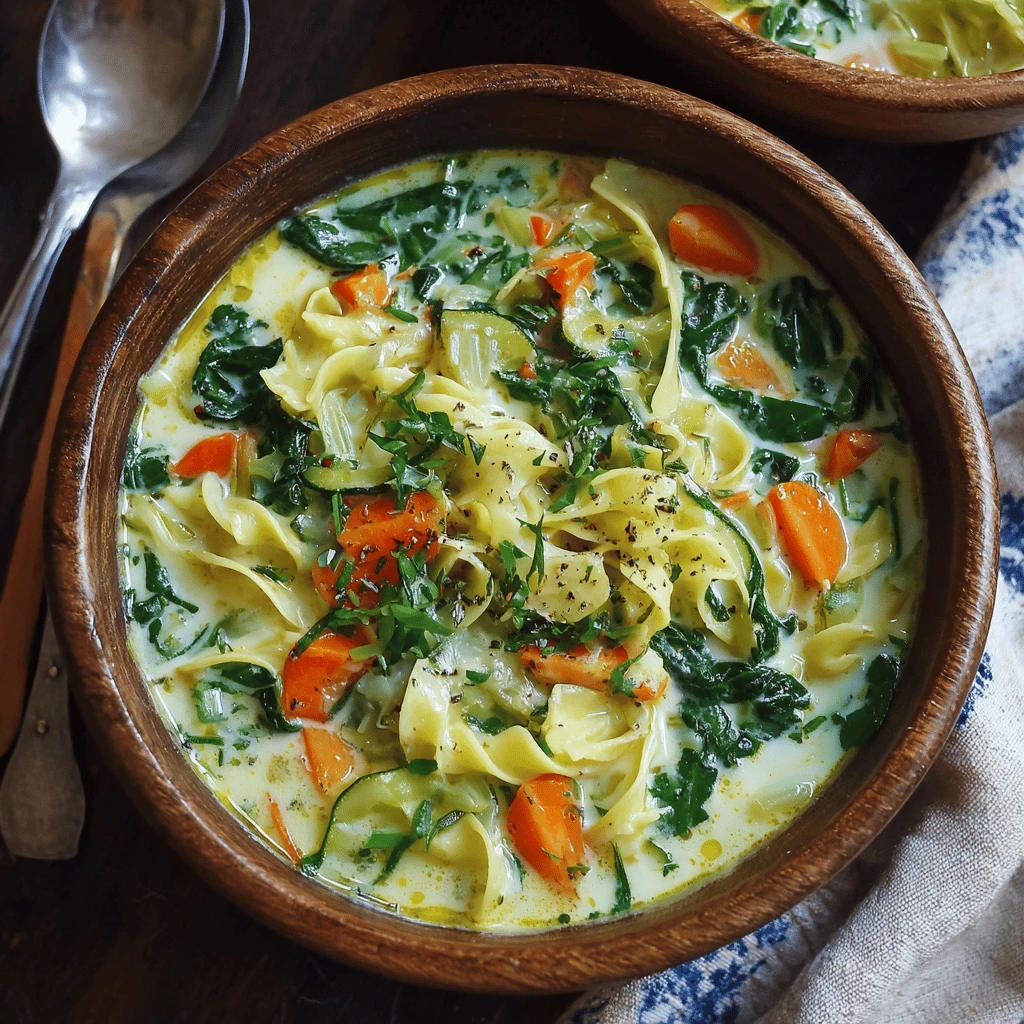
Creamy Vegetable Noodle Soup: A Comforting and Nutritious Delight
Creamy vegetable noodle soup is a culinary hug in a bowl, perfect for chilly evenings or whenever you crave a comforting and nutritious meal. This versatile dish is easily adaptable to your favorite vegetables and dietary preferences, making it a family favorite. This article will guide you through creating the perfect creamy vegetable noodle soup, from selecting your ingredients to mastering the cooking process.
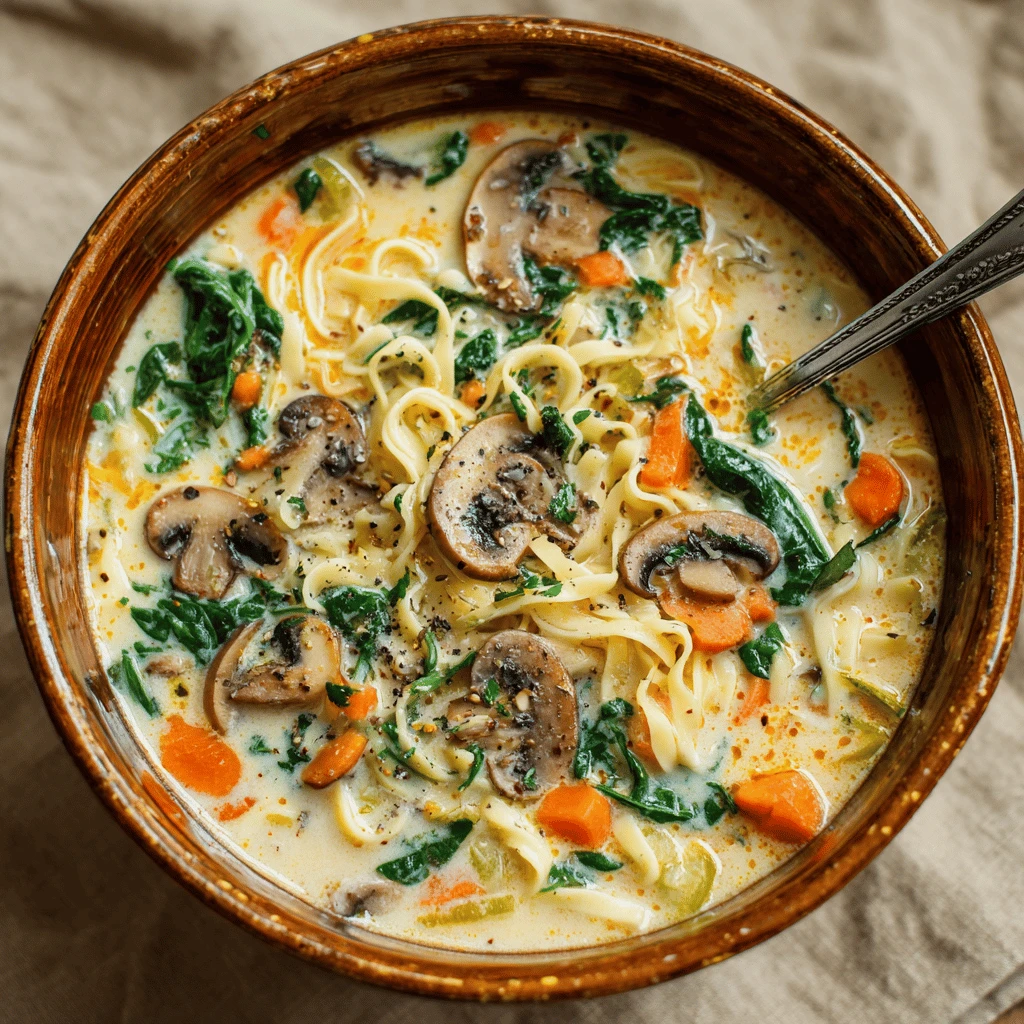
The Foundation: Choosing Your Ingredients
The beauty of creamy vegetable noodle soup lies in its flexibility. The base typically consists of aromatic vegetables, noodles, and a creamy broth. Let’s explore the options for each:
Selecting Your Vegetables
The possibilities are endless! Consider a combination of textures and flavors for a well-rounded soup. Some popular choices include:
- Aromatics: Onions, garlic, celery, and carrots form the flavor base of many soups. Sautéing them in butter or olive oil at the beginning of the cooking process unlocks their sweetness and creates a rich foundation.
- Hearty Vegetables: Potatoes, sweet potatoes, parsnips, and turnips add body and substance to the soup. They can be diced into small pieces for even cooking.
- Leafy Greens: Spinach, kale, and chard provide vitamins and minerals. Add them towards the end of the cooking process to prevent them from becoming overcooked and mushy.
- Other Vegetables: Broccoli, cauliflower, bell peppers, zucchini, corn, peas, and green beans can be added based on your preference and seasonal availability.
- Mushrooms: Add umami depth of flavor to the soup. Consider varieties like cremini, shiitake, or button mushrooms.
When choosing vegetables, prioritize fresh, seasonal produce whenever possible. Frozen vegetables are also a convenient and nutritious option, especially when fresh produce is not readily available.
Noodles: The Heart of the Soup
The type of noodle you choose will influence the texture and overall character of the soup.
- Egg Noodles: Classic choice that provides a satisfying chewiness and richness. Opt for wide or medium egg noodles for the best texture.
- Pasta: Ditalini, macaroni, shells, or rotini are great options.
- Asian Noodles: Ramen, udon, or soba noodles can add an interesting twist to the traditional recipe. Adjust the cooking time accordingly.
- Gluten-Free Noodles: Rice noodles, quinoa noodles, or chickpea pasta are excellent gluten-free alternatives.
Consider the cooking time of your chosen noodles. Some noodles cook faster than others, so add them to the soup at the appropriate time to ensure they are perfectly cooked and not mushy.
Choosing the Creamy Base
The creamy element is what elevates this soup from ordinary to extraordinary. Here are a few options for achieving that luscious texture:
- Heavy Cream: Provides the richest and most decadent flavor. Add a small amount at the end of the cooking process to prevent curdling.
- Half-and-Half: A lighter alternative to heavy cream, still providing a good level of creaminess.
- Milk: Use whole milk or 2% milk for a lighter option. Consider adding a cornstarch slurry (cornstarch mixed with cold water) to help thicken the soup.
- Coconut Milk: A dairy-free option that adds a subtle sweetness and richness. Full-fat coconut milk will provide the best creaminess.
- Cashew Cream: A vegan option made by blending soaked cashews with water.
- Pureed Vegetables: Pureeing a portion of the cooked vegetables, such as potatoes or cauliflower, can create a naturally creamy texture without adding any dairy.
Mastering the Cooking Process
Now that you’ve gathered your ingredients, let’s dive into the cooking process.
Building the Flavor Base
1. Sauté the Aromatics: In a large pot or Dutch oven, melt butter or heat olive oil over medium heat. Add the chopped onions, garlic, celery, and carrots. Sauté until softened, about 5-7 minutes.
2. Add the Broth: Pour in vegetable broth or chicken broth. Bring to a simmer.
3. Add Hearty Vegetables: Add the potatoes, sweet potatoes, parsnips, and turnips (if using). Simmer until tender, about 10-15 minutes.
Adding the Noodles and Remaining Vegetables
1. Add Noodles: Add the noodles to the pot. Cook according to package directions.
2. Add Other Vegetables: Add the broccoli, cauliflower, bell peppers, zucchini, corn, peas, and green beans (if using). Cook until tender-crisp, about 5-7 minutes.
3. Add Leafy Greens: Stir in the spinach, kale, or chard (if using). Cook until wilted, about 1-2 minutes.
Creating the Creamy Texture
1. Stir in Creamy Element: Stir in the heavy cream, half-and-half, milk, coconut milk, or cashew cream (if using).
2. Puree for Creaminess (Optional): If using pureed vegetables to thicken the soup, remove about 2 cups of the soup and blend it until smooth. Return the pureed soup to the pot and stir well.
3. Season and Adjust: Season with salt, pepper, and any other desired herbs or spices, such as thyme, rosemary, or parsley. Taste and adjust seasonings as needed.
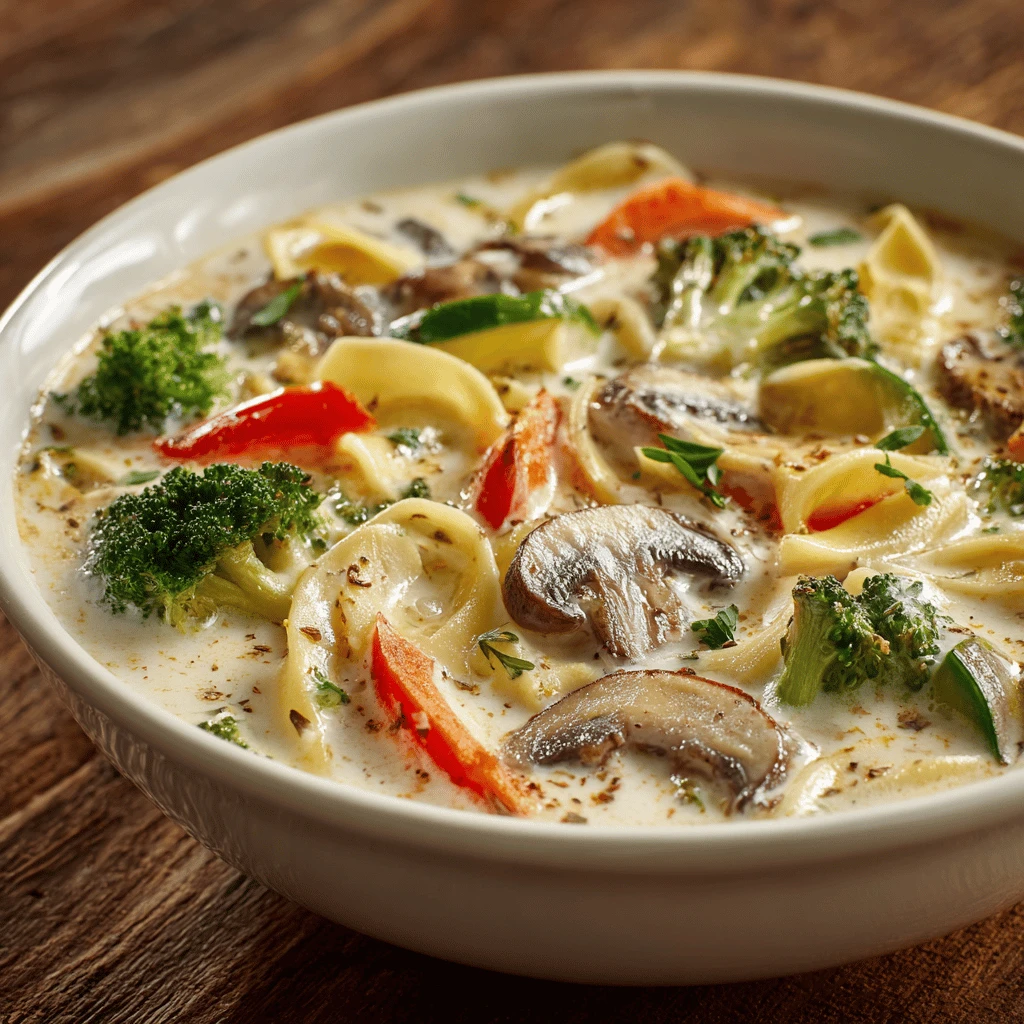
Tips for Success and Customization
Enhancing Flavor
- Use High-Quality Broth: A good quality broth is essential for a flavorful soup. Homemade broth is ideal, but store-bought options are also available. Look for low-sodium varieties to control the salt content.
- Add Herbs and Spices: Experiment with different herbs and spices to customize the flavor of your soup. Bay leaves, thyme, rosemary, parsley, oregano, and paprika are all excellent choices.
- Deglaze the Pot: After sautéing the aromatics, deglaze the pot with a splash of white wine or lemon juice to add depth of flavor.
- Add a Touch of Acid: A squeeze of lemon juice or a splash of vinegar at the end of cooking can brighten the flavors of the soup.
Dietary Considerations
- Vegan: Use vegetable broth, coconut milk or cashew cream, and gluten-free noodles.
- Gluten-Free: Use gluten-free noodles, such as rice noodles, quinoa noodles, or chickpea pasta.
- Low-Sodium: Use low-sodium broth and avoid adding too much salt.
- Dairy-Free: Use coconut milk or cashew cream.
Storage and Reheating
- Storage: Store leftover soup in an airtight container in the refrigerator for up to 3-4 days.
- Reheating: Reheat the soup in a saucepan over medium heat until heated through. Avoid boiling, as this can cause the cream to curdle. You can also reheat the soup in the microwave.
Serving Suggestions and Variations
Serving Suggestions
- Garnish: Top with fresh herbs, such as parsley, dill, or chives. A dollop of sour cream or Greek yogurt is also a nice addition.
- Bread: Serve with crusty bread, rolls, or grilled cheese sandwiches.
- Side Salad: Pair with a side salad for a complete and satisfying meal.
Variations
- Chicken Vegetable Noodle Soup: Add shredded cooked chicken to the soup for a protein boost.
- Turkey Vegetable Noodle Soup: Use shredded cooked turkey instead of chicken.
- Spicy Vegetable Noodle Soup: Add a pinch of red pepper flakes or a dash of hot sauce for a spicy kick.
- Lemon Chicken Orzo Soup: A tangy and refreshing twist on the classic soup.
- Tomato Based Vegetable Noodle Soup: Add diced tomatoes and a can of tomato paste for a tomato-based version.
FAQ
Can I freeze creamy vegetable noodle soup?
Freezing creamy soups can be tricky because the cream may separate and become grainy upon thawing. If you plan to freeze the soup, it’s best to add the cream after thawing and reheating.
What kind of noodles are best for vegetable noodle soup?
Egg noodles are a classic choice, but you can use any type of noodle you prefer, such as ditalini, macaroni, shells, or rotini. Consider the cooking time of the noodles to ensure they don’t become overcooked.
How can I thicken my vegetable noodle soup without cream?
You can thicken vegetable noodle soup by pureeing a portion of the cooked vegetables, adding a cornstarch slurry, or using a roux (flour and butter cooked together).
What vegetables go well in vegetable noodle soup?
The possibilities are endless! Popular choices include onions, garlic, celery, carrots, potatoes, sweet potatoes, broccoli, cauliflower, bell peppers, zucchini, corn, peas, green beans, spinach, kale, and chard.
How do I prevent the noodles from getting mushy?
Add the noodles to the soup at the appropriate time, according to package directions. Avoid overcooking the noodles.
How long does vegetable noodle soup last in the refrigerator?
Vegetable noodle soup will last for 3-4 days in the refrigerator when stored in an airtight container.