
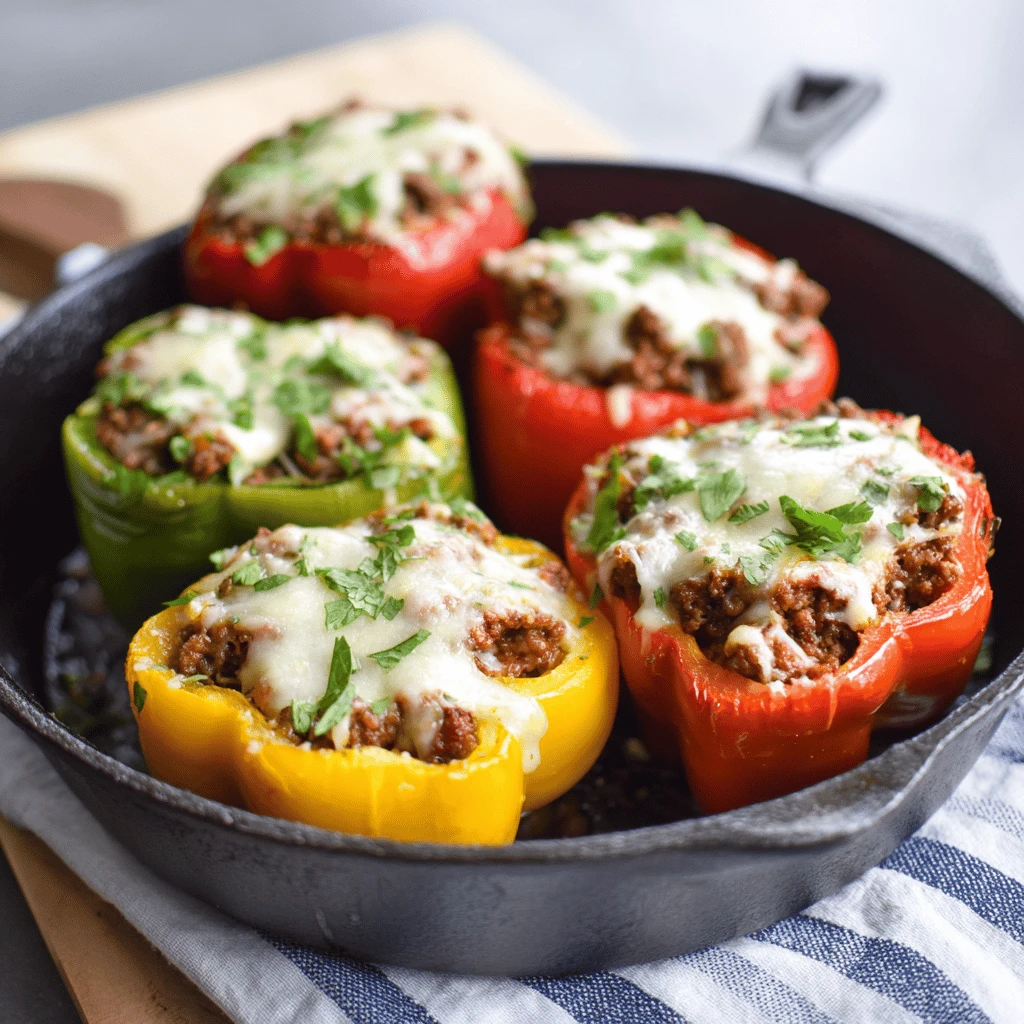
Healthy Stuffed Ground Beef Stuffed Peppers
Stuffed peppers are a classic comfort food, but they can often be loaded with unnecessary calories and unhealthy fats. This recipe offers a healthy and delicious twist, featuring lean ground beef, vibrant vegetables, and flavorful seasonings. It’s a satisfying meal that’s both nutritious and easy to prepare, perfect for a weeknight dinner or meal prepping for the week.
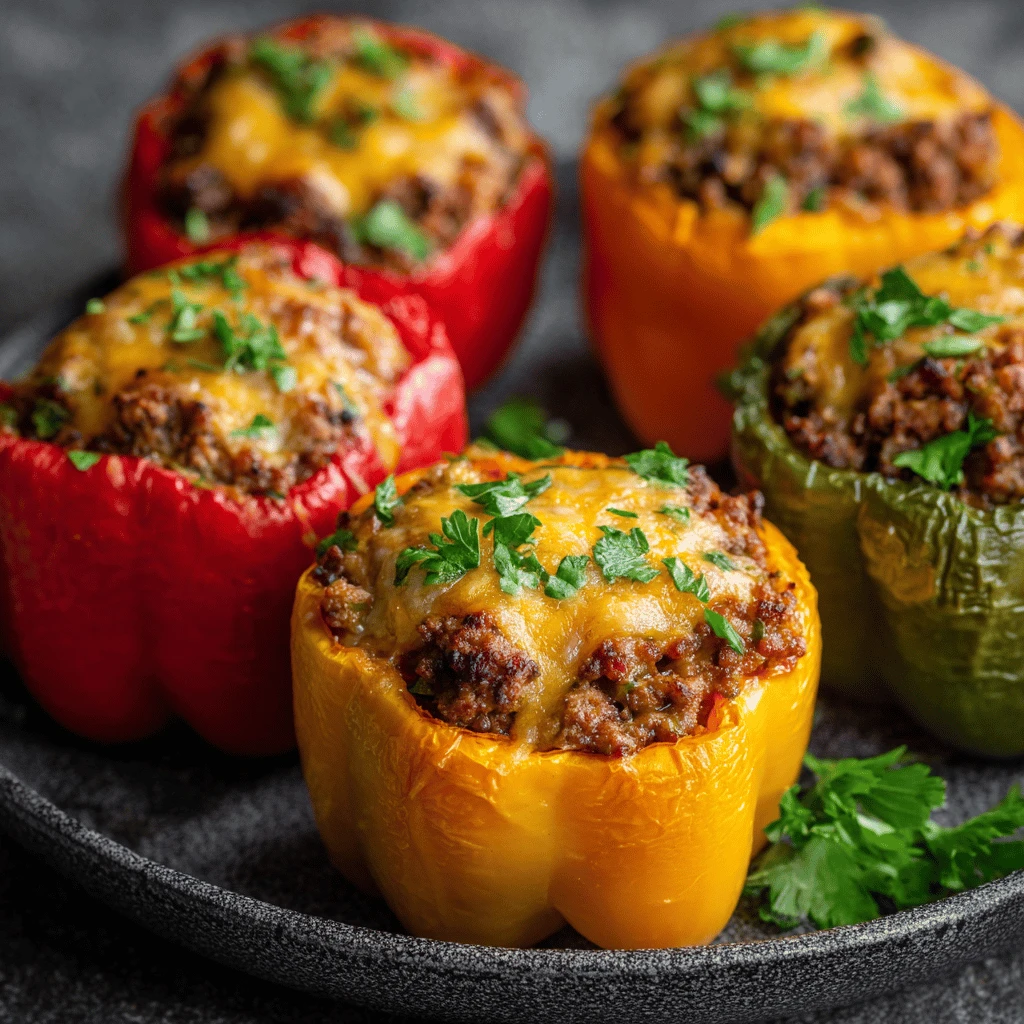
The Benefits of Healthy Stuffed Peppers
Stuffed peppers aren’t just tasty; they’re packed with nutrients. Bell peppers themselves are excellent sources of vitamins A and C, as well as fiber. Lean ground beef provides protein and iron, crucial for energy and muscle health. By incorporating whole grains like brown rice or quinoa, you’ll add complex carbohydrates for sustained energy and even more fiber. Using a variety of vegetables, such as onions, garlic, and tomatoes, further boosts the nutritional profile with antioxidants and essential minerals. Choosing lean ground beef and opting for healthier additions like herbs and spices over excessive salt or cheese makes this a genuinely wholesome meal.
This recipe is also customizable to fit various dietary needs and preferences. For a vegetarian option, simply substitute the ground beef with lentils or black beans. For a low-carb version, cauliflower rice can replace traditional rice. You can also adjust the seasonings to suit your taste, adding a touch of spice with chili flakes or a Mediterranean flair with oregano and feta cheese.
Preparing Your Healthy Stuffed Peppers
The key to delicious stuffed peppers is in the preparation. Start by selecting firm, brightly colored bell peppers. Red, yellow, and orange peppers tend to be sweeter than green peppers, but feel free to use a mix for visual appeal. To prepare the peppers, carefully slice them in half lengthwise from stem to end, or remove the tops and hollow out the insides, removing the seeds and membranes. If you’re slicing them lengthwise, you’ll create two “boats” for the filling. This method is often preferred as it allows for more even cooking.
The filling is where the magic happens. Begin by browning the lean ground beef in a large skillet over medium heat. Drain off any excess grease to reduce the fat content. Add diced onion and garlic to the skillet and cook until softened and fragrant. Next, stir in your choice of vegetables, such as diced tomatoes, zucchini, or mushrooms. Season generously with herbs and spices like chili powder, smoked paprika, oregano, and basil. Incorporate cooked brown rice or quinoa into the mixture for added bulk and fiber.
The Recipe: Step-by-Step Guide
This recipe provides a foundational framework that you can adapt to your own taste preferences.
Ingredients:
- 4 bell peppers (any color), halved lengthwise or tops removed
- 1 pound lean ground beef
- 1 medium onion, diced
- 2 cloves garlic, minced
- 1 (14.5 ounce) can diced tomatoes, undrained
- 1/2 cup cooked brown rice or quinoa
- 1 teaspoon chili powder
- 1/2 teaspoon smoked paprika
- 1/4 teaspoon dried oregano
- Salt and pepper to taste
- Optional: Shredded cheddar or mozzarella cheese (reduced-fat), fresh parsley for garnish
Instructions:
1. Prepare the Peppers: Preheat oven to 375°F (190°C). Prepare the bell peppers by slicing them lengthwise or removing the tops and hollowing them out.
2. Cook the Ground Beef: In a large skillet, brown the ground beef over medium heat. Drain off any excess grease.
3. Sauté Vegetables: Add diced onion and minced garlic to the skillet and cook until softened, about 5 minutes.
4. Combine Ingredients: Stir in the diced tomatoes (undrained), cooked brown rice or quinoa, chili powder, smoked paprika, oregano, salt, and pepper. Mix well.
5. Stuff the Peppers: Fill each pepper half (or whole pepper) with the ground beef mixture. Pack the filling in firmly.
6. Bake: Arrange the stuffed peppers in a baking dish. Add about 1/2 cup of water to the bottom of the dish to prevent sticking and help steam the peppers.
7. Bake: Cover the baking dish with foil and bake for 30 minutes. Remove the foil and bake for another 15-20 minutes, or until the peppers are tender.
8. Add Cheese (Optional): If desired, sprinkle shredded cheese over the top of the peppers during the last 5 minutes of baking.
9. Garnish and Serve: Garnish with fresh parsley and serve hot.
Variations and Customization
One of the great things about stuffed peppers is their versatility. Don’t be afraid to experiment with different ingredients and flavor combinations to create your own signature dish. Consider these variations:
- Mediterranean Stuffed Peppers: Add crumbled feta cheese, chopped olives, and a sprinkle of oregano to the filling for a Mediterranean twist.
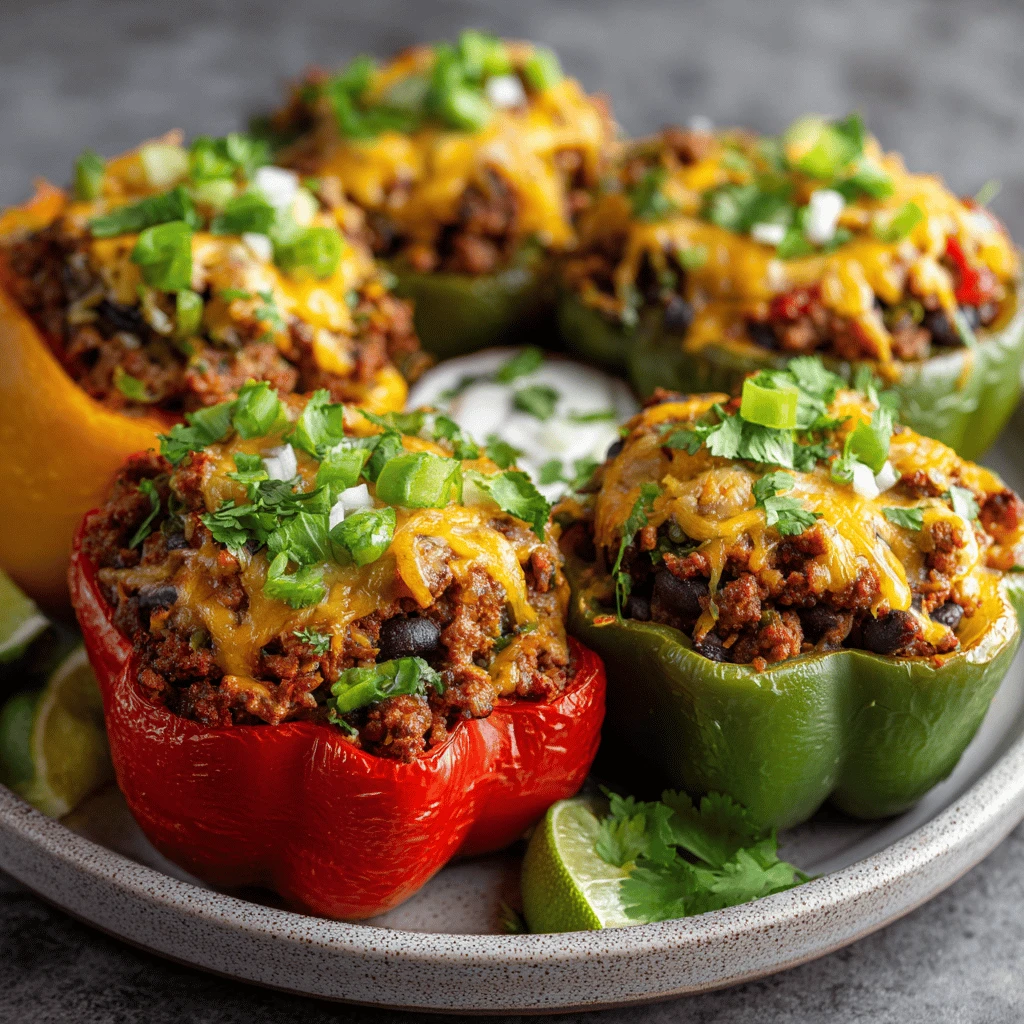
- Mexican Stuffed Peppers: Use ground turkey or chicken instead of beef, and add corn, black beans, and a dash of cumin to the filling. Top with salsa and a dollop of plain Greek yogurt.
- Italian Stuffed Peppers: Use Italian sausage instead of ground beef, and add spinach, ricotta cheese, and a pinch of red pepper flakes to the filling.
- Vegetarian Stuffed Peppers: Substitute the ground beef with lentils, black beans, or crumbled tofu. Add extra vegetables like mushrooms, zucchini, or eggplant.
- Low-Carb Stuffed Peppers: Replace the rice or quinoa with cauliflower rice. You can also add more vegetables to increase the bulk of the filling.
Tips for Success:
- Don’t overcook the peppers. They should be tender but still hold their shape.
- Use a meat thermometer to ensure the ground beef is cooked through.
- If you’re using a lot of liquid ingredients, you may need to drain some of the excess liquid from the filling before stuffing the peppers.
- Stuffed peppers can be made ahead of time and refrigerated for up to 24 hours before baking.
- Leftovers can be stored in the refrigerator for up to 3 days.
Serving and Storing
Stuffed peppers are a complete meal on their own, but they also pair well with a variety of side dishes. Consider serving them with a side salad, steamed vegetables, or a crusty bread for dipping in the sauce. They are also delightful as a meal prep option, as they reheat well and maintain their flavor over time.
To store leftover stuffed peppers, allow them to cool completely before transferring them to an airtight container. Store them in the refrigerator for up to 3 days. To reheat, you can microwave them, bake them in the oven, or pan-fry them. Microwaving is the quickest option, but baking will help retain the original texture. To bake, preheat your oven to 350°F (175°C) and bake for 15-20 minutes, or until heated through. Pan-frying will create a slightly crispy exterior.
Frequently Asked Questions (FAQ)
Q: Can I freeze stuffed peppers?
A: Yes, stuffed peppers freeze well. To freeze, allow the cooked peppers to cool completely. Wrap them individually in plastic wrap, then place them in a freezer-safe bag or container. They can be frozen for up to 2-3 months. Thaw them overnight in the refrigerator before reheating.
Q: Can I make stuffed peppers ahead of time?
A: Absolutely! You can prepare the filling and stuff the peppers a day ahead of time. Store them covered in the refrigerator and bake them just before serving.
Q: What is the best type of rice to use for stuffed peppers?
A: Brown rice is a healthy and nutritious option that adds a nutty flavor to the filling. White rice can also be used, but it is less nutritious. Quinoa is a great gluten-free alternative.
Q: How do I prevent the peppers from becoming soggy?
A: Avoid overfilling the peppers and drain any excess liquid from the filling before stuffing. Adding a small amount of water to the bottom of the baking dish helps steam the peppers without making them soggy.
Q: Can I use ground turkey or chicken instead of ground beef?
A: Yes, ground turkey or chicken can be used as a leaner alternative to ground beef. The cooking time will be similar.
Q: How can I make this recipe vegetarian?
A: To make vegetarian stuffed peppers, substitute the ground beef with lentils, black beans, or crumbled tofu. You can also add extra vegetables like mushrooms, zucchini, or eggplant.