
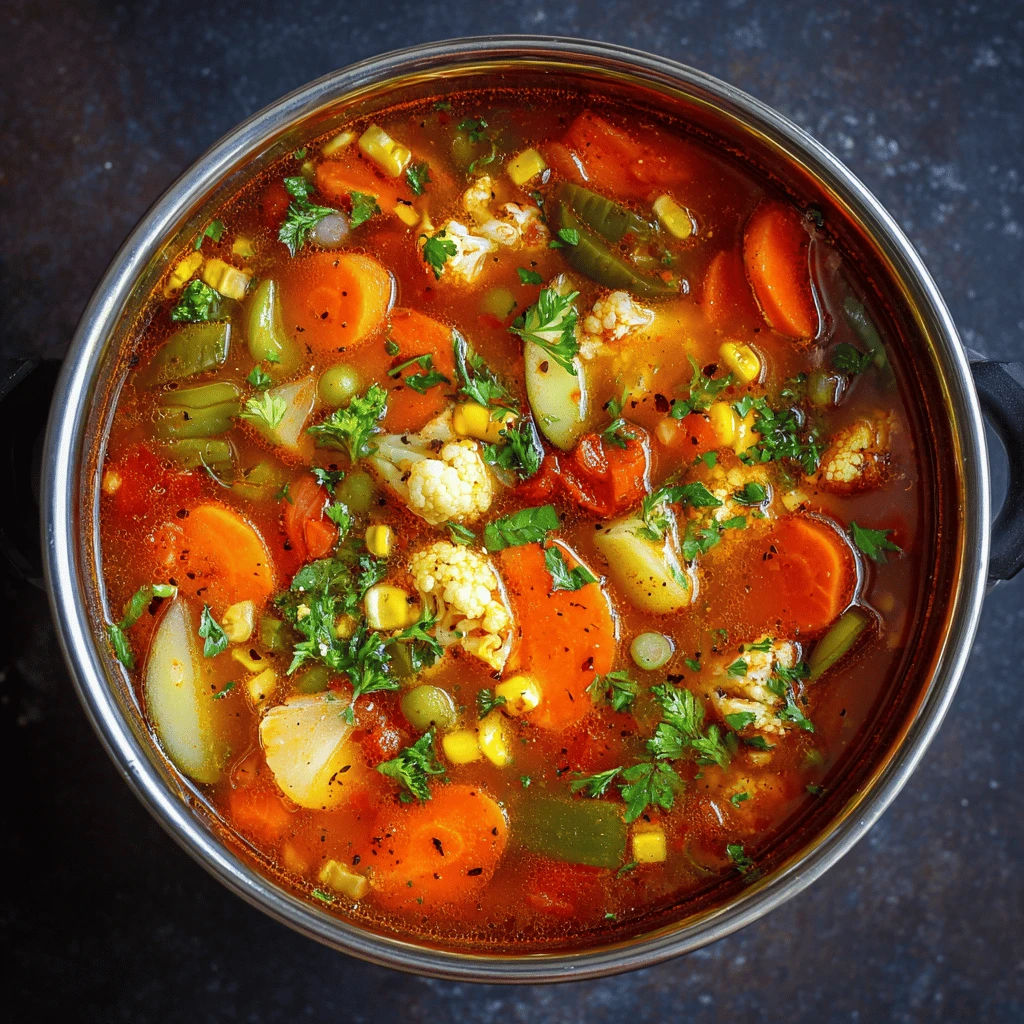
One-Pot Vegetable Meal Prep Soup
One-pot vegetable meal prep soup is a game-changer for busy individuals seeking healthy, convenient, and delicious meals throughout the week. This customizable recipe not only simplifies cooking but also ensures a nutritious and balanced diet. Say goodbye to processed foods and hello to vibrant, homemade goodness that’s ready whenever you are.
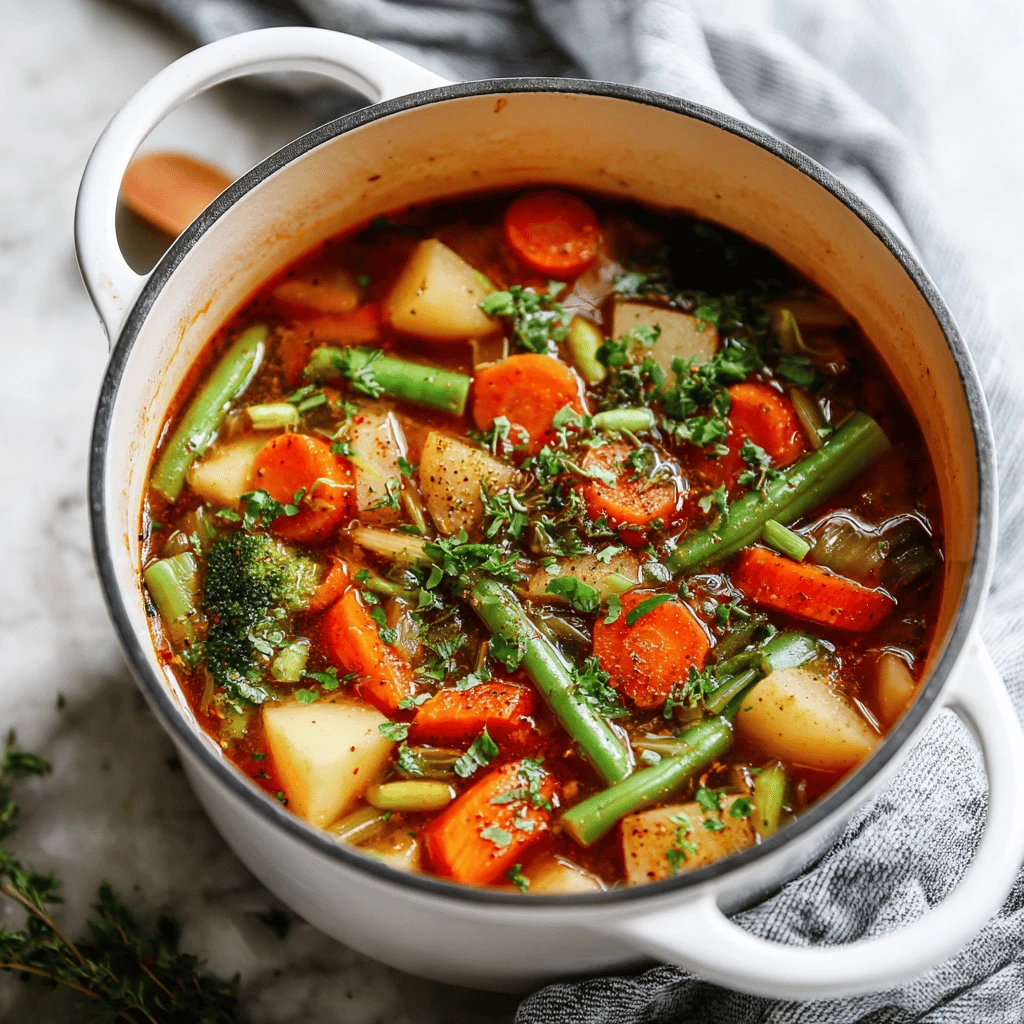
Why One-Pot Vegetable Soup is Perfect for Meal Prep
Meal prepping can often feel overwhelming with numerous pots, pans, and containers cluttering the kitchen. The beauty of one-pot soup lies in its simplicity: everything cooks together in a single pot, minimizing cleanup and maximizing efficiency. This makes it an ideal choice for those with limited time or kitchen space.
Beyond convenience, one-pot vegetable soup is a nutritional powerhouse. Packed with vitamins, minerals, and fiber from a variety of vegetables, it supports overall health and well-being. The high water content also contributes to hydration, which is crucial for maintaining energy levels and proper bodily functions. Moreover, vegetable soup is naturally low in calories and fat, making it an excellent option for weight management. By customizing the ingredients, you can easily tailor the soup to your specific dietary needs and preferences, ensuring a truly personalized and nourishing meal.
Choosing Your Vegetables: A Guide to Flavor and Nutrition
The key to a delicious and satisfying one-pot vegetable soup lies in the selection of high-quality vegetables. The possibilities are endless, allowing you to experiment with different flavors and textures. Consider incorporating a mix of root vegetables, leafy greens, and cruciferous vegetables for a balanced nutritional profile.
Root Vegetables: Carrots, potatoes, sweet potatoes, parsnips, and turnips provide a hearty base for the soup. They add sweetness, earthiness, and valuable nutrients such as beta-carotene, vitamin C, and potassium. Diced into uniform pieces, they cook evenly and contribute to a satisfying texture.
Leafy Greens: Spinach, kale, Swiss chard, and collard greens are excellent sources of vitamins A, C, and K, as well as fiber and antioxidants. Add them towards the end of the cooking process to prevent them from becoming overly wilted. Their vibrant color and slightly bitter taste add depth to the soup’s flavor.
Cruciferous Vegetables: Broccoli, cauliflower, Brussels sprouts, and cabbage are rich in glucosinolates, compounds that have been linked to cancer prevention. They offer a slightly pungent flavor and a satisfying crunch. Roasting them before adding them to the soup can enhance their sweetness and complexity.
Other Vegetables: Don’t limit yourself to the above categories. Onions, garlic, celery, bell peppers, zucchini, and tomatoes can all contribute unique flavors and textures to the soup. Consider adding mushrooms for an umami boost or beans and lentils for added protein and fiber.
The Recipe: A Step-by-Step Guide
This recipe provides a basic framework that you can customize to your liking. Feel free to substitute vegetables, adjust seasoning, and add protein sources as desired.
Ingredients:
- 1 tablespoon olive oil
- 1 onion, chopped
- 2 cloves garlic, minced
- 2 carrots, chopped
- 2 celery stalks, chopped
- 1 teaspoon dried thyme
- 1 teaspoon dried oregano
- 6 cups vegetable broth
- 1 (14.5 ounce) can diced tomatoes, undrained
- 1 cup chopped potatoes
- 1 cup chopped zucchini
- 1 cup chopped green beans
- 1 cup chopped spinach
- Salt and pepper to taste
- Optional: cooked beans, lentils, or pasta
Instructions:
1. Heat olive oil in a large pot or Dutch oven over medium heat. Add onion and garlic and cook until softened, about 5 minutes.
2. Add carrots and celery and cook for another 3 minutes.
3. Stir in thyme and oregano and cook for 1 minute more.
4. Pour in vegetable broth and diced tomatoes. Bring to a boil, then reduce heat and simmer for 15 minutes.
5. Add potatoes, zucchini, and green beans. Simmer for another 10 minutes, or until vegetables are tender.
6. Stir in spinach and cook until wilted, about 2 minutes.
7. Season with salt and pepper to taste.
8. If desired, add cooked beans, lentils, or pasta during the last few minutes of cooking.
9. Serve hot.
Tips and Variations:
- For a richer flavor, roast the vegetables before adding them to the soup.
- Add a splash of lemon juice or vinegar at the end to brighten the flavor.
- Use an immersion blender to partially blend the soup for a creamier texture.
- Add a dollop of plain Greek yogurt or sour cream for added richness.
- Garnish with fresh herbs, such as parsley or cilantro.
- To make a heartier soup, add cooked chicken, sausage, or tofu.
Meal Prep and Storage: Keeping Your Soup Fresh
One-pot vegetable soup is incredibly convenient for meal prepping. Once the soup has cooled, portion it into individual containers. Ensure the containers are airtight to prevent spoilage.
Storage:
- Refrigerator: Store the soup in the refrigerator for up to 4-5 days.
- Freezer: For longer storage, freeze the soup in freezer-safe containers or bags for up to 2-3 months. Thaw overnight in the refrigerator before reheating.
Reheating:
- Stovetop: Reheat the soup in a pot over medium heat, stirring occasionally, until heated through.
- Microwave: Reheat individual portions in the microwave, stirring every minute, until heated through.
Tips for Successful Meal Prep:
- Allow the soup to cool completely before storing it to prevent condensation, which can lead to spoilage.
- Label each container with the date of preparation to keep track of freshness.
- When freezing, leave some headspace in the containers to allow for expansion.
- Consider using reusable containers to reduce waste.
One-Pot Vegetable Soup: Health Benefits
One-pot vegetable soup is not only delicious and convenient but also a boon to your health. The inherent nutritional benefits of the soup stem from its abundance of vegetables. These benefits include boosting immunity, improving digestion, and promoting weight management.
Immunity Booster: With a rich array of vitamins and minerals, including vitamin C from tomatoes, peppers, and leafy greens, one-pot vegetable soup can give your immune system a substantial lift. These nutrients bolster your body’s defense mechanisms, helping ward off infections and illnesses.
Digestive Health: The high fiber content of vegetables like broccoli, carrots, and beans contributes significantly to digestive health. Fiber promotes regular bowel movements, prevents constipation, and supports a healthy gut microbiome. A well-functioning digestive system is crucial for nutrient absorption and overall wellness.
Weight Management: Low in calories but high in volume, vegetable soup is an excellent choice for weight management. The fiber and water content create a feeling of fullness, which can help curb overeating. Incorporating one-pot vegetable soup into your diet can support your weight loss or maintenance goals without sacrificing flavor or satisfaction.
Antioxidant Power: Vegetables are packed with antioxidants that combat free radicals, protecting your cells from damage and reducing the risk of chronic diseases. The variety of colors in vegetables also represents a variety of antioxidants, offering comprehensive protection.
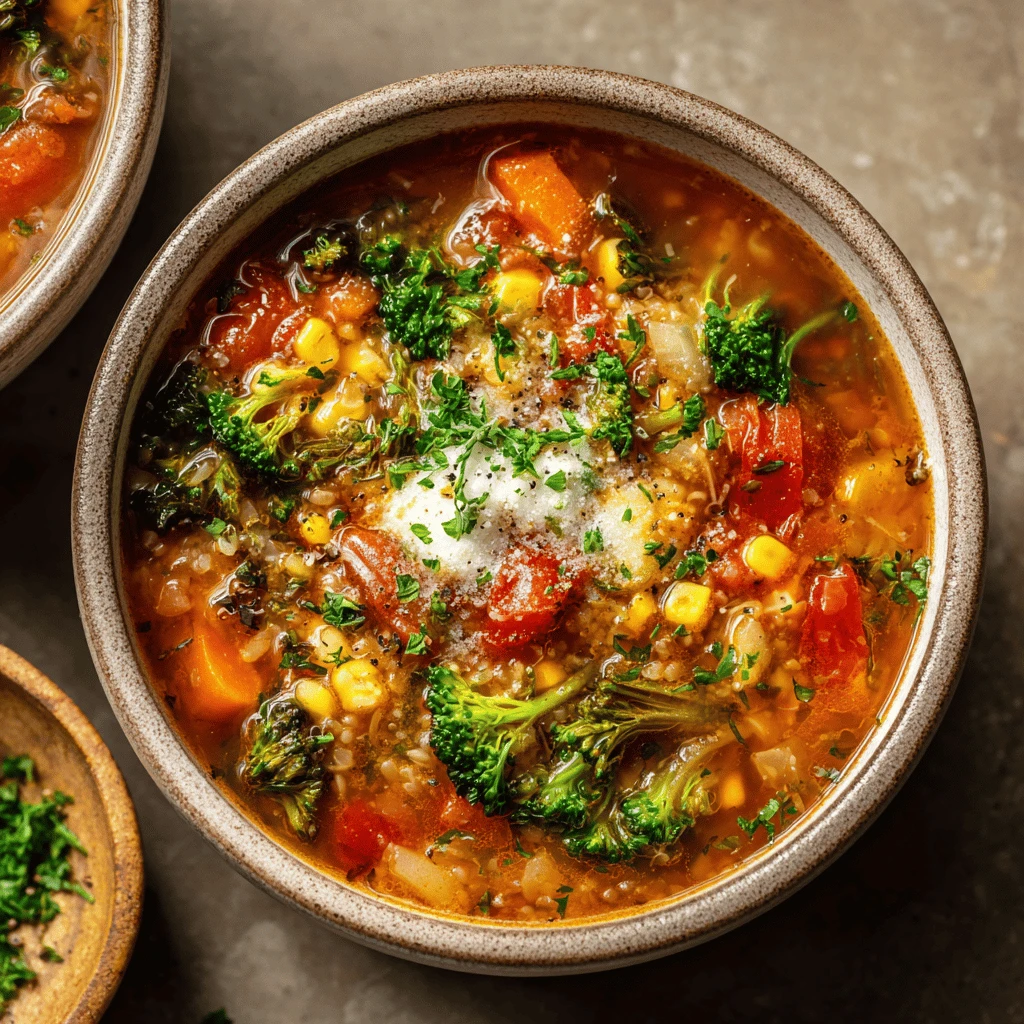
FAQs About One-Pot Vegetable Soup
Q: Can I use frozen vegetables in this soup?
A: Yes, frozen vegetables are a great option, especially when fresh produce is not readily available. Add them towards the end of the cooking process, as they cook faster than fresh vegetables.
Q: How can I make this soup vegetarian/vegan?
A: This recipe is naturally vegetarian. To make it vegan, ensure you are using vegetable broth (not chicken or beef). You can also add plant-based protein sources like lentils, beans, or tofu to make it more filling.
Q: Can I add meat to this soup?
A: Absolutely! Cooked chicken, sausage, or ground beef can be added to the soup for extra protein. Brown the meat separately before adding it to the pot with the vegetables.
Q: How long does this soup last?
A: When stored properly in an airtight container, the soup can last for 4-5 days in the refrigerator and up to 2-3 months in the freezer.
Q: Can I make this soup in a slow cooker?
A: Yes, you can adapt this recipe for a slow cooker. Sauté the onions, garlic, carrots, and celery in a pan before transferring them to the slow cooker along with the remaining ingredients. Cook on low for 6-8 hours or on high for 3-4 hours.