
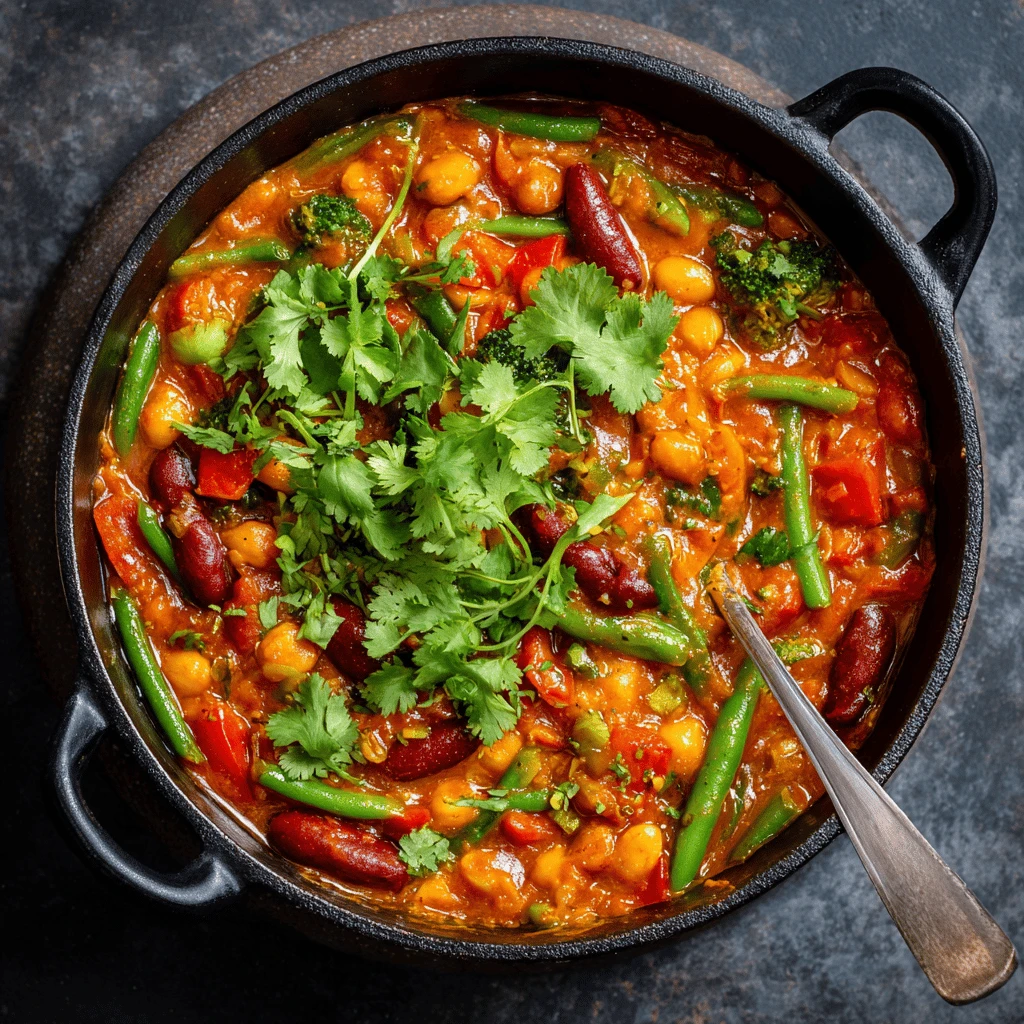
Healthy One-Pot Beans Curry
Beans are a nutritional powerhouse, and a curry is a comforting classic. Combining them into a one-pot dish is not only healthy but also incredibly convenient. This recipe delivers a hearty, flavorful, and satisfying meal with minimal cleanup. Dive into the world of delicious and nutritious one-pot bean curries!
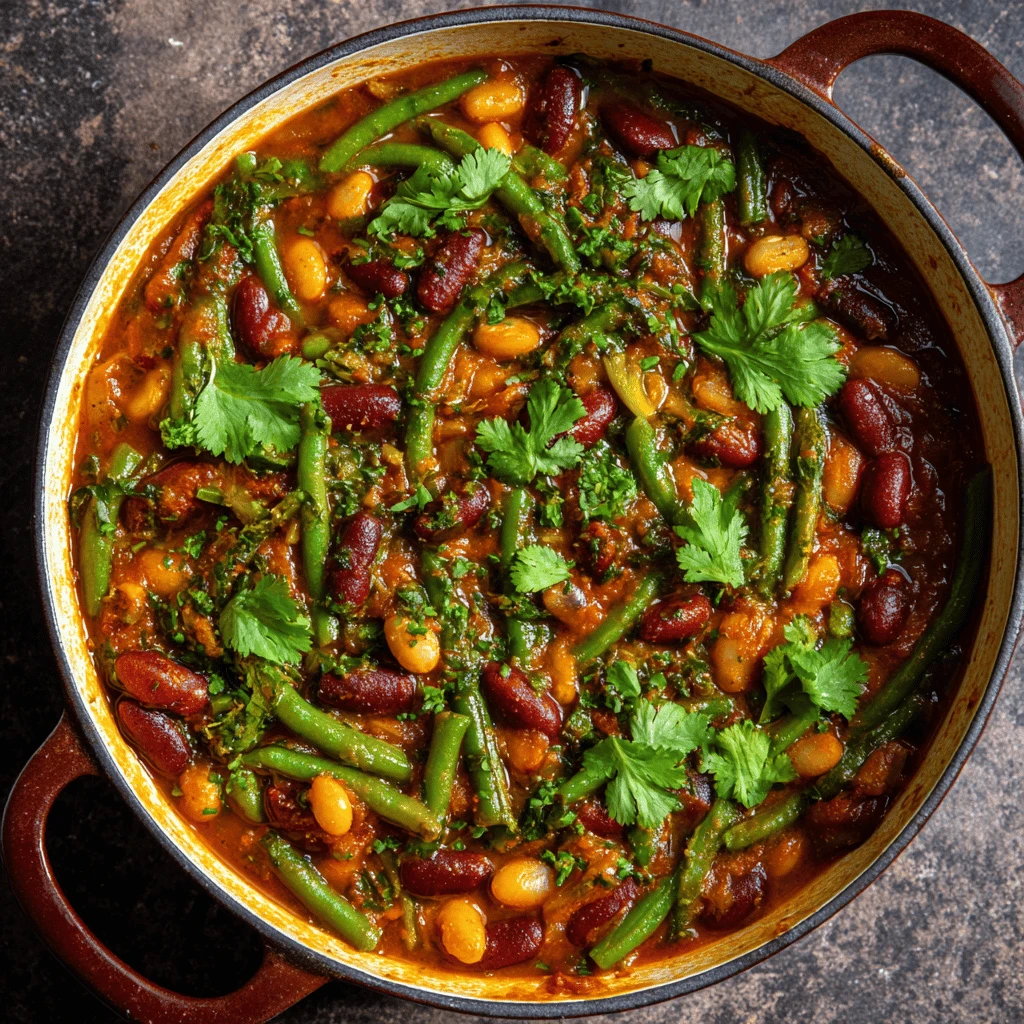
Why Beans Are a Nutritional Superfood
Beans, also known as legumes, are a fantastic source of plant-based protein, fiber, and complex carbohydrates. They are also packed with essential vitamins and minerals, making them a cornerstone of a healthy diet.
Protein Powerhouse
Beans are an excellent alternative to animal protein, providing a substantial amount of protein per serving. This makes them ideal for vegetarians, vegans, and anyone looking to reduce their meat consumption. The protein in beans helps build and repair tissues, supports enzyme and hormone production, and contributes to overall health.
Fiber-Rich Goodness
The high fiber content in beans aids digestion, promotes gut health, and helps regulate blood sugar levels. Fiber also contributes to feelings of fullness, which can assist in weight management. Incorporating beans into your diet can lead to improved digestive health and reduced risk of chronic diseases.
Essential Vitamins and Minerals
Beans are rich in vital nutrients such as iron, folate, potassium, and magnesium. Iron is crucial for oxygen transport in the blood, folate is essential for cell growth and development, potassium helps regulate blood pressure, and magnesium supports muscle and nerve function. These nutrients play key roles in maintaining overall health and well-being.
Crafting the Perfect One-Pot Beans Curry: A Step-by-Step Guide
Creating a flavorful and nutritious one-pot beans curry is easier than you might think. This guide provides a step-by-step approach to ensure a delicious and satisfying meal.
Choosing Your Beans
The foundation of any great bean curry is, of course, the beans! You have a plethora of options, each with its own unique flavor and texture.
- Kidney Beans: Known for their robust flavor and creamy texture, kidney beans are a classic choice for curries. They hold their shape well during cooking.
- Chickpeas: Also called garbanzo beans, chickpeas have a nutty flavor and a slightly firm texture. They add a delightful heartiness to curries.
- Black Beans: These beans have a mild, slightly sweet flavor and a smooth, creamy texture. They add a beautiful dark color to your curry.
- Cannellini Beans: Also known as white kidney beans, cannellini beans have a delicate flavor and a creamy texture. They are excellent at absorbing flavors from the curry sauce.
- Lentils: Although technically not beans, lentils cook quickly and add a wonderful earthy flavor and thick texture to the curry. Both red and brown lentils work well.
Consider using a mix of beans for a more complex and interesting flavor profile. Canned beans are convenient, but dried beans (soaked overnight) offer superior flavor and texture.
Ingredients for a Flavorful Curry
A well-balanced combination of spices and fresh ingredients is key to a delicious curry. Here’s a list of essentials:
- Aromatic Base: Onion, garlic, and ginger form the flavorful base of the curry. Sauté them in oil until fragrant.
- Spices: Turmeric, cumin, coriander, chili powder (or cayenne pepper), and garam masala are the essential spices for a traditional curry flavor. Adjust the amount of chili powder to your preferred level of heat.
- Tomatoes: Diced tomatoes or tomato paste add acidity and depth of flavor to the curry. Canned diced tomatoes are a convenient option.
- Coconut Milk: Coconut milk adds creaminess and richness to the curry. Use full-fat coconut milk for a richer flavor or light coconut milk for a lighter option.
- Vegetables (Optional): Adding vegetables such as spinach, cauliflower, bell peppers, or potatoes can boost the nutritional value and flavor of the curry.
- Broth or Water: Vegetable broth or water is used to cook the beans and create the curry sauce.
- Fresh Herbs: Fresh cilantro or parsley adds a bright, fresh flavor to the finished curry.
- Lemon or Lime Juice: A squeeze of lemon or lime juice brightens the flavors and adds a zesty touch.
The Cooking Process
Follow these steps for a delicious and easy one-pot beans curry:
1. Sauté the Aromatics: Heat oil in a large pot or Dutch oven over medium heat. Add chopped onion and sauté until softened. Add minced garlic and ginger, and sauté for another minute until fragrant.
2. Add Spices: Stir in the turmeric, cumin, coriander, chili powder, and garam masala. Cook for a minute, stirring constantly, until the spices are fragrant. Be careful not to burn the spices.
3. Add Tomatoes: Add diced tomatoes or tomato paste to the pot and cook for a few minutes, stirring occasionally, until the tomatoes have softened and the paste has deepened in color.
4. Add Beans and Liquid: Add the beans (drained and rinsed if using canned), vegetable broth or water, and any optional vegetables. Bring the mixture to a boil, then reduce heat and simmer, covered, until the beans are tender and the vegetables are cooked through. This will take about 30-45 minutes for canned beans or longer for dried beans.
5. Add Coconut Milk: Stir in the coconut milk and simmer for another 5-10 minutes to allow the flavors to meld together.
6. Season and Serve: Season the curry with salt and pepper to taste. Stir in fresh cilantro or parsley and a squeeze of lemon or lime juice. Serve hot, garnished with more fresh herbs if desired.
Variations and Customizations
One of the best things about one-pot beans curry is its versatility. Feel free to experiment with different ingredients and flavors to create your own unique version.
Spice Level
Adjust the amount of chili powder or cayenne pepper to control the heat level of the curry. For a milder curry, use a small amount of chili powder or omit it altogether. For a spicier curry, add more chili powder or a pinch of cayenne pepper. You can also add chopped fresh chili peppers for extra heat.
Vegetable Additions
Adding vegetables to your curry can boost its nutritional value and flavor. Some great options include:
- Spinach: Add fresh spinach towards the end of cooking, stirring until wilted.
- Cauliflower: Add cauliflower florets along with the beans and simmer until tender.
- Bell Peppers: Add chopped bell peppers along with the tomatoes for a sweet and colorful addition.
- Potatoes: Add diced potatoes along with the beans and simmer until tender.
- Sweet Potatoes: Sweet potatoes add a touch of sweetness and a creamy texture to the curry.
Protein Enhancements
While beans are a great source of protein, you can add other protein sources to make the curry even more substantial.
- Tofu: Add cubed tofu along with the beans and simmer until heated through. Use firm or extra-firm tofu for best results.
- Paneer: Paneer, an Indian cheese, adds a creamy and rich flavor to the curry. Add cubed paneer towards the end of cooking and simmer until heated through.
- Tempeh: Tempeh, a fermented soy product, adds a nutty flavor and a chewy texture to the curry. Add cubed tempeh along with the beans and simmer until heated through.
Serving Suggestions
One-pot beans curry can be served in a variety of ways. Here are some popular options:
- Rice: Serve the curry over cooked rice, such as basmati rice, brown rice, or jasmine rice.
- Naan Bread: Serve with warm naan bread for dipping and scooping up the curry.
- Roti: Serve with roti, a type of Indian flatbread.
- Quinoa: For a healthier option, serve the curry over cooked quinoa.
- As a Soup: Enjoy the curry as a hearty and flavorful soup.
Health Benefits and Dietary Considerations
One-pot beans curry is not only delicious but also packed with health benefits. It is suitable for a variety of dietary needs and preferences.
Vegetarian and Vegan Friendly
This dish is naturally vegetarian and can easily be made vegan by ensuring that no animal products are used. Coconut milk is a great dairy-free alternative for adding creaminess.
Gluten-Free Option
The base recipe is gluten-free. However, always double-check the labels of your spices and canned goods to ensure they are certified gluten-free, especially if you have celiac ailment or a gluten intolerance.
Weight Management
Beans are high in fiber and protein, which can help you feel full and satisfied, aiding in weight management. The low calorie and high nutrient density of beans make them a great addition to a balanced diet.
Heart Health
The fiber in beans can help lower cholesterol levels, reducing the risk of cardiovascular problems. Including beans in your diet is a heart-healthy choice.
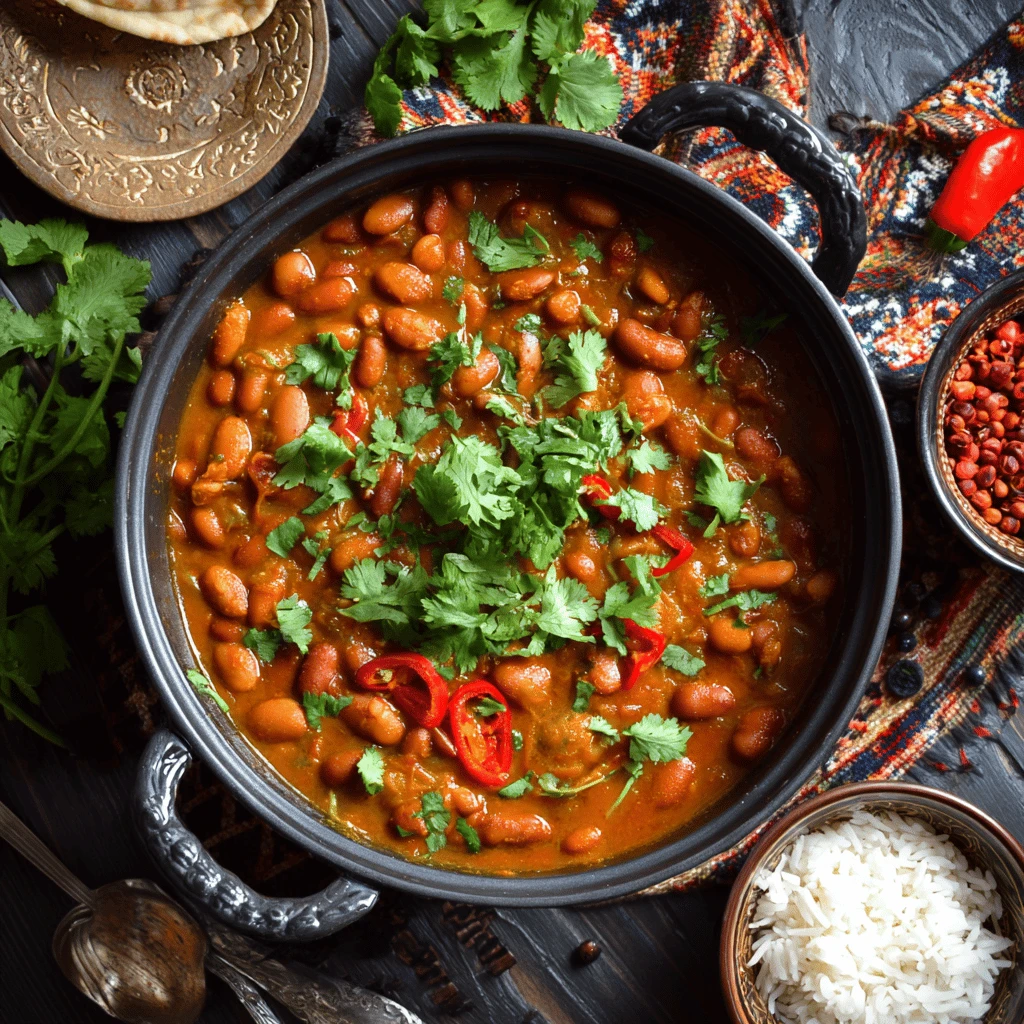
Tips and Tricks for the Best Beans Curry
- Soaking Dried Beans: If using dried beans, soak them overnight in water. This helps reduce cooking time and makes them easier to digest.
- Cooking Time: Cooking time will vary depending on the type of beans used and whether they are canned or dried. Check the beans periodically and add more liquid if needed.
- Spice Blending: Toasting the spices before adding them to the pot can enhance their flavor. Dry-toast the spices in a pan over medium heat for a few minutes until fragrant, then grind them before adding them to the curry.
- Salt Timing: Add salt towards the end of the cooking process, as salt can sometimes toughen the beans if added too early.
- Leftovers: One-pot beans curry tastes even better the next day! Store leftovers in an airtight container in the refrigerator for up to 3-4 days.
Frequently Asked Questions (FAQ)
Q: Can I use different types of beans in this curry?
A: Absolutely! Feel free to experiment with different types of beans to create your own unique flavor combination. Kidney beans, chickpeas, black beans, cannellini beans, and lentils are all great options.
Q: How can I make this curry spicier?
A: To increase the heat, add more chili powder, cayenne pepper, or chopped fresh chili peppers to the curry. Start with a small amount and taste as you go, adjusting to your preference.
Q: Can I freeze this beans curry?
A: Yes, this curry freezes well. Allow it to cool completely before transferring it to an airtight container. It can be stored in the freezer for up to 2-3 months. Thaw overnight in the refrigerator before reheating.
Q: What can I serve with this beans curry?
A: This curry is delicious served with rice, naan bread, roti, or quinoa. You can also enjoy it as a hearty soup.
Q: How long does this curry last in the fridge?
A: Leftover beans curry can be stored in an airtight container in the refrigerator for up to 3-4 days.