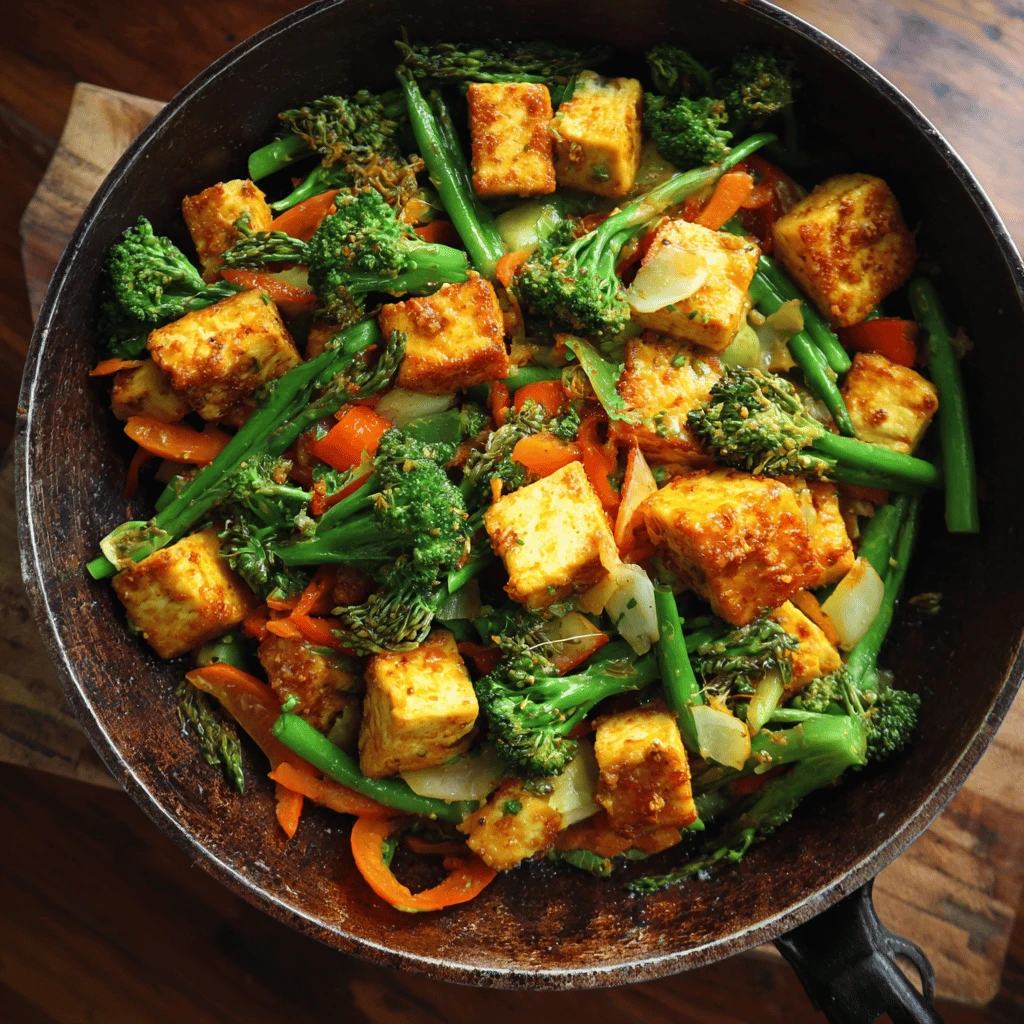
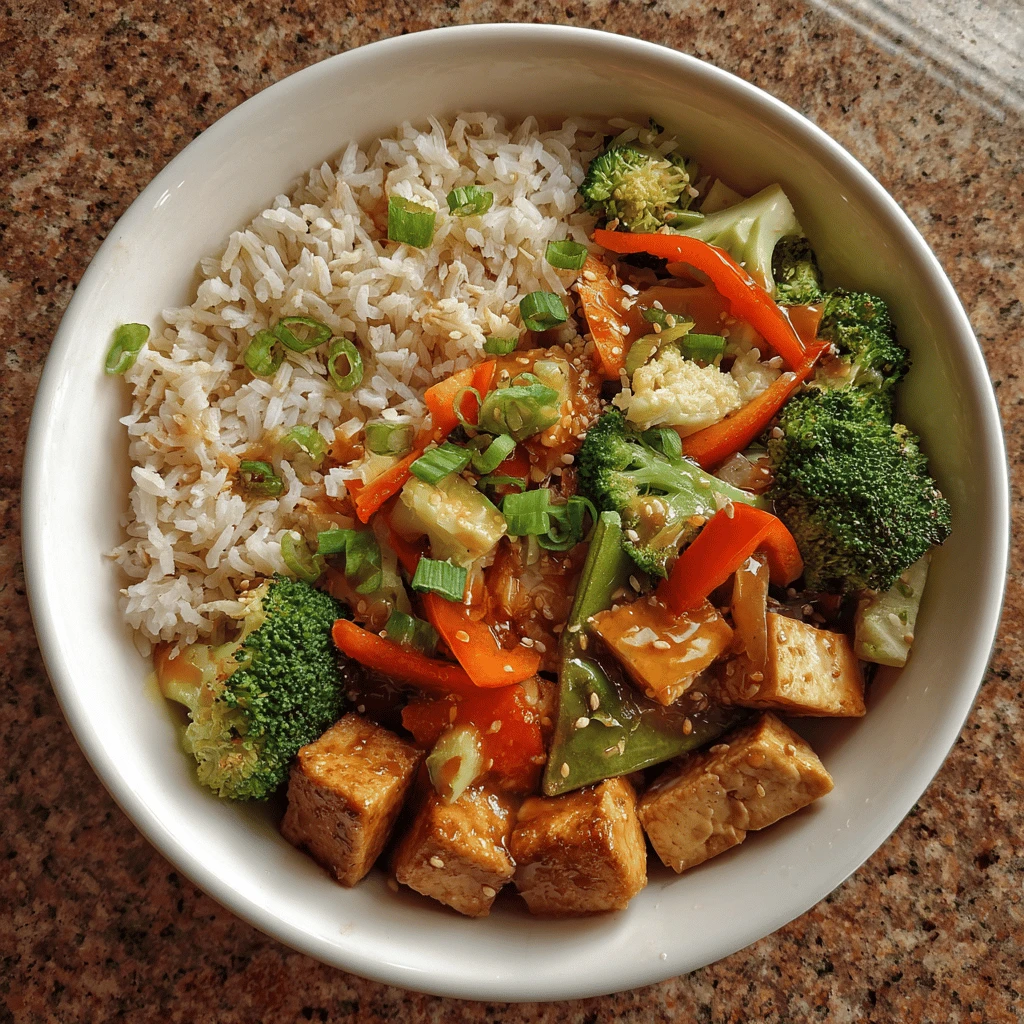
For Lunch: Low Carb Tofu Stir Fry
Tofu stir-fry is a fantastic, versatile, and quick meal option, especially when you’re aiming for a low-carb lifestyle. It’s packed with protein, easily customizable with your favorite vegetables, and can be ready in under 30 minutes. This guide will provide you with everything you need to create a delicious and satisfying low-carb tofu stir-fry for lunch, covering ingredient selection, cooking techniques, and exciting variations to keep things interesting.
Understanding Low-Carb Eating and Tofu
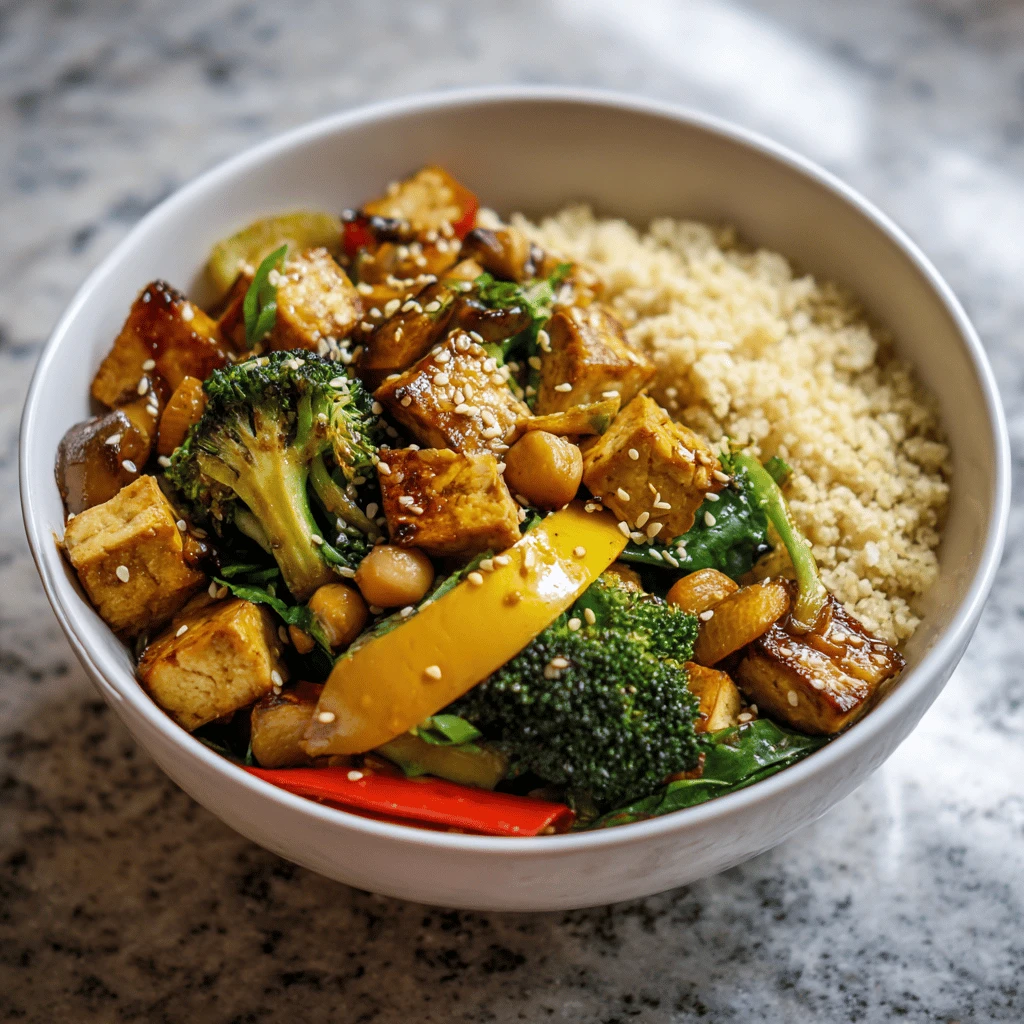
A low-carb diet focuses on limiting carbohydrate intake, encouraging the body to burn fat for energy. Tofu, made from soybean curds, is naturally low in carbohydrates, making it an excellent protein source for this type of diet. It’s also a good source of iron, calcium, and other essential nutrients.
Tofu Types and Preparation
The type of tofu you choose will influence the final texture of your stir-fry.
- Extra-firm tofu: Holds its shape well and is ideal for achieving a crispy texture. Pressing is crucial to remove excess water.
- Firm tofu: A good all-purpose option that can be pressed for a firmer texture or used as is for a softer bite.
- Silken tofu: Not suitable for stir-frying as it’s too delicate. It’s better used in sauces or smoothies.
Before stir-frying, pressing tofu is essential for optimal browning and texture. Wrap the tofu in paper towels or a clean kitchen towel and place a heavy object on top (like a stack of books or a cast-iron skillet) for at least 30 minutes to remove excess water. This step allows the tofu to absorb more flavor from your marinade or sauce and achieve that desirable crispy exterior. After pressing, cut the tofu into bite-sized cubes.
Key Ingredients for a Low-Carb Tofu Stir-Fry
Building a delicious low-carb tofu stir-fry starts with choosing the right ingredients. Focusing on non-starchy vegetables and low-carb sauces is key.
Vegetable Selection
The beauty of stir-fry lies in its versatility. Here are some excellent low-carb vegetable options:
- Broccoli: Provides a good crunch and is packed with vitamins.
- Cauliflower: Can be used as a rice substitute or added in florets.
- Bell Peppers: Add color and sweetness with minimal carbs. Opt for red, yellow, or orange peppers for added nutrients.
- Zucchini and Summer Squash: Mild flavor and readily available.
- Spinach and Bok Choy: Leafy greens that wilt down quickly and add nutrients.
- Mushrooms: Various types of mushrooms, like shiitake, cremini, or oyster mushrooms, contribute a savory umami flavor.
- Asparagus: Adds a slightly bitter and sophisticated flavor.
- Green Beans: A classic stir-fry vegetable, offering a satisfying snap.
Avoid or limit starchy vegetables like potatoes, corn, and peas, as they are higher in carbohydrates.
Low-Carb Sauce Options
The sauce is what brings all the flavors together in a stir-fry. However, traditional stir-fry sauces often contain sugar and high-carb thickeners. Here are some delicious low-carb alternatives:
- Soy Sauce or Tamari: Provides a salty, umami base. Use low-sodium options to control salt intake. Tamari is a gluten-free alternative to soy sauce.
- Coconut Aminos: A soy-free alternative with a slightly sweeter flavor.
- Sesame Oil: Adds a nutty aroma and flavor. Use sparingly as it’s calorie-dense.
- Rice Vinegar: Provides acidity and balances the flavors.
- Ginger and Garlic: Essential flavor enhancers that add warmth and depth. Use fresh ginger and garlic for the best flavor.
- Chili Garlic Sauce or Sriracha: Add a spicy kick. Use sparingly if you’re sensitive to spice.
- Sugar Substitutes: A touch of erythritol, stevia, or monk fruit can be used to balance the saltiness and acidity without adding significant carbs.
- Xanthan Gum (optional): A small amount of xanthan gum can be used as a thickener if desired. Use sparingly (a pinch is usually enough) and whisk it well into the sauce to prevent clumping.
Create your own sauce blends by combining these ingredients to your liking. A simple sauce could consist of soy sauce, sesame oil, ginger, garlic, and a touch of rice vinegar.
Optional Add-ins
Consider adding these low-carb ingredients for extra flavor and texture:
- Nuts and Seeds: Almonds, cashews, peanuts, sesame seeds, and sunflower seeds add crunch and healthy fats.
- Avocado: Sliced avocado adds creaminess and healthy fats. Add it at the very end to prevent it from cooking and becoming mushy.
- Scallions: Adds a fresh, oniony flavor. Sprinkle them on top as a garnish.
- Red Pepper Flakes: For an extra touch of heat.
Step-by-Step Guide to Making Low-Carb Tofu Stir-Fry
Follow these steps to create a delicious and healthy low-carb tofu stir-fry:
1. Press the Tofu: As mentioned earlier, pressing the tofu is crucial. Wrap it in paper towels or a clean kitchen towel and place a heavy object on top for at least 30 minutes.
2. Prepare the Vegetables: Wash and chop all your chosen vegetables into bite-sized pieces. Keep vegetables that take longer to cook (like broccoli and cauliflower) separate from those that cook quickly (like spinach and mushrooms).
3. Make the Sauce: In a small bowl, whisk together your chosen sauce ingredients. Adjust the ratios to your preference.
4. Cook the Tofu: Heat a wok or large skillet over medium-high heat. Add a tablespoon of cooking oil (avocado oil, coconut oil, or sesame oil are good options). Add the pressed and cubed tofu and cook, turning occasionally, until golden brown and crispy on all sides. Remove the tofu from the skillet and set aside.
5. Stir-fry the Vegetables: Add another tablespoon of oil to the skillet. Add the vegetables that take longer to cook first (e.g., broccoli, cauliflower, carrots). Stir-fry for a few minutes until slightly tender. Then, add the vegetables that cook quickly (e.g., mushrooms, spinach, bell peppers). Continue to stir-fry until all the vegetables are tender-crisp.
6. Combine and Simmer: Add the cooked tofu back to the skillet with the vegetables. Pour the sauce over the tofu and vegetables and stir to coat everything evenly. Bring the sauce to a simmer and cook for a few minutes, allowing the flavors to meld together. If using xanthan gum, sprinkle it in while stirring constantly to prevent clumps.
7. Serve and Garnish: Serve the stir-fry immediately. Garnish with chopped scallions, sesame seeds, or a drizzle of sesame oil.
Variations and Tips for Success
Here are some ways to customize your low-carb tofu stir-fry and ensure it turns out perfectly every time:
Flavor Variations
- Asian-Inspired: Use soy sauce, ginger, garlic, sesame oil, and a touch of chili garlic sauce. Add broccoli, bell peppers, and mushrooms.
- Mediterranean-Inspired: Use olive oil, garlic, oregano, and a squeeze of lemon juice. Add zucchini, bell peppers, and spinach.
- Indian-Inspired: Use coconut oil, curry powder, turmeric, and ginger. Add cauliflower, spinach, and green beans.
- Spicy: Add more chili garlic sauce, red pepper flakes, or a finely chopped chili pepper to the stir-fry.
Cooking Tips
- Don’t overcrowd the pan: Overcrowding the pan will lower the temperature and cause the tofu and vegetables to steam instead of stir-fry. Cook in batches if necessary.
- Use high heat: High heat is essential for achieving a crispy texture and quickly cooking the vegetables.
- Stir constantly: Stirring constantly ensures that the tofu and vegetables cook evenly and don’t burn.
- Taste and adjust: Taste the sauce and stir-fry throughout the cooking process and adjust the seasonings as needed.
- Add leafy greens last: Add spinach or bok choy towards the end of cooking as they wilt down very quickly.
Health Benefits of Low-Carb Tofu Stir-Fry
This low-carb tofu stir-fry offers numerous health benefits:
- Weight Management: By limiting carbohydrates and focusing on protein and healthy fats, this meal can aid in weight management.
- Blood Sugar Control: Low-carb diets can help stabilize blood sugar levels, which is beneficial for people with diabetes or insulin resistance.
- Heart Health: Tofu is a good source of plant-based protein and contains isoflavones, which have been linked to improved heart health.
- Nutrient-Rich: This stir-fry is packed with vitamins, minerals, and antioxidants from the variety of vegetables used.
- Versatile and Customizable: You can easily adapt the recipe to your dietary needs and preferences.
Frequently Asked Questions
Is tofu healthy for weight loss?
Yes, tofu can be a great addition to a weight loss diet. It’s low in calories, high in protein, and provides essential nutrients, promoting satiety and helping to maintain muscle mass.
How do I make tofu taste better?
Proper pressing and marinating are key to improving the taste of tofu. Pressing removes excess water, allowing it to absorb more flavor. Marinating for at least 30 minutes (or longer) in a flavorful sauce will enhance its taste. Also, achieving a crispy exterior through stir-frying or baking adds a desirable texture.
What is the best way to press tofu?
Wrap the tofu in paper towels or a clean kitchen towel and place it between two plates. Put a heavy object (like a stack of books or a cast-iron skillet) on the top plate for at least 30 minutes. You can also buy a dedicated tofu press for more efficient water removal.
Can I make this stir-fry ahead of time?
While it’s best enjoyed fresh, you can prepare some components ahead of time. Chop the vegetables and make the sauce in advance and store them separately in the refrigerator. Cook the tofu just before serving to maintain its crispiness. Leftovers can be stored in an airtight container in the refrigerator for up to 3 days, but the texture may change slightly.
What other protein sources can I add to this stir-fry?
While this recipe focuses on tofu, you can also add other low-carb protein sources like shrimp, chicken, or edamame (in moderation) to the stir-fry.