
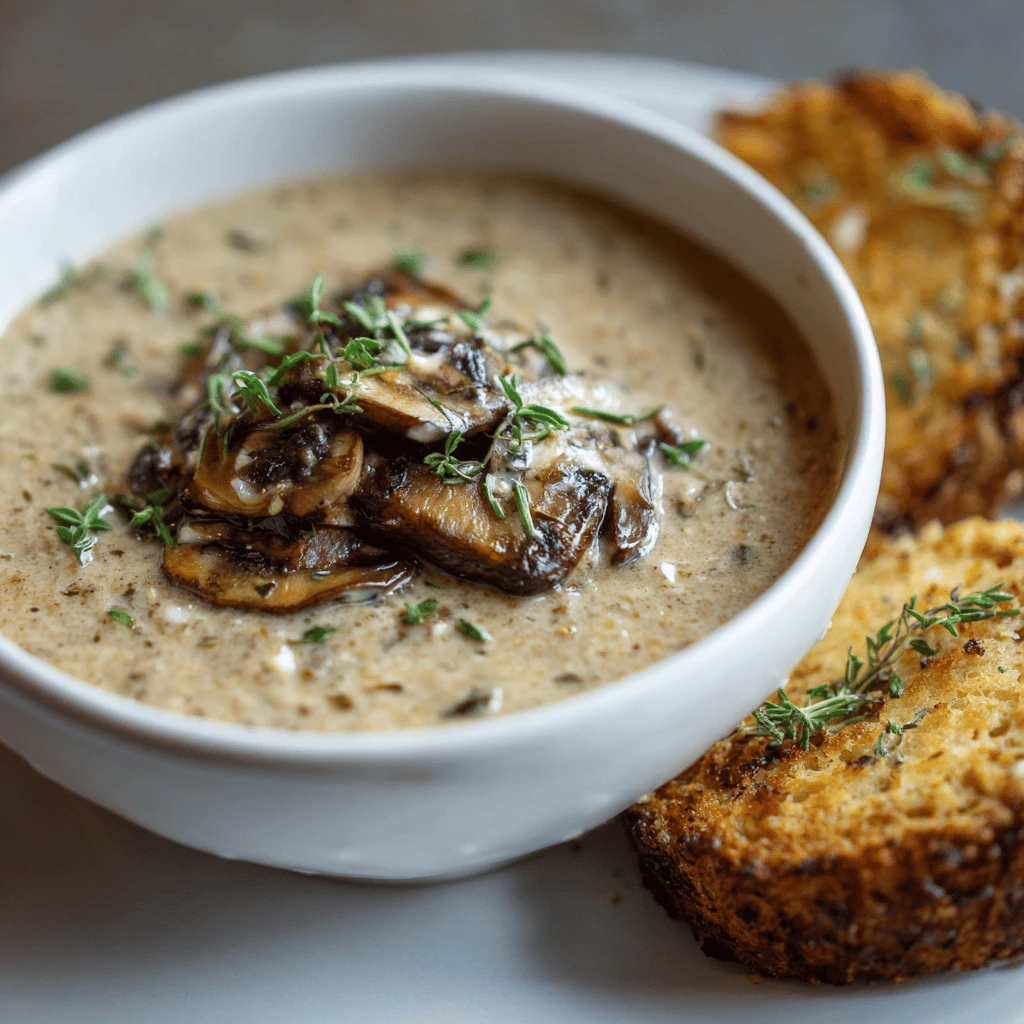
Hearty Mushroom Soup: A Guide to Umami-Rich Comfort
Mushroom soup. Just the words evoke images of cozy evenings, crackling fireplaces, and the earthy aroma of a comforting bowl. But not all mushroom soups are created equal. This article dives deep into the world of hearty mushroom soup, exploring the secrets to achieving that perfect blend of rich flavor, creamy texture, and satisfying depth. We’ll cover everything from selecting the best mushrooms to crafting the ultimate broth, ensuring your next batch is the best one yet.
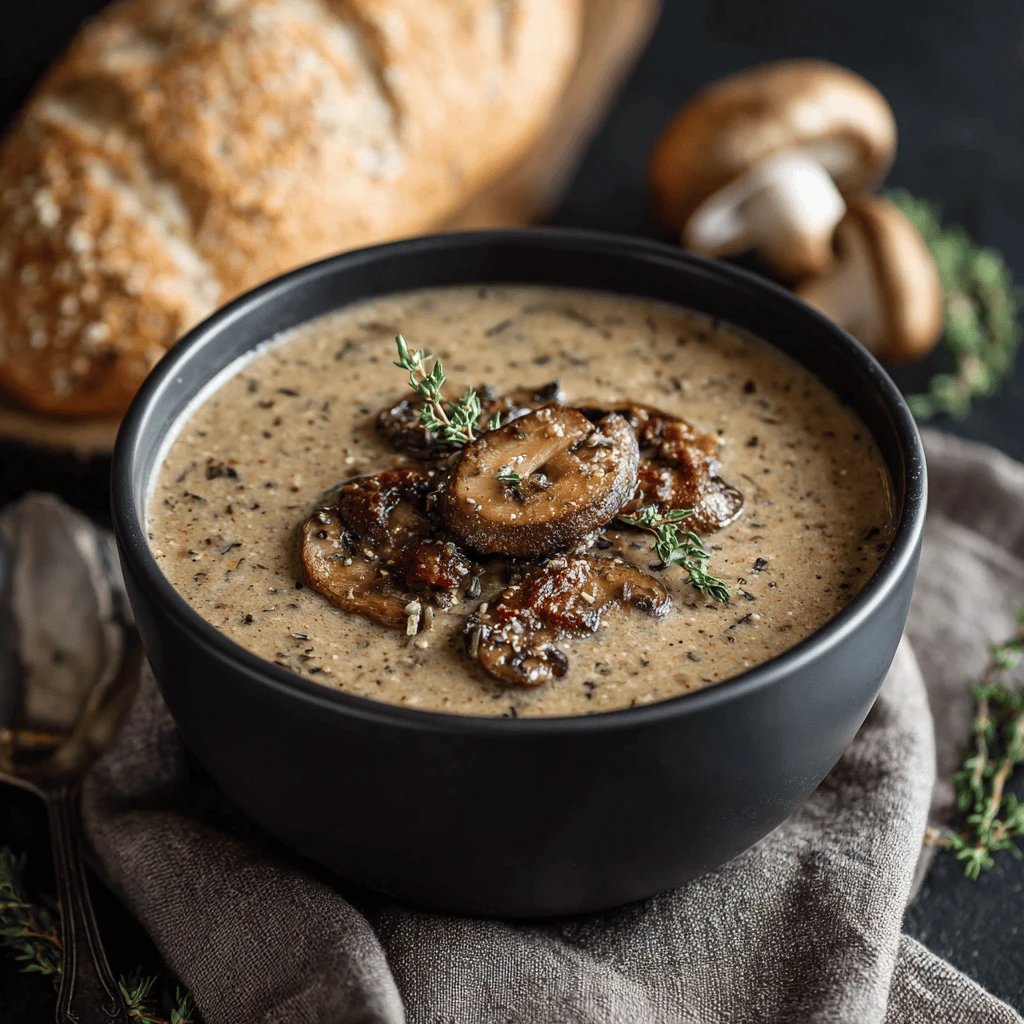
Understanding the Foundations: Choosing Your Mushrooms
The heart and soul of any great mushroom soup lies, unsurprisingly, in the mushrooms themselves. Variety is key, as different types contribute unique flavors and textures.
The Classic Trio: Cremini, Shiitake, and Oyster
- Cremini Mushrooms: Often called “baby bellas,” these offer a robust, earthy flavor that forms the base of many mushroom soups. They are readily available and relatively inexpensive, making them a great starting point.
- Shiitake Mushrooms: Known for their intensely savory, umami-rich flavor, shiitakes add depth and complexity. Use both the caps and stems, but be sure to remove the tough ends of the stems.
- Oyster Mushrooms: These delicate, slightly sweet mushrooms bring a unique texture to the soup. They cook quickly and have a subtle, almost seafood-like flavor that complements the earthiness of the other mushrooms.
Beyond the Basics: Exploring Other Varieties
While the classic trio provides a solid foundation, don’t be afraid to experiment with other varieties to elevate your soup.
- Porcini Mushrooms: These prized mushrooms boast an unparalleled earthy aroma and intense flavor. Fresh porcini can be expensive and difficult to find, but dried porcini are a great alternative. Rehydrate them in warm water, and use both the mushrooms and the soaking liquid in your soup for maximum flavor.
- Morel Mushrooms: With their distinctive honeycomb texture and smoky, nutty flavor, morels are a true delicacy. Handle them with care and cook them thoroughly.
- Chanterelle Mushrooms: These golden-hued mushrooms have a fruity, peppery flavor that adds brightness to the soup. They are best when sautéed until slightly crisp.
- Maitake (Hen of the Woods) Mushrooms: These feathery clusters offer a woodsy flavor and substantial texture. They are excellent for adding body to the soup.
Preparation is Paramount
Regardless of the varieties you choose, proper preparation is crucial. Avoid washing mushrooms under running water, as they absorb water like a sponge, diluting their flavor. Instead, gently brush them with a soft brush or wipe them with a damp cloth to remove any dirt. Trim off any tough or discolored ends. Slice the mushrooms into even pieces to ensure consistent cooking.
Building Layers of Flavor: The Broth and Aromatics
A flavorful broth is the backbone of any good soup, and mushroom soup is no exception. Don’t rely solely on water; build layers of flavor with aromatics and a well-made stock.
The Importance of Stock
Using a quality stock – vegetable, chicken, or beef – will significantly enhance the flavor of your soup. Homemade stock is always best, but good-quality store-bought options are available. If using store-bought stock, choose a low-sodium variety to control the salt content of your soup. Vegetable stock allows the mushroom flavor to be the star, while chicken or beef stock adds richness and depth. Consider using mushroom stock for an extra boost of umami.
Aromatic Powerhouses
Aromatics form the foundation of flavor. Sautéing aromatics like onions, garlic, shallots, and celery in butter or oil before adding the mushrooms creates a flavorful base.
- Onions and Garlic: The classic combination provides a savory foundation. Sauté them until softened and fragrant before adding the mushrooms.
- Shallots: Offer a more delicate, slightly sweet flavor than onions.
- Celery: Adds a subtle earthy note and balances the richness of the mushrooms.
- Thyme and Rosemary: These herbs complement the earthy flavor of mushrooms beautifully. Add fresh or dried herbs to the soup early in the cooking process to allow their flavors to infuse.
- Bay Leaf: A single bay leaf adds a subtle depth of flavor. Remember to remove it before serving.
- Sherry or White Wine: Deglazing the pot with a splash of sherry or white wine after sautéing the mushrooms adds a layer of complexity and acidity. Allow the alcohol to evaporate before adding the stock.
- Soy Sauce or Worcestershire Sauce: A small amount of soy sauce or Worcestershire sauce can enhance the umami flavor of the soup. Use sparingly, as they can be quite salty.
The Secret Ingredient: Dried Mushrooms
Adding a small amount of dried mushrooms, such as porcini or shiitake, to the soup enhances the overall mushroom flavor. Rehydrate them in warm water, and use both the mushrooms and the soaking liquid in the soup. Be sure to strain the soaking liquid through a fine-mesh sieve to remove any grit.
Achieving the Perfect Texture: Creamy vs. Chunky
The texture of your mushroom soup is a matter of personal preference. Some prefer a smooth, creamy soup, while others enjoy a chunkier, more rustic texture.
The Creamy Dream
To achieve a creamy texture, you have several options:
- Blending: Use an immersion blender to purée the soup directly in the pot, or transfer it to a regular blender in batches. Be careful when blending hot liquids, as they can splatter.
- Cream or Half-and-Half: Stir in cream or half-and-half at the end of cooking for added richness and creaminess. Start with a small amount and add more to taste.
- Coconut Milk: For a vegan option, use full-fat coconut milk. It adds richness and a subtle sweetness.
- Cashew Cream: Another vegan option, cashew cream is made by blending soaked cashews with water until smooth. It’s a great way to add creaminess without dairy.
The Chunky Champion
If you prefer a chunkier texture, simply skip the blending step. You can also reserve some of the sautéed mushrooms before adding the stock and add them back to the soup at the end of cooking for added texture.
A Combination of Both
For a balanced texture, consider blending only a portion of the soup and leaving the rest chunky. This allows you to enjoy the creaminess of the blended portion while still having satisfying pieces of mushroom in each spoonful.
Putting it All Together: The Cooking Process
Now that you have a solid understanding of the ingredients and techniques, let’s walk through the cooking process step-by-step.
1. Sauté the Aromatics: In a large pot or Dutch oven, melt butter or heat oil over medium heat. Add the onions, garlic, shallots, and celery (if using) and sauté until softened and fragrant.
2. Sauté the Mushrooms: Add the sliced mushrooms to the pot and sauté until they release their moisture and begin to brown. This step is crucial for developing the mushroom’s flavor.
3. Deglaze the Pot (Optional): If using, deglaze the pot with sherry or white wine. Scrape up any browned bits from the bottom of the pot.
4. Add the Stock and Herbs: Pour in the stock and add the thyme, rosemary, bay leaf, and any dried mushrooms (along with their soaking liquid).
5. Simmer: Bring the soup to a simmer, then reduce the heat and simmer for at least 30 minutes, or up to an hour, to allow the flavors to meld.
6. Blend (Optional): If desired, blend the soup using an immersion blender or regular blender.
7. Add Cream (Optional): Stir in cream, half-and-half, coconut milk, or cashew cream to taste.
8. Season and Serve: Season with salt and pepper to taste. Garnish with fresh herbs, a dollop of sour cream or crème fraîche, or a drizzle of truffle oil. Serve hot with crusty bread for dipping.
Finishing Touches: Garnishes and Pairings
The final touches can elevate your mushroom soup from simple to sublime.
Garnish Glory
- Fresh Herbs: Chopped parsley, chives, or thyme add a pop of freshness and color.
- Sour Cream or Crème Fraîche: A dollop of sour cream or crème fraîche adds a tangy richness.
- Truffle Oil: A drizzle of truffle oil adds a luxurious touch. Use sparingly, as it can be overpowering.
- Crispy Croutons: Homemade or store-bought croutons add a satisfying crunch.
- Shaved Parmesan Cheese: Adds a salty, savory element.
- Toasted Nuts: Chopped walnuts, pecans, or hazelnuts add texture and nutty flavor.
Perfect Pairings
Hearty mushroom soup pairs well with a variety of dishes.
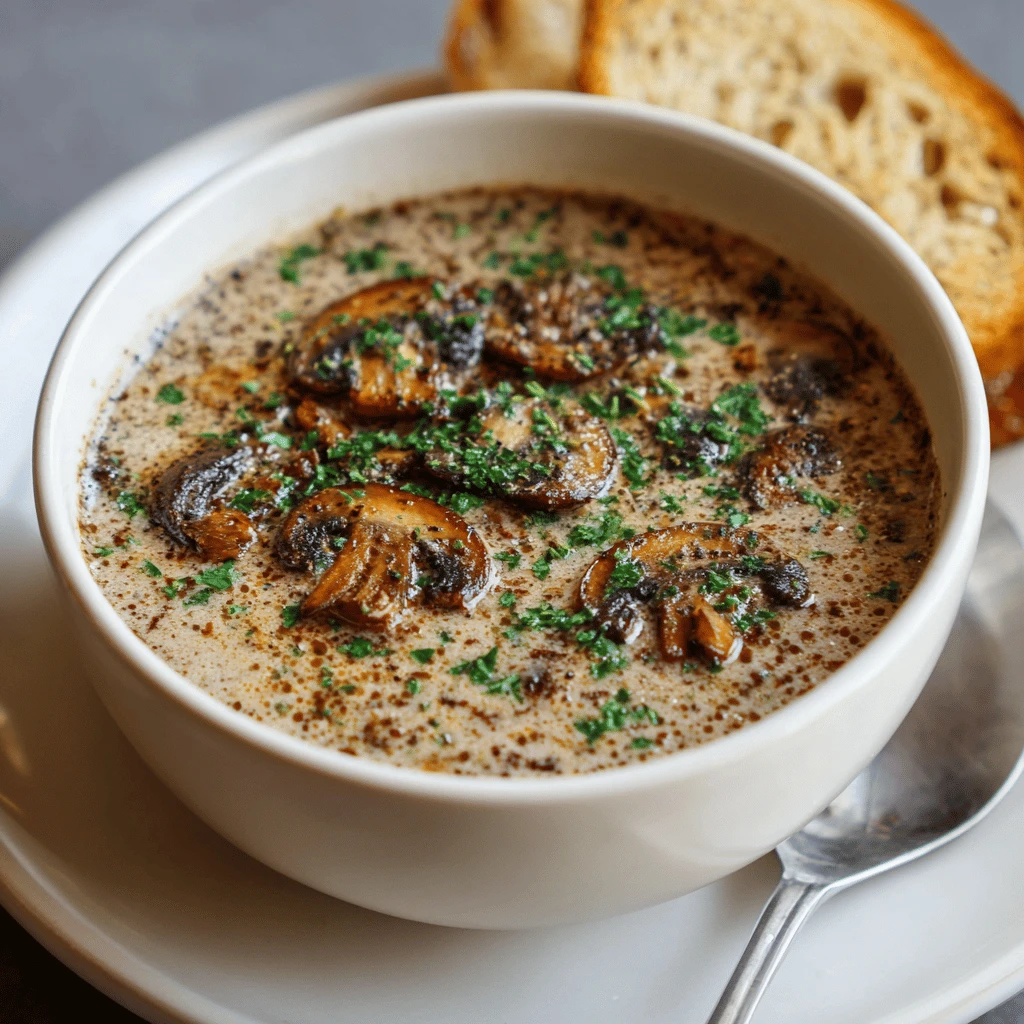
- Crusty Bread: Essential for dipping into the creamy soup.
- Grilled Cheese Sandwich: A classic comfort food pairing.
- Salad: A light salad with a vinaigrette dressing provides a nice contrast to the richness of the soup.
- Roasted Vegetables: Root vegetables like carrots, parsnips, and sweet potatoes complement the earthy flavor of the mushrooms.
- Wine: A dry white wine, such as Chardonnay or Sauvignon Blanc, pairs well with mushroom soup.
FAQ
Q: Can I freeze mushroom soup?
A: Yes, mushroom soup freezes well. Allow the soup to cool completely before transferring it to freezer-safe containers or bags. Leave some space at the top of the container, as the soup will expand when frozen.
Q: How long does mushroom soup last in the refrigerator?
A: Mushroom soup will last for 3-4 days in the refrigerator. Store it in an airtight container.
Q: Can I make mushroom soup vegan?
A: Yes, mushroom soup can easily be made vegan by using vegetable stock, olive oil or vegan butter, and coconut milk or cashew cream instead of dairy.
Q: What if my soup is too thin?
A: If your soup is too thin, you can thicken it by simmering it for a longer period of time to reduce the liquid. You can also whisk a tablespoon of cornstarch or flour with a small amount of cold water to form a slurry, then whisk it into the soup and simmer until thickened.
Q: What if my soup is too thick?
A: If your soup is too thick, simply add more stock or water until it reaches your desired consistency.