
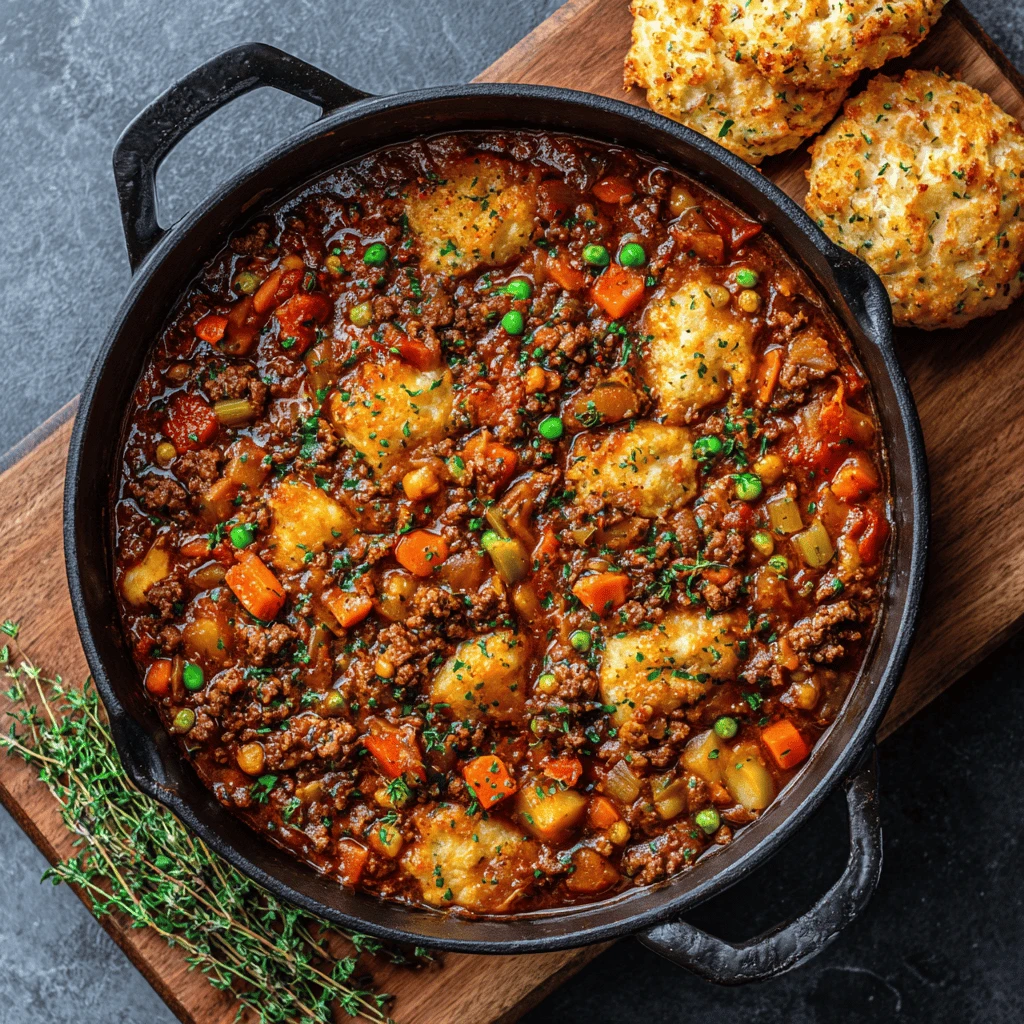
Comfort Food Stuffed Ground Beef Stew
Ground beef stew is a classic comfort food, but why not elevate it to something truly special? This recipe for Stuffed Ground Beef Stew takes the familiar, hearty flavors of a traditional stew and adds a delightful surprise: savory ground beef dumplings nestled within. The result is a deeply satisfying, flavor-packed dish that’s perfect for a cozy night in.
The Magic of Stuffed Dumplings: A Twist on Tradition
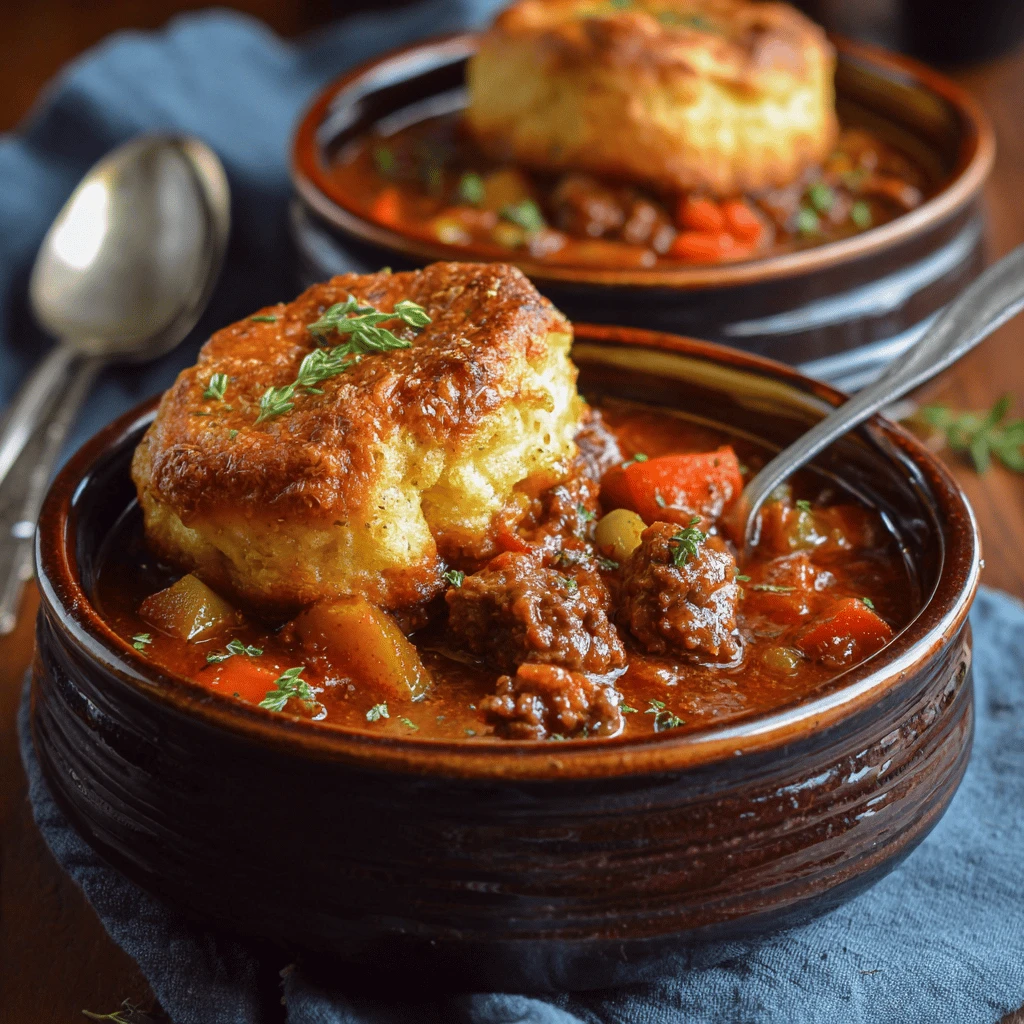
What sets this stew apart is the addition of ground beef dumplings. Instead of plain flour-based dumplings, these are packed with seasoned ground beef, adding a layer of richness and texture to every bite. This clever twist transforms a simple stew into a more substantial and exciting meal. The beauty of these stuffed dumplings lies in their versatility; you can customize the filling with your favorite herbs, spices, and even a touch of cheese.
Building Flavor from the Ground Up
The base of any great stew is a flavorful broth. This recipe starts with browning the ground beef, which creates a delicious fond (the browned bits on the bottom of the pot) that infuses the entire stew with depth and richness. The addition of aromatic vegetables like onions, carrots, and celery builds upon this foundation, creating a symphony of flavors that will tantalize your taste buds.
Searing the Ground Beef: The Key to Richness
Searing the ground beef is a crucial step in developing the stew’s flavor profile. Don’t overcrowd the pot; work in batches to ensure the beef browns properly instead of steaming. This browning process, also known as the Maillard reaction, creates complex flavors that are essential to a delicious stew. Once browned, remove the beef and set it aside while you sauté the vegetables.
The Aromatic Base: Onions, Carrots, and Celery
The classic mirepoix – a combination of onions, carrots, and celery – forms the aromatic base of this stew. Sauté these vegetables until softened, releasing their natural sweetness and creating a flavorful foundation for the remaining ingredients. Feel free to experiment with other aromatic vegetables like leeks or parsnips to add your own unique touch.
Crafting the Perfect Ground Beef Dumplings
The stuffed ground beef dumplings are the stars of this dish, so it’s important to get them right. The key is to use a mixture of ground beef, breadcrumbs, and seasonings that will hold together well during cooking and create a tender, flavorful dumpling.
The Ground Beef Filling: Seasoning is Key
The ground beef filling should be well-seasoned to complement the flavors of the stew. Consider adding herbs like thyme, rosemary, and parsley, along with spices like garlic powder, onion powder, and paprika. A touch of Worcestershire sauce can also add depth and umami. Mix the ground beef with breadcrumbs and an egg to bind the ingredients together and create a cohesive filling.
Shaping and Stuffing the Dumplings: A Simple Technique
To shape the dumplings, simply scoop a portion of the ground beef mixture into your hand and flatten it slightly. Then, place a small cube of cheese (optional) in the center and fold the beef around it to create a sealed dumpling. Alternatively, you can form the dumplings into small patties, making them easier to handle.
Cooking the Dumplings: Ensuring They’re Cooked Through
The dumplings cook directly in the stew, absorbing the flavors of the broth as they simmer. Be sure to add them towards the end of the cooking process to prevent them from becoming overcooked or falling apart. Cook until they are firm to the touch and cooked through to the center.
Building the Stew: Layers of Flavor
Once the dumplings are prepped, it’s time to assemble the stew. This involves adding the remaining ingredients, including potatoes, beef broth, and any other vegetables you desire. Simmer the stew until the potatoes are tender and the flavors have melded together beautifully.
Choosing Your Vegetables: A Customizable Stew
This stew is highly customizable, so feel free to add your favorite vegetables. Potatoes are a classic addition, but you can also include carrots, peas, corn, green beans, or even mushrooms. Consider adding heartier root vegetables like parsnips or turnips for a more substantial stew.
The Broth: The Heart of the Stew
The broth is the heart of the stew, so it’s important to use a high-quality beef broth. You can also use chicken broth or vegetable broth for a lighter flavor. Consider adding a splash of red wine for added depth and complexity. Thicken the broth with a cornstarch slurry or a roux for a richer, more satisfying texture.
Slow Simmering: Developing Richness and Depth
Slow simmering is key to developing the rich, complex flavors of this stew. Allow the stew to simmer gently for at least an hour, or even longer, to allow the flavors to meld together beautifully. The longer the stew simmers, the more flavorful it will become.
Serving and Enjoying Your Stuffed Ground Beef Stew
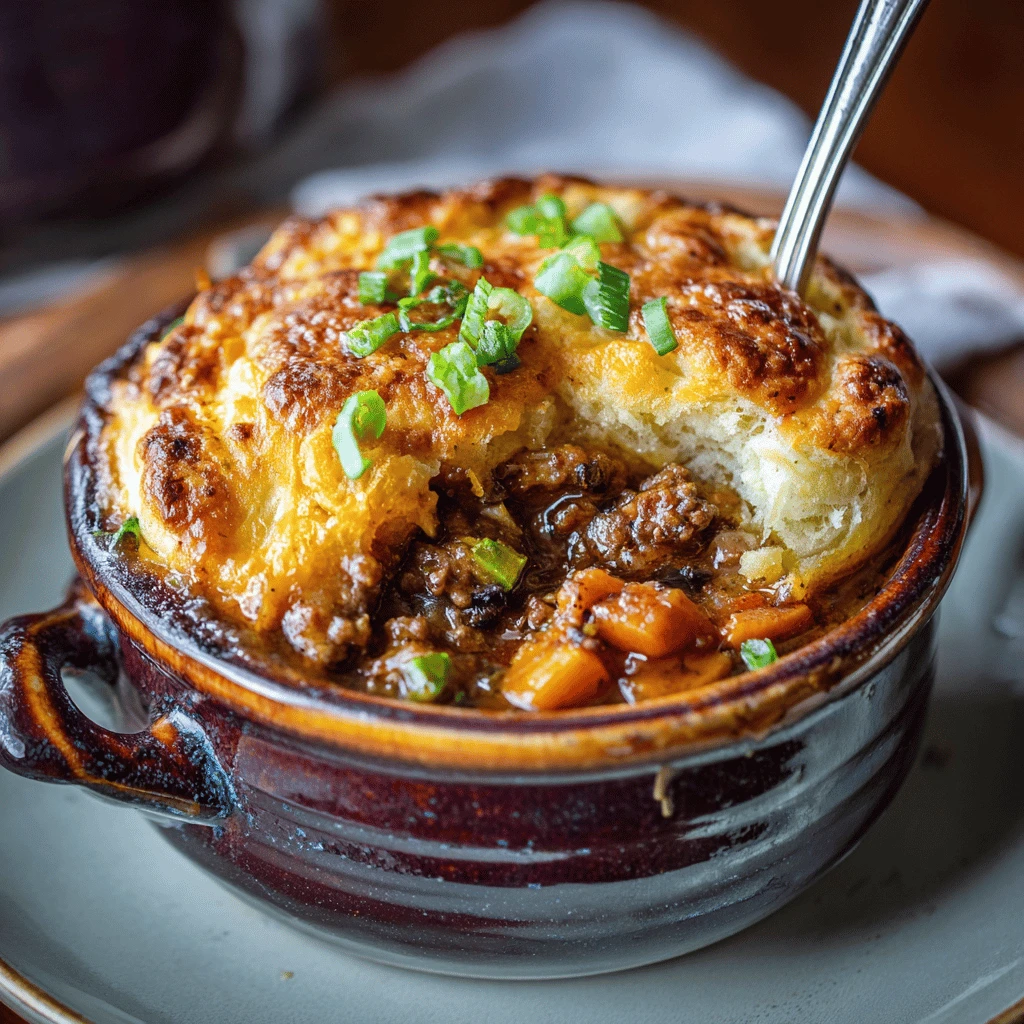
Once the stew is finished, it’s time to serve and enjoy. This dish is best served hot, garnished with fresh parsley or chives. A dollop of sour cream or plain yogurt can also add a touch of richness and tang.
Garnishing for Presentation and Flavor
Garnish your stew with fresh herbs to add a pop of color and flavor. Chopped parsley, chives, or even a sprig of thyme can elevate the presentation of your dish. A sprinkle of freshly ground black pepper can also enhance the flavor.
Pairing Suggestions: Complements to the Comfort
This stew pairs well with a variety of sides, such as crusty bread for dipping, a side salad, or mashed potatoes. A glass of red wine, such as a Cabernet Sauvignon or Merlot, can also complement the rich flavors of the stew.
Storage and Reheating: Enjoying Leftovers
Leftover stew can be stored in the refrigerator for up to 3 days. Reheat gently on the stovetop or in the microwave until heated through. The flavors of the stew will actually improve over time, making leftovers even more delicious.
Variations and Adaptations: Making It Your Own
This recipe is a starting point, feel free to experiment and adapt it to your own preferences. Try different ground meats, vegetables, or seasonings to create a stew that is uniquely your own.
Ground Meat Alternatives: Exploring Different Flavors
While ground beef is the classic choice for this stew, you can also use other ground meats, such as ground turkey, ground pork, or ground lamb. Each type of ground meat will add a different flavor profile to the stew.
Vegetarian Adaptations: A Plant-Based Comfort
For a vegetarian version of this stew, simply replace the ground beef with a plant-based ground meat substitute or lentils. You can also add more vegetables, such as mushrooms, sweet potatoes, or butternut squash, to make the stew more substantial.
Spice Level Adjustments: Catering to Your Preferences
Adjust the spice level of the stew to your liking by adding more or less chili powder, paprika, or cayenne pepper. You can also add a dash of hot sauce for an extra kick. Remember that flavors will develop over time as the stew simmers, so it’s best to start with a small amount of spice and add more as needed.
Frequently Asked Questions (FAQs)
Can I make this stew in a slow cooker?
Yes, you can adapt this recipe for a slow cooker. Brown the ground beef and sauté the vegetables as instructed, then transfer everything to the slow cooker. Add the beef broth and seasonings, and cook on low for 6-8 hours or on high for 3-4 hours. Add the dumplings during the last hour of cooking.
Can I freeze this stew?
Yes, this stew freezes well. Allow it to cool completely before transferring it to freezer-safe containers or bags. Freeze for up to 3 months. Thaw overnight in the refrigerator before reheating.
What can I use instead of breadcrumbs in the dumplings?
If you don’t have breadcrumbs, you can use crushed crackers, rolled oats, or even cooked rice as a binder in the dumplings.
How can I thicken the stew if it’s too thin?
You can thicken the stew by adding a cornstarch slurry (mix cornstarch with cold water) or a roux (cook flour and butter together) to the simmering stew.
Can I add beans to this stew?
Yes, you can add beans to this stew for added protein and fiber. Kidney beans, pinto beans, or cannellini beans would all be good choices. Add the beans during the last hour of cooking to prevent them from becoming mushy.