
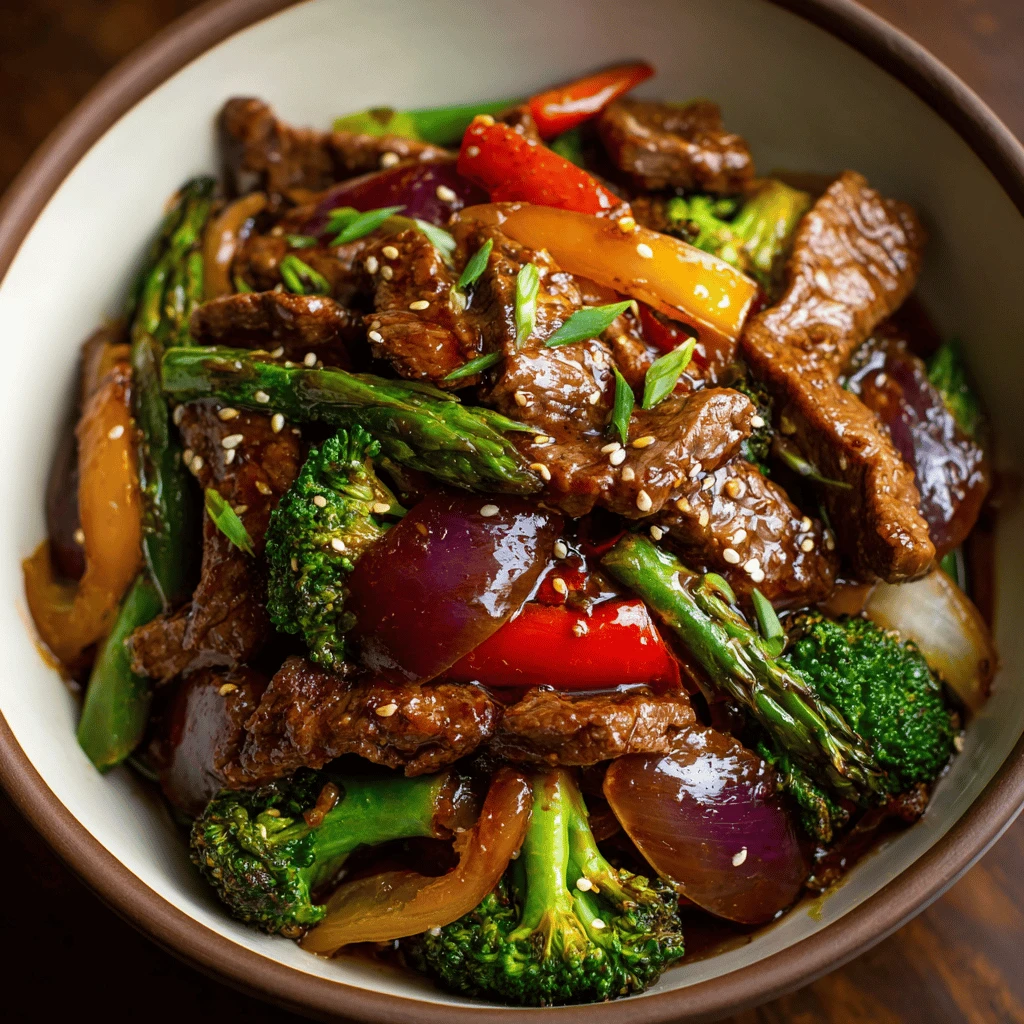
No Bake Baked Beef Stir Fry
Beef stir-fry is a classic, weeknight-friendly dish. But what if you want the comforting flavors of baked beef without actually turning on your oven? Enter the “No Bake Baked” Beef Stir Fry – a clever technique that utilizes your stovetop to achieve similar results. This method delivers tender, flavorful beef with a rich, savory sauce, all while saving you time and energy.
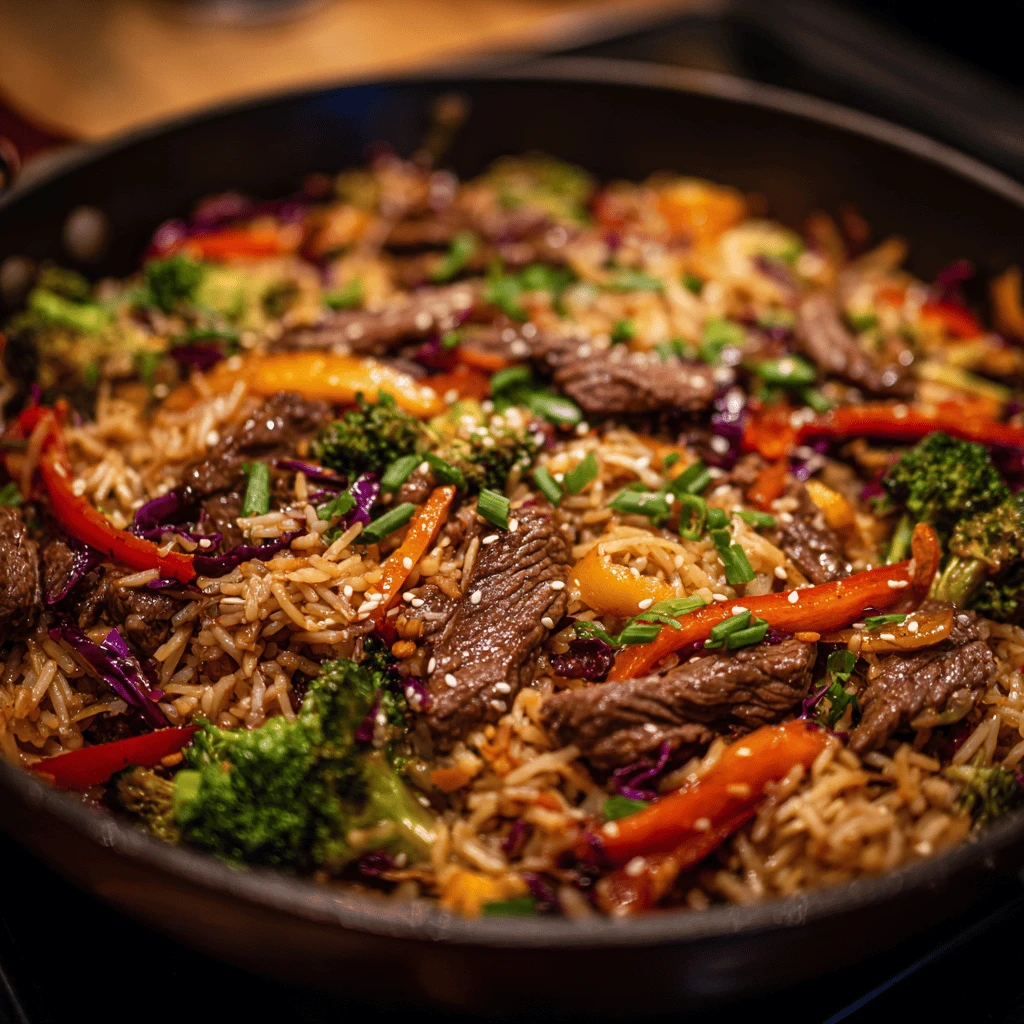
Understanding the “No Bake” Technique
The secret to this method lies in a few key principles. Instead of relying on dry oven heat, we’ll use a combination of searing, simmering, and steam to create the illusion of baked beef.
- Searing: A good sear on the beef is crucial for developing that desirable browned crust and deep flavor. This is done quickly over high heat in a hot pan.
- Simmering: After searing, the beef simmers in a flavorful sauce, allowing it to tenderize and absorb the delicious seasonings.
- Steaming: Covering the pan during the simmering process creates a steamy environment, further aiding in the tenderization of the beef. This traps moisture and prevents the beef from drying out.
By carefully controlling the heat and liquid levels, you can mimic the slow, even cooking of an oven, resulting in incredibly tender and flavorful beef.
Crafting the Perfect Sauce
The sauce is the heart and soul of any stir-fry, and this “No Bake Baked” Beef Stir Fry is no exception. A well-balanced sauce should be savory, slightly sweet, and have a pleasant umami depth. Here’s a breakdown of common sauce components and their roles:
- Soy Sauce: The foundation of most stir-fry sauces, providing saltiness and umami. Use low-sodium soy sauce to control the salt level.
- Oyster Sauce: Adds richness, depth, and a subtle sweetness. It contributes to the glossy texture of the sauce. Vegetarian oyster sauce (made from mushrooms) is a great substitute if needed.
- Hoisin Sauce: Offers a sweet and savory flavor profile with a hint of spice. It’s thicker than soy sauce and adds body to the sauce.
- Brown Sugar (or Honey): Balances the saltiness and acidity, adding a touch of sweetness that complements the other flavors.
- Garlic and Ginger: Essential aromatics that infuse the sauce with their pungent and warming qualities. Use fresh garlic and ginger for the best flavor.
- Cornstarch: A thickening agent that creates a glossy, clinging sauce that coats the beef and vegetables. Mix it with cold water before adding it to the pan to prevent lumps.
- Sesame Oil: Adds a nutty aroma and flavor to the sauce. A little goes a long way, so use it sparingly.
- Rice Vinegar (or Sherry Vinegar): Provides a touch of acidity that balances the richness of the sauce.
Experiment with different ratios of these ingredients to create a sauce that suits your taste. You can also add a pinch of red pepper flakes for a touch of heat.
The Beef: Choosing and Preparing the Right Cut
The type of beef you use will significantly impact the final result. While tender cuts like sirloin or tenderloin are excellent, they can be pricey. Here are some more affordable options that work well with the “No Bake Baked” method:
- Flank Steak: A lean and flavorful cut that benefits from marinating and slicing thinly against the grain.
- Skirt Steak: Similar to flank steak, skirt steak is best marinated and sliced thinly.
- Chuck Steak: A tougher cut that becomes incredibly tender when cooked low and slow. Cut it into bite-sized pieces and simmer it in the sauce for a longer period.
- Round Steak: Another budget-friendly option that requires marinating and careful slicing.
Preparing the Beef:
1. Slice thinly: Regardless of the cut you choose, slice the beef thinly against the grain. This shortens the muscle fibers, making the beef more tender.
2. Marinate: Marinating the beef helps to tenderize it, add flavor, and keep it moist during cooking. A simple marinade of soy sauce, ginger, garlic, and a touch of cornstarch works wonders. Marinate for at least 30 minutes, or up to several hours in the refrigerator.
3. Pat Dry: Before searing, pat the beef dry with paper towels. This helps it to brown properly and prevents it from steaming in its own juices.
Assembling Your Stir-Fry: Vegetables and Add-Ins
The beauty of stir-fry is its versatility. You can use almost any vegetable you have on hand. Some popular choices include:
- Broccoli: Florets are easy to cook and add a vibrant green color.
- Bell Peppers: Available in various colors (red, yellow, orange, green), bell peppers add sweetness and a satisfying crunch.
- Onions: Yellow, white, or red onions all work well. Slice them thinly so they cook evenly.
- Carrots: Julienne or slice carrots thinly for a touch of sweetness and color.
- Snap Peas: Add a crisp and refreshing element to the stir-fry.
- Mushrooms: Shiitake, cremini, or button mushrooms add an earthy flavor and meaty texture.
- Bok Choy: The leafy greens add a mild flavor and wilt down nicely during cooking.
- Zucchini: A mild and versatile vegetable that absorbs the flavors of the sauce.
Other Add-Ins:
- Water Chestnuts: Add a unique crunch and slightly sweet flavor.
- Baby Corn: Another crunchy and slightly sweet addition.
- Bamboo Shoots: Add a subtle earthy flavor and tender texture.
- Cashews or Peanuts: Sprinkle toasted nuts over the finished stir-fry for added crunch and flavor.
Tips for Stir-Frying Vegetables:
- Cut vegetables into uniform sizes: This ensures that they cook evenly.
- Cook vegetables in order of hardness: Start with the vegetables that take the longest to cook (like carrots and broccoli) and add the softer vegetables (like zucchini and bok choy) later.
- Don’t overcrowd the pan: Cook the vegetables in batches if necessary to avoid steaming them. You want them to be slightly crisp-tender.
Bringing It All Together: The Recipe
Ingredients:
-
- 1 pound flank steak, thinly sliced against the grain
- 1/4 cup soy sauce (low sodium)
- 2 tablespoons cornstarch
- 1 tablespoon rice vinegar
- 1 tablespoon sesame oil
- 1 teaspoon ground ginger
- 2 cloves garlic, minced
- 1 tablespoon vegetable oil
- 1 onion, sliced
- 1 bell pepper (any color), sliced
- 1 cup broccoli florets
- 1/2 cup sliced carrots
- Sauce:
1/4 cup soy sauce (low sodium)
2 tablespoons oyster sauce
1 tablespoon hoisin sauce
1 tablespoon brown sugar
1 teaspoon sesame oil
1/2 teaspoon ground ginger
1 clove garlic, minced
1 tablespoon cornstarch mixed with 2 tablespoons cold water
- Cooked rice, for serving
- Sesame seeds, for garnish (optional)
- Chopped green onions, for garnish (optional)
Instructions:
1. Marinate the beef: In a bowl, combine the sliced beef, soy sauce (1/4 cup), cornstarch (2 tablespoons), rice vinegar, sesame oil (1 tablespoon), ground ginger (1 teaspoon), and minced garlic (2 cloves). Mix well and marinate for at least 30 minutes (or up to several hours in the refrigerator).
2. Prepare the sauce: In a separate bowl, whisk together the soy sauce (1/4 cup), oyster sauce, hoisin sauce, brown sugar, sesame oil (1 teaspoon), ground ginger (1/2 teaspoon), and minced garlic (1 clove). Set aside.
3. Stir-fry the vegetables: Heat the vegetable oil in a large skillet or wok over medium-high heat. Add the sliced onion and bell pepper and stir-fry for 2-3 minutes, or until slightly softened. Add the broccoli florets and carrots and stir-fry for another 2-3 minutes. Remove the vegetables from the pan and set aside.
4. Sear the beef: Add the marinated beef to the hot skillet or wok in a single layer (work in batches if necessary to avoid overcrowding). Sear the beef for 1-2 minutes per side, or until browned.
5. Simmer in sauce: Pour the prepared sauce over the seared beef. Bring to a simmer, then reduce the heat to low, cover the pan, and simmer for 5-7 minutes, or until the beef is tender and the sauce has thickened.
6. Combine and serve: Add the stir-fried vegetables back to the pan with the beef and sauce. Stir to combine and heat through.
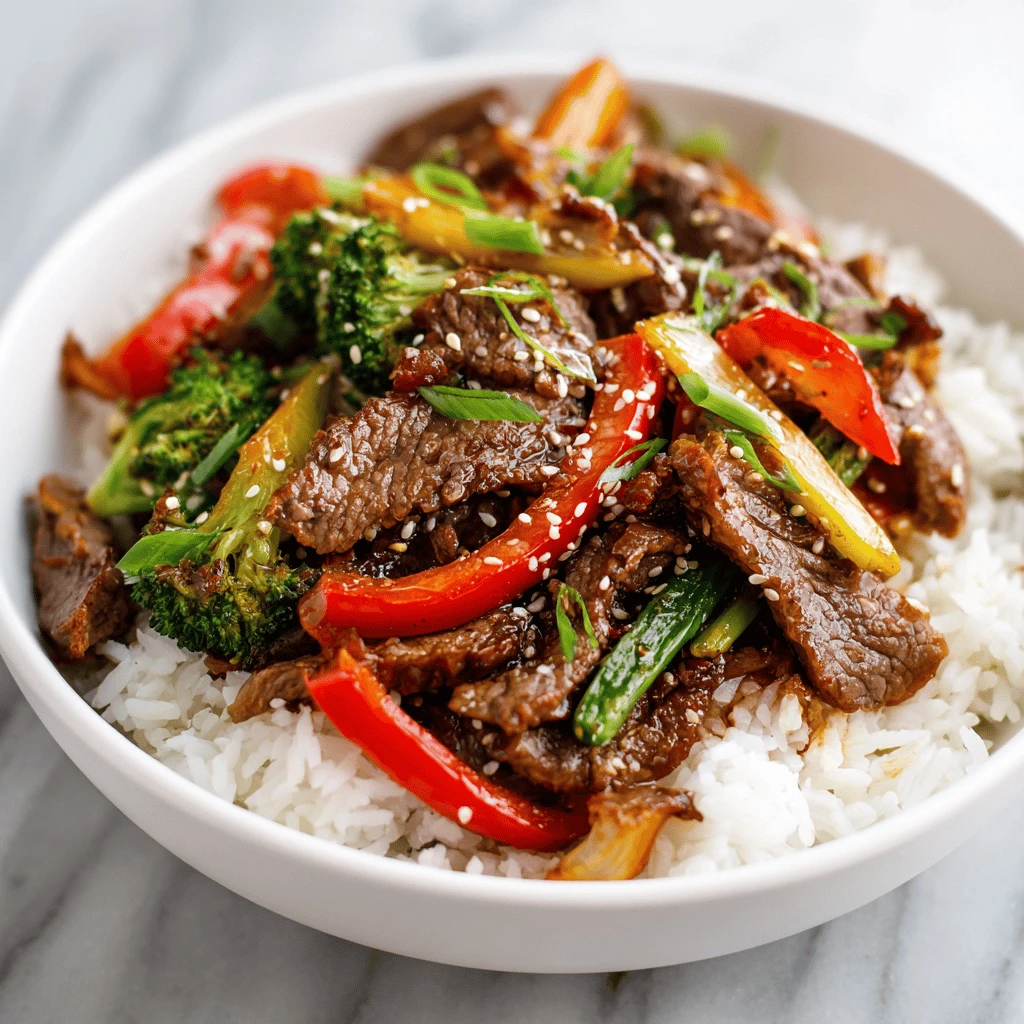
7. Serve: Serve the “No Bake Baked” Beef Stir Fry over cooked rice. Garnish with sesame seeds and chopped green onions, if desired.
Frequently Asked Questions (FAQ)
Q: Can I use a different type of meat?
A: Yes, you can use chicken, pork, or even tofu in place of beef. Adjust the cooking time accordingly.
Q: Can I make this dish ahead of time?
A: Yes, you can prepare the beef and vegetables ahead of time and store them separately in the refrigerator. When you’re ready to eat, simply stir-fry the vegetables, sear the beef, and combine everything with the sauce.
Q: What if I don’t have oyster sauce?
A: You can substitute it with hoisin sauce or a combination of soy sauce and a touch of sugar. Vegetarian oyster sauce (made from mushrooms) is a great alternative.
Q: How do I prevent the sauce from being too watery?
A: Make sure to use cornstarch to thicken the sauce. Mix the cornstarch with cold water before adding it to the pan to prevent lumps. Also, avoid adding too much liquid to the pan.
Q: Can I add more vegetables?
A: Absolutely! Feel free to add any vegetables you like. Just be sure to cook them in order of hardness and don’t overcrowd the pan.