
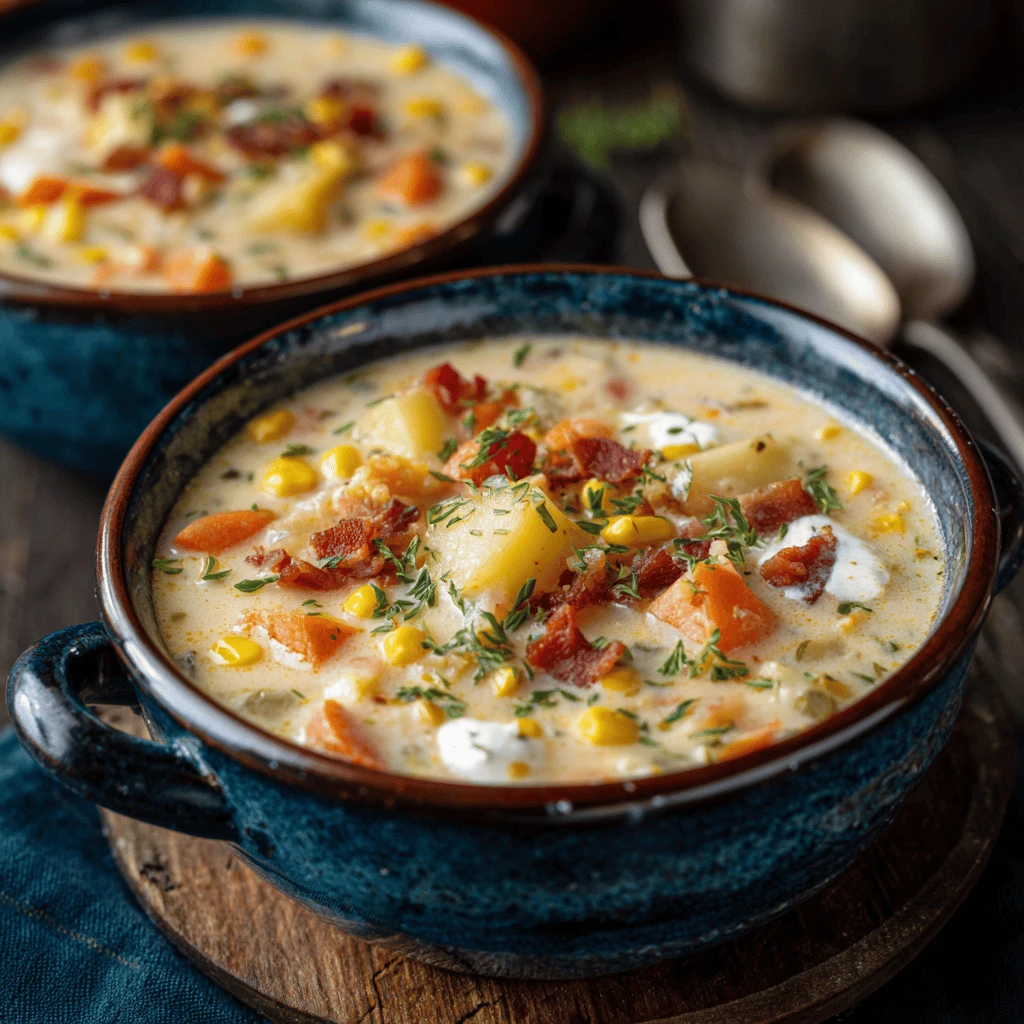
Slow Cooker Vegetable Chowder: A Hearty and Effortless Delight
Vegetable chowder, a creamy and comforting soup, is often associated with a long simmer on the stovetop. But what if you could achieve the same rich flavor and satisfying texture with minimal effort? Enter the slow cooker, your trusty kitchen companion for crafting a delectable vegetable chowder that practically cooks itself. This guide will walk you through creating the perfect slow cooker vegetable chowder, offering tips, variations, and answers to common questions.
The Allure of Slow Cooker Chowder
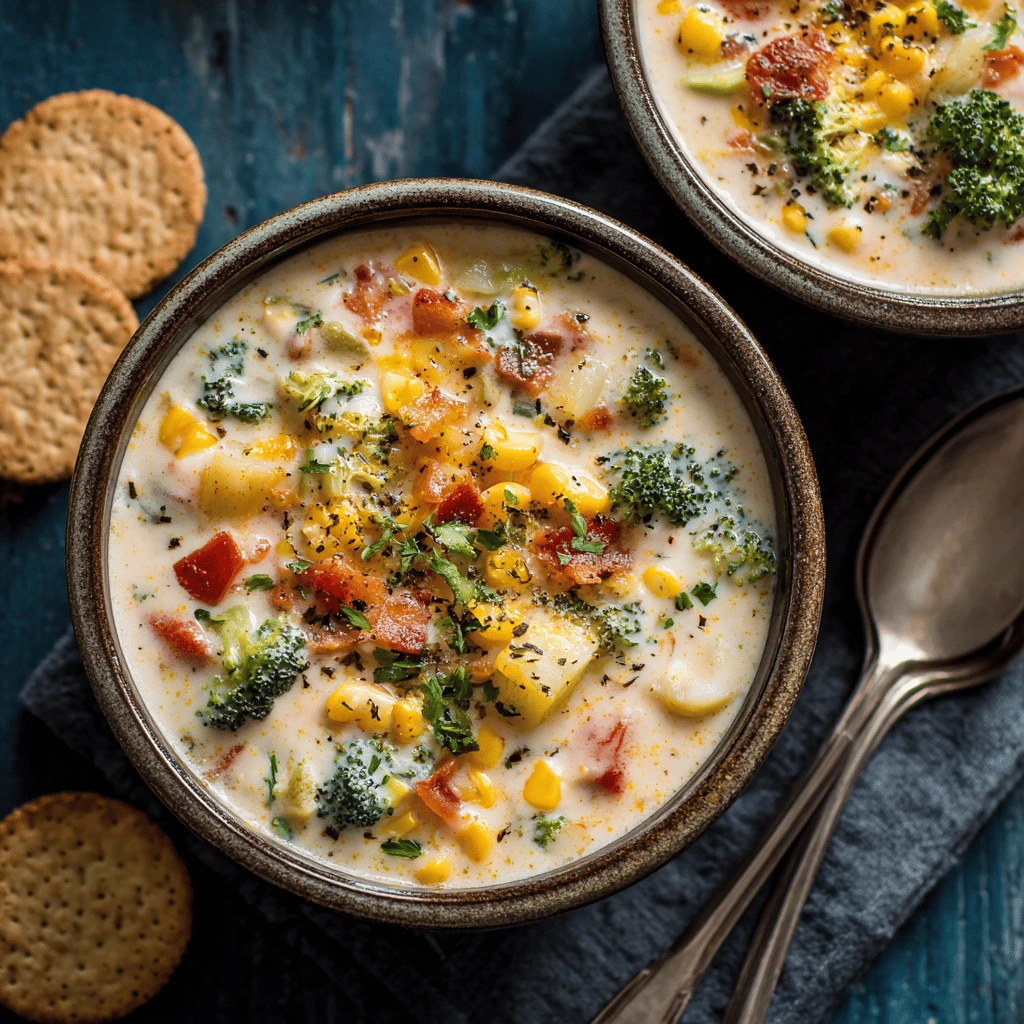
Slow cookers are ideal for developing deep, complex flavors in soups and stews. The gentle, consistent heat allows vegetables to soften and meld together beautifully, creating a harmonious blend of tastes. This method also simplifies the cooking process; simply chop your ingredients, add them to the slow cooker, and let it work its magic. No need to constantly stir or monitor the pot, freeing you to tackle other tasks. The slow cooker also keeps the chowder warm for hours, making it perfect for busy weeknights or potlucks.
Crafting Your Perfect Chowder: Ingredients and Techniques
The beauty of vegetable chowder lies in its versatility. You can tailor the ingredients to your preferences and what you have on hand. However, a few key components contribute to the classic chowder experience.
Core Ingredients for a Creamy Chowder
- Base Vegetables: Potatoes are the cornerstone of many chowders, providing a creamy texture and subtle sweetness. Carrots, celery, and onions form an aromatic foundation. Corn adds sweetness and pops of texture.
- Broth: Vegetable broth is essential for a vegetarian or vegan version. Chicken broth can be used for added depth of flavor.
- Creaminess: Heavy cream, half-and-half, or even milk can be used to achieve the desired creaminess. For a dairy-free alternative, consider coconut milk, cashew cream, or blended potatoes.
- Thickeners: A roux (butter and flour cooked together) is a traditional thickener. Cornstarch slurry (cornstarch mixed with cold water) is a gluten-free option. Some recipes rely solely on the starchiness of the potatoes.
- Seasoning: Salt, pepper, garlic powder, onion powder, thyme, and bay leaf are common seasonings. Fresh herbs, such as parsley and chives, add a bright finish.
Preparing Your Vegetables
- Chopping: Cut the vegetables into uniform sizes to ensure even cooking. Aim for bite-sized pieces.
- Sautéing (Optional): Sautéing the onions, carrots, and celery in butter or oil before adding them to the slow cooker can enhance their flavor.
- Potato Variety: Yukon Gold potatoes are a good choice for their creamy texture and ability to hold their shape. Russet potatoes will break down more and contribute to a thicker chowder.
Slow Cooking for Flavor
- Cooking Time: Most slow cooker vegetable chowder recipes require 6-8 hours on low or 3-4 hours on high.
- Adding Dairy: Add dairy during the last 30-60 minutes of cooking to prevent curdling.
- Thickening: If the chowder is too thin, whisk together cornstarch and cold water (cornstarch slurry) and stir it into the slow cooker during the last 30 minutes. You can also mash some of the potatoes to thicken the soup.
Flavor Variations to Explore
Once you’ve mastered the basic slow cooker vegetable chowder, feel free to experiment with different flavors and ingredients.
Seasonal Twists
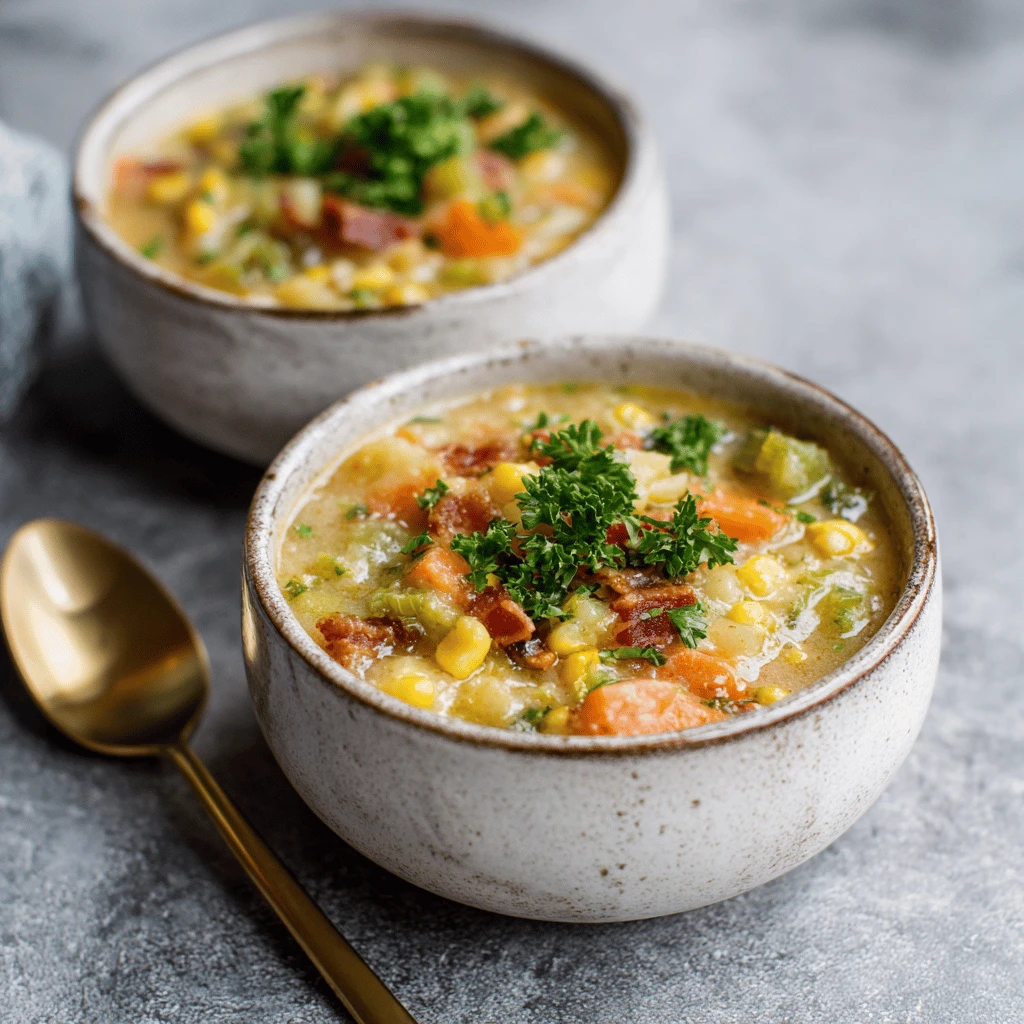
- Fall Harvest Chowder: Add butternut squash, sweet potatoes, and apples for a warm and comforting autumn chowder.
- Summer Vegetable Chowder: Incorporate zucchini, bell peppers, and tomatoes for a light and vibrant summer soup.
Protein Additions
- Corn and Crab Chowder: Stir in cooked crabmeat during the last 15 minutes of cooking.
- Smoked Sausage Chowder: Add diced smoked sausage for a savory and smoky flavor.
Spice and Herb Enhancements
- Spicy Corn Chowder: Add diced jalapeños or a pinch of cayenne pepper for a kick.
- Herbed Vegetable Chowder: Incorporate fresh herbs like dill, rosemary, or oregano for a fragrant and flavorful soup.
Serving and Storing Your Chowder
Perfect Pairings
- Bread: Crusty bread, such as sourdough or baguette, is perfect for dipping into the creamy chowder.
- Salad: A simple green salad with a vinaigrette dressing provides a refreshing contrast to the rich soup.
- Grilled Cheese: A classic grilled cheese sandwich is a comforting complement to vegetable chowder.
Storage Tips
- Refrigerating: Allow the chowder to cool completely before storing it in an airtight container in the refrigerator for up to 3-4 days.
- Freezing: Chowder can be frozen, but the texture may change slightly. It’s best to freeze it in individual portions. Reheat gently on the stovetop. Dairy-based chowders may separate upon thawing; whisk vigorously to recombine.
Troubleshooting Common Chowder Issues
Chowder is Too Thin
- Cornstarch Slurry: Mix 1-2 tablespoons of cornstarch with an equal amount of cold water. Stir into the slow cooker during the last 30 minutes of cooking.
- Mashed Potatoes: Mash some of the potatoes in the slow cooker to thicken the soup.
- Roux: In a separate saucepan, melt butter and whisk in flour to form a roux. Cook for a few minutes, then whisk in some of the hot chowder. Add this mixture back to the slow cooker and stir well.
Chowder is Too Thick
- Add More Broth: Gradually add more vegetable or chicken broth until the desired consistency is reached.
- Milk or Cream: Stir in a little milk or cream to thin the chowder.
Dairy Curdling
- Add Dairy Last: Always add dairy during the last 30-60 minutes of cooking to prevent curdling.
- Stabilize with Cornstarch: Mix a teaspoon of cornstarch with the dairy before adding it to the slow cooker.
Vegetables are Undercooked
- Increase Cooking Time: Ensure the slow cooker is cooking at the correct temperature and increase the cooking time if necessary.
- Smaller Pieces: Cut the vegetables into smaller pieces to ensure they cook evenly.
Frequently Asked Questions (FAQ)
Can I make this chowder vegan?
Yes! Substitute vegetable broth for chicken broth and use coconut milk, cashew cream, or blended potatoes for the creaminess. Ensure any added thickeners are also vegan-friendly.
Can I add other vegetables?
Absolutely! Feel free to add any vegetables you enjoy, such as broccoli, cauliflower, green beans, or peas.
Can I use frozen vegetables?
Yes, frozen vegetables can be used. Add them towards the end of the cooking time, as they will cook more quickly than fresh vegetables.
Do I need to peel the potatoes?
Peeling the potatoes is a matter of personal preference. Leaving the skin on adds nutrients and texture, but some people prefer the smoother texture of peeled potatoes.
Can I make this chowder on the stovetop?
Yes, you can adapt this recipe for the stovetop. Sauté the vegetables in a pot, then add the broth and seasonings. Simmer until the vegetables are tender, then add the dairy and thickener.
How do I prevent the potatoes from getting mushy?
Choose a potato variety that holds its shape well, such as Yukon Gold. Avoid overcooking the chowder. Adding a little acid, such as lemon juice, can also help prevent the potatoes from breaking down.