
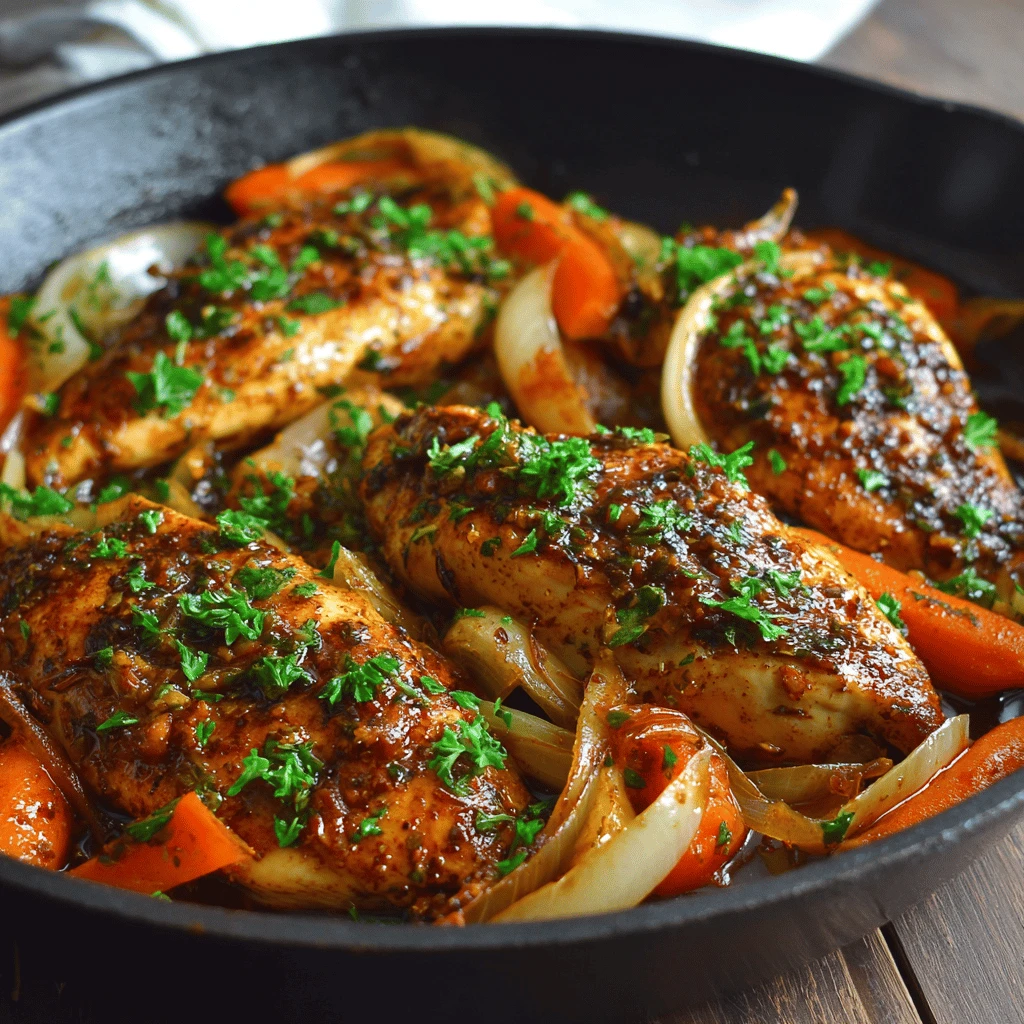
Quick Slow Cooked Chicken Breast Skillet
Chicken breast is a weeknight dinner champion for its versatility and ease of preparation. But let’s face it, sometimes it can be a little… bland. This recipe elevates the humble chicken breast to new heights of flavor and tenderness, all within the convenience of a skillet. Forget dry, rubbery chicken! We’re talking juicy, flavorful, and incredibly satisfying. This “Quick Slow Cooked Chicken Breast Skillet” method is perfect for busy individuals who crave a home-cooked meal without spending hours in the kitchen. It delivers the deliciousness of slow-cooked chicken in a fraction of the time, thanks to a clever technique and the perfect combination of ingredients.
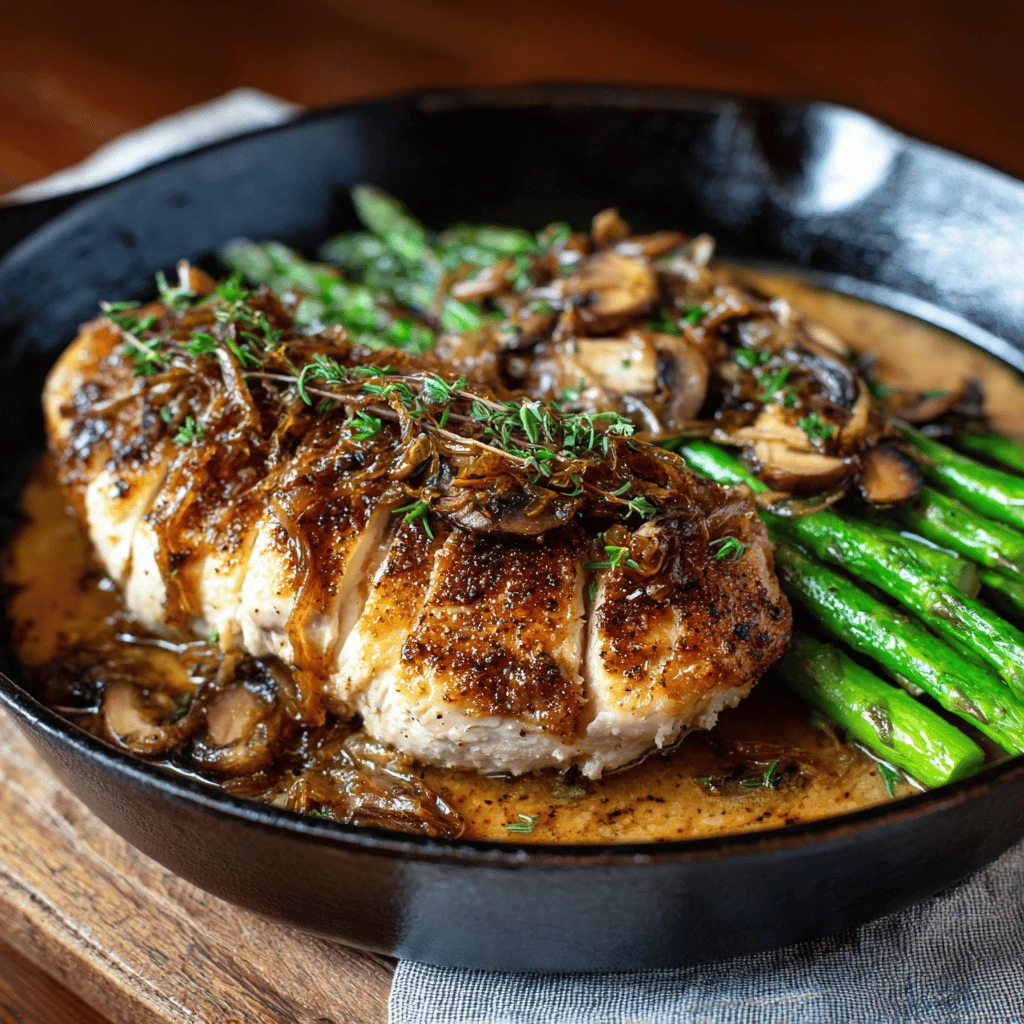
Why This Skillet Chicken is a Game Changer
This isn’t your average skillet chicken recipe. We’re employing a “quick slow cook” method, which essentially means searing the chicken for a beautiful crust and then simmering it in a flavorful sauce at a low temperature in the same skillet. This gentle simmering allows the chicken to cook evenly and absorb all the delicious flavors, resulting in incredibly tender and moist chicken breasts. The skillet method also allows for easy cleanup and customization. You can tailor the sauce to your liking, adding different vegetables, herbs, and spices to create a unique and exciting dish every time. Plus, it’s a one-pan wonder, reducing the amount of dishes you need to wash.
The Benefits of “Quick Slow Cooking”
The traditional method of cooking chicken breast in a skillet often leads to dry, overcooked meat. The high heat required to cook the chicken through can quickly evaporate moisture, leaving you with a tough and unappetizing result. “Quick slow cooking” addresses this issue by combining the best of both worlds: searing for flavor and simmering for tenderness.
- Moisture Retention: The low simmer prevents the chicken from drying out, ensuring a juicy and tender result.
- Enhanced Flavor: The slow simmering allows the chicken to absorb the flavors of the sauce, creating a richer and more complex taste.
- Even Cooking: The gentle heat ensures that the chicken cooks evenly throughout, eliminating the risk of overcooked edges and undercooked centers.
- Time Savings: While it might seem counterintuitive, this method is actually faster than traditional slow cooking. You get the slow-cooked flavor in a fraction of the time.
Who This Recipe Is Perfect For
This recipe is ideal for anyone who wants a delicious and easy weeknight dinner. It’s perfect for:
- Busy Professionals: With minimal prep time and a relatively quick cooking time, this recipe is perfect for those who don’t have hours to spend in the kitchen.
- Families: This recipe is kid-friendly and can be easily adapted to suit different tastes.
- Health-Conscious Eaters: Chicken breast is a lean protein source, and you can easily control the ingredients and portion sizes to create a healthy and satisfying meal.
- Beginner Cooks: The recipe is straightforward and easy to follow, even for those who are new to cooking.
Mastering the Technique: The Quick Slow Cook Method
The key to this recipe is understanding the “quick slow cook” method. It’s a simple technique that involves searing the chicken breasts to create a flavorful crust, then simmering them in a sauce at a low temperature until they are cooked through. Here’s a detailed breakdown:
Searing for Flavor: Building a Foundation
Searing the chicken breast is crucial for developing a rich, savory flavor. The Maillard reaction, a chemical reaction between amino acids and reducing sugars, occurs when the surface of the chicken is exposed to high heat. This reaction creates hundreds of different flavor compounds, resulting in a complex and delicious taste.
- Pat the Chicken Dry: Before searing, pat the chicken breasts dry with paper towels. This will help them to brown properly and prevent them from steaming in the pan.
- Heat the Skillet: Use a skillet that is large enough to accommodate all of the chicken breasts without overcrowding. Heat the skillet over medium-high heat until it is very hot. Add oil with a high smoke point, such as vegetable or canola oil.
- Sear the Chicken: Place the chicken breasts in the hot skillet, making sure not to overcrowd the pan. Sear them for 3-4 minutes per side, or until they are golden brown and have a nice crust. Don’t move the chicken around too much during searing; let it develop a good crust before flipping.
Simmering for Tenderness: The Gentle Approach
After searing, the chicken breasts are simmered in a flavorful sauce. Simmering involves cooking the chicken at a low temperature, just below the boiling point. This gentle cooking method allows the chicken to cook evenly and absorb the flavors of the sauce without drying out.
- Add the Sauce: After searing the chicken, remove it from the skillet and set it aside. Add the sauce ingredients to the skillet and bring them to a simmer.
- Return the Chicken: Return the chicken breasts to the skillet, nestling them in the sauce.
- Cover and Simmer: Cover the skillet and reduce the heat to low. Simmer the chicken for 15-20 minutes, or until it is cooked through. The internal temperature of the chicken should reach 165°F (74°C). Use a meat thermometer to check for doneness.
Important Tips for Success
- Don’t Overcrowd the Skillet: Overcrowding the skillet will lower the temperature and prevent the chicken from searing properly. If necessary, sear the chicken in batches.
- Use a Meat Thermometer: A meat thermometer is the best way to ensure that the chicken is cooked to a safe internal temperature.
- Let the Chicken Rest: After cooking, let the chicken rest for 5-10 minutes before slicing. This will allow the juices to redistribute, resulting in a more tender and flavorful result. Tent it with foil.
Flavor Variations: Endless Possibilities
The beauty of this recipe lies in its versatility. The sauce can be easily adapted to suit your taste preferences. Here are a few flavor variations to get you started:
Mediterranean Magic
This variation features the bright and vibrant flavors of the Mediterranean.
- Sauce: Olive oil, garlic, diced tomatoes, Kalamata olives, capers, oregano, and a squeeze of lemon juice.
- Optional Additions: Feta cheese, artichoke hearts, sun-dried tomatoes.
Creamy Tuscan Delight
This variation is rich, decadent, and incredibly satisfying.
- Sauce: Olive oil, garlic, sun-dried tomatoes, spinach, heavy cream, Parmesan cheese.
- Optional Additions: Mushrooms, basil.
Lemon Herb Sensation
This variation is light, refreshing, and perfect for springtime.
- Sauce: Olive oil, garlic, lemon juice, chicken broth, fresh herbs (such as thyme, rosemary, and parsley).
- Optional Additions: Asparagus, peas.
Spicy Fiesta
This variation brings the heat with a blend of Southwestern spices.
- Sauce: Olive oil, onion, garlic, diced tomatoes, chili powder, cumin, paprika, and a pinch of cayenne pepper.
- Optional Additions: Black beans, corn, bell peppers, cilantro.
Asian Fusion
This variation combines the flavors of the East with a touch of sweetness.
- Sauce: Soy sauce, honey, ginger, garlic, sesame oil, rice vinegar.
- Optional Additions: Broccoli, bell peppers, snow peas, sesame seeds.
Remember to adjust the seasoning to your liking and feel free to experiment with different combinations of flavors. The possibilities are endless!
Serving Suggestions: Completing the Meal
Now that you’ve mastered the “Quick Slow Cooked Chicken Breast Skillet” technique, it’s time to think about how to serve it. Here are a few serving suggestions to complete the meal:
Classic Pairings
- Pasta: Serve the chicken over your favorite pasta, such as spaghetti, fettuccine, or penne. Toss the pasta with the sauce from the skillet for extra flavor.
- Rice: Serve the chicken with rice, such as white rice, brown rice, or wild rice. The rice will soak up the delicious sauce.
- Mashed Potatoes: Creamy mashed potatoes are a perfect complement to the tender and flavorful chicken.
Healthy Alternatives
- Quinoa: Quinoa is a healthy and nutritious grain that pairs well with the chicken.
- Roasted Vegetables: Roasted vegetables, such as broccoli, carrots, and Brussels sprouts, are a healthy and flavorful side dish.
- Salad: A fresh salad is a light and refreshing side dish that complements the richness of the chicken.
Creative Sides
- Polenta: Creamy polenta is a delicious and comforting side dish that pairs well with the chicken.
- Couscous: Couscous is a light and fluffy grain that can be flavored with herbs, spices, and vegetables.
- Garlic Bread: Crusty garlic bread is perfect for soaking up the delicious sauce.
Plating and Presentation
Presentation is key to making your meal even more appealing. Here are a few tips for plating and presentation:
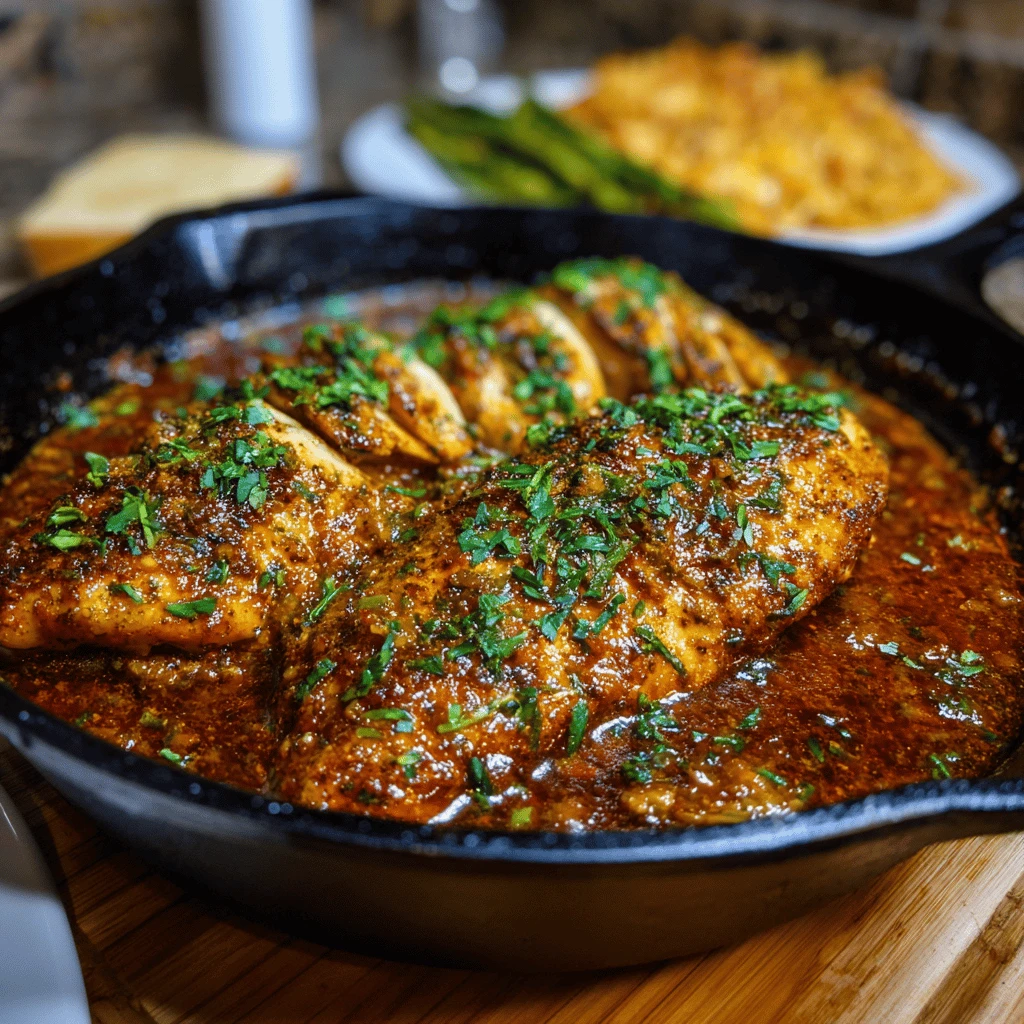
- Garnish: Garnish the chicken with fresh herbs, such as parsley, basil, or cilantro.
- Drizzle: Drizzle the sauce from the skillet over the chicken and side dishes.
- Color: Add color to your plate with vibrant vegetables, such as bell peppers, tomatoes, and spinach.
- Height: Create height on your plate by stacking the chicken and side dishes.
Recipe and FAQ
Here’s a basic recipe to get you started. Remember to adjust quantities based on the number of servings.
Quick Slow Cooked Chicken Breast Skillet (Basic Recipe)
Ingredients:
- 4 boneless, skinless chicken breasts
- 1 tablespoon olive oil
- 1 onion, chopped
- 2 cloves garlic, minced
- 1 (14.5 ounce) can diced tomatoes, undrained
- 1/2 cup chicken broth
- 1 teaspoon dried oregano
- 1/2 teaspoon salt
- 1/4 teaspoon black pepper
- Optional: Fresh parsley, chopped, for garnish
Instructions:
1. Pat chicken breasts dry with paper towels. Season with salt and pepper.
2. Heat olive oil in a large skillet over medium-high heat. Sear chicken breasts for 3-4 minutes per side, until golden brown. Remove chicken from skillet and set aside.
3. Add onion to the skillet and cook until softened, about 5 minutes. Add garlic and cook for 1 minute more.
4. Stir in diced tomatoes, chicken broth, oregano, salt, and pepper. Bring to a simmer.
5. Return chicken breasts to the skillet, nestling them in the sauce.
6. Cover skillet and reduce heat to low. Simmer for 15-20 minutes, or until chicken is cooked through (internal temperature of 165°F/74°C).
7. Let chicken rest for 5-10 minutes before slicing. Garnish with fresh parsley, if desired.
Frequently Asked Questions (FAQ)
Q: How do I know when the chicken is cooked through?
A: The best way to check for doneness is to use a meat thermometer. Insert the thermometer into the thickest part of the chicken breast. The internal temperature should reach 165°F (74°C).
Q: Can I use bone-in chicken breasts for this recipe?
A: Yes, you can use bone-in chicken breasts, but you may need to adjust the cooking time. Increase the simmering time by 5-10 minutes, or until the chicken is cooked through.
Q: Can I freeze this chicken dish?
A: Yes, you can freeze this chicken dish. Allow the chicken to cool completely before transferring it to an airtight container or freezer bag. Freeze for up to 3 months. Thaw in the refrigerator overnight before reheating.
Q: What if I don’t have chicken broth?
A: You can substitute vegetable broth or water for chicken broth. However, the flavor will be slightly different.
Q: Can I add vegetables to the skillet?
A: Absolutely! Feel free to add your favorite vegetables to the skillet, such as bell peppers, mushrooms, onions, or zucchini. Add the vegetables to the skillet after searing the chicken and cook until they are softened.