
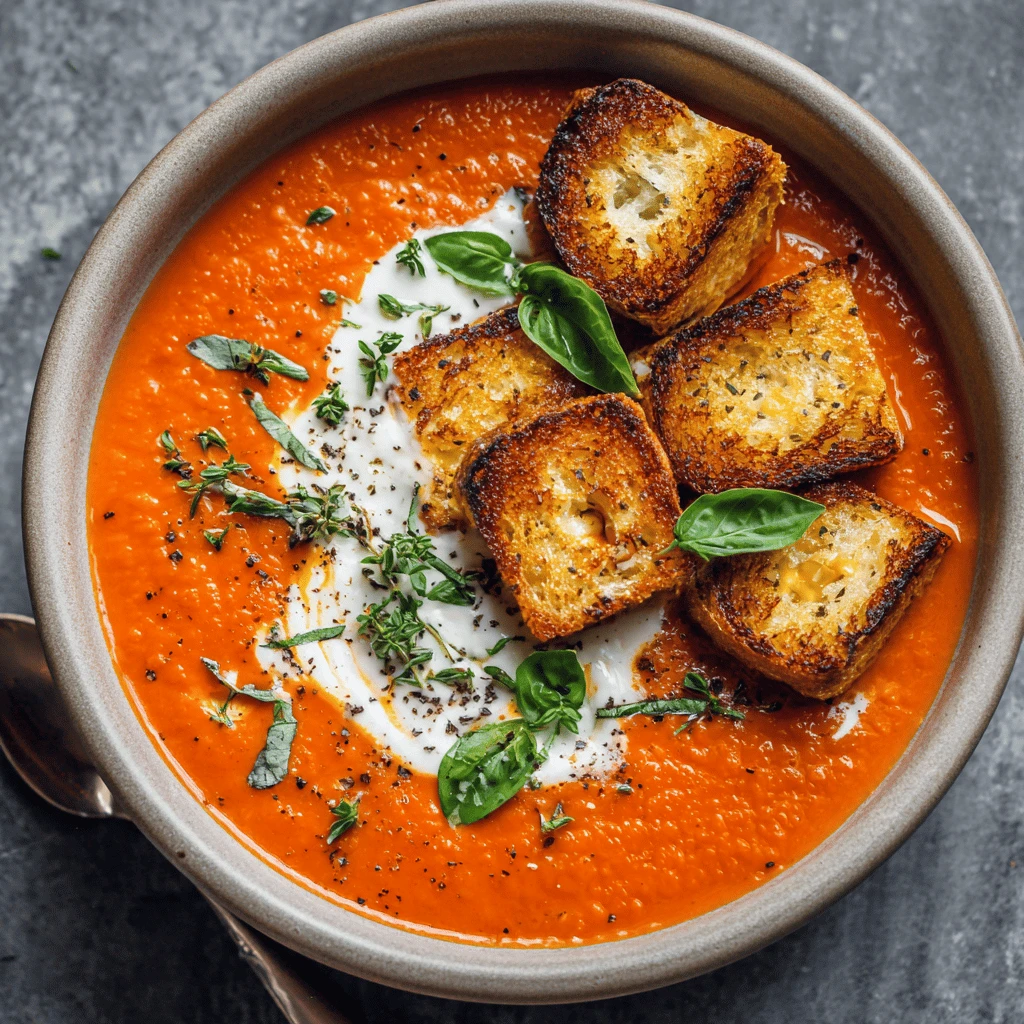
Creamy Tomato Meal Prep Soup: A Delicious and Healthy Batch Cooking Recipe
Craving a comforting and nutritious lunch or dinner that’s also easy to prepare in advance? Look no further than creamy tomato soup! This classic favorite is perfectly suited for meal prepping, offering a convenient and satisfying way to enjoy a healthy and flavorful dish throughout the week. This guide will walk you through crafting the perfect creamy tomato soup for meal prepping, ensuring delicious results every time.

Why Creamy Tomato Soup is Perfect for Meal Prep
Tomato soup is a fantastic choice for meal prepping for several reasons:
- Flavor Enhancement Over Time: Tomato soup’s flavor deepens and becomes more complex as it sits, making it even more delicious a day or two after cooking.
- Nutrient Rich: Tomatoes are packed with vitamins, minerals, and antioxidants, particularly lycopene, which is linked to various health benefits.
- Versatility: It’s easy to customize tomato soup with different herbs, spices, and toppings to suit your preferences.
- Freezable: Creamy tomato soup freezes incredibly well, allowing you to extend its shelf life and have a ready-to-eat meal whenever you need it.
- Affordable: Tomatoes are generally inexpensive, making this a budget-friendly meal prep option.
- Easy to Reheat: Whether you use a microwave, stovetop, or even a slow cooker, tomato soup is easy to reheat and enjoy.
Crafting the Ultimate Creamy Tomato Meal Prep Soup
The key to a great meal prep soup lies in choosing quality ingredients and employing the right techniques. Here’s how to make a truly delicious and creamy tomato soup:
Selecting the Best Ingredients
- Tomatoes: Canned whole peeled tomatoes are a convenient and reliable choice. Look for high-quality brands with no added salt or sugar. Alternatively, you can use fresh tomatoes, but be sure to peel and seed them first. Roasting fresh tomatoes before blending them into the soup intensifies their flavor. San Marzano tomatoes are known for their sweetness and low acidity.
- Aromatics: Onions, garlic, and carrots form the aromatic base of the soup. Sautéing them in olive oil before adding the tomatoes enhances their flavor and adds depth to the final product. Experiment with adding celery for a more complex flavor profile.
- Broth: Vegetable broth is an excellent choice for a vegetarian/vegan option. Chicken broth adds richness and body to the soup. Ensure your broth is low in sodium to control the overall salt content.
- Cream: Heavy cream provides the classic creamy texture. For a lighter option, use half-and-half or coconut milk (for a dairy-free alternative). You can also create a creamy texture by blending a portion of the soup with cashews (soaked in hot water for at least 30 minutes) before adding it back to the pot.
- Herbs and Spices: Fresh basil is a classic pairing with tomatoes. Dried oregano, thyme, or bay leaf add warmth and complexity. A pinch of red pepper flakes provides a subtle kick. Salt and pepper are essential for seasoning. A touch of sugar can balance the acidity of the tomatoes.
- Olive Oil: Use a good-quality olive oil for sautéing the aromatics. It adds flavor and richness to the soup.
Step-by-Step Cooking Instructions
1. Sauté the Aromatics: Heat olive oil in a large pot or Dutch oven over medium heat. Add chopped onions, carrots, and garlic, and sauté until softened, about 5-7 minutes.
2. Add Tomatoes and Broth: Add the canned tomatoes (crushed), broth, and any dried herbs (such as oregano or thyme). Bring to a simmer, then reduce heat and cook for at least 30 minutes, or up to an hour, to allow the flavors to meld.
3. Blend the Soup: Use an immersion blender to blend the soup until smooth. Alternatively, carefully transfer the soup to a regular blender in batches and blend until smooth. Be cautious when blending hot liquids.
4. Add Cream and Season: Stir in the cream (or dairy-free alternative). Season with salt, pepper, sugar (if needed), and any additional herbs or spices. Heat through gently, but do not boil.
5. Cool and Store: Allow the soup to cool completely before transferring it to airtight containers for storage.
Tips for Achieving Creamy Perfection
- Roasting Tomatoes: Roasting fresh tomatoes before adding them to the soup intensifies their flavor and adds a touch of sweetness. Toss the tomatoes with olive oil, salt, pepper, and herbs, then roast at 400°F (200°C) for 30-40 minutes.
- Blending for Smoothness: A high-powered blender or immersion blender will ensure a perfectly smooth and creamy texture. If using a regular blender, be sure to vent the lid to prevent pressure from building up.
- Adjusting Acidity: If the soup is too acidic, add a pinch of sugar or a small amount of baking soda to balance the flavors.
- Adding Depth of Flavor: Consider adding a parmesan rind to the soup while it simmers for a richer, more umami flavor. Remove the rind before blending. A splash of balsamic vinegar at the end can also add complexity.
- Controlling Salt: Start with less salt than you think you need and add more to taste. Remember that the flavors will concentrate as the soup sits.
Meal Prep and Storage: Keeping Your Soup Fresh
Proper storage is essential for maintaining the quality and safety of your meal prep soup.
Safe Cooling Practices
- Cool Quickly: To prevent bacterial growth, cool the soup as quickly as possible. You can do this by dividing it into smaller containers or placing the pot in an ice bath.
- Avoid the Danger Zone: The “danger zone” for bacterial growth is between 40°F (4°C) and 140°F (60°C). Ensure the soup cools below 40°F within 2 hours.
Storage Options
- Refrigerator: Store the soup in airtight containers in the refrigerator for up to 3-4 days.
- Freezer: For longer storage, freeze the soup in freezer-safe containers or bags for up to 2-3 months. Leave some headspace in the containers to allow for expansion during freezing.
Reheating Tips
- Stovetop: Reheat the soup in a saucepan over medium heat, stirring occasionally, until heated through.
- Microwave: Reheat the soup in a microwave-safe bowl, stirring occasionally, until heated through.
- Slow Cooker: Reheat the soup in a slow cooker on low heat for 1-2 hours.
Serving Suggestions and Toppings
Creamy tomato soup is delicious on its own, but it can be elevated with various toppings and accompaniments:
- Grilled Cheese Croutons: Cut grilled cheese sandwiches into small squares and use them as croutons.
- Fresh Herbs: Top with fresh basil, parsley, or chives.
- Creamy Swirl: Add a swirl of cream, coconut milk, or sour cream.
- Pesto: A dollop of pesto adds a burst of flavor.
- Parmesan Cheese: Grated parmesan cheese adds a salty and savory element.
- Red Pepper Flakes: Sprinkle with red pepper flakes for a touch of heat.
- Crusty Bread: Serve with a side of crusty bread for dipping.
- Mini Meatballs: Add mini meatballs for a heartier meal.
- Tortilla Strips: Crispy tortilla strips provide a satisfying crunch.
Variations and Adaptations: Personalizing Your Soup
One of the best things about creamy tomato soup is its versatility. Here are some ways to customize it to your liking:
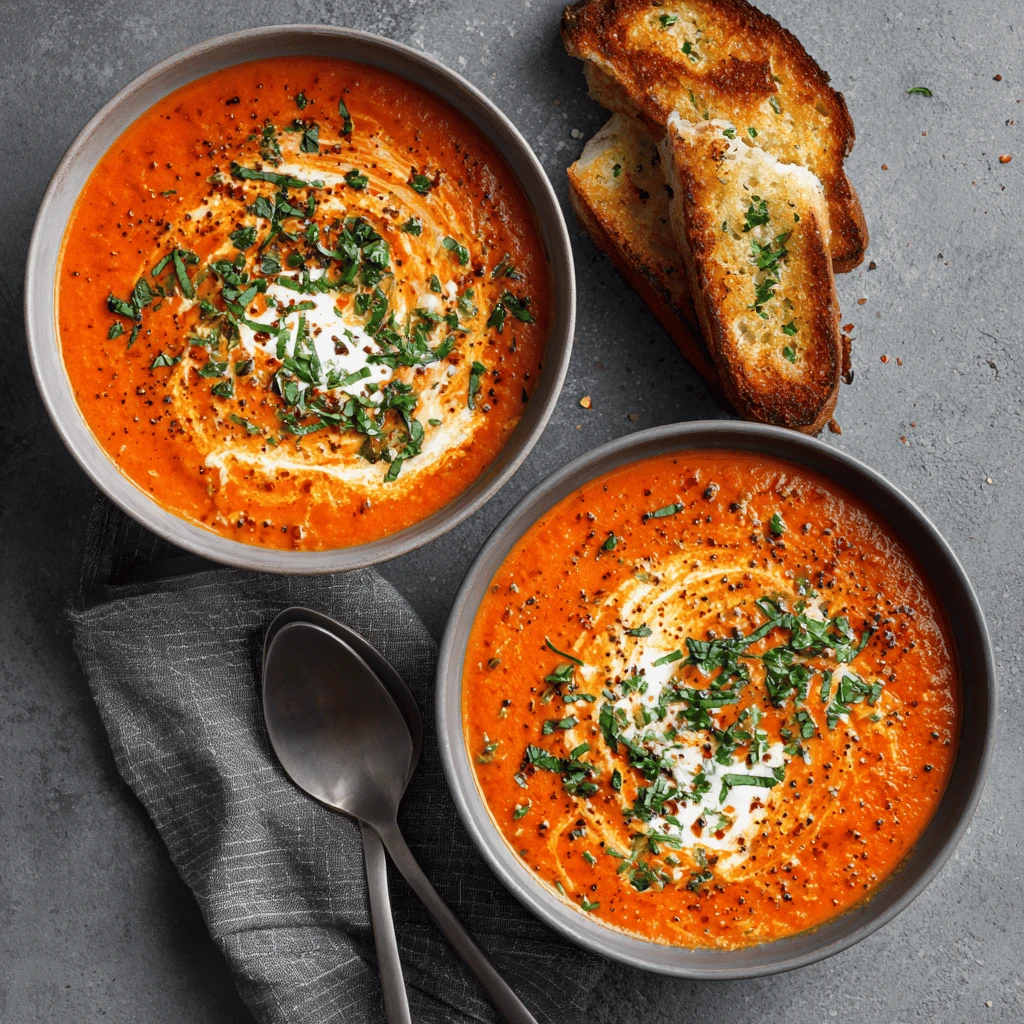
Dairy-Free Creamy Tomato Soup
- Coconut Milk: Use full-fat coconut milk as a substitute for heavy cream. It adds a subtle sweetness and richness.
- Cashew Cream: Soak raw cashews in hot water for at least 30 minutes, then blend them with water until smooth and creamy. Use this cashew cream in place of heavy cream.
- White Beans: Blend cooked white beans into the soup for a creamy texture and added protein.
Spicy Tomato Soup
- Red Pepper Flakes: Add red pepper flakes to the soup while it’s simmering for a touch of heat.
- Chipotle Peppers: Add a chopped chipotle pepper in adobo sauce for a smoky and spicy flavor.
- Sriracha: Add a drizzle of sriracha to each bowl of soup for an extra kick.
Roasted Red Pepper and Tomato Soup
- Roast red bell peppers alongside the tomatoes for a smoky and sweet flavor. Remove the skin and seeds from the roasted peppers before adding them to the soup.
Other Creative Additions
- Spinach: Add fresh spinach to the soup during the last few minutes of cooking for added nutrients and color.
- Sun-Dried Tomatoes: Add sun-dried tomatoes for a more intense tomato flavor.
- Pancetta: Cook diced pancetta until crispy and add it to the soup for a salty and savory element.
- Vodka: Add a splash of vodka to the soup for a unique flavor twist.
Frequently Asked Questions (FAQs)
Can I use fresh tomatoes instead of canned?
Yes, you can absolutely use fresh tomatoes. For the best results, roast them first to intensify their flavor. Peel and seed them before adding them to the soup. San Marzano tomatoes are a great option.
How long does creamy tomato soup last in the refrigerator?
Creamy tomato soup will last for 3-4 days in the refrigerator when stored in an airtight container.
Can I freeze creamy tomato soup?
Yes, creamy tomato soup freezes well. Store it in freezer-safe containers or bags for up to 2-3 months. Leave some headspace in the containers to allow for expansion during freezing.
How do I prevent my tomato soup from being too acidic?
Add a pinch of sugar or a small amount of baking soda to balance the acidity of the tomatoes. Taste and adjust as needed.
What can I serve with creamy tomato soup?
Creamy tomato soup is delicious with grilled cheese sandwiches, crusty bread, salads, or mini meatballs. You can also add toppings like fresh herbs, cream, pesto, parmesan cheese, or red pepper flakes.
Can I make this soup vegan?
Yes, you can easily make this soup vegan by using vegetable broth and substituting the cream with coconut milk, cashew cream, or blended white beans.