
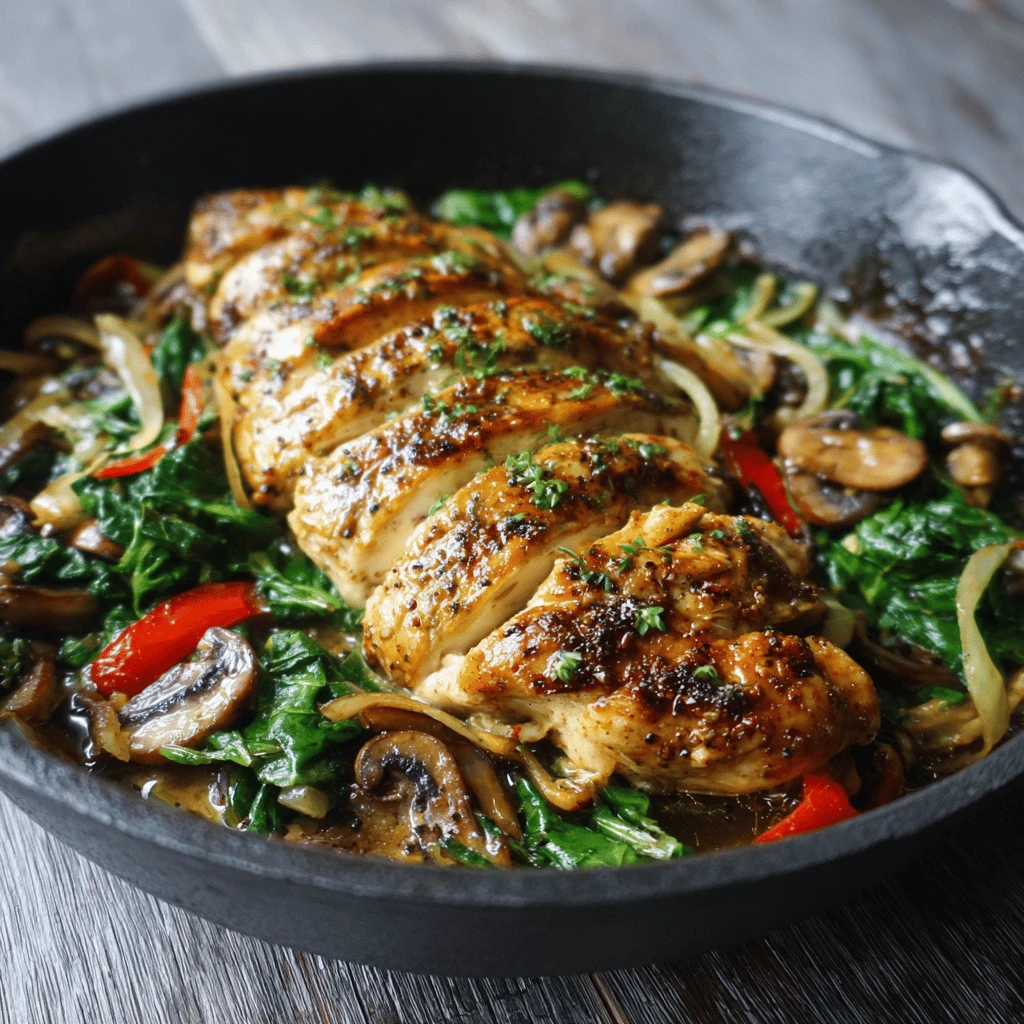
Low Carb Stuffed Chicken Breast Stir Fry
Stuffed chicken breast is a classic comfort food, often perceived as a more indulgent option. However, with a few clever swaps, you can transform this dish into a delicious and satisfying low-carb meal. By ditching the traditional breadcrumb stuffing and serving it alongside a vibrant vegetable stir-fry, you create a flavorful and healthy dish that won’t derail your dietary goals. This recipe combines the juicy, protein-packed goodness of chicken with the fresh, crisp textures of colorful vegetables, all while keeping the carb count minimal.
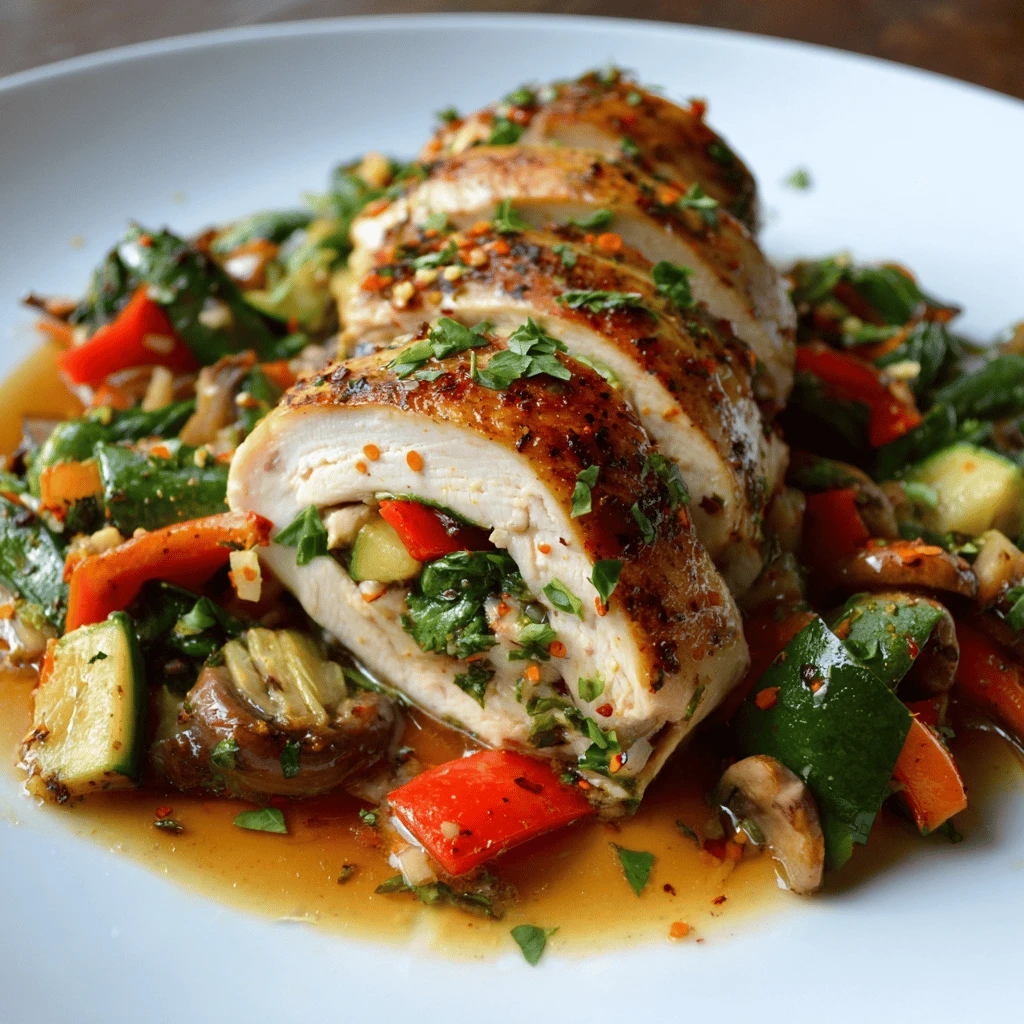
The Appeal of Low-Carb Stuffed Chicken Breast
The low-carb lifestyle has gained popularity for its potential benefits in weight management, blood sugar control, and overall well-being. A crucial aspect of this lifestyle is finding creative ways to enjoy your favorite foods without exceeding your carbohydrate allowance. Stuffed chicken breast offers a blank canvas for low-carb innovation.
Instead of carb-heavy fillings, we opt for ingredients like cheese, spinach, sun-dried tomatoes, and herbs. These not only contribute to the flavor profile but also pack a nutritional punch. Combining this with a stir-fry eliminates the need for starchy sides like rice or potatoes, further reducing the carbohydrate content. The result is a complete and balanced meal that’s both flavorful and aligned with your low-carb objectives.
Crafting the Perfect Low-Carb Stuffing
The key to a truly satisfying low-carb stuffed chicken breast lies in the stuffing itself. Forget the breadcrumbs and focus on flavorful, nutrient-rich alternatives that add texture and complexity.
Ingredient Selection
- Cheese: Opt for cheeses that melt well and offer a distinct flavor. Mozzarella, provolone, and parmesan are excellent choices. Consider adding cream cheese for a creamier texture.
- Vegetables: Spinach is a classic addition, providing vitamins and minerals. Sun-dried tomatoes contribute a burst of intense flavor. Other options include sautéed mushrooms, chopped bell peppers, or even artichoke hearts.
- Herbs and Spices: Fresh herbs like basil, oregano, and thyme elevate the flavor profile. Garlic powder, onion powder, red pepper flakes, and black pepper add depth and complexity.
- Protein Boost: Consider adding cooked and crumbled sausage or bacon for extra protein and flavor.
Preparation Techniques
- Sautéing Vegetables: Sautéing vegetables like spinach and mushrooms before stuffing helps to reduce their water content, preventing a soggy filling.
- Combining Ingredients: In a bowl, combine the cheese, sautéed vegetables, herbs, spices, and any additional protein. Mix well to ensure all ingredients are evenly distributed.
- Seasoning: Taste the stuffing mixture and adjust the seasonings as needed. Don’t be afraid to be generous with the herbs and spices to create a bold and flavorful filling.
Assembling and Cooking the Stuffed Chicken Breast
Once your stuffing is ready, it’s time to assemble the chicken breasts and get them cooking. Proper assembly and cooking techniques are essential to ensure juicy, flavorful, and perfectly cooked chicken.
Preparing the Chicken Breasts
- Butterfly or Pouch: You can either butterfly the chicken breasts by slicing them horizontally almost all the way through, or create a pocket by slicing into the side of each breast. The pocket method helps to keep the stuffing contained.
- Pounding (Optional): Pounding the chicken breasts to an even thickness ensures even cooking. Place the chicken between two sheets of plastic wrap or parchment paper and gently pound with a meat mallet or rolling pin.
- Seasoning: Season the chicken breasts inside and out with salt, pepper, and any other desired spices, such as paprika or garlic powder.
Stuffing the Chicken
- Generous Filling: Spoon a generous amount of the stuffing mixture into the prepared chicken breasts. Be careful not to overstuff them, as this can cause the filling to spill out during cooking.
- Securing the Filling: If you’ve butterflied the chicken, fold one side over the other. If you’ve created a pocket, gently press the edges together to seal. You can use toothpicks to secure the chicken if necessary.
Cooking Methods
- Oven Baking: Preheat your oven to 375°F (190°C). Place the stuffed chicken breasts in a baking dish that has been lightly sprayed with cooking spray. Bake for 25-30 minutes, or until the chicken is cooked through and the internal temperature reaches 165°F (74°C).
- Pan-Searing and Baking: For extra flavor and a crispy exterior, sear the stuffed chicken breasts in a skillet over medium-high heat for 2-3 minutes per side. Then, transfer the skillet to the preheated oven and bake for 15-20 minutes, or until cooked through.
- Grilling: Preheat your grill to medium heat. Grill the stuffed chicken breasts for 6-8 minutes per side, or until cooked through.
Checking for Doneness
Use a meat thermometer to ensure the chicken is cooked through. Insert the thermometer into the thickest part of the breast, avoiding the stuffing. The internal temperature should reach 165°F (74°C).
The Low-Carb Stir-Fry Companion
A vibrant vegetable stir-fry is the perfect accompaniment to low-carb stuffed chicken breast. It adds color, texture, and essential nutrients to the meal while keeping the carbohydrate count low.
Choosing Low-Carb Vegetables
- Cruciferous Vegetables: Broccoli, cauliflower, cabbage, and Brussels sprouts are excellent choices, being low in carbs and high in fiber.
- Leafy Greens: Spinach, kale, and bok choy are packed with vitamins and minerals and are very low in carbohydrates.
- Other Vegetables: Bell peppers, zucchini, onions, and mushrooms add flavor and texture to the stir-fry.
Creating a Flavorful Stir-Fry Sauce
- Soy Sauce Alternative: Coconut aminos is a great low-carb alternative to soy sauce, providing a similar savory flavor.
- Sesame Oil: A small amount of sesame oil adds a nutty flavor and aroma.
- Garlic and Ginger: Freshly minced garlic and ginger are essential for adding depth and complexity to the sauce.
- Sweetener (Optional): A small amount of erythritol or stevia can be added for a touch of sweetness.
- Thickener (Optional): Xanthan gum can be used to thicken the sauce. Use it sparingly, as a little goes a long way.
Stir-Fry Technique
- High Heat: Stir-frying requires high heat to cook the vegetables quickly and evenly while maintaining their crisp texture.
- Wok or Large Skillet: Use a wok or a large skillet with high sides to ensure the vegetables have enough room to move around.
- Adding Ingredients in Order: Add the vegetables that take longer to cook first, such as broccoli and cauliflower. Add the quicker-cooking vegetables, such as spinach and zucchini, towards the end.
- Constant Stirring: Stir the vegetables constantly to prevent them from burning.
Variations and Serving Suggestions
This recipe is highly versatile and can be adapted to suit your taste preferences and dietary needs. Consider these variations and serving suggestions to create your perfect low-carb stuffed chicken breast stir-fry.
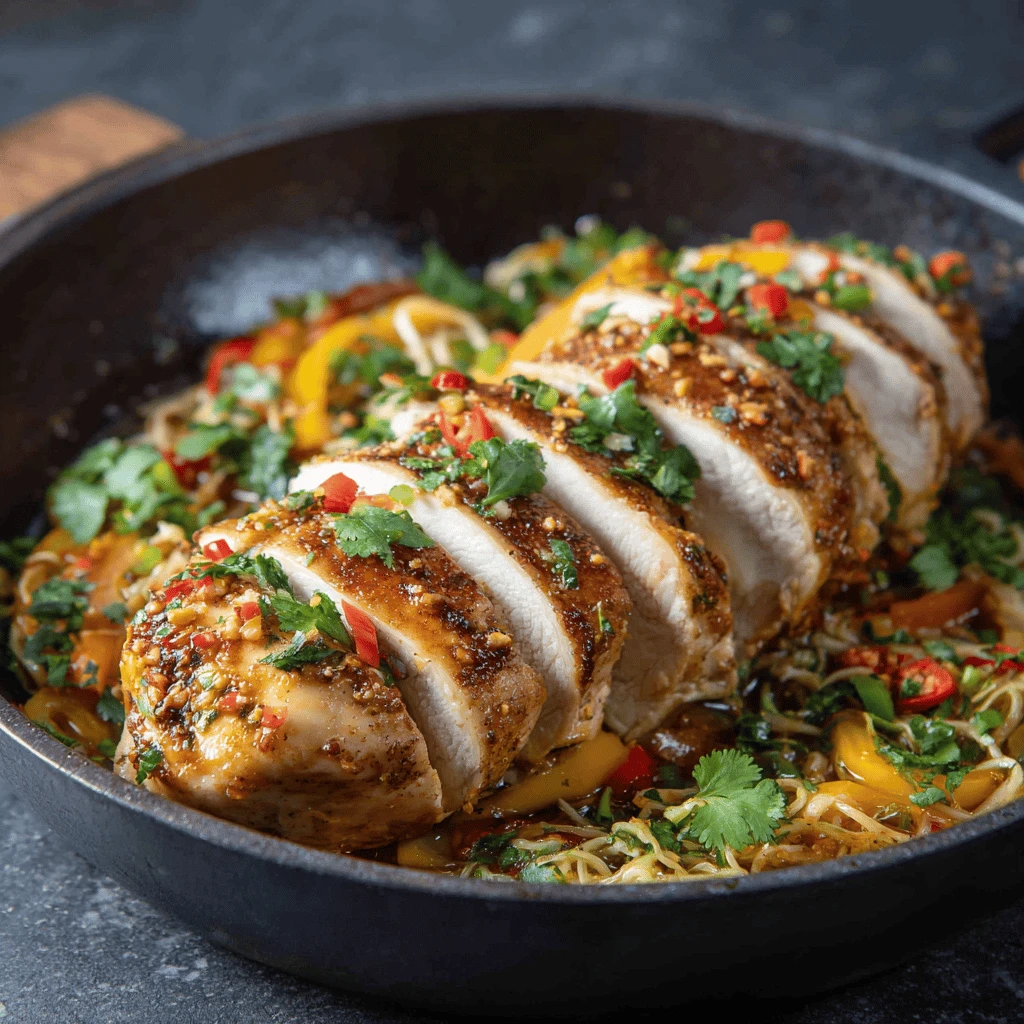
Stuffing Variations
- Mediterranean: Use feta cheese, spinach, olives, and sun-dried tomatoes for a Mediterranean-inspired stuffing.
- Italian: Use mozzarella cheese, pepperoni, and Italian herbs for an Italian-style stuffing.
- Mexican: Use cheddar cheese, jalapenos, and salsa for a Mexican-inspired stuffing.
Stir-Fry Variations
- Asian-Inspired: Add sliced water chestnuts, bamboo shoots, and snow peas to the stir-fry.
- Spicy: Add red pepper flakes or sriracha to the stir-fry sauce for a spicy kick.
- Creamy: Add a splash of heavy cream to the stir-fry sauce for a creamier texture.
Serving Suggestions
- Garnish: Garnish the dish with chopped fresh herbs, sesame seeds, or sliced green onions.
- Avocado: Serve with slices of avocado for healthy fats and added flavor.
- Cauliflower Rice: If you prefer a rice-like side dish, serve with cauliflower rice.
- Side Salad: A simple side salad with a vinaigrette dressing makes a refreshing addition to the meal.
Frequently Asked Questions
-
- Can I use frozen spinach?
Yes, but be sure to thaw it completely and squeeze out any excess moisture before using it in the stuffing.
-
- Can I prepare the stuffed chicken breasts ahead of time?
Yes, you can assemble the stuffed chicken breasts up to 24 hours in advance. Store them in the refrigerator until ready to cook.
-
- How long will leftovers last?
Leftovers can be stored in the refrigerator for up to 3-4 days.
-
- Can I freeze the stuffed chicken breasts?
Yes, you can freeze cooked stuffed chicken breasts. Wrap them individually in plastic wrap and then place them in a freezer-safe bag. They can be stored in the freezer for up to 2-3 months.
-
- What if I don’t have coconut aminos?
You can use low-sodium tamari as a substitute.