
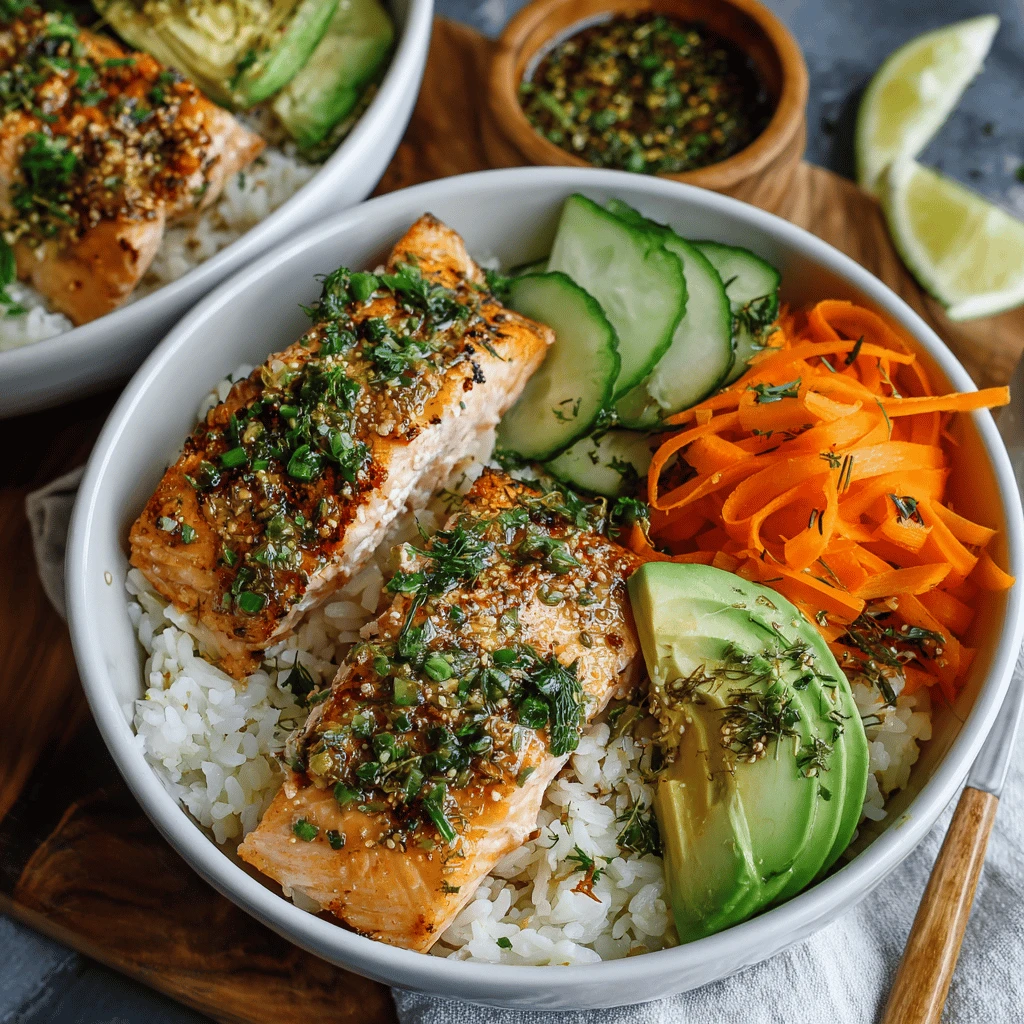
Healthy Baked Salmon Bowls
Salmon bowls have become a beloved meal for good reason: they’re packed with flavor, incredibly versatile, and offer a powerhouse of nutrients. Baking the salmon is a healthy and convenient way to prepare this dish, allowing you to enjoy all the benefits without excessive oil or complicated techniques. This article will guide you through creating delicious and nutritious baked salmon bowls, offering various customization options and helpful tips to make this a staple in your healthy eating routine.
Why Baked Salmon Bowls Are a Nutritional Powerhouse
Baked salmon bowls are more than just a tasty meal; they’re a complete package of essential nutrients. Salmon is a rich source of omega-3 fatty acids, known for their heart-healthy benefits, brain function support, and anti-inflammatory properties. It’s also packed with high-quality protein, vital for muscle building and repair.
Benefits of Omega-3 Fatty Acids
Omega-3s, particularly EPA and DHA found in salmon, contribute significantly to overall well-being. They can help lower triglycerides, reduce blood pressure, and improve cognitive function. Incorporating salmon into your diet regularly can have lasting positive effects on your health.
Protein Power for a Balanced Diet
Protein is crucial for satiety, helping you feel fuller for longer and reducing cravings. Salmon provides a substantial amount of protein, making it an excellent choice for weight management and maintaining a healthy metabolism. Pairing it with complex carbohydrates and vegetables creates a balanced meal that fuels your body effectively.
Vitamin and Mineral Richness
Beyond omega-3s and protein, salmon is also a good source of essential vitamins and minerals, including vitamin D, vitamin B12, potassium, and selenium. These nutrients play important roles in bone health, energy production, immune function, and antioxidant defense.
Mastering the Art of Baking Salmon
Baking salmon is a straightforward process that yields consistently delicious results. The key is to ensure the salmon is cooked through without becoming dry.
Choosing the Right Salmon
When selecting salmon, consider both the type and the quality. Wild-caught salmon is often leaner and has a richer flavor than farmed salmon, but it can also be more expensive. Farmed salmon tends to be more readily available and has a milder taste. Look for salmon fillets that are firm, vibrant in color, and free from any strong odors.
Preparing the Salmon for Baking
Before baking, pat the salmon fillets dry with paper towels. This helps the skin crisp up nicely. Lightly brush the salmon with olive oil or avocado oil to prevent it from sticking to the baking sheet and to add moisture. Season generously with salt, pepper, and any other desired spices or herbs. Popular choices include garlic powder, paprika, lemon zest, dill, and thyme.
Baking Temperature and Time
The ideal baking temperature for salmon is typically between 375°F (190°C) and 400°F (200°C). Baking at this temperature allows the salmon to cook evenly without drying out. The cooking time will vary depending on the thickness of the fillets. As a general guideline, bake salmon for 12-15 minutes per inch of thickness. To ensure the salmon is cooked through, use a fork to flake the fish. It should be opaque and easily flake apart. The internal temperature should reach 145°F (63°C).
Tips for Perfectly Baked Salmon
- Use parchment paper: Line your baking sheet with parchment paper for easy cleanup and to prevent the salmon from sticking.
- Don’t overcrowd the pan: Ensure there is enough space between the salmon fillets to allow for even cooking.
- Consider using a marinade: Marinating the salmon for 30 minutes before baking can enhance the flavor and keep it moist.
- Broil for extra crispiness: For a crispier top, broil the salmon for the last 1-2 minutes of cooking, keeping a close eye to prevent burning.
Building Your Perfect Salmon Bowl: The Components
The beauty of salmon bowls lies in their versatility. You can customize them to suit your taste preferences and dietary needs. Here’s a breakdown of the essential components:
Base Options: Grains, Greens, or a Combination
The base of your salmon bowl sets the stage for the rest of the ingredients. Brown rice, quinoa, and farro are excellent whole-grain options that provide fiber and sustained energy. If you prefer a lighter option, consider using a bed of mixed greens, such as spinach, kale, or romaine lettuce. You can also combine grains and greens for a balance of nutrients and textures.
Vegetable Medley: Roasted, Steamed, or Fresh
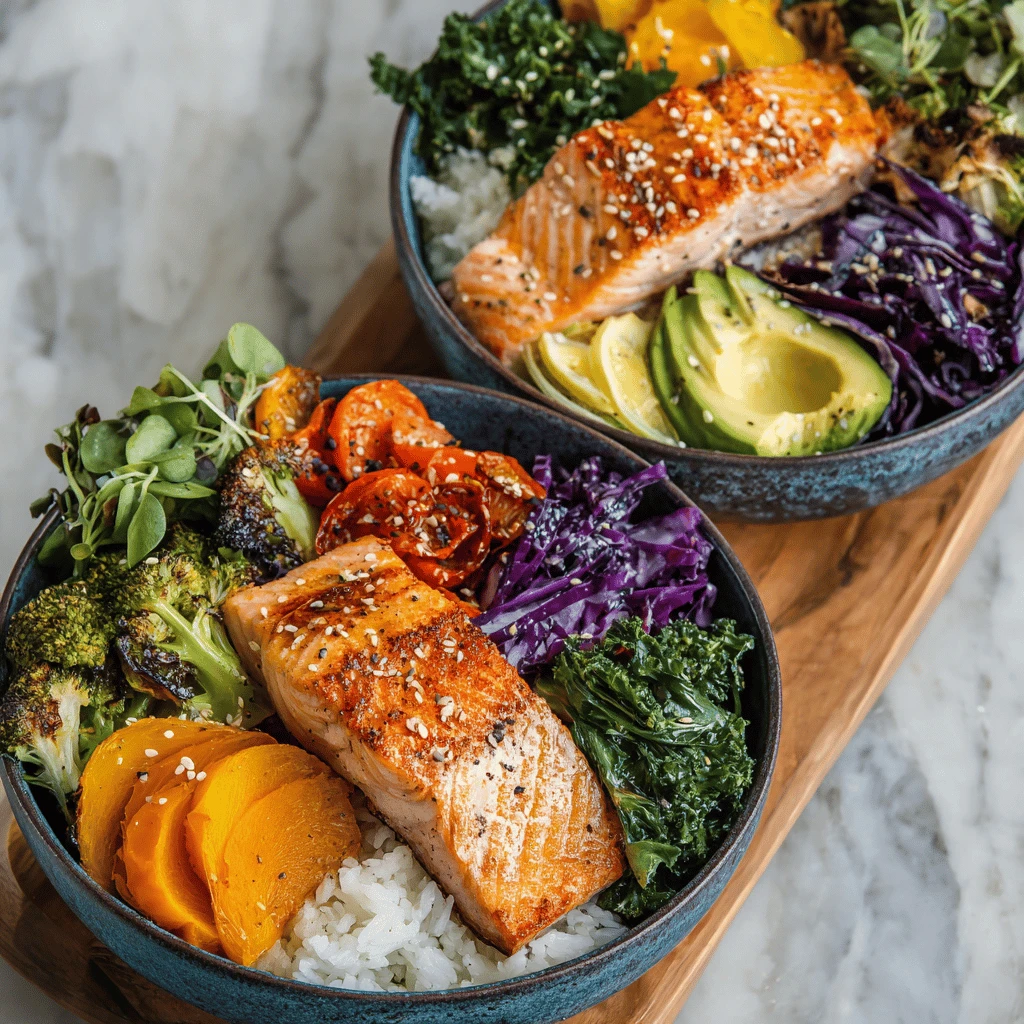
Adding a variety of vegetables is crucial for boosting the nutritional value of your salmon bowl. Roasted vegetables, such as broccoli, Brussels sprouts, sweet potatoes, and carrots, offer a delightful sweetness and depth of flavor. Steamed vegetables, like asparagus, green beans, and edamame, provide a vibrant crunch and retain their nutrients. Fresh vegetables, such as cucumbers, bell peppers, avocados, and tomatoes, add a refreshing element.
Sauce Sensations: Creamy, Tangy, or Spicy
The sauce is what ties all the elements of your salmon bowl together, adding moisture and enhancing the overall flavor profile. Creamy sauces, such as avocado crema, tahini dressing, or yogurt-based sauces, provide a rich and satisfying element. Tangy sauces, like lemon-dill vinaigrette, sesame ginger dressing, or balsamic glaze, add a bright and zesty kick. Spicy sauces, such as sriracha mayo, chili garlic sauce, or a drizzle of hot sauce, provide a fiery touch.
Toppings for Texture and Flavor
Toppings add the finishing touches to your salmon bowl, enhancing its texture and flavor. Consider adding toasted sesame seeds, chopped nuts (such as almonds or walnuts), crispy fried onions, pickled ginger, or a sprinkle of fresh herbs like cilantro or parsley. These additions provide a satisfying crunch and a burst of fresh flavor.
Example Bowl Combinations
- Mediterranean Salmon Bowl: Quinoa base, roasted vegetables (bell peppers, zucchini, red onion), Kalamata olives, feta cheese, lemon-herb vinaigrette.
- Asian-Inspired Salmon Bowl: Brown rice base, steamed broccoli, edamame, carrots, sesame ginger dressing, toasted sesame seeds.
- Spicy Salmon Bowl: Mixed greens base, avocado, corn, black beans, pico de gallo, sriracha mayo.
- Simple and Clean Salmon Bowl: Brown rice, steamed asparagus, lemon wedges, dill.
Delicious and Healthy Baked Salmon Bowl Recipes
Here are a couple of recipe ideas to get you started, but remember, these are just suggestions – feel free to experiment and create your own unique variations.
Lemon-Dill Baked Salmon Bowl
Ingredients:
- 4 salmon fillets (4-6 oz each)
- 1 tablespoon olive oil
- 1 lemon, zested and juiced
- 2 tablespoons fresh dill, chopped
- Salt and pepper to taste
- Cooked quinoa or brown rice
- Steamed asparagus
- Cucumber, diced
- Avocado, sliced
Instructions:
1. Preheat oven to 400°F (200°C). Line a baking sheet with parchment paper.
2. In a small bowl, combine olive oil, lemon zest, lemon juice, dill, salt, and pepper.
3. Place salmon fillets on the prepared baking sheet and brush with the lemon-dill mixture.
4. Bake for 12-15 minutes, or until the salmon is cooked through and flakes easily with a fork.
5. Assemble the bowls by layering quinoa or brown rice, steamed asparagus, cucumber, and avocado.
6. Top with the baked salmon and drizzle with any remaining lemon-dill mixture.
Teriyaki Glazed Salmon Bowl
Ingredients:
- 4 salmon fillets (4-6 oz each)
- 1/4 cup teriyaki sauce (low-sodium)
- 1 tablespoon sesame oil
- 1 teaspoon grated ginger
- 1 clove garlic, minced
- Cooked brown rice
- Steamed broccoli
- Shredded carrots
- Green onions, sliced
- Sesame seeds
Instructions:
1. Preheat oven to 375°F (190°C). Line a baking sheet with parchment paper.
2. In a small bowl, whisk together teriyaki sauce, sesame oil, grated ginger, and minced garlic.
3. Place salmon fillets on the prepared baking sheet and brush with the teriyaki glaze.
4. Bake for 12-15 minutes, or until the salmon is cooked through and flakes easily with a fork.
5. Assemble the bowls by layering brown rice, steamed broccoli, and shredded carrots.
6. Top with the baked salmon, drizzle with any remaining teriyaki glaze, and garnish with green onions and sesame seeds.
Tips and Tricks for Meal Prepping Salmon Bowls
Salmon bowls are an excellent option for meal prepping, allowing you to enjoy healthy and delicious meals throughout the week without the hassle of cooking every day.
Prepping Ingredients in Advance
- Cook Grains: Cook a large batch of quinoa, brown rice, or other grains at the beginning of the week and store them in the refrigerator.
- Roast or Steam Vegetables: Roast or steam your favorite vegetables and store them in airtight containers.
- Prepare Sauces: Make your sauces in advance and store them in the refrigerator.
- Portion Ingredients: Divide the grains, vegetables, and sauces into individual containers for easy assembly.
Storing and Reheating Tips
- Store Separately: Store the salmon separately from the other components to prevent it from becoming soggy.
- Reheat Salmon Gently: Reheat the salmon in the oven or microwave until heated through. Avoid overcooking it, as it can become dry.
- Assemble Before Eating: Assemble the bowls just before eating to maintain the freshness and texture of the ingredients.
Salmon Safety
It’s important to cook salmon correctly and store it properly to avoid food borne contamination. Cooked salmon should be stored in the refrigerator immediately. It should not sit at room temperature for more than two hours. Properly stored, salmon can be kept in the refrigerator for up to 3 to 4 days.
Frequently Asked Questions (FAQ)
Is baked salmon healthy?
Yes, baked salmon is incredibly healthy. It’s a great source of omega-3 fatty acids, protein, and essential vitamins and minerals. Baking is a healthy cooking method that minimizes the need for added fats.
What temperature should I bake salmon at?
Bake salmon at 375°F (190°C) to 400°F (200°C) for best results. This temperature allows the salmon to cook evenly without drying out.
How long does it take to bake salmon?
Baking time depends on the thickness of the fillet. Generally, bake salmon for 12-15 minutes per inch of thickness.
How do I know when salmon is done baking?
Salmon is done when it flakes easily with a fork and is opaque throughout. The internal temperature should reach 145°F (63°C).
Can I meal prep salmon bowls?
Yes, salmon bowls are excellent for meal prepping. Store the salmon separately from the other components and assemble the bowls just before eating.